

Release Date: MechWarrior 3: June 1, 1999 Pirate’s Moon: December 3, 1999 Developer: Zipper Interactive
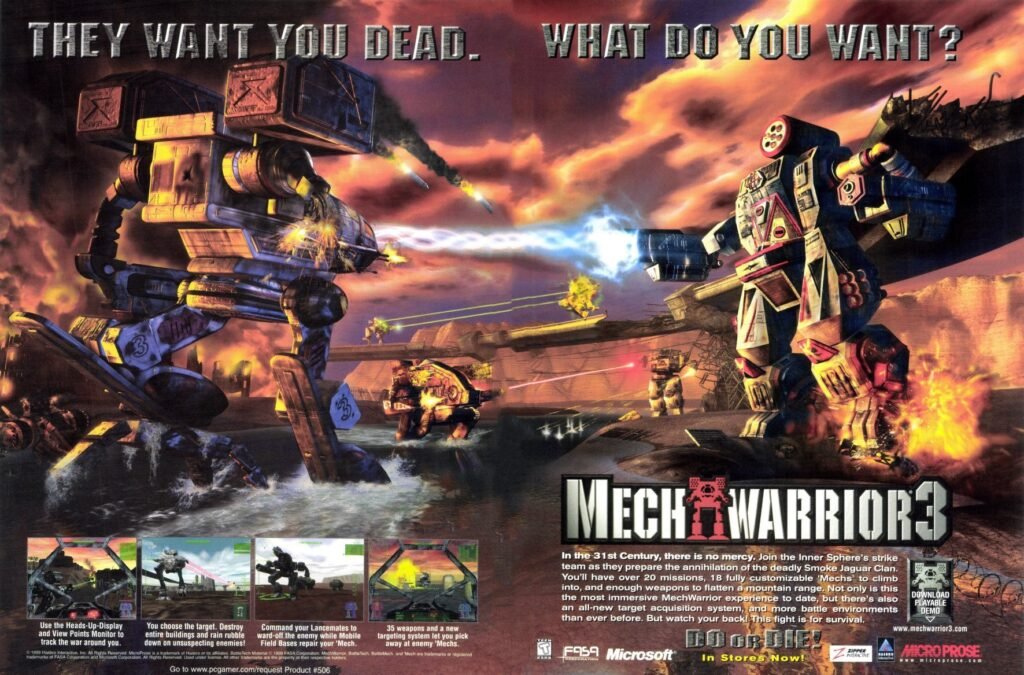
Back in the late nineties, the PC gaming landscape was an absolute wild west of technological leaps, but if you wanted to feel the true, unadulterated power of pilotable heavy machinery, there was only one franchise that held the crown. When MechWarrior 3 slammed onto store shelves in the summer of 1999, it crashed through the concrete wall like a hundred-ton assault vehicle. Developed by Zipper Interactive and published by MicroProse, this legendary title took everything we loved about the sprawling BattleTech universe and condensed it into an incredibly immersive, tactile experience that, quite frankly, many modern games still struggle to replicate. If you have ever wanted to sit inside a multi-million-dollar metal cockpit, listen to the low hum of a fusion reactor, and unleash a torrent of laser fire upon an unsuspecting rival, this was your holy grail. It managed to perfectly bridge the gap between intense mechanical realism and pure tactical fun, making it an instantly memorable classic.
The Golden Standard of Mech Physics and Feel
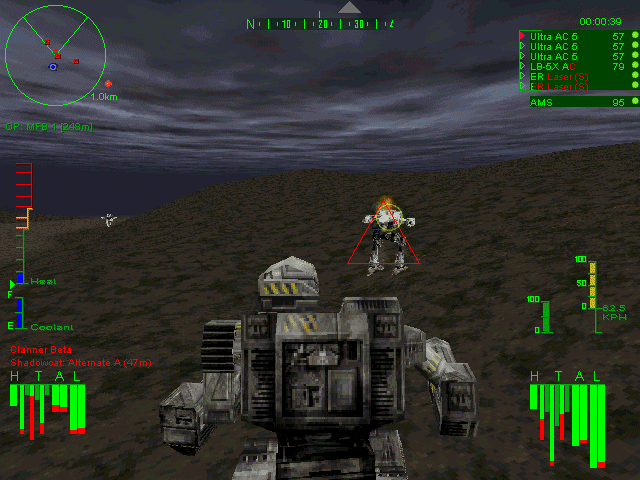
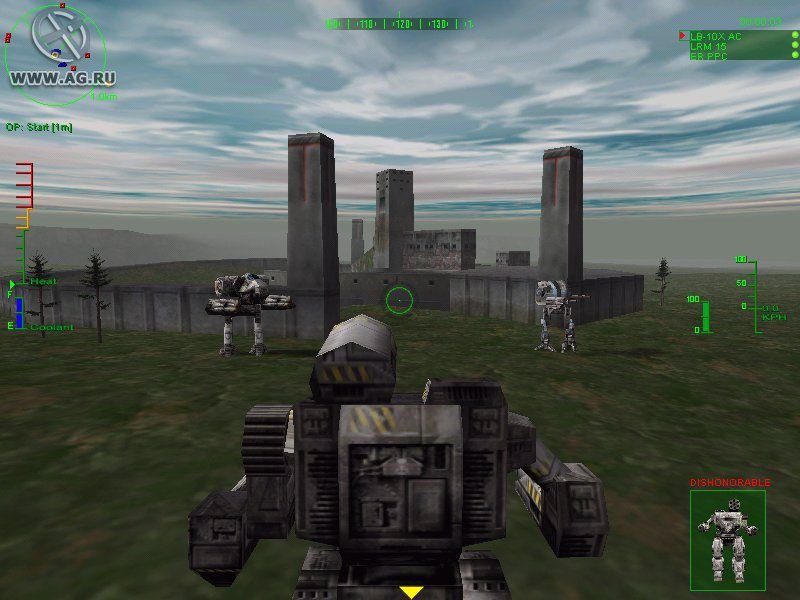
What truly separated MechWarrior 3 from both its predecessors and its flashier sequels was the unmatched sense of weight and physical presence. In this game, a BattleMech felt like a massive, lumbering walking tank. When you took a step in an eighty-ton Awesome, the cockpit rocked, the ground trembled, and you could practically feel the immense stress on the hydraulic actuators. The game featured a revolutionary damage modeling system for its era. You could deliberately target an enemy’s right leg to completely cripple their mobility, or blow off an arm to neutralize their heavy Autocannon before they could shred your armor. Even better, a high-impact kinetic blast from a heavy weapon could literally knock an enemy flat on their back, leaving them floundering like a helpless turtle while you lined up the perfect finishing blow. Managing your internal temperature through careful heat management was a constant tactical puzzle. Firing too many weapons at once would cause your reactor to cook, forcing you to dump your precious supply of coolant or face an emergency shutdown right in the middle of a deadly crossfire.
Operation Damocles and the Genius of the MFB
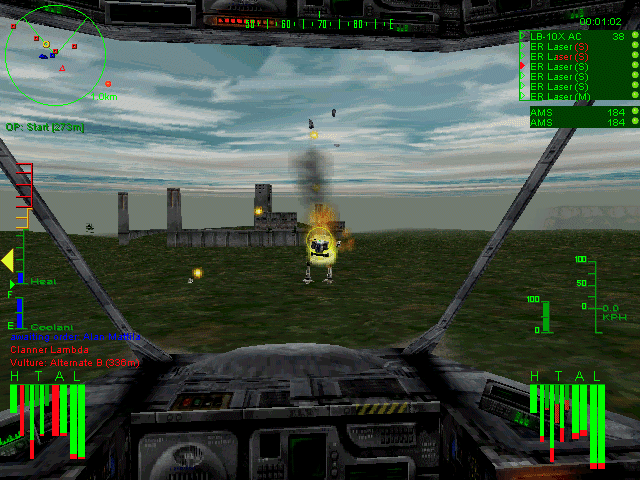
The narrative of the base campaign drops you directly into the boots of a battle-tested Lance Leader during Operation Damocles. The Inner Sphere has launched a desperate, high-stakes surprise strike against the brutal warriors of Clan Smoke Jaguar on the colonial planet of Tranquil. Right from the opening cinematic, things go horribly sideways. Your dropship is blasted out of the sky by naval lasers, leaving your small squad isolated, heavily outnumbered, and cut off from reinforcement. This desperate survival theme is beautifully reinforced by the game’s brilliant salvage system. You do not have a magical supply chain dropping fresh gear from orbit; instead, you must scavenge weapons, ammunition, and entirely new chassis from the smoking wreckage of the enemies you defeat. This gave every single mission an addictive loop where stripping an enemy cleanly without destroying their torso meant you might walk away with a pristine piece of Clan tech. To manage this mobile guerrilla war, the game introduced the incredible Mobile Field Bases, or MFBs. These three armored vehicles rolled across the terrain at your command, setting up temporary repair bays right on the battlefield. Managing your MFBs, ordering them to move to secure waypoints, and retreating to them for an emergency mid-mission patch-up added a brilliant layer of real-time strategy that kept you constantly thinking on your feet.
The MechLab: Ultimate Tuning Nerd Heaven
For many players, half the fun of MechWarrior 3 happened before you even turned the ignition key. The MechLab was a gloriously dense, grid-based playground where you could strip down your machines to the bare bones and rebuild them from scratch. Do you want to take an agile medium mech and cram it full of short-range missiles for a high-risk ambush build? Or would you prefer to strip away some armor plating to install extra double heat sinks so you can fire twin particle projection cannons without melting your cockpit? Every single ton mattered, and every critical slot allocation felt like a crucial engineering choice. Balancing the weight of your ammunition, tailoring your armor distribution between the front and rear torsos, and deciding whether to install jump jets for vertical mobility made the customization feel deeply personal. When a custom build you spent an hour tweaking in the lab finally stepped out into the field and vaporized an enemy in a single coordinated alpha strike, the payoff was unmatched.
Enter the Pirate’s Moon: Double the Trouble
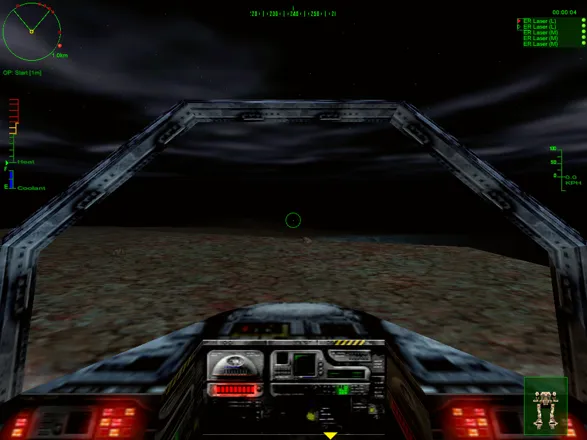
Just six months after the base game blew everyone away, the developers followed up with the New Belt expansion pack, titled Pirate’s Moon. This was a massive content injection that added twenty brand new missions split across two completely distinct campaigns. The story officially names our protagonist as Lieutenant Connor Sinclair, who is now tasked with representing the elite Eridani Light Horse mercenary unit on the hostile, resource-rich planet of Vale. Your job is to protect valuable Germanium mining operations from a ruthless rogue cartel known as the New Belt Pirates, led by the fierce Susie Ryan. What made this expansion an absolute blast was the ability to swap perspectives and actually play through the pirate campaign as a pilot named Scourge. Playing as the pirates flipped the gameplay mechanics completely on their head; while the corporate forces had access to the legendary Mobile Field Bases for easy repairs, the scrappy pirates had no such luxury. Instead, you were given more lancemates to command, shifting the tactical focus toward raw, overwhelming initial firepower and hyper-aggressive positioning. The expansion also threw a major curveball by introducing terrifying night missions. Forcing you to navigate pitch-black canyons using ambient light and your mech’s built-in searchlights completely transformed the atmosphere, turning a standard military simulator into a tense, spooky sci-fi thriller where danger could leap out of the shadows at any second.
Heavy Metal Additions: New Toys of Destruction
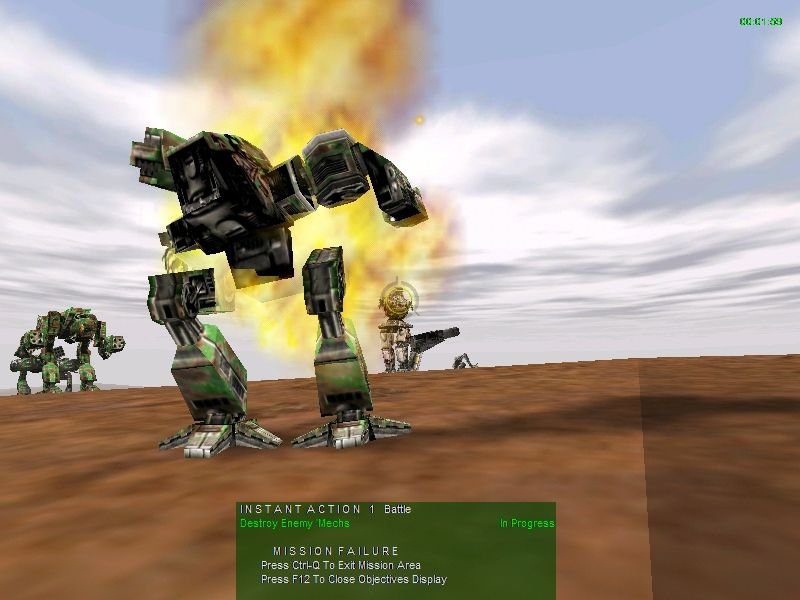
A proper BattleTech expansion lives and dies by its arsenal, and Pirate’s Moon absolutely delivered the goods. It introduced six iconic new machines into the mix, allowing players to finally climb into the cockpit of legendary Inner Sphere monsters like the walking mountain known as the Atlas and the energy-spewing Awesome, alongside lethal Clan designs like the sleek Clint IIC. On top of the new metal frames, the expansion shook up the tactical sandbox with fresh weaponry. While variations of standard machine guns and lasers were welcome, the absolute star of the show was the devastating Thunderbolt Missile. This massive, single-fire rocket acted like a guided tactical nuke, packing enough raw kinetic energy to instantly knock an enemy mech clean off its feet from across the map. It had a strict minimum range limitation, forcing you to maintain your distance, but watching a cocky enemy pilot get violently upended by a well-timed Thunderbolt blast never got old.
A Masterpiece Frozen in Time
Decades after its initial launch, MechWarrior 3, alongside its phenomenal expansion pack, remains a towering achievement in the realm of tactical vehicle simulations. While later iterations in the franchise opted for smoother, more accessible arcade-leaning controls, this 1999 masterpiece stands tall as the definitive simulation-first take on the universe. It successfully treated these iconic science fiction warmachines with a level of mechanical gravitas and grim corporate atmosphere that hasn’t been matched since. If you can manage to get it running on modern operating systems using community wrappers, you will find a game that feels shockingly deep, intensely rewarding, and utterly unforgettable. It is an absolute must-play milestone for anyone who respects the rich history of PC gaming.