
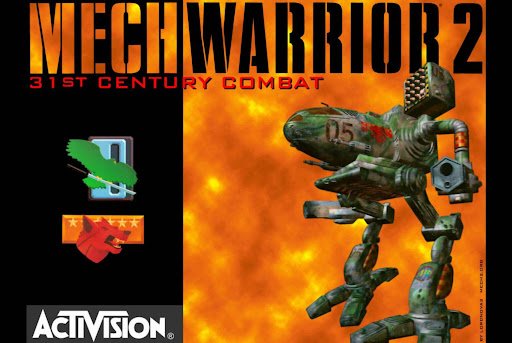

Release Date: July 24, 1995 (MS-DOS) Developer: Activision
If you grew up in the mid-90s and had access to a PC that wasn’t a complete potato, there is a very high probability that you remember the first time you heard a calm, synthesized female voice whisper, “Systems Online. Sensors Online. Weapons Online. All Systems Nominal.” It was the sound of 1995, the sound of the future, and the beginning of what many consider to be the greatest vehicle simulation ever made. We are, of course, talking about MechWarrior 2: 31st Century Combat, a game that didn’t just let you play with giant robots but made you feel the sheer, crushing weight of a seventy-five-ton war machine as it stomped across a desolate alien landscape.
In 1995, we were mostly used to sprites and 2D platformers. Then Activision comes along and drops this technical marvel that required a Pentium processor just to load up. It was a cultural reset for PC gamers. It moved us away from the fast-paced, twitchy energy of Doom and into a cerebral, tactical space where knowing your heat sinks was just as important as knowing how to aim a Large Laser. It was the game that made “Simulation” a cool word again.
The Intro That Changed Everything
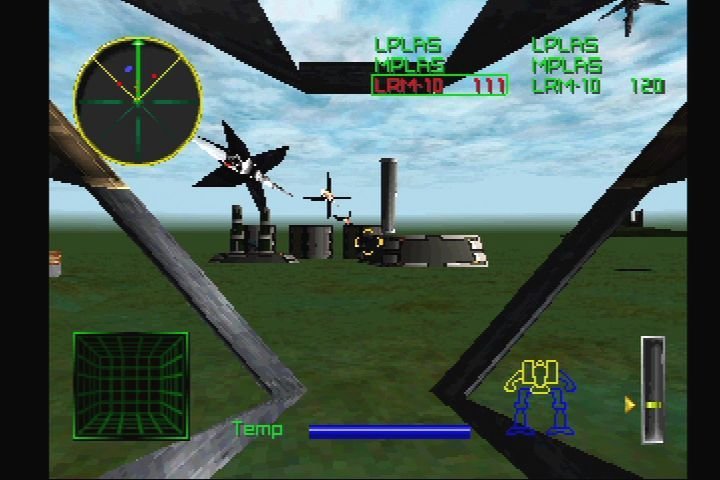
Before we even get into the nuts and bolts of the gameplay, we have to talk about that opening cinematic. In an era where “FMV” (Full Motion Video) usually meant grainy footage of questionable actors in front of a green screen, Activision dropped a CGI masterpiece that felt like it belonged on the big screen. The sight of a Timber Wolf (or Mad Cat, if you’re a filthy Inner Sphere Spheroid) engaging an Elemental and a Summoner in a snowy canyon set the tone perfectly. It wasn’t just about explosions; it was about the BattleTech lore—the cold, ritualistic nature of Clan warfare. It established that these were BattleMechs, the pinnacle of human engineering, piloted by warriors who treated combat like a religious experience. Even today, watching that Timber Wolf crest the hill and unleash a volley of LRMs sends a shiver down the spine of any pilot worth their salt.
Welcome to the Refusal War
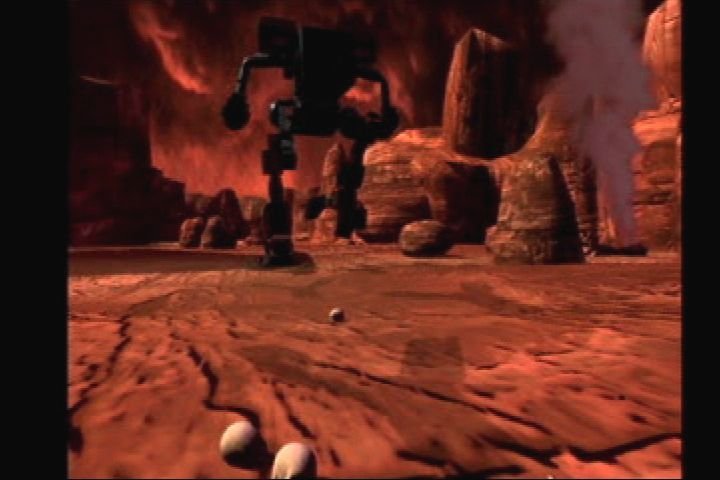
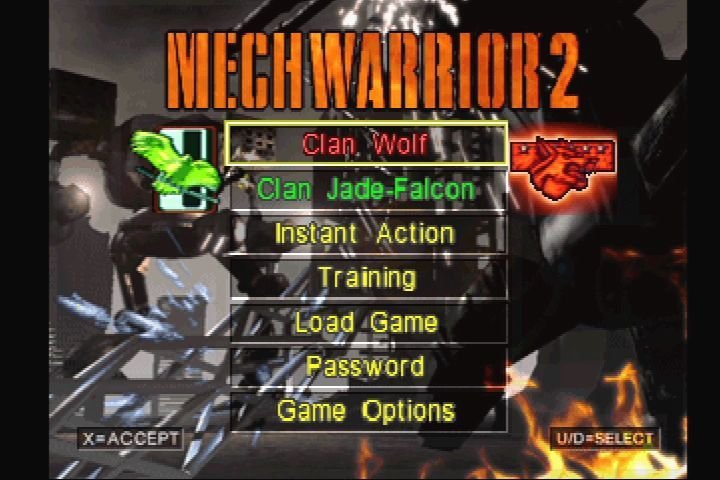
MechWarrior 2 dropped us right into the middle of the Refusal War, a bloody internal conflict between two of the most powerful Clans: Clan Wolf and Clan Jade Falcon. For the uninitiated, the Clans are the descendants of a lost star-faring military that returned to the “Inner Sphere” to conquer it with superior technology and a very strict, honor-based society. You had to choose a side. Were you going to fight for the “Wardens” of Clan Wolf, who wanted to protect humanity, or the “Crusaders” of Clan Jade Falcon, who wanted to crush it under a metal boot?
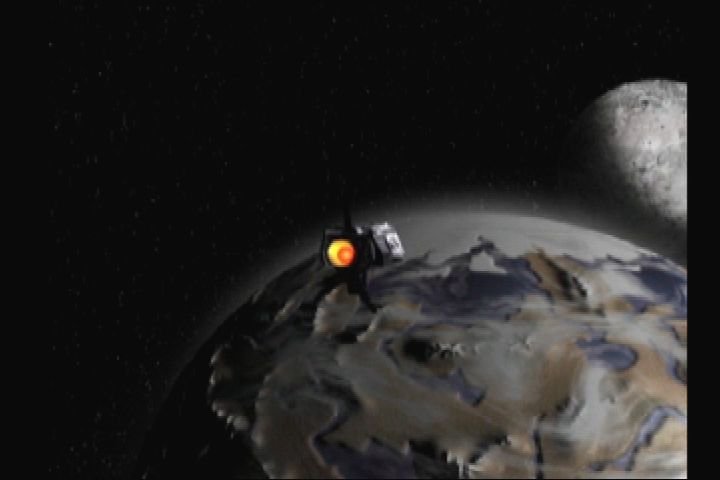
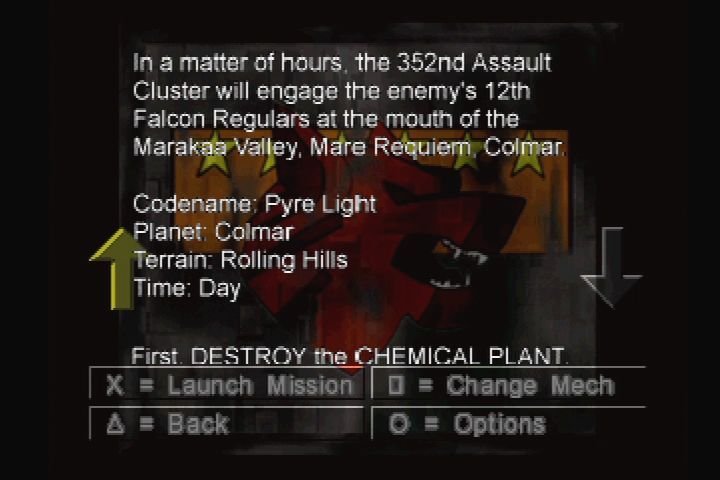
This choice dictated your campaign path, your available Mechs, and the specific brand of “honor” you had to uphold while blowing things up. It added a layer of narrative weight that most shooters of the era lacked. You were a MechWarrior striving for a spot in the Bloodname archives. The missions were varied and brutal, taking you from frozen tundras to airless moons where the sound of your own autocannons was muffled by the lack of atmosphere. It was world-building at its finest, making you feel like a small part of a massive, interstellar drama.
It Wasn’t a Shooter, It Was a Sim
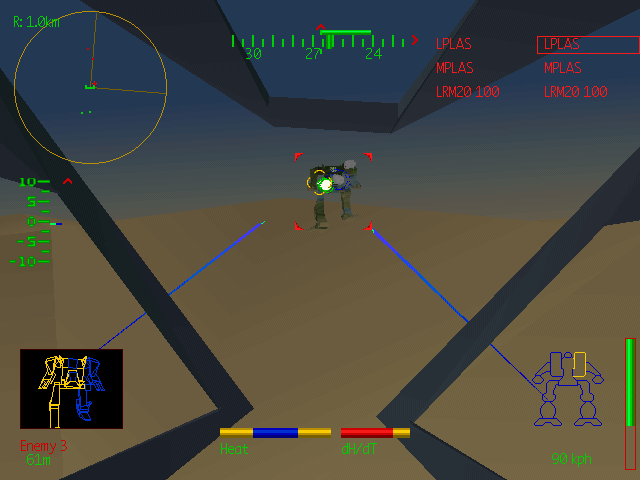
One of the biggest shocks for players coming from Doom or Duke Nukem 3D was that MechWarrior 2 didn’t play by the rules of standard action games. You couldn’t just strafe at sixty miles per hour and circle-strafe your way to victory. This was a simulation. You had to manage your torso twist independently of your legs, a mechanic that is still the hallmark of the series today. If you wanted to run North but shoot East, you had to physically rotate the top half of your machine. This created a steep but incredibly rewarding learning curve.
Then there was the Heat Management system. In most games, you can fire your guns until you run out of ammo. In MechWarrior 2, if you fired your PPCs or ER Large Lasers too quickly, your cockpit would start glowing red, your HUD would warn you of an impending reactor shutdown, and if you weren’t careful, your Mech would literally explode from the inside out. It turned every skirmish into a high-stakes game of resource management. You had to decide if taking that one extra shot to finish off a Hunchback IIC was worth the risk of your reactor going critical in the middle of a desert.
The MechLab
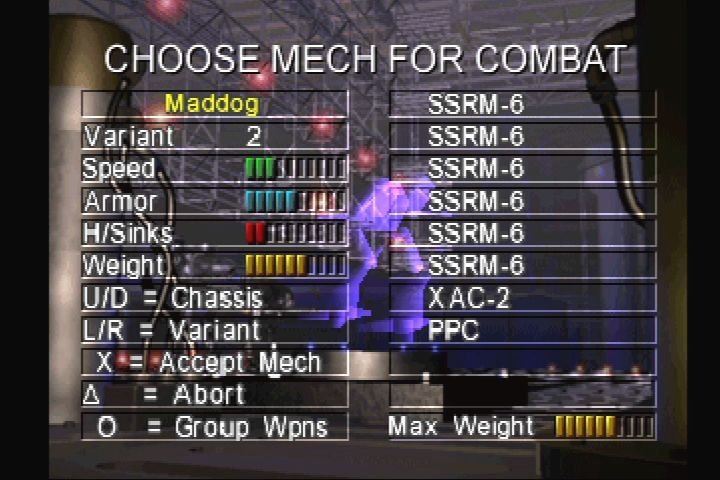
The true soul of MechWarrior 2, however, was in the MechLab. This was where players spent hours—sometimes more than they spent actually playing the missions—tinkering with omni-slots and tonnage limits. The game gave you an incredible amount of freedom to customize your ride. Want to take a Nova and strip off all the lasers to replace them with a single, massive Ultra AC/20? Go for it. Want to pack a Warhawk with as many LRM-20 missile racks as humanly possible and turn yourself into a walking piece of long-range artillery? The choice was yours.
But every choice had a trade-off. Adding more Armor meant you had to sacrifice Jump Jets or Heat Sinks. It was a beautiful, complex puzzle that rewarded players for their tactical creativity. Mastering the MechLab was the difference between being a “Trial of Position” failure and a legendary Khan. You learned to love the sound of clicking components into place, obsessing over critical slots and trying to squeeze one last ton of ammunition into your left leg.
A Soundscape from Another Planet
We cannot discuss this game without bowing down to the soundtrack. Composed by Gregory Alper and Adrien Beard, the music of MechWarrior 2 was a haunting, ambient, and occasionally tribal masterpiece. It didn’t rely on the heavy metal tropes that many action games used at the time. Instead, it used synths and orchestral swells to evoke the feeling of being isolated on a foreign moon, miles away from civilization, inside a metal coffin. The music shifted to match the intensity of the combat, but it always maintained a sense of alien mystery.
And then there was “Bitching Betty,” the voice of the on-board computer. Her calm, detached reporting of your critical damage added a chilling sense of realism to the chaos of battle. Hearing “Left Arm Blown Off” or “Internal Damage, Center Torso” in that monotone voice made the stakes feel personal. It was a piece of your machine being ripped away, leaving you vulnerable and desperate.
The Technical Pioneer and NetMech
For its time, MechWarrior 2 was a technical powerhouse. It was one of the early adopters of 3D hardware acceleration. If you were lucky enough to have a 3dfx Voodoo card, the game went from looking like a collection of flat, untextured polygons to a smooth, filtered wonderland. It felt like living in the future. It was also a pioneer in multiplayer gaming via the NetMech expansion, allowing players to duel each other over 14.4k modems. While the lag was often legendary and the connection dropped if someone picked up the house phone, the thrill of outmaneuvering a real human opponent in a Dire Wolf was unmatched. It was the wild west of online gaming, and for many of us, it was our first taste of competitive play.
The Expanding Universe: Ghost Bear and Mercenaries
The success of 31st Century Combat led to two massive follow-ups. Ghost Bear’s Legacy took the Clan combat even further, introducing new Mechs like the Kodiak and more specialized missions. But it was MechWarrior 2: Mercenaries that truly perfected the formula for many. Switching from the rigid honor codes of the Clans to the “money talks” world of an Inner Sphere Mercenary Company changed the game entirely. Now, you had to worry about repair bills, salvage rights, and payroll. It added a layer of economic strategy that made every bullet feel like it was coming out of your bank account. Between the three titles, the MechWarrior 2 engine provided hundreds of hours of tactical depth that defined the genre for a decade.
A Legacy That Stands Tall
While the graphics have obviously aged (though the clean, minimalist aesthetic still has a certain charm), the core gameplay of MechWarrior 2 remains incredibly solid. It set the standard for every Mech game that followed, from the simulation-heavy MechWarrior 3 to the modern-day MechWarrior 5: Mercenaries and the turn-based BattleTech by Harebrained Schemes.
Even now, fans are finding ways to run the original game on modern systems using DOSBox or specialized wrappers because nothing else quite captures that specific 1995 Clan vibe. It was an entry point into a massive, sprawling universe that many of us never left. It taught us about honor, about resource management, and about the simple joy of hearing a reactor go critical.
Final Thoughts for the Modern Pilot
If you’ve never played MechWarrior 2, or if you only know the series from its modern iterations, it is well worth looking back at the 31st Century Combat. It represents a time when developers weren’t afraid to make a game complex and demanding. It respected the player’s intelligence and rewarded their patience. Whether you’re there for the political intrigue of the Clans, the obsession with weapon heat-cycles, or just the simple joy of watching a Mad Dog collapse after a perfectly placed leg shot, MechWarrior 2 is a masterpiece of digital iron. So, power up those reactors, check your target acquisition, and remember: in the 31st century, the only thing cheaper than life is the ammo you use to end it.