
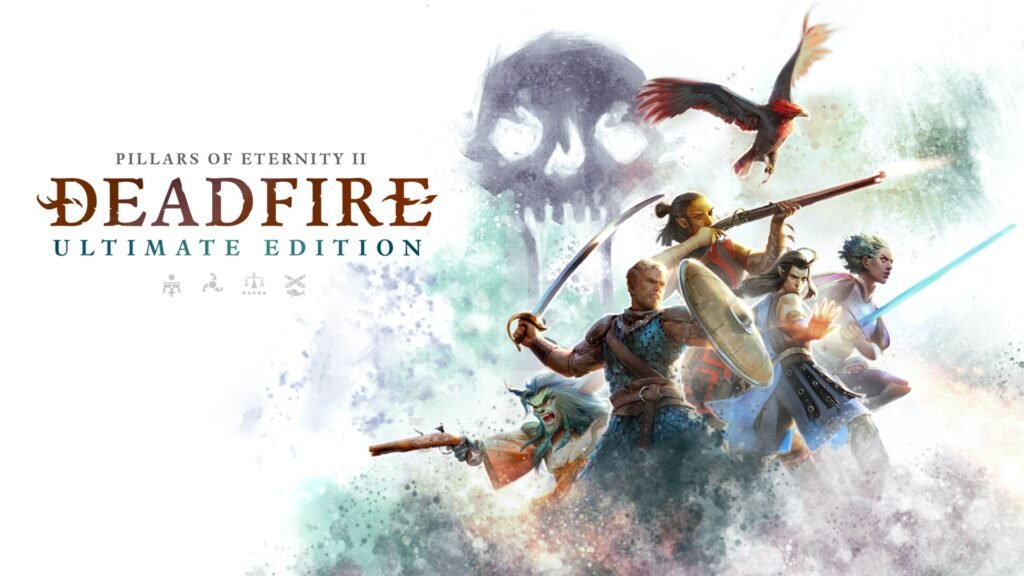

Imagine waking up on a Tuesday morning only to discover that a giant green adra statue has burst out from beneath your castle, crushed your home, and literally sucked out a massive chunk of your soul. To make matters worse, the local gods decide to conscript you as their personal bounty hunter, telling you to chase this overgrown lawn ornament across a massive, tropical archipelago. Welcome to the opening act of Pillars of Eternity II: Deadfire, a game that takes the traditional, sometimes stuffy fantasy tropes of the classic cRPG genre and throws them directly into a blender filled with rum, sea salt, and high-stakes political intrigue.
Developed by the legendary team at Obsidian Entertainment, Deadfire is a direct sequel to the original Pillars of Eternity, but it swaps out the gloomy, rain-slicked castles of Dyrwood for the sun-drenched, pirate-infested waters of the Deadfire Archipelago. It is a bold, beautiful, and staggering achievement in role-playing design that sadly never quite got the massive commercial spotlight it deserved back when it launched. If you missed out on this gem, or if you are sitting on the fence wondering if it is worth the dozens of hours it demands, let me convince you why this island-hopping adventure deserves a permanent spot in your gaming library.
Navigating the Political Powder Keg
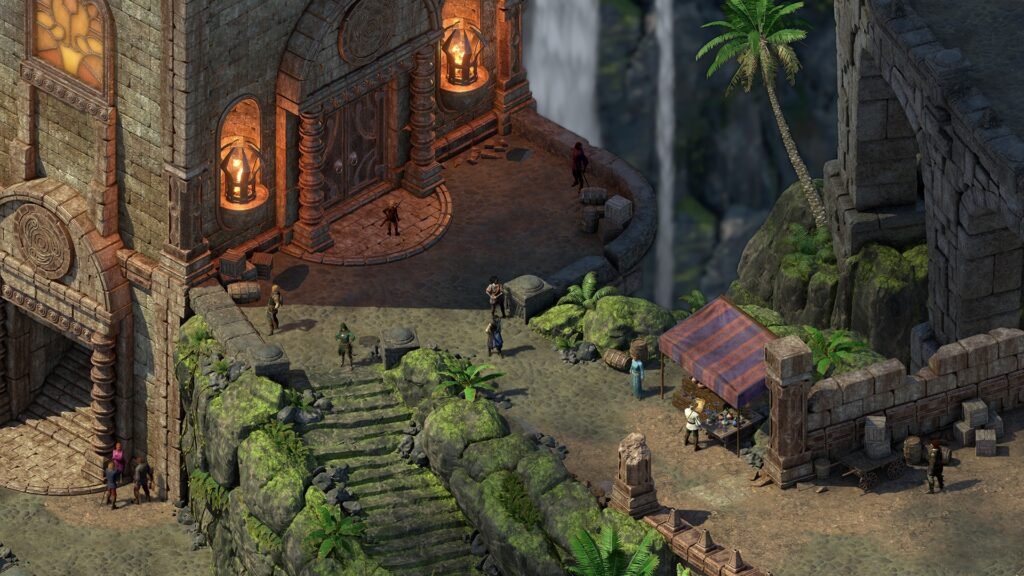
Right off the bat, the most striking shift in Deadfire is its immaculate setting. Most isometric role-playing games lean heavily into medieval European aesthetics, giving us endless forests, damp dungeons, and grim taverns. Obsidian decided to do something completely different here. The Deadfire Archipelago is a vibrant, sprawling network of islands bursting with color, distinct cultures, and a tangible sense of history. You are not just exploring a fantasy wasteland; you are navigating a complex geopolitical powder keg.
The world-building shines brightest through the factions vying for control of the region. On one side, you have the Príncipe sen Honn, a loose confederation of old-school pirates who view the archipelago as their personal treasure chest. Then you have the Vailian Trading Company, a group of hyper-capitalist merchants who want to extract every ounce of magical resource from the land in the name of progress and profit. They are constantly clashing with the Royal Deadfire Company, an aggressive military expansionist force representing a distant empire. Caught in the middle of all this are the Huana, the indigenous people of the islands who are trying desperately to maintain their traditional way of life and sovereignty against these encroaching colonial superpowers.
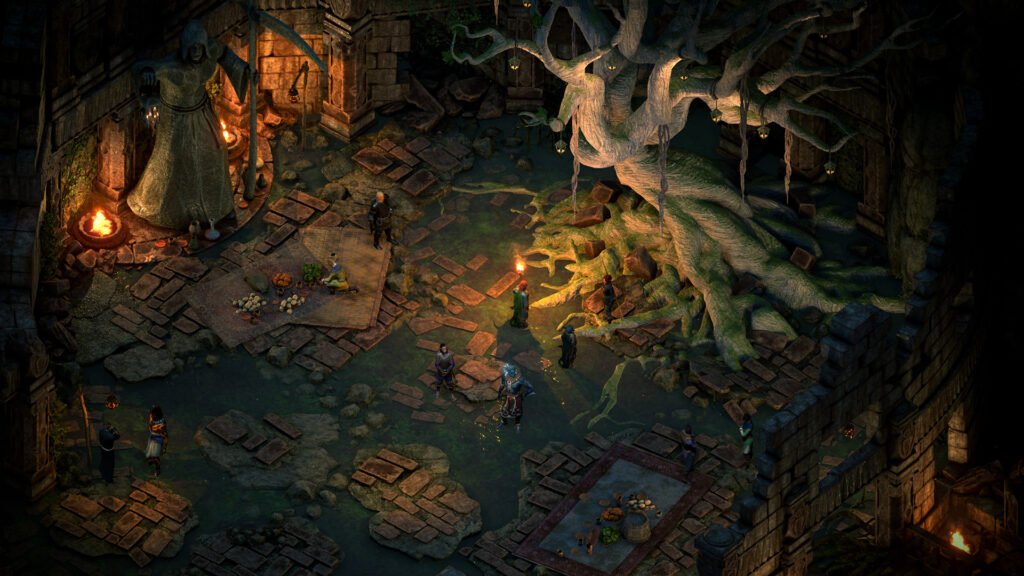
What makes this setup so brilliant is that Obsidian refuses to paint any group with a purely heroic or villainous brush. Every single faction has completely valid points, deeply flawed leadership, and unsettling internal dark sides. As the Watcher—a person who can read and speak to the souls of the dead—you are constantly forced to referee their disputes, cut backroom deals, or make decisions that will reshape the economic and cultural future of the entire region. The writing is incredibly sharp, witty, and mature, delivering the kind of moral ambiguity that makes you genuinely stare at your monitor for five minutes straight just trying to weigh the consequences of a dialogue choice.
Life on the High Seas
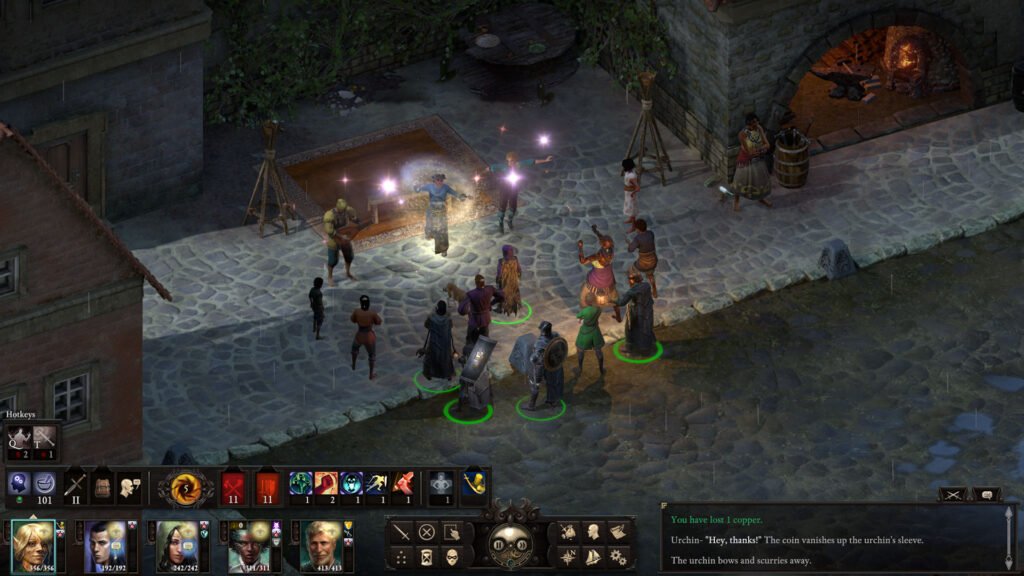
Of course, you cannot navigate a massive island chain without a proper ride, which brings us to one of Deadfire’s most unique additions: your very own pirate ship. Early in the story, you take command of a vessel called the Defiant, which acts as your mobile base of operations, your primary mode of transportation, and a home away from home for your crew. You have to manage your ship like a true captain, which means hiring crew members, assigning roles like cooks, surgeons, and cannoneers, and keeping everyone fed and hydrated. If you try to feed your crew nothing but hardtack and stagnant water for weeks on end, do not be surprised when a mutiny breaks out on deck. Giving them fresh fruit, fine ale, and singing sea shanties keeps morale high and ensures your ship runs like a well-oiled machine.
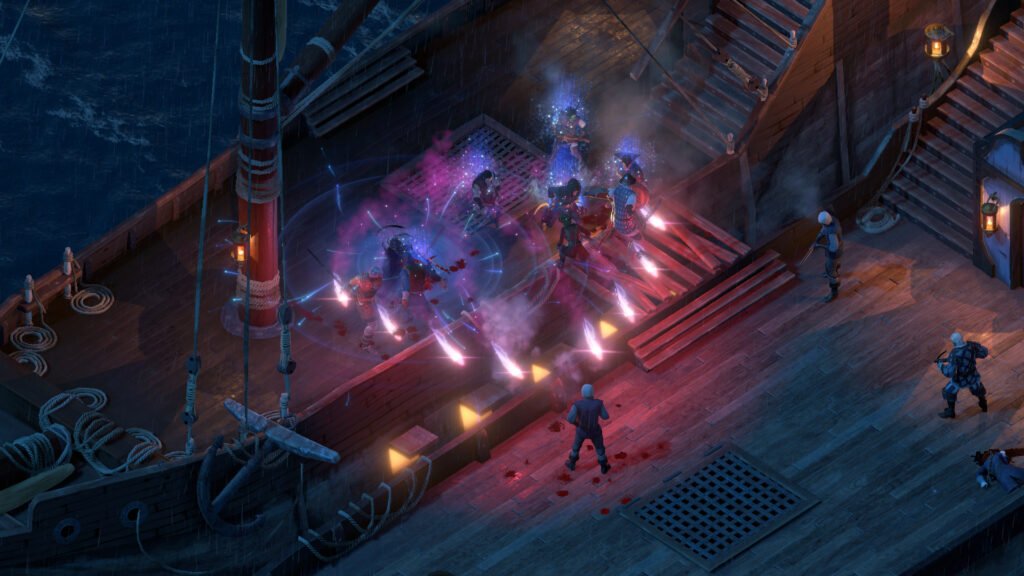
Sailing across the world map shifts the game into a charming, text-based exploration mode where you can discover hidden shipwrecks, uncharted islands, and mysterious ruins. When you cross paths with an enemy vessel, the game initiates a unique text-based ship combat system. It plays out almost like a choose-your-own-adventure tabletop game where you manage distances, jibe your ship to line up cannon salvos, and try to disable the enemy before they can ram you. If text management isn’t your vibe, you can always choose to close the distance and board the enemy ship, which immediately drops you into a chaotic, full-scale deck-to-deck brawl using the game’s standard tactical combat system.
The Mechanics of Mayhem
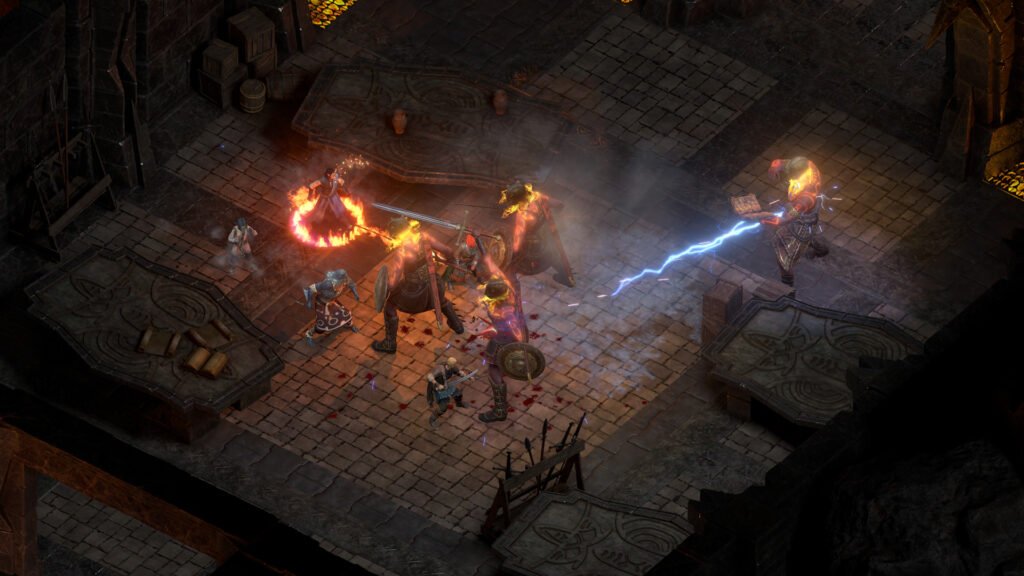
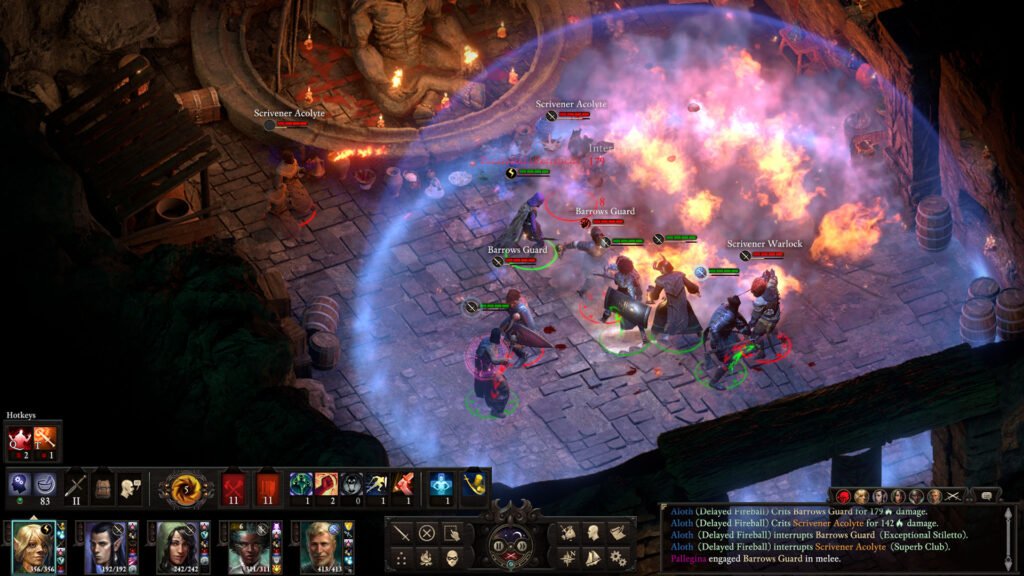
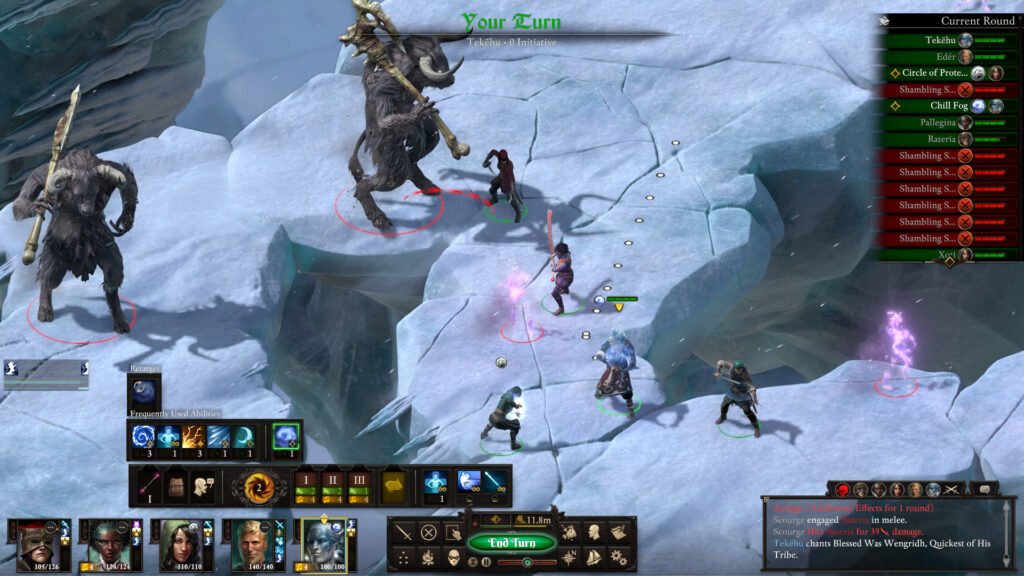
Speaking of combat, Deadfire completely refines the mechanics of its predecessor. The game utilizes a Real-Time with Pause system, allowing you to let actions play out naturally or freeze time at any second to micro-manage your party’s abilities, spells, and positioning. However, recognizing that a lot of modern RPG fans prefer a more deliberate pace, Obsidian later patched in a fully fleshed-out Turn-Based Mode. This completely changes the rhythm of the game, turning every encounter into a chess match where initiative, action economy, and area-of-effect templates matter immensely. Having both options fully integrated means you can play the exact type of RPG you want.
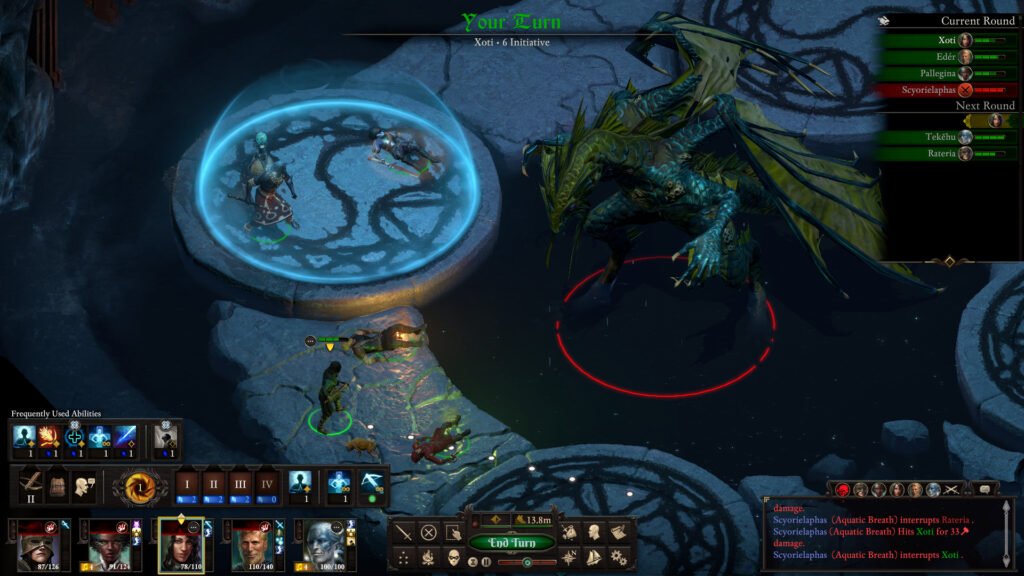
The character customization and progression systems are an absolute playground for theorycrafters. Deadfire introduced a robust multiclassing system that lets you combine any two character classes into a brand-new hybrid archetype with its own unique title. Want to mix a stealthy Rogue with a spell-slinging Wizard to create a lethal Spellsword? Go for it. Want to pair a fury-driven Barbarian with a holy Paladin to build a chaotic, self-healing juggernaut? The game encourages that level of experimentation. When you add subclasses into the mix—which offer powerful passive benefits at the cost of distinct penalties—the sheer number of viable, wildly different character builds is staggering.
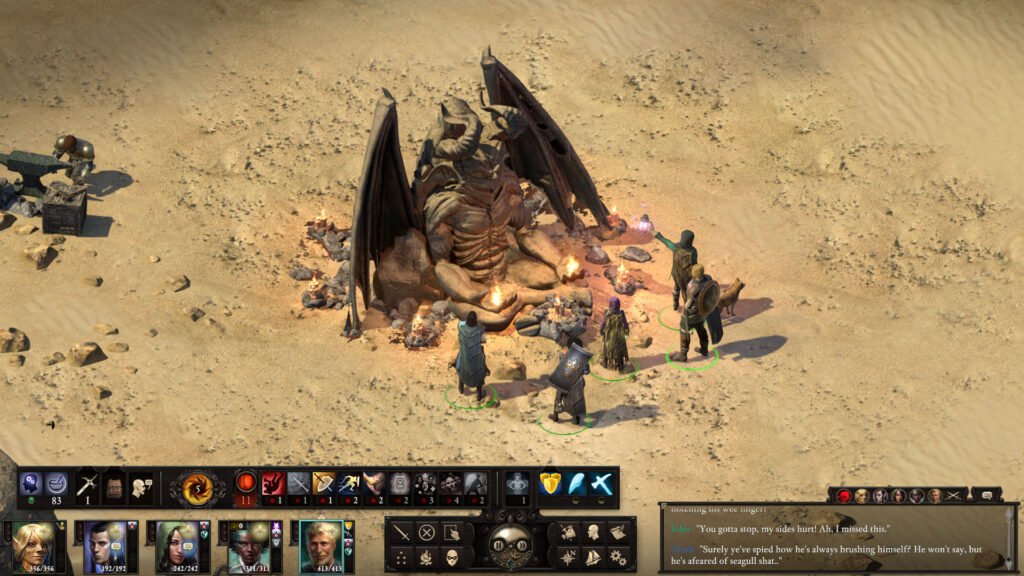
Your companions also breathe an incredible amount of life into this mechanical sandbox. Obsidian has always been masterful at writing party members, and Deadfire’s roster is top-tier. You get to hang out with returning favorites like Eder, the lovable, animal-adoring fighter who provides a grounded, weary perspective on the world’s madness. Then there are fascinating new faces like Xoti, a priestess of the Gaun who harvests the souls of the dead with a literal sickle, or Tekehu, a flamboyant watershaper who views himself as a living god. These characters do not just stand idly by; they react dynamically to your choices, pipe up during conversations, and even develop deep friendships or bitter rivalries with one another based on your party’s overall behavior.
Chilling Horrors in Beast of Winter
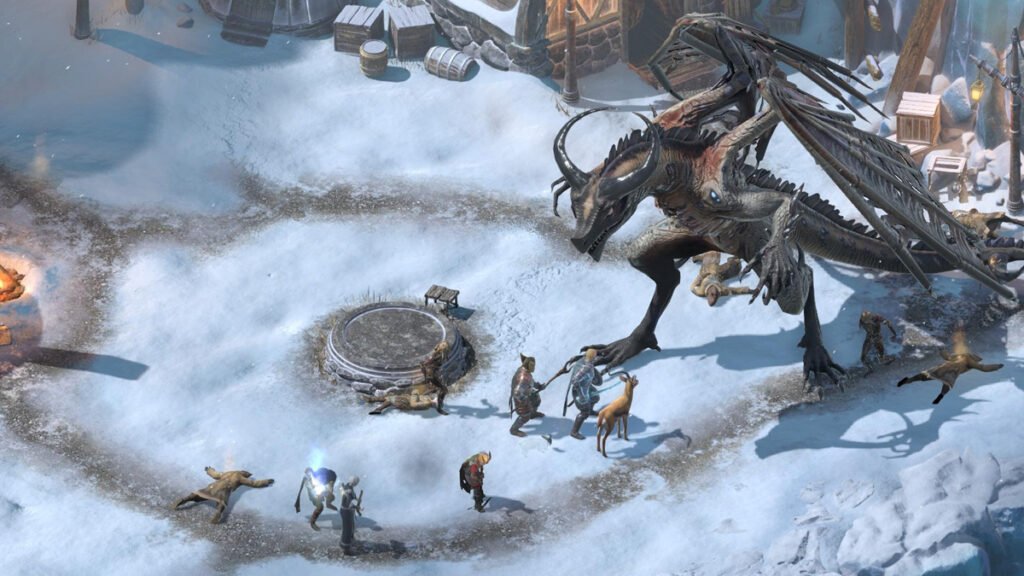
The core campaign is massive on its own, but the journey becomes truly monumental when you factor in the game’s trilogy of expansion packs, starting with Beast of Winter. This DLC takes a sharp turn away from the tropical sun and plunges you into the southernmost, frozen fringes of the map to visit a village built entirely on a floating iceberg. This icy expanse is populated by a grim cult of Doomsayers who worship Rymrgand, the terrifying god of entropy, famine, and winter. The cultists enthusiastically welcome you as a harbinger of the apocalypse, but the celebration is cut short by a colossal dragon that can cheat death itself. Beast of Winter stands out because it pulls you out of the mortal realm and throws you directly into the White Void, a realm of fractured memories and cosmic dread. It features some of the deepest lore expansions in the entire series, allowing you to converse with historical ghosts, dead kings, and fallen saints to unravel ancient religious mysteries while fighting through an incredible atmosphere of existential isolation.
The Ultimate Crucible in Seeker, Slayer, Survivor
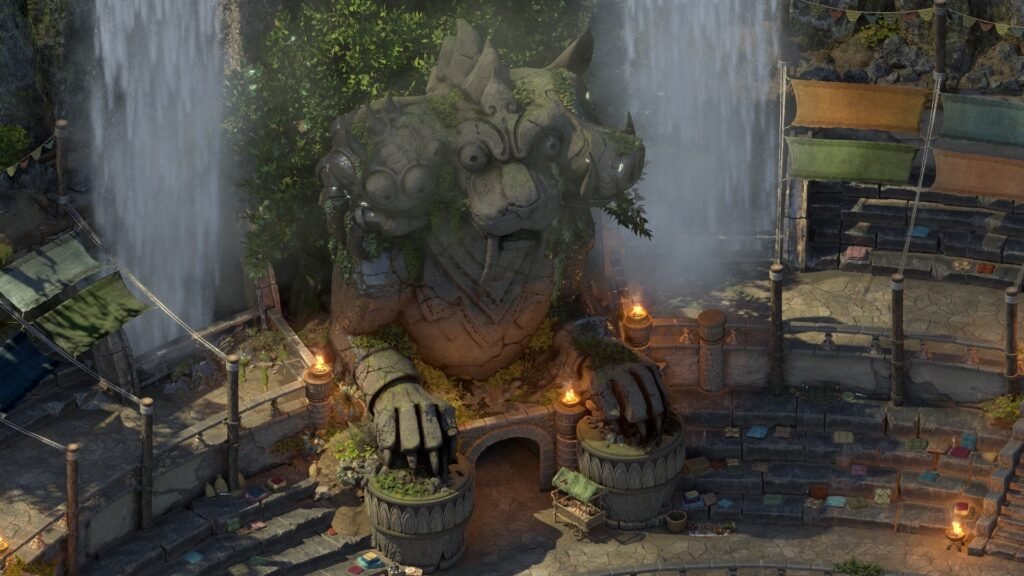
If the cosmic dread of the frozen wastes makes you yearn for a good old-fashioned scrap, the second expansion, Seeker, Slayer, Survivor, shifts gears entirely toward tactical mastery. This DLC drops your crew onto the remote island of Kazuwari, home to an ancient gladiator arena known as The Crucible. Here, you are tested by an aspect of Galawain, the brutal god of the hunt. Rather than spinning a web of political intrigue, this expansion is a pure, unapologetic celebration of the game’s mechanics, forcing you to compete in over two dozen hyper-specific arena trials. You have to sacrifice legendary artifacts into a magical pool to unlock combat challenges that are structured around three philosophies. The Seeker trials demand you analyze and exploit hyper-specific enemy weaknesses; the Slayer trials throw you into the meat grinder against massive, ferocious apex wildlife; and the Survivor trials force you to outlast grueling, endless waves of attrition. It is easily the most challenging combat content in the game, acting as the ultimate test for your finely tuned multiclass builds.
Forbidden Knowledge in The Forgotten Sanctum
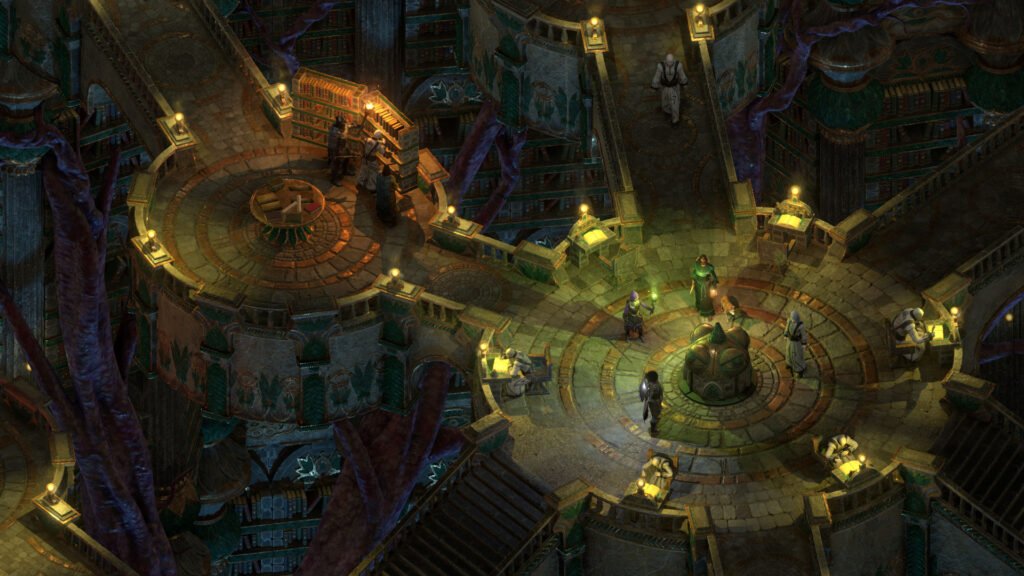
Finally, the trilogy reaches a spectacular, dark conclusion with The Forgotten Sanctum, an expansion that satisfies the ultimate dungeon-crawling itch. When a violent tremor ripples across the archipelago, Eora’s most powerful, eccentric wizards invite you to the Black Isles to explore the Hall of the Unseen—a massive, terrifying library archive built directly into the organic, pulsing flesh of a sleeping god. A rogue archmage named Maura has gone missing in the deep vaults, threatening to awaken a world-ending secret that the god of mysteries, Wael, wanted buried forever. The Forgotten Sanctum plays like a tense, atmospheric sci-fi horror story wrapped in high-fantasy robes. You are forced to deal with the petty, sociopathic whims of the Circle of Archmagi, navigate bizarre flesh-growth puzzles, and endure some of the most punishing, laser-spewing boss encounters Obsidian has ever devised. The moral choices here are exceptionally heavy, forcing you to decide whether forbidden knowledge is worth preserving when the price is human sanity.
The Verdict on the Voyage
From a visual standpoint, the base game and its expansions are an absolute feast for the eyes. The game utilizes gorgeous, pre-rendered backgrounds that are enhanced with modern dynamic lighting, highly detailed water physics, and lush weather effects. Watching palm trees sway violently during a tropical storm while the waves crash against a stone pier is incredibly atmospheric. The UI is clean, the spell effects are dazzling without being completely blinding, and the voice acting is stellar, featuring a massively talented cast including many veterans from the Critical Role tabletop series.
Ultimately, Pillars of Eternity II: Deadfire is a love letter to the golden era of isometric role-playing games that isn’t afraid to chart its own course. It takes the deep, complex mechanical soul of old-school PC games and wraps it in a modern, accessible interface with unparalleled atmospheric world-building. Whether you are in it for the tactical thrill of building the ultimate multiclass character, the management joy of commanding a pirate crew, or the narrative satisfaction of steering the political destiny of a tropical paradise, Deadfire delivers an unforgettable voyage. Grab your cutlass, hoist the sails, and dive in—the archipelago is waiting.