
Release Date: August 20, 2015 Developer: Harebrained Schemes
Get It On: GOG
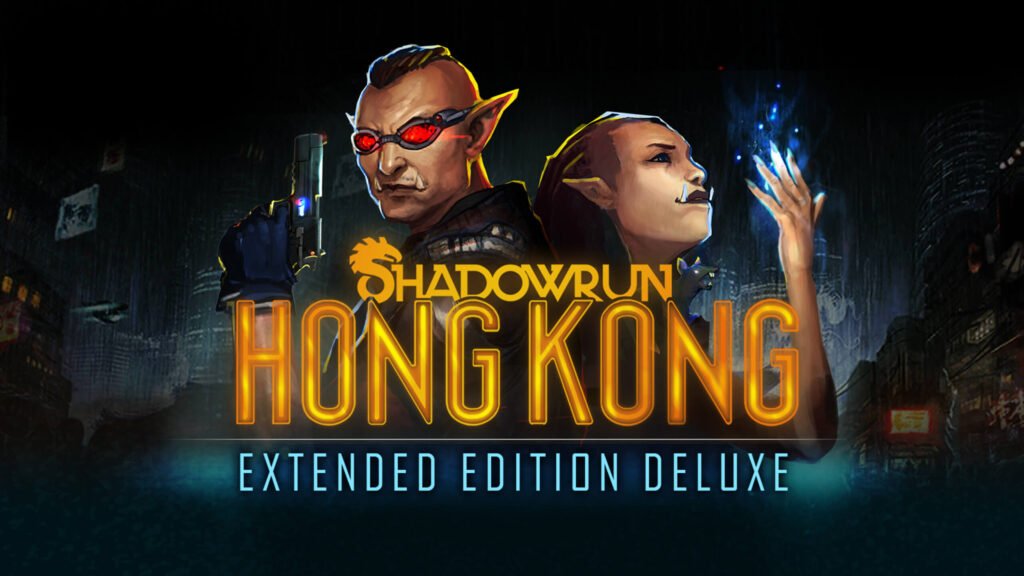
Shadowrun: Hong Kong is one of those games that sucks you into its neon-drenched, spirit-haunted world and refuses to let go. Developed by Harebrained Schemes, this 2015 turn-based tactical RPG is the third standalone entry in the revived Shadowrun series, following Shadowrun Returns and the highlighly acclaimed second game, Shadowrun: Dragonfall. Blending cyberpunk grit with fantasy magic in a way that feels fresh even years later. If you love stories where your choices matter amid corporate conspiracies, street-level intrigue, and high-stakes shadowruns, this one delivers in spades.
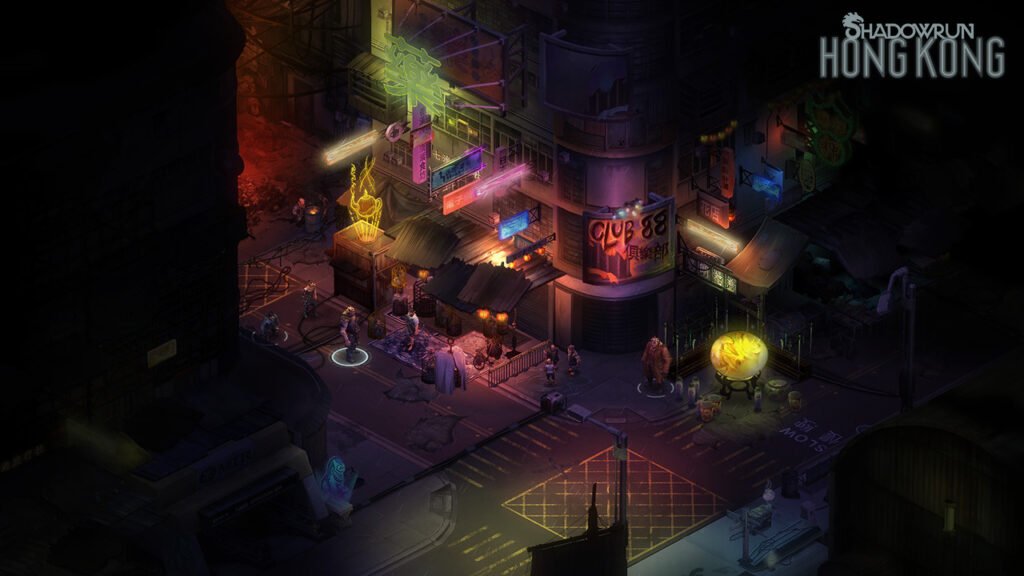
Set in 2056 in the Hong Kong Free Enterprise Zone, the game drops you into a megacity ruled not by governments but by ruthless corporations. It’s a place where gleaming skyscrapers tower over ancient slums, triads pull strings in the shadows, and the Awakening has unleashed wild magic that clashes spectacularly with bleeding-edge cybertech. The setting perfectly captures the Shadowrun essence: high-tech, low-life, with a heavy dose of mystical weirdness. Hong Kong’s unique cultural mix—guanxi networks, triad lore, feng shui influences—makes it stand out from the Seattle-centric earlier games.
You play as a customizable protagonist, an ex-con with a checkered past, summoned back to Hong Kong by your foster father, Raymond Black. What starts as a simple family reunion spirals into chaos almost immediately. You reunite with your foster brother Duncan Wu, get caught in a deadly ambush, and end up framed as terrorists. Forced to burn your SIN (your legal identity) and go underground, you team up with the Yellow Lotus Triad and a ragtag crew of shadowrunners to survive, uncover the truth, and take on powerful enemies.
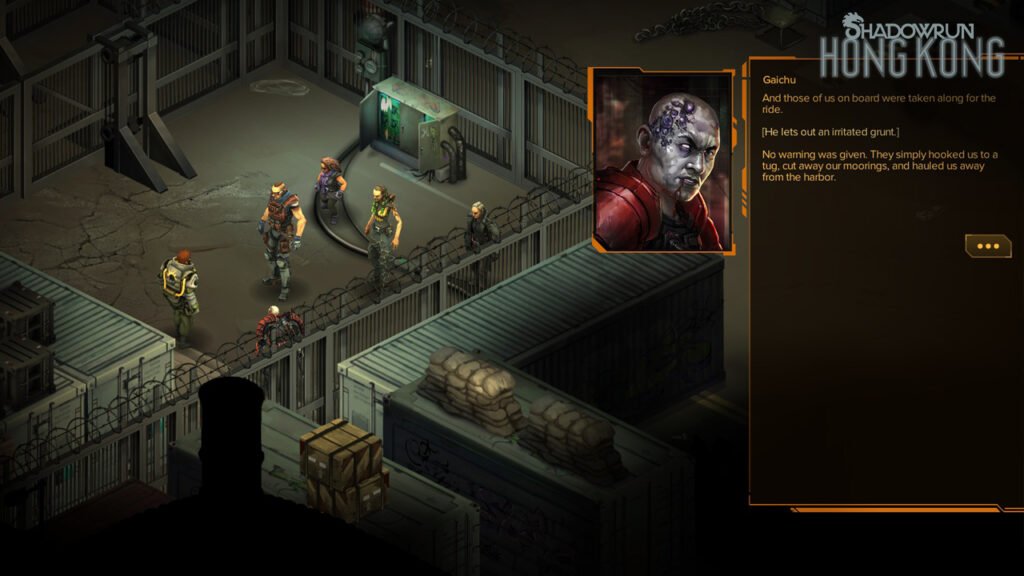
The story is the real star here. Harebrained Schemes excels at sharp, flavorful writing that brings the world to life through dialogue trees rich with etiquette options, charisma checks, and branching paths. Your crew includes memorable characters like Gobbet (a rat-shaman ork with attitude), Is0bel (a dwarf decker), Racter (a rigger with his quirky drone Koschei), and the intriguing ghoul assassin Gaichu. Their personal stories and loyalty missions add emotional depth, making you care about these misfits as you navigate moral gray areas. The main plot dives into family secrets, corporate greed, ancient evils leaking from the Kowloon Walled City, and nightmare-inducing Yama Kings. It’s not always perfectly paced—some sections feel talk-heavy—but the twists, atmosphere, and multiple endings keep it engaging.
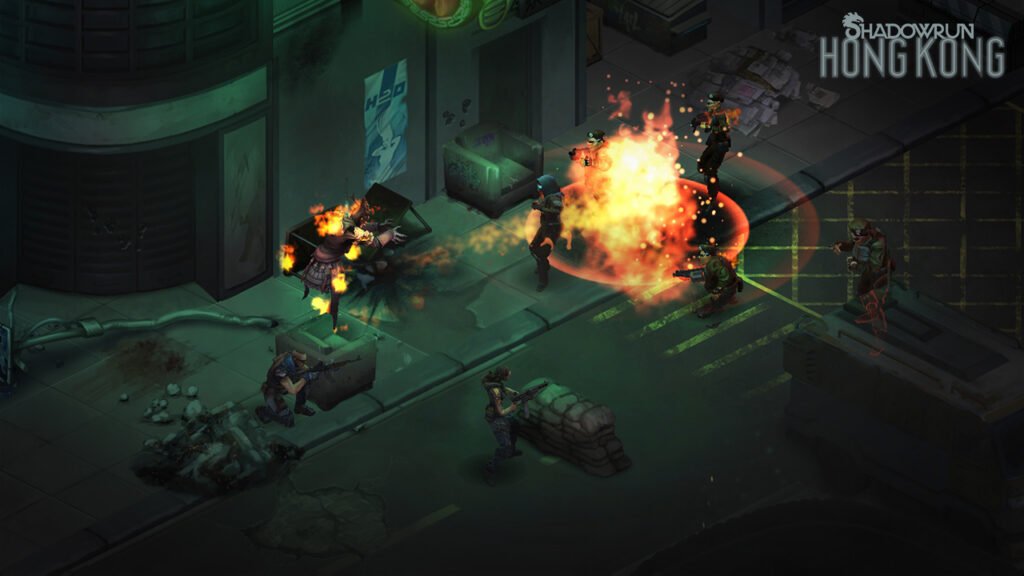
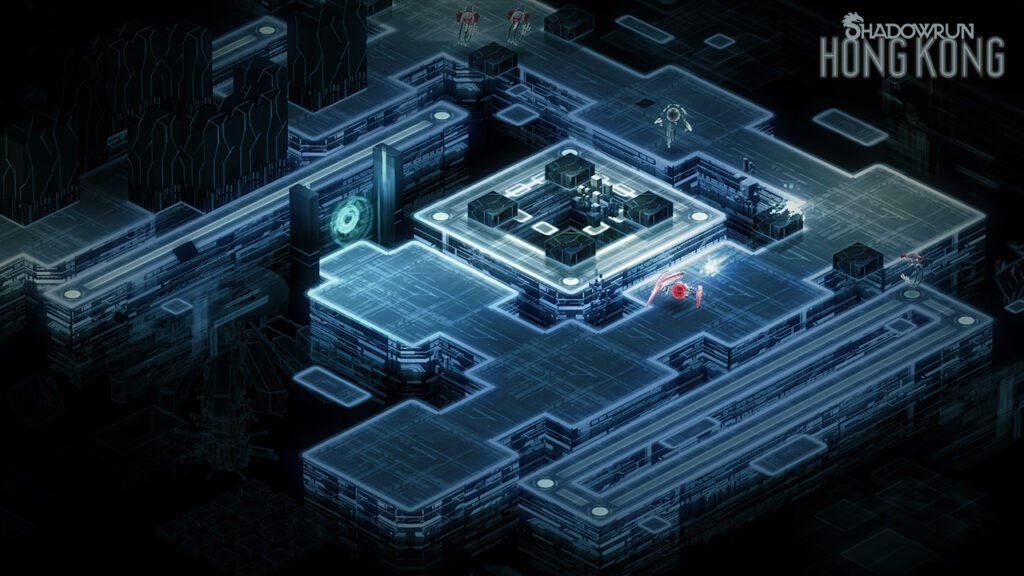
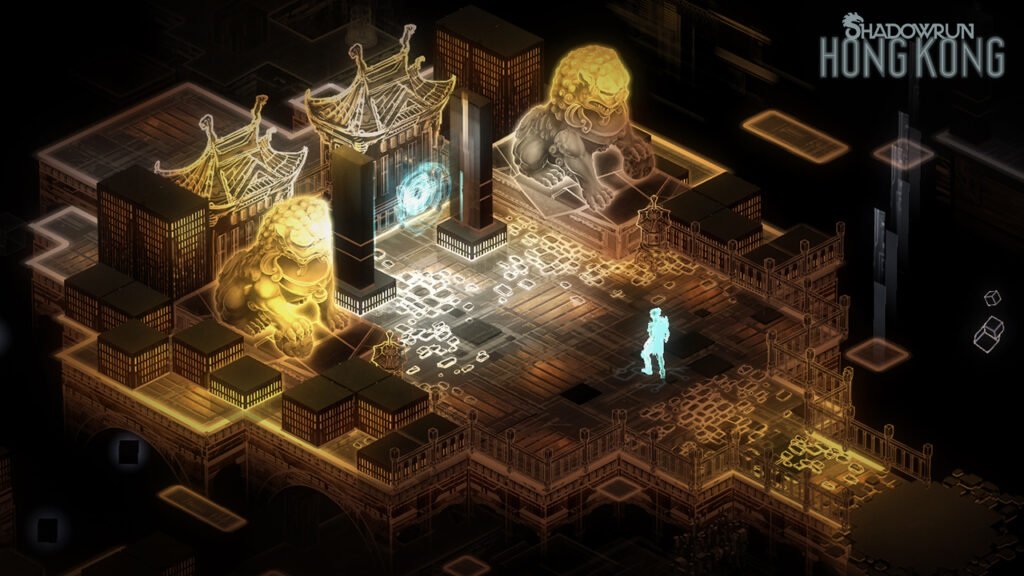
Gameplay sticks close to the series formula but refines it nicely. Turn-based tactical combat uses action points for movement, shooting, spellcasting, or hacking. Positioning behind cover, coordinating abilities, and exploiting weaknesses (like drones vs. spirits) create satisfying firefights. The revamped Matrix is a big highlight—hacking feels more like a puzzle-filled stealth experience rather than a simple mini-game. Magic users summon spirits, street samurai tank damage with cyberware, and deckers disrupt enemy systems. Character progression via karma lets you specialize or go jack-of-all-trades, and your backstory and skills open unique dialogue or mission options.
Harebrained Schemes funded extra polish through a successful Kickstarter, adding illustrated cutscenes, dynamic music, improved inventory, new cyberware, and more. The Extended Edition (free for owners) throws in the excellent Shadows of Hong Kong bonus campaign—another 5-6 hours of content pitting you against corporate forces in high-stakes runs. It’s a great epilogue that expands on the themes without overdoing the supernatural elements.
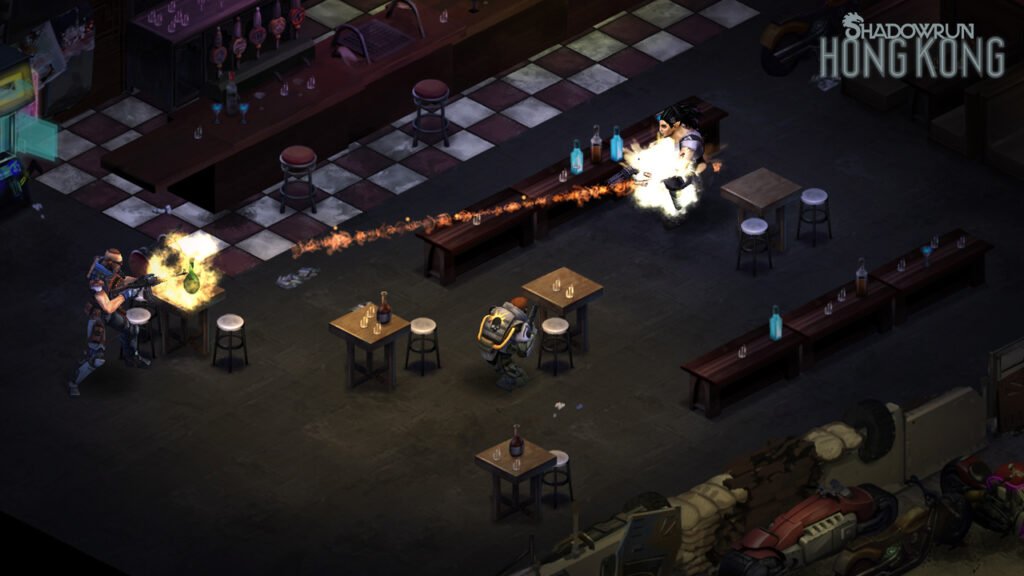
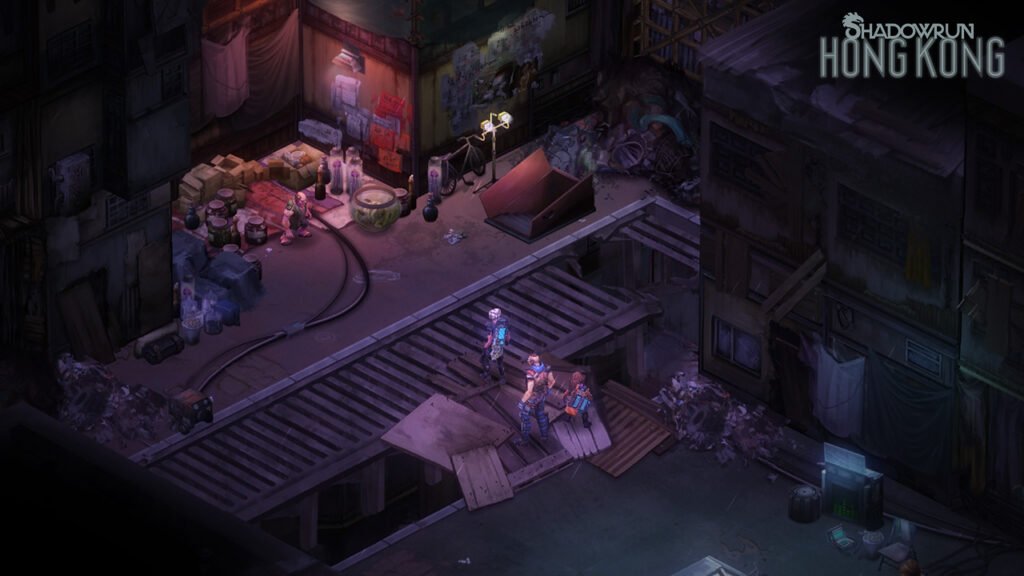
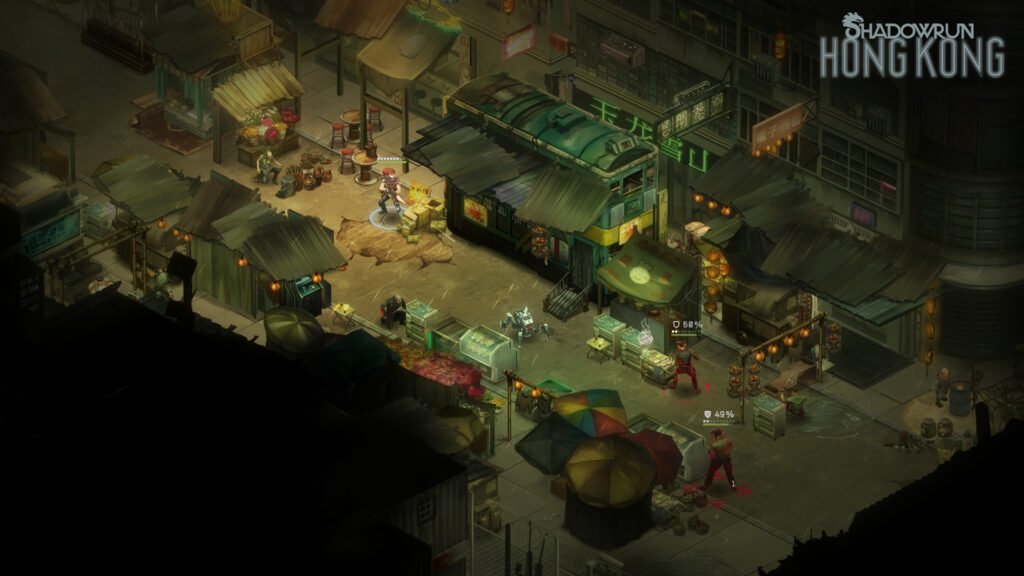
Visually, the isometric view pops with detailed environments—from bustling hubs like Heoi (your boat-based safehouse) to the claustrophobic, spirit-twisted Walled City. The art direction nails that cyberpunk-noir vibe with rain-slicked streets, holographic ads, and eerie astral overlays. Sound design and music enhance the immersion, shifting dynamically during combat.
Compared to Shadowrun Returns and Dragonfall, Hong Kong feels like a confident evolution. It builds on the strong writing and combat while introducing a vibrant new locale and refined mechanics. Some critics noted it doesn’t revolutionize the formula and can be dialogue-heavy, but for fans of story-driven CRPGs, that’s part of the charm. Playtime clocks in around 15-20 hours for the main story, 30-40+ with sides and the expansion—plenty of value, especially at budget prices today.
The game also includes a robust level editor, letting the community create and share custom campaigns. This has kept the title alive with mods and fan content long after launch. Ports to consoles (Switch, PS4/5, Xbox) in later years made it accessible to even more players.
In a world of flashy AAA titles chasing trends, Shadowrun: Hong Kong stands as a love letter to classic CRPGs. It respects player intelligence with meaningful choices, deep lore, and tactical depth. Whether you’re new to the series or a veteran runner, diving into Hong Kong’s shadows offers a thrilling mix of gunfights, hacks, spells, and hardboiled conversations. The blend of triads, megacorps, magic, and tech creates endless replayability through different builds and paths.
If you’re craving a narrative-heavy tactical RPG with heart, humor, and high tension, fire up Shadowrun: Hong Kong. It’s proof that Harebrained Schemes knew exactly how to capture the spirit of the tabletop original while making it shine on PC (and beyond). Grab your smartgun, slot some cyberware, and get ready to run the shadows—chummer, the streets of Hong Kong are calling.