

It is a bittersweet day for fans of the “AA” gaming space. For nearly two decades, the French studio Spiders has been the scrappy underdog of the RPG world, consistently punching above its weight class with games that were often rough around the edges but always bursting with heart. With the official announcement that the studio is closing its doors following the financial insolvency of its parent company Nacon, it feels like the end of a very specific era of game development. This wasn’t a studio that tried to be Ubisoft or BioWare; they were content being Spiders, a team that loved weird settings, complex moral choices, and—if we are being honest—a healthy dose of “charming jank.”
The Origin Story: From Silverfall to Spiders
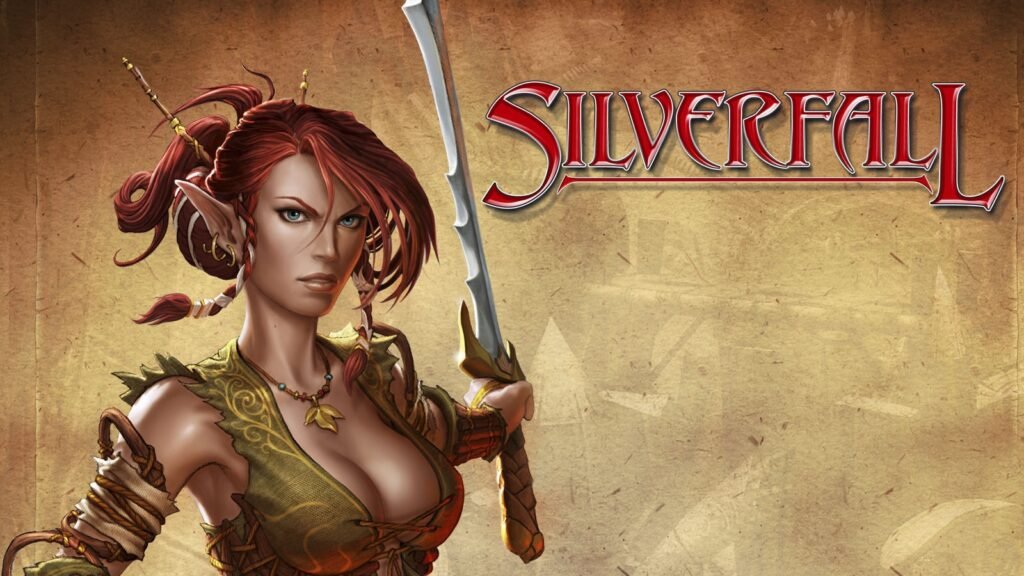
The story of the studio begins in 2008, back in the bustling streets of Paris. A small group of developers at Monte Cristo Multimedia had just finished working on an action-RPG called Silverfall. While that game was a decent enough hack-and-slash, the team behind it wanted something more. They wanted to build a studio that specialized in narrative-driven role-playing games, the kind where your choices actually shifted the world around you. Leading this charge was Jehanne Rousseau, a name that would eventually become synonymous with the studio’s identity. Alongside co-founders like Wilfried Mallet and Walid Miled, Rousseau established Spiders with a vision to create ambitious worlds on a budget that would make a AAA executive sweat.
The early years were a grind, as most independent ventures are. The team spent a lot of time doing “work-for-hire” projects to keep the lights on, often collaborating with fellow French developer Focus Home Interactive and Cyanide Studio. You could see the early DNA of the studio even then—they weren’t just programmers; they were world-builders. They even developed their own proprietary tech, the Silk Engine, which allowed them to iterate quickly and keep their unique visual style consistent across different platforms. It was this resourcefulness that allowed a relatively small team of fewer than 100 people to put out a library of games that rivaled much larger studios in sheer scale.
The Early Projects: Sherlock and Faery
One of the studio’s first major tasks involved helping out with the Sherlock Holmes series. They provided technical support and porting work for titles like Sherlock Holmes: The Awakened and Sherlock Holmes Versus Jack the Ripper. While these weren’t “Spiders games” in the creative sense, they gave the team the stability they needed to launch their first original intellectual property. That first swing at something unique was Faery: Legends of Avalon, a turn-based RPG released in 2010. It was a strange, whimsical little game where you played as an elf or a fairy, flying around a series of magical realms. It wasn’t a world-beater, but it showed that Jehanne Rousseau and her team weren’t afraid to step away from the standard “gritty medieval” tropes that dominated the era.
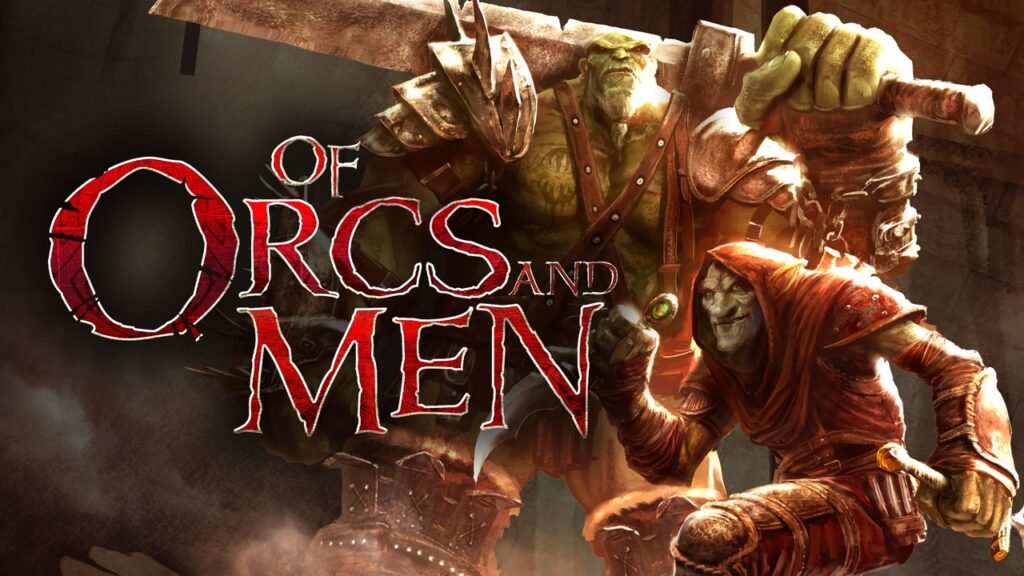
Following Faery, the studio took a turn toward darker themes by co-developing Of Orcs and Men with Cyanide in 2012. This was a pivotal moment for the studio’s reputation. Instead of playing the typical human hero, you controlled an Orc named Arkail and a Goblin named Styx. It was a “buddy cop” story but with more axes and stealth kills. The game introduced the world to the “Spiders style”—heavy atmosphere, a unique perspective on traditional fantasy, and a combat system that felt just a little bit clunky but was deeply tactical. It laid the groundwork for everything that was to come, proving that they could handle a serious, adult narrative with complex characters.
The “Mars” Era: Finding Their Voice
In 2013, the studio finally stepped into the spotlight with Mars: War Logs. This was their first real attempt at a sci-fi epic, and they did it with a budget that was basically pocket change compared to something like Mass Effect. The game took place on a colonized Mars where water was the ultimate currency and different factions fought for control of the planet’s dwindling resources. You played as Roy, a prisoner of war who gets caught up in a grand conspiracy. It was “janky” in the way only a 2013 AA game could be—the lip-syncing was questionable, and the environments were repetitive—but the writing was punchy and the world felt lived-in. It was here that people really started to pay attention to what Jehanne Rousseau was doing.
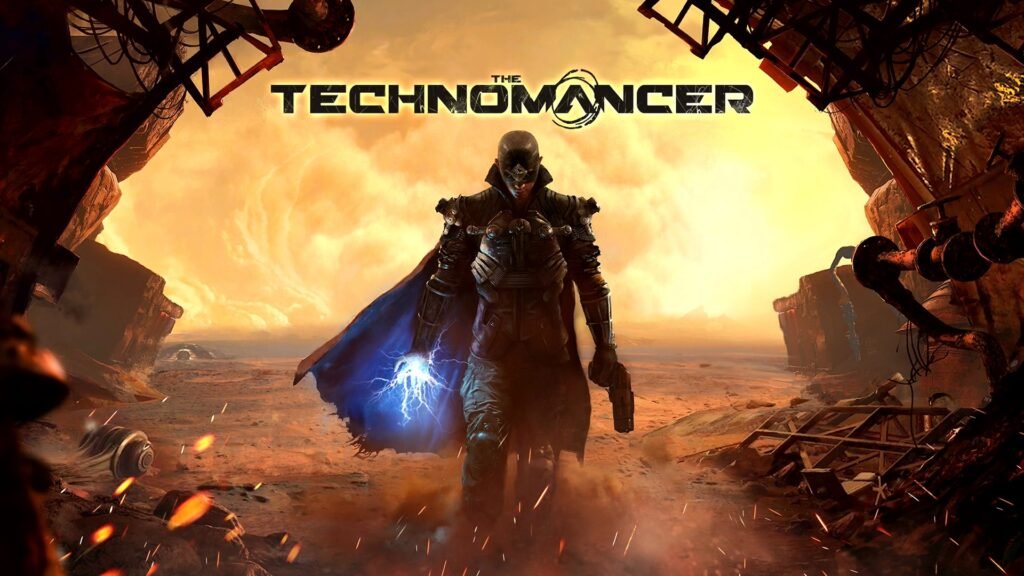
The team liked the Red Planet so much they eventually returned to it with The Technomancer in 2016. Think of this as the “spiritual sequel” to Mars: War Logs, but with a much larger scope and better production values. You played as Zachariah, a rookie Technomancer who could manipulate electricity while navigating a web of corporate espionage and mutant rebellions. The Technomancer was a massive leap forward for the studio in terms of combat mechanics and environmental design. While it still suffered from some of the technical limitations that plagued the Silk Engine at the time, it solidified the studio’s niche: they were the kings of the mid-budget RPG.
The Fantasy Breakthrough: Bound by Flame
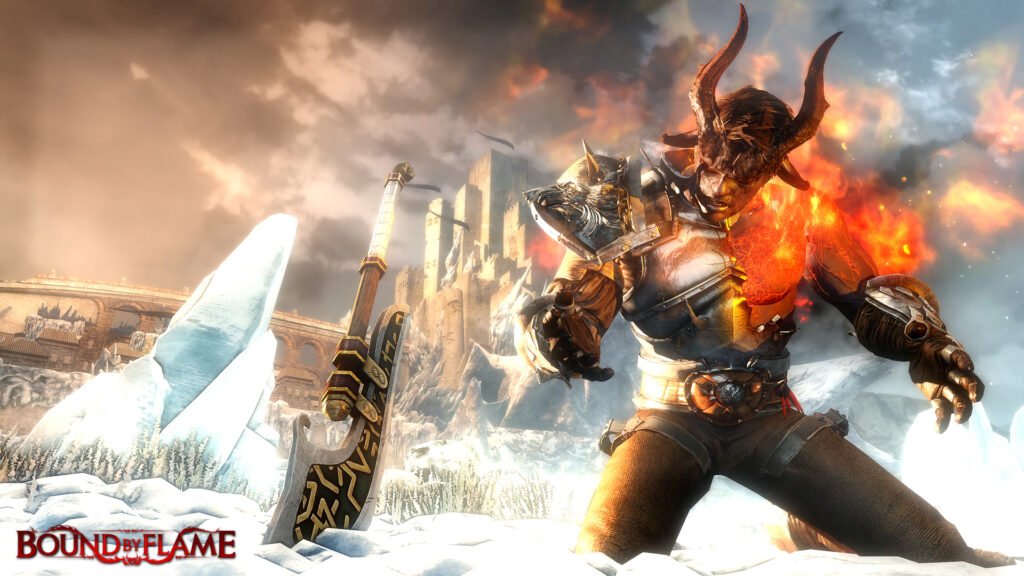
Before they returned to Mars, however, they took a detour into high fantasy with Bound by Flame in 2014. This game is perhaps one of the most divisive in their catalog. You played a mercenary possessed by a fire demon, and you had to choose between keeping your humanity or embracing the demon’s power for strength. It was a classic “good vs. evil” internal struggle, but the combat was notoriously difficult—bordering on punishing. Despite the mixed reviews, Bound by Flame was a commercial success for the studio and Focus Home Interactive, proving that there was a massive audience hungry for these kinds of focused, choice-heavy RPG experiences that weren’t quite as bloated as modern open-world titles.
The Peak: GreedFall and Global Recognition
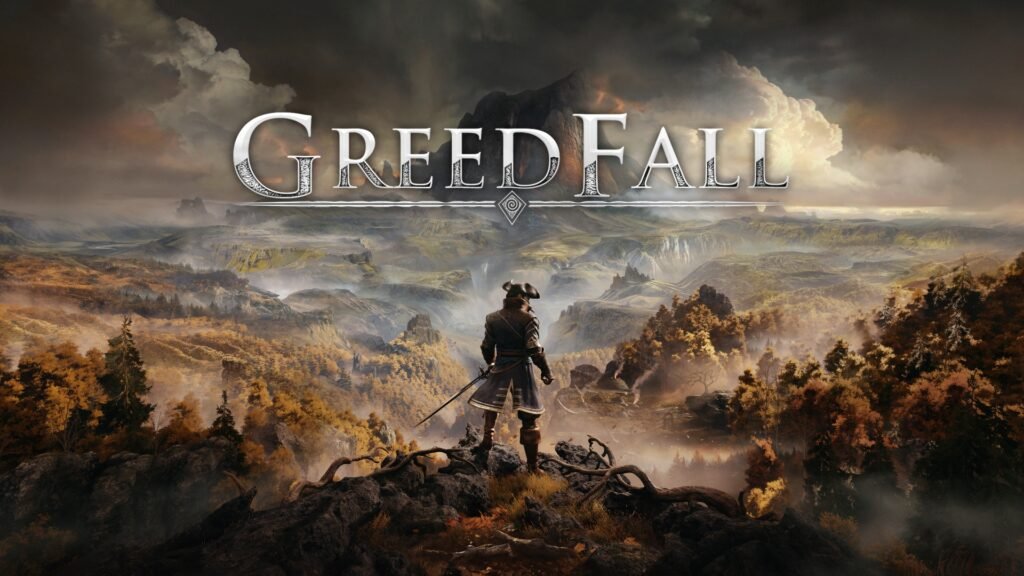
Everything changed in 2019 with the release of GreedFall. If you were a fan of the “Golden Age” of BioWare games like Dragon Age: Origins, this was the game you had been waiting for. Set in a 17th-century-inspired fantasy world, you played as De Sardet, a diplomat traveling to a newly discovered island called Teer Fradee. The game focused heavily on colonialism, diplomacy, and the clash between magic and science. It was a massive hit, selling over two million copies and catapulting Spiders into a new level of fame. Jehanne Rousseau‘s writing was at its absolute best here, creating a world where every faction had legitimate grievances and there were no easy answers to the problems you faced.
The success of GreedFall led to the studio being acquired by Bigben Interactive (which later became Nacon). At the time, it seemed like a dream scenario—more funding, more stability, and more resources to polish their games. They followed up their big hit with Steelrising in 2022, an ambitious “Souls-like” set during an alternate-history French Revolution where King Louis XVI uses an army of clockwork automatons to crush the rebellion. It was a stylish, challenging, and visually impressive game that showed how much the studio had grown technically. It felt like Spiders was finally shedding the “jank” label and becoming a truly top-tier developer.
The Final Act: GreedFall 2 and the Sudden End
That brings us to their final project, GreedFall 2: The Dying World. Released in full just recently in March 2026, the game flipped the script of the original, having you play as a native of Teer Fradee brought back to the “Old Continent.” It was their most ambitious project to date, featuring a revamped tactical combat system and even larger environments. Unfortunately, the studio was caught in the crossfire of Nacon’s financial collapse. Despite the game being a labor of love for Jehanne Rousseau and her team, the insolvency of their parent company meant that no buyer could be found in time to save the studio.
The news that Spiders is being liquidated is a genuine gut-punch. For 18 years, they provided a home for RPG fans who wanted something different—something a little more experimental and a lot more personal than the big-budget blockbusters. While the company as a whole no longer exists, the legacy of their games remains. They proved that you don’t need a thousand-person team to tell a story that resonates. Whether you were fighting mutants on Mars or negotiating with island gods in GreedFall, you knew you were playing a game made by people who truly cared about the craft. Rest in peace, Spiders. You’ll be missed by everyone who ever appreciated a good, messy, ambitious RPG.