
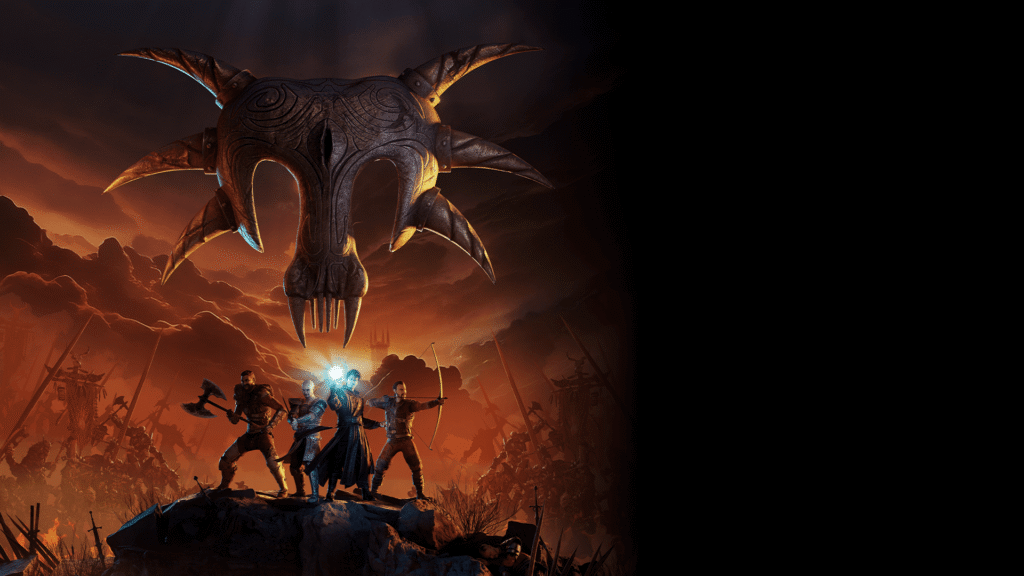

When THQ Nordic announced they were rebuilding a sacred pillar of European RPG history from the ground up, the collective gasp from the fanbase could have blown over a shadowbeast. The original 2001 game by Piranha Bytes was a beautiful, jagged disaster of a masterpiece. It had a control scheme that felt like typing code on a toaster, an attitude that treated the player like absolute garbage, and a living, breathing world that felt more authentic than almost anything that followed it. Giving that to a brand-new studio, Alkimia Interactive, felt like a recipe for a massive heartbreak.
But against all odds, they actually did it. The Gothic 1 Remake has officially launched, and it is a fascinating, uncompromised love letter to a bygone era of game design. It does not want to be a sanitized modern role-playing experience. It does not care about your comfort. It drops you right into the Valley of Mines, surrounded by a magical barrier, hands you a broken stick, and whispers, “Good luck, nobody likes you.” And honestly? It is brilliant.
The Beauty of Getting Shoved Into the Dirt
The game kicks off exactly as you remember. You are the Nameless Hero, a convicted criminal chucked into a penal colony to mine magical ore for King Rhobar II. The second you splash into the water after being thrown past the barrier, a guy named Bullit punches you square in the jaw. Welcome home.
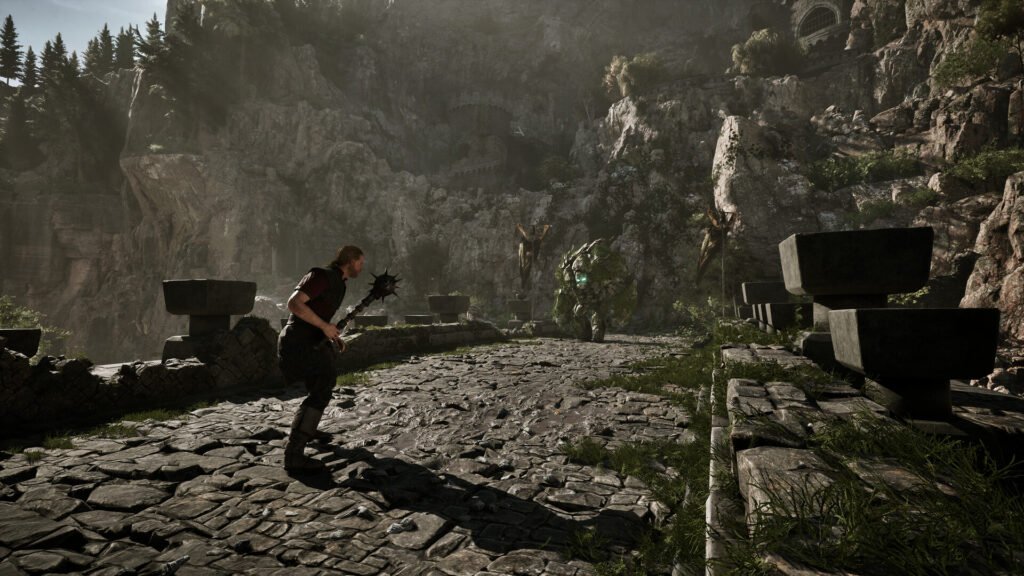
From that exact moment, Alkimia Interactive sets the tone. This is an open-world RPG built inside Unreal Engine 5, but it completely rejects the modern design philosophy of checklist-clearing and icon-chasing. There is no mini-map plastered to your screen guiding you by the nose. If an NPC tells you to find a cave near the old riverbed, you better use your actual eyes and look for a riverbed.
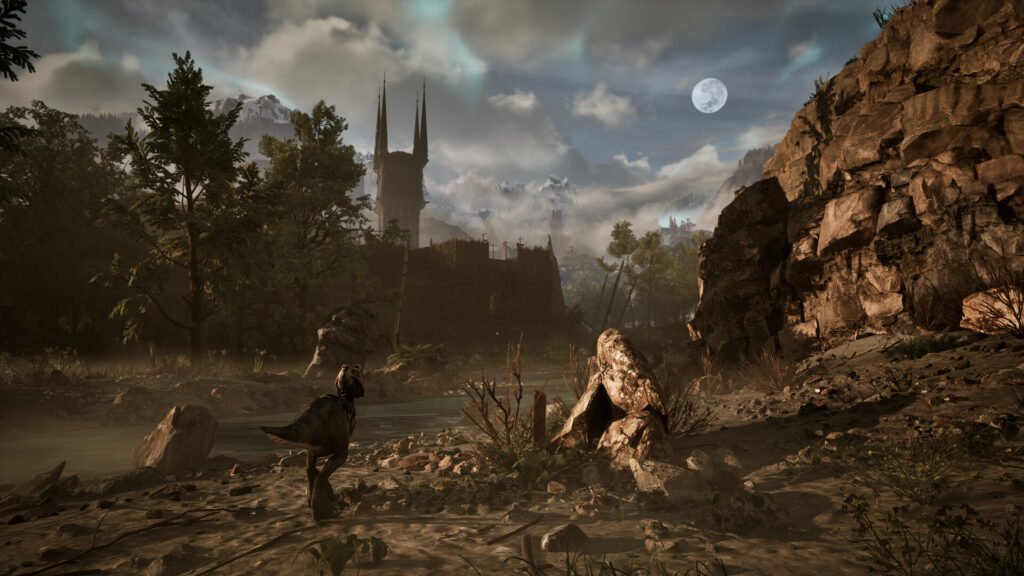
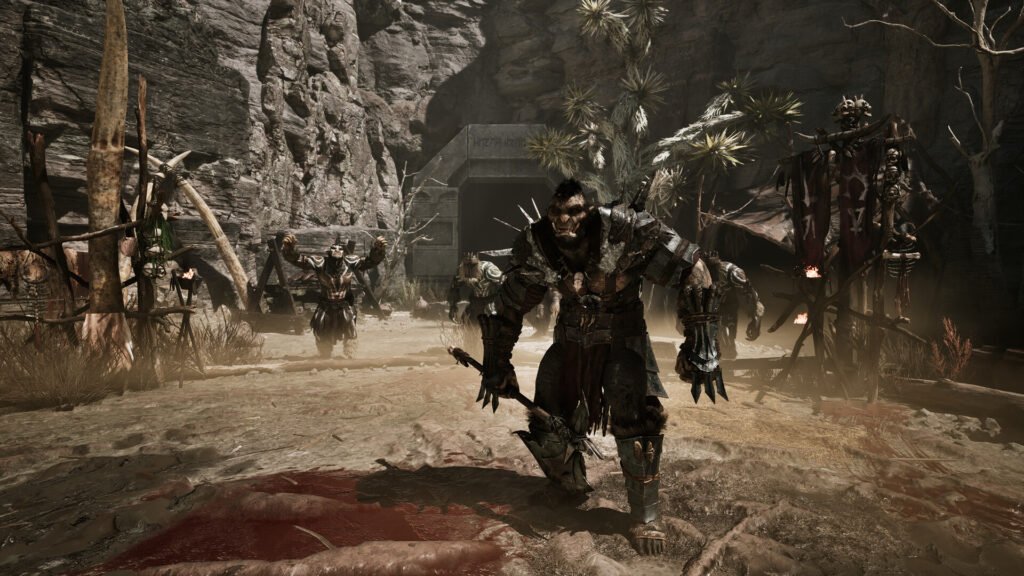
The visual upgrade here is jaw-dropping, yet perfectly miserable in the best way possible. The Old Camp feels incredibly alive and delightfully filthy. The mud looks wet, the torches cast gorgeous, flickering shadows against crumbling stone walls, and the atmosphere feels heavy with tension. You can practically smell the roasting scavenger meat and the sweat of desperate convicts. The forests are dense and genuinely terrifying at night, making you think twice before wandering off the main paths without a proper weapon.
Living Routines and Gritty Factions
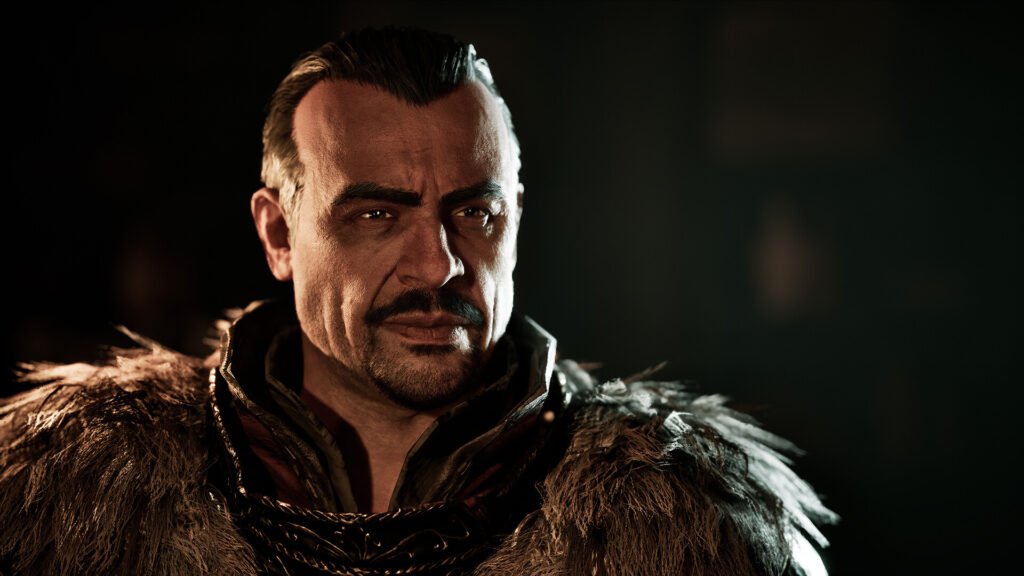
What truly made the original game a classic was its living world, and the developers nailed this dynamic layout completely. Every single NPC has a strict daily schedule. They wake up, cook breakfast, go to work shoveling ore or guarding gates, head to the tavern for a drink at night, and go to bed. If you wander into someone’s hut while they are sleeping, they will wake up, draw a sword, and beat you senseless for trespassing.
The faction system remains the beating heart of the progression. You cannot just coast through the game as a lone wolf; you eventually have to choose between joining the Old Camp, the New Camp, or the weed-smoking, sleeper-worshipping fanatics in the Swamp Camp. Making this choice changes how people talk to you, what armor you wear, and how your overarching quest unfolds. The writing and modernized voice acting do an excellent job of expanding on the original lore without ruining the gritty, street-smart dialogue that defined the old game.
Learning to Swing a Sword All Over Again
The biggest question mark heading into launch was undoubtedly the combat system. The original game had an infamous, rhythm-based directional melee system that took hours to master. Alkimia Interactive decided to modernize the combat while still keeping that slow, deliberate, tactical feel.
When you start out, your attacks are slow, clumsy, and downright embarrassing. You hold a one-handed sword with two hands like a terrified toddler. But as you spend learning points with trainers to upgrade your skills, your stance changes, your swings become more fluid, and you unlock devastating combos. It is a brilliant way of linking player progression directly to visual feedback.
That said, the combat will absolutely divide people. It is deliberate, heavily reliant on spacing, and highly punishing. If you try to mash buttons against a pack of wolves or a couple of angry bloodflies, you are going to see the loading screen faster than you can blink. It is clunky by design to mimic that old-school struggle, which makes finally defeating a tough enemy feel immensely rewarding.
The Price of Total Nostalgia
Is the game perfect? Not even close. It launched with its fair share of technical issues and classic jank. Optimization on modern hardware can be a bit hit-or-miss, with occasional frame drops in crowded areas like the Old Camp, and the camera sometimes gets into a chaotic wrestling match with the scenery during tight indoor fights.
There are also moments where the commitment to old-school design choices borderlines on masochism. Navigating menus can occasionally feel a little clunky, and the lack of handholding means you will occasionally get stuck on an expanded questline simply because you missed a tiny dialogue clue.
But frankly, those rough edges are part of the charm. If Alkimia Interactive had smoothed out every single wrinkle, added a glowing GPS line on the floor, and turned down the difficulty, it wouldn’t be Gothic anymore. They respected the identity of the original game, delivering a beautiful, harsh, addictive nightmare of a world that rewards patience and penalizes stupidity. For old-school RPG veterans and brave newcomers looking for a real challenge, the colony is waiting, and it has never looked better.