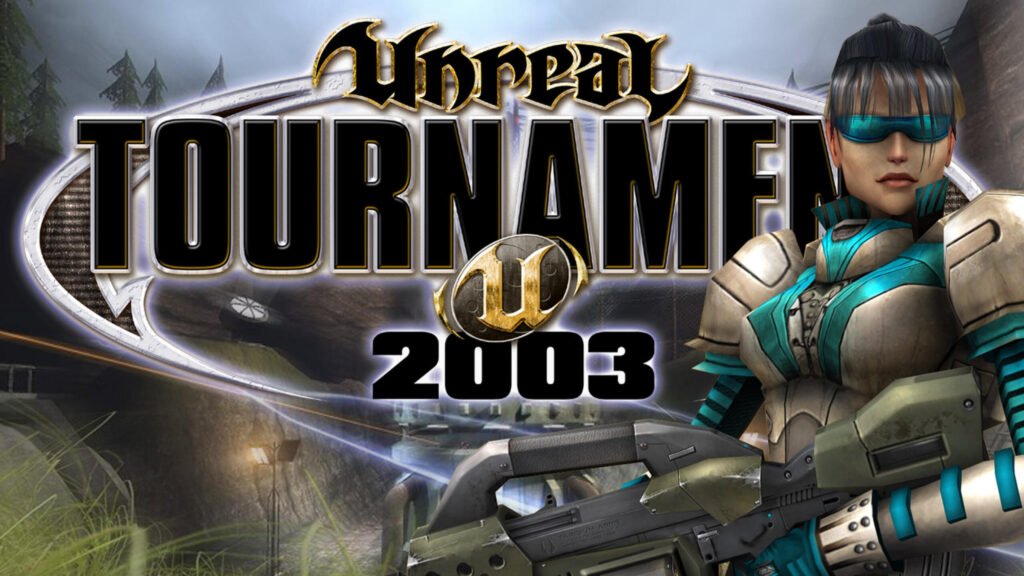

Release Dates: Unreal Tournament (1999), Unreal Tournament 2003 (2002), Unreal Tournament 2004 (2004), Unreal Tournament 3 (2007) Developer: Epic Games and Digital Extremes
In the late nineties, as a first person shooter aficionado, your weekends were likely defined by one of two camps: you were either a Quake devotee or an Unreal Tournament zealot. While Quake was busy being dark, industrial, and moody, Unreal Tournament—or UT99 to those who speak the language—burst onto the scene with a vibrant, high-octane personality that felt less like a horror movie and more like a lethal, futuristic bloodsport. It wasn’t just a game; it was an adrenaline-soaked social event that introduced us to the concept of the Headshot and the glorious, earth-shaking rumble of the M-M-M-Monster Kill. Looking back at the franchise today, it’s clear that Epic Games didn’t just make a shooter; they crafted the blueprint for the perfect Arena FPS.
The Big Bang of 1999
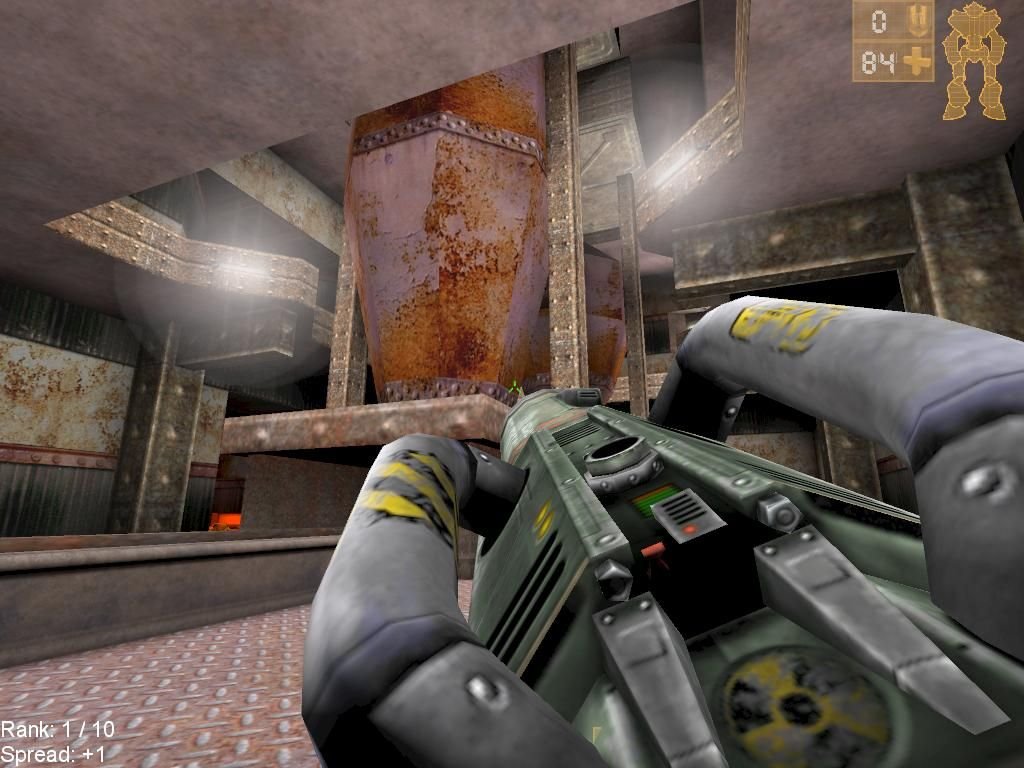
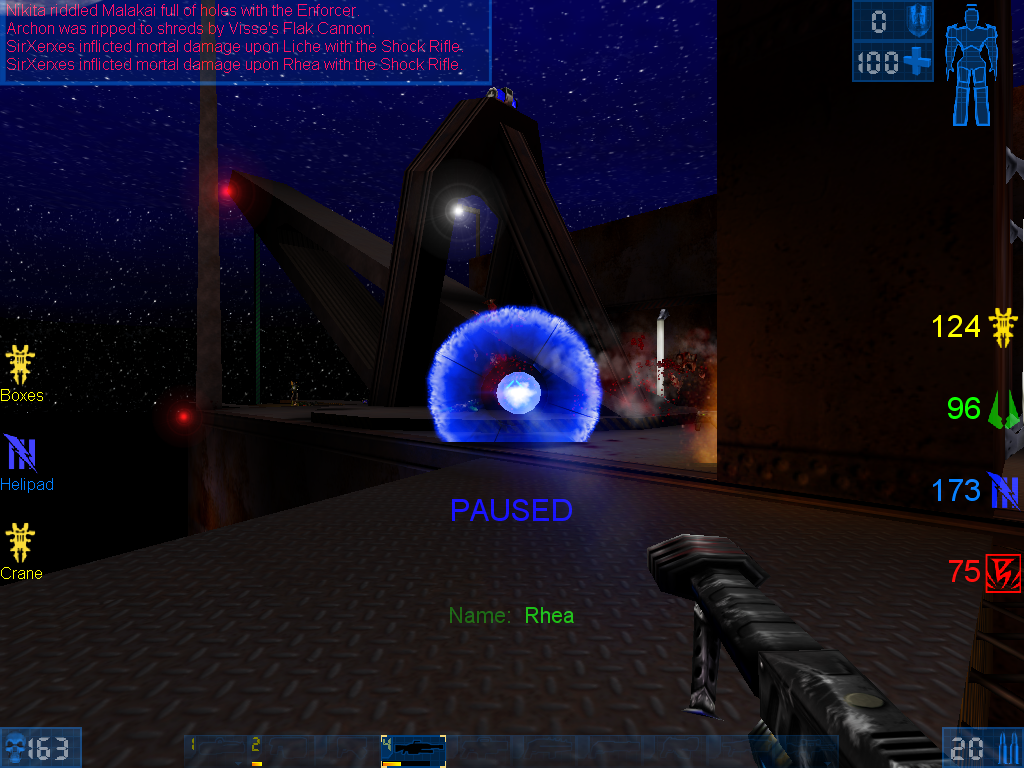
When the original Unreal Tournament dropped in 1999, it felt like someone had injected pure caffeine into the genre. The premise was simple: a galactic corporation organized a legal killing spree to keep the peace, and you were a contestant. What made UT99 an instant masterpiece was its incredible balance of movement mechanics and weapon design. Every gun had an alternate fire mode, which essentially doubled your tactical options on the fly. You weren’t just shooting a rocket; you were loading up six of them to fire in a horizontal spread. You weren’t just using a basic shotgun; you were using the Flak Cannon, a weapon so iconic it deserves its own wing in a museum. There was something uniquely satisfying about bouncing hot shards of metal off a wall to take out a camper around a corner.
Then there were the maps. Facing Worlds is arguably one of the most famous multiplayer levels in history. Two sniper towers, a giant asteroid, and a looping soundtrack that lives rent-free in the heads of millions to this day. It was the birthplace of the Translocator, a handheld teleporter that turned the game into a high-speed chess match of verticality and daring escapes. UT99 wasn’t just about aim; it was about knowing the rhythm of the map and mastering the shock combo, where you’d shoot a slow-moving energy orb and then detonate it mid-air with a beam to create a massive explosion. It was flashy, it was fast, and it was perfectly polished.
The Experimental Middle Child and the 2004 Legend
The transition into the early 2000s brought us Unreal Tournament 2003, which was a bit of a polarizing entry. It moved the series into a new engine with vastly improved graphics and introduced double jumping and wall-dodging. While it felt modern, some fans missed the gritty, grounded feel of the original. However, Epic and Digital Extremes listened to the feedback and, just a year later, delivered what many consider the absolute pinnacle of the series: Unreal Tournament 2004.
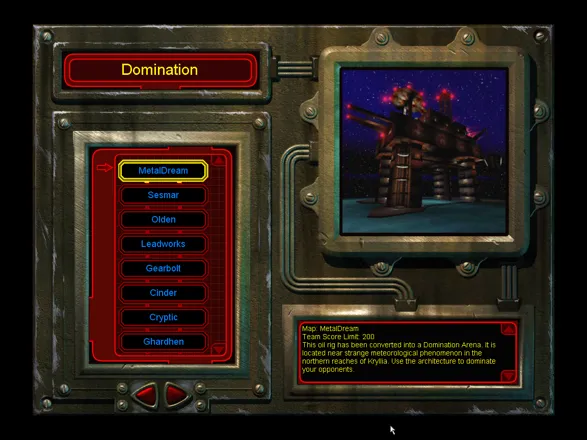
UT2004 took everything that worked in 2003 and bloated it with an insane amount of content. This was the era of Onslaught Mode, which introduced massive maps and vehicles like the Raptor and the Manta. It changed the scale of the game from tight corridor brawls to sweeping, objective-based warfare. Despite the addition of tanks and aircraft, the core “on-foot” gameplay remained incredibly tight. The Adrenaline system allowed players to perform “combos” (like tapping keys in a specific order to gain invisibility or a speed boost), adding a layer of fighting-game strategy to the FPS formula. UT2004 was a behemoth of a package, offering dozens of modes, hundreds of maps, and a modding community that was arguably the most creative in the world at the time.
The Gears of War Era and Unreal Tournament 3
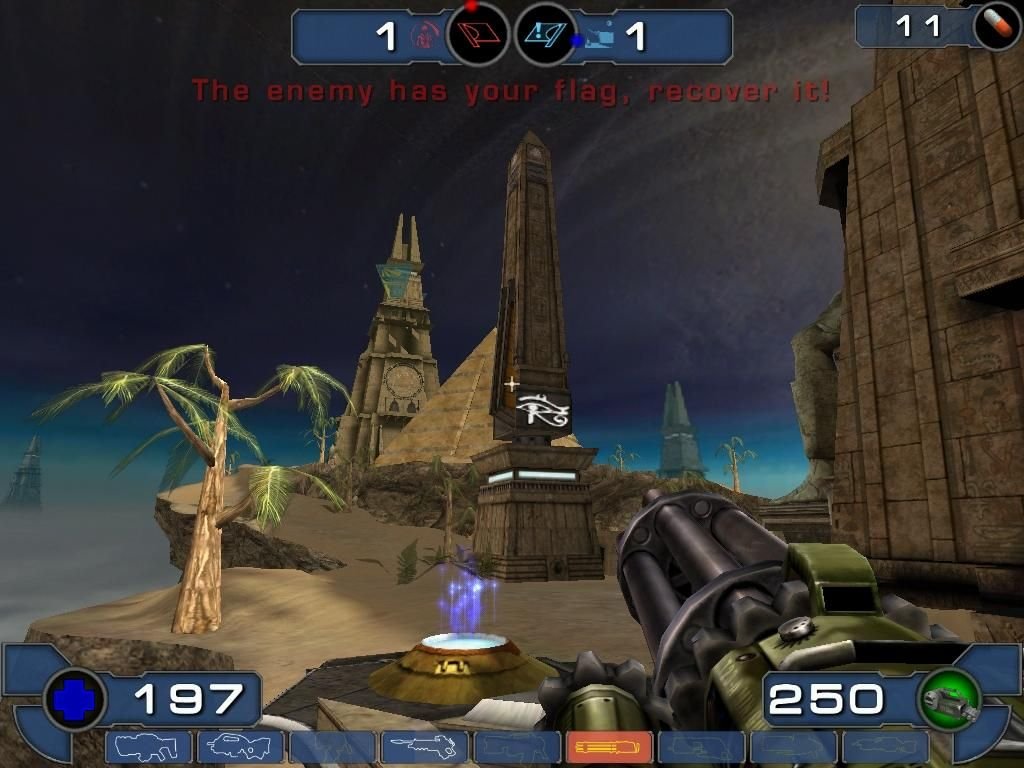
By the time Unreal Tournament 3 arrived in 2007, the gaming landscape had shifted. Call of Duty was rising, and Epic Games was balls-deep in the development of Gears of War. This influence was impossible to ignore. UT3 was visually stunning for its time, powered by the then-revolutionary Unreal Engine 3, but it traded the bright, clean aesthetic of the earlier games for a chunky, “grimdark” look. The characters became massive, armor-clad warriors, and the maps felt more cluttered and industrial.
While the gameplay was still fundamentally sound—the Shock Rifle still felt great, and the movement was snappy—UT3 struggled to capture the same magic as its predecessors. It felt like it was trying to compete with the console shooters of the day rather than leading the pack as a PC powerhouse. The Warfare mode was a decent evolution of Onslaught, and the inclusion of the Necris vehicles added some cool sci-fi flair, but the community felt fractured. It wasn’t a bad game by any means, but it lacked that “just one more round” soul that made the 1999 and 2004 entries legendary. It was a solid shooter that unfortunately lived in the shadow of its own heritage.
A Fragmented Legacy and the End of an Era
In the years following UT3, the franchise entered a bit of a dark age. There was an attempt at a community-driven, free-to-play Unreal Tournament reboot in 2014, which looked incredibly promising. It returned to the clean visuals and fast movement of the older games, and for a while, it felt like the king was coming back to claim the throne. Sadly, the meteoric rise of Fortnite meant that Epic Games shifted their entire focus to the battle royale phenomenon. The UT reboot was eventually put on ice and, in a heartbreaking move for fans, Epic eventually delisted the older titles from digital storefronts in 2023.
Despite the current lack of a modern entry, the legacy of Unreal Tournament is undeniable. It pioneered the In-Game Announcer that we see in almost every competitive game today. it pushed the boundaries of AI bots, making offline play feel like a real challenge. Most importantly, it fostered a sense of community competition that was pure and focused. Whether you were a master of the Sniper Rifle on a high-speed CTF server or a casual player just trying to survive a Bombing Run match, UT offered a level of pure, unadulterated fun that few modern shooters can match. It was a franchise built on the idea that speed, skill, and a very large explosion were the only things that mattered, and for a glorious decade, it was the undisputed champion of the arena.
How UT2004 Mods Changed Everything
If you think modern “Season Passes” are a good deal, you clearly weren’t around during the golden age of Total Conversions in Unreal Tournament 2004. Back then, you didn’t just buy a game; you bought a platform. The Unreal Engine 2.5 was so flexible and the developer tools were so accessible that the community basically treated the base game as a suggestion. You could close out of a sci-fi arena shooter and, with a few clicks, load up a tactical military sim, a zombie survival horror, or even a vehicle-based combat racer. These weren’t just “skins”—they were entirely new games built for the low, low price of absolutely zero dollars.
Frag.Ops: The Tactical Counter-Strike Killer
Long before every shooter was trying to be “tactical,” there was Frag.Ops. This mod took the lightning-fast bones of UT2004 and slowed them down into a gritty, realistic military shooter. It was the community’s answer to Counter-Strike, but with the graphical fidelity and superior networking of the Unreal Engine. Gone were the double jumps and plasma rifles; they were replaced by realistic ballistics, weight-based movement, and a heavy focus on objective-based team play.
What made Frag.Ops special was its class system and the way it handled equipment. You had to actually think about your loadout because your gear affected your stamina and speed. It featured incredible map design that felt like real-world locations—embassies, train stations, and desert outposts—rather than abstract space arenas. It was a testament to the versatility of the engine that a game designed for twitch-reflex dodging could be transformed into a tense, one-life-per-round tactical experience that felt every bit as professional as a retail release.
Killing Floor: From Mod to Global Phenomenon
If there is one name on this list that every modern gamer knows, it’s Killing Floor. Before it was a massive multi-platform franchise, it was a humble, terrifying co-op horror mod for UT2004. The premise was simple: you and a few friends were dropped into a map and forced to survive waves of “Zeds”—grotesque biological experiments gone wrong. It introduced a Perk system that allowed players to specialize in roles like the Field Medic, Support Specialist, or the fan-favorite Sharpshooter.
The mod was legendary for its atmosphere. It was dark, claustrophobic, and featured a “Slow-Mo” mechanic called ZEDtime that would trigger during particularly gory kills, allowing everyone to see the physics-based carnage in beautiful detail. The community’s obsession with Killing Floor was so intense that the developers, Tripwire Interactive, eventually turned it into a standalone game. It is perhaps the greatest “Cinderella story” in modding history, proving that a group of dedicated fans could create a gameplay loop so addictive it would spawn a decade-long series.
Red Orchestra: The Birth of Realism
While some mods wanted to be more like Counter-Strike, Red Orchestra: Combined Arms wanted to be a history textbook. This mod focused on the Eastern Front of World War II with a level of realism that was almost unheard of at the time. There was no crosshair on your screen. You had to manually adjust your sights, and if you were a tank commander, you actually had to manage a crew and worry about armor thickness and shell deflection angles.
Red Orchestra pushed the UT2004 vehicle system to its absolute limit. It wasn’t about zipping around in a hover-tank; it was about the slow, methodical crawl of a T-34 through a bombed-out city. The mod won the grand prize in Epic’s “Make Something Unreal” contest, landing the creators a retail publishing deal. Just like Killing Floor, it transitioned from a community project to a professional franchise that still sets the standard for hardcore tactical shooters today.
Alien Swarm and the Top-Down Twist
One of the most unique entries in the UT2004 mod scene was Alien Swarm. Instead of the traditional first-person perspective, this mod flipped the camera into a top-down tactical view. It was a four-player co-op experience heavily inspired by the Aliens film franchise. Players had to choose distinct classes—Tech, Medic, Special Weapons—and work together to weld doors, hack terminals, and hold back waves of skittering insectoid monsters.
The level of polish in Alien Swarm was staggering. It featured a full campaign, a deep leveling system, and atmospheric lighting that made every hallway feel like a death trap. The team behind it was so talented that they were eventually hired by Valve. Yes, the same Valve that made Half-Life. They later released a standalone version of the game on Steam, but the core DNA and the original brilliant concept were born entirely within the Unreal Tournament community. It’s a perfect example of how these mods served as a “proving ground” for the next generation of industry-leading developers.
Core Gameplay & Total Conversions:
Killing Floor (Original Mod) The version that started it all before becoming a standalone franchise.
- Killing Floor v2.52 (ModDB) – The final stable mod release.
- Killing Floor v1.0 (ModDB) – For a look at the very first version.
Red Orchestra: Combined Arms The realistic WWII mod that birthed the Ostfront and Rising Storm series.
- Red Orchestra v3.3 (ModDB)
- Alternative: Unreal Archive – Great for mirrored downloads.
Alien Swarm The top-down tactical shooter that was later remade by Valve in the Source engine.
- Alien Swarm (Unreal Archive) – This contains the original UT2004 files.
Frag.Ops A tactical “Counter-Strike style” mod known for its customizable weapons and trait systems.
Essential Modern Add-ons:
Ballistic Weapons If you want the “over-the-top” gore and hyper-detailed weapon mechanics mentioned earlier.
Unreal Archive (Master Database) If any of the above links ever go down, this is the definitive library for every UT2004 mod, map, and skin ever made.