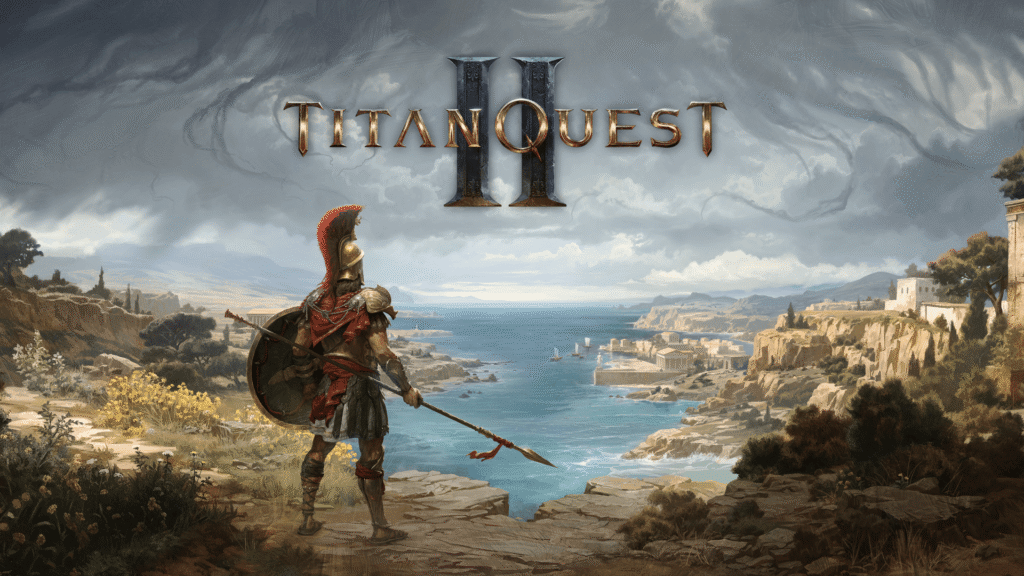

It has been nearly two decades since the original cult classic Titan Quest redefined what a historical ARPG could look like, proving that you didn’t need a dark, gothic cathedral to have a good time—sometimes, all you needed was a sun-drenched beach and a very angry satyr. Now, developed by Grimlore Games and published by THQ Nordic, the legendary franchise is returning to claim its throne in a genre that has grown significantly more crowded since we last stepped foot in Knossos.
The Goddess of Grudges and a World in Chaos
The narrative heartbeat of this sequel centers on Nemesis, the Goddess of Retribution. She isn’t just having a bad day; she is actively messing with the Threads of Fate, weaving a web of corruption that affects everyone from lowly farmers to the gods themselves. This isn’t just a “kill the big bad” story; it is about the fundamental breakdown of destiny. As the player, you are caught in the middle of this celestial meltdown, tasked with stopping a goddess who has decided that the world needs a serious dose of “I told you so.”
The beauty of the Ancient Greece setting in this sequel is that it feels lived-in and deeply mythological without leaning too hard into the cartoonish. We are talking about a world where the Ichor of the gods literally stains the soil. You’ll find yourself traversing vibrant coastal regions, majestic temples, and eerie underworld vistas that look like they were pulled straight from a classic epic. This isn’t a procedurally generated mess of random tiles, either. The developers have opted for a hand-crafted world, ensuring that every secret alcove, hidden cave, and mountain pass feels intentional and rewarding to explore.
Mastering the Art of the Hybrid Hero
One of the absolute standout features of the original game was its Mastery System, and thankfully, it remains the soul of Titan Quest II. For the uninitiated, instead of picking a single rigid class like “Warrior” or “Mage” and sticking with it for sixty hours, you get to combine two different masteries to create a unique hybrid class. If you want to be a spear-wielding tank who also summons literal storms to fry your enemies, you can do that. If you want to mix rogue-like poison skills with the defensive buffs of a protector, the world is your oyster.
This system allows for an incredible amount of build diversity. In the sequel, this is being pushed even further. You aren’t just clicking on a skill tree and watching a number go up; you are looking for synergies that change the way you interact with the world. The game encourages experimentation, letting you tweak your character until you find that perfect sweet spot of “completely overpowered” and “visually spectacular.” Whether you are focusing on physical prowess, magical devastation, or strategic summons, the sense of character progression feels meaty and earned.
Combat That Requires a Brain
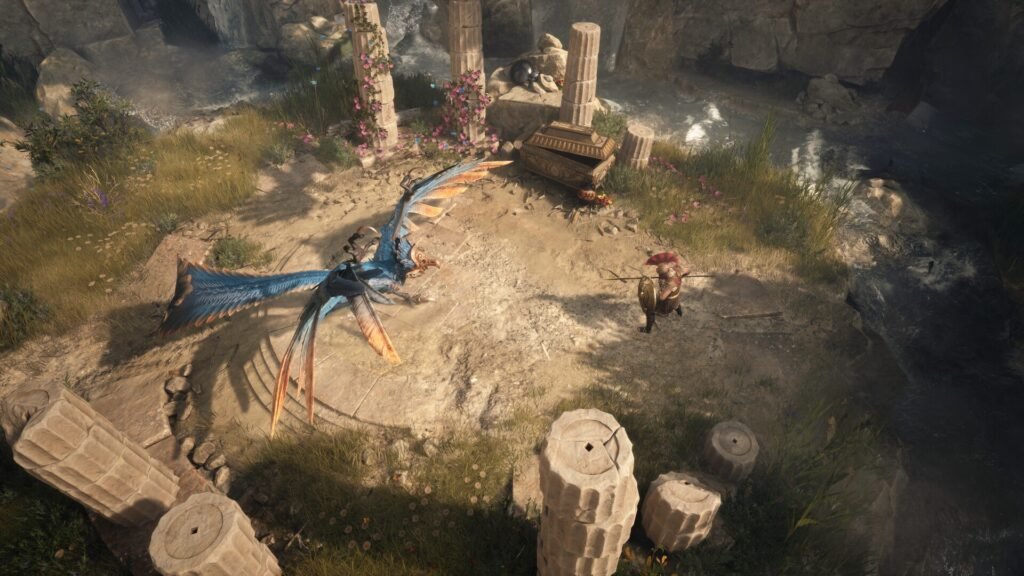
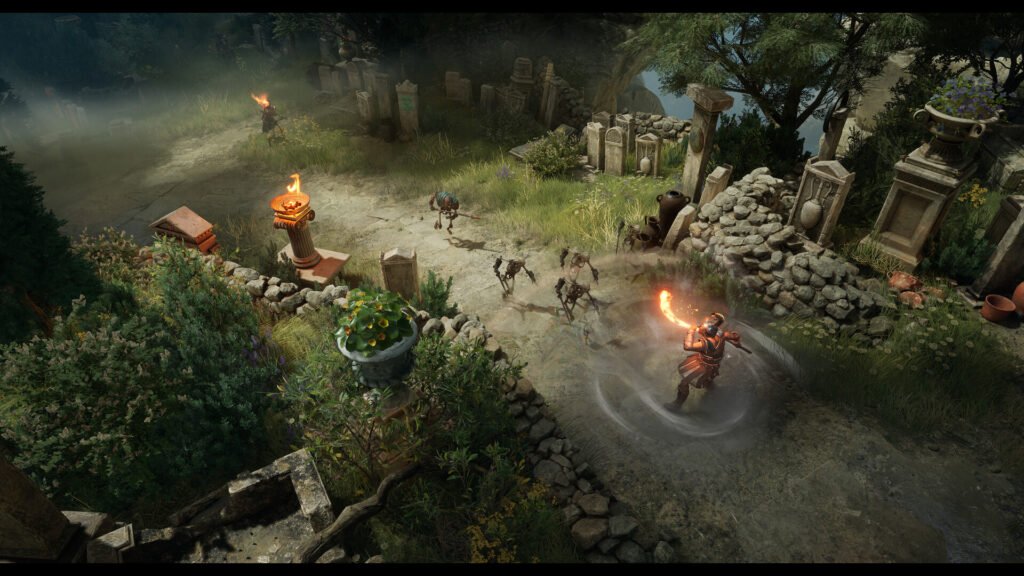
Let’s be real: some ARPGs can turn into a mindless “click-and-watch-Netflix” experience. Titan Quest II is clearly aiming for something a bit more tactical. The tactical combat here is designed to keep you on your toes. You can’t just stand in the middle of a pack of harpies and hope for the best. The enemy AI is significantly more sophisticated this time around. Enemies will work together, flanking you or using their own abilities to buff their allies. It forces you to actually use the full breadth of your Mastery skills.
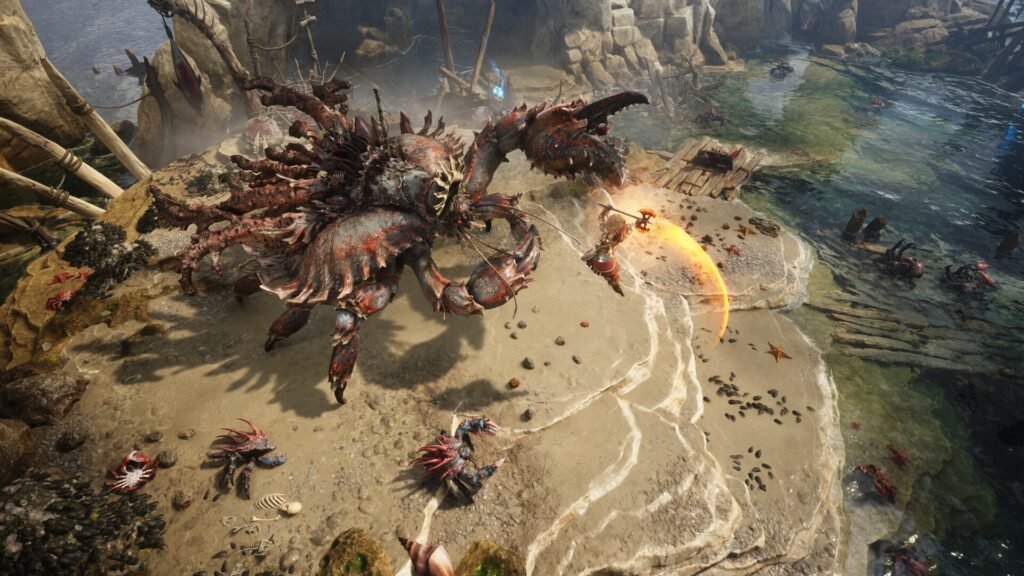
The rhythm of the fight is less about “spamming one button” and more about managing the battlefield. You’ll need to dodge telegraph attacks, prioritize high-threat targets like casters, and use the environment to your advantage. There is a weight to the movement and the impact of your weapons that makes every encounter feel significant. When you finally take down a towering centaur or a mutated sea creature, there is a genuine sense of relief and accomplishment that a lot of modern “loot piñata” games seem to have forgotten.
The Hunt for Legendary Loot
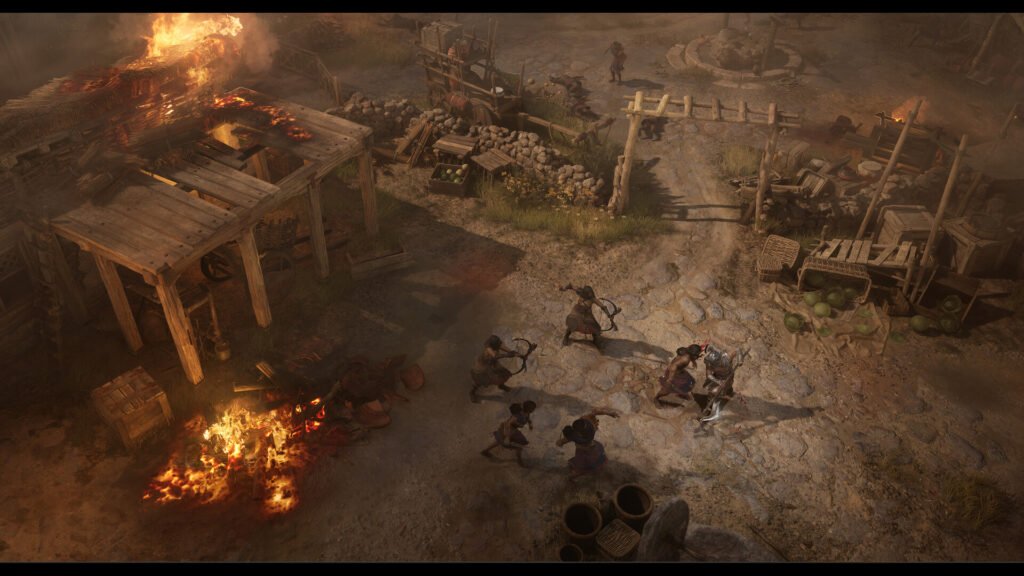
Speaking of loot, what would a Titan Quest game be without a mountain of gear to sort through? The loot system in the sequel is being designed with meaningful progression in mind. We have all played those games where you find fifty “slightly better” iron swords in ten minutes, and it just feels like homework. In Titan Quest II, even common items can be useful through a deep crafting system, while the legendary items are intended to be game-changers.
Finding a Mythical Relic or a piece of hero-specific armor should feel like a monumental event. The game leans heavily into the idea that your gear should reflect your journey. You’ll be upgrading your equipment with charms and essence, customizing your kit to perfectly fit your specific mastery combo. There is something deeply satisfying about looking at your character and seeing a warrior clad in the literal hide of a beast you killed three acts ago, glowing with the enchantments of a god you did a favor for.
A Modern Engine for a Classic Vibe
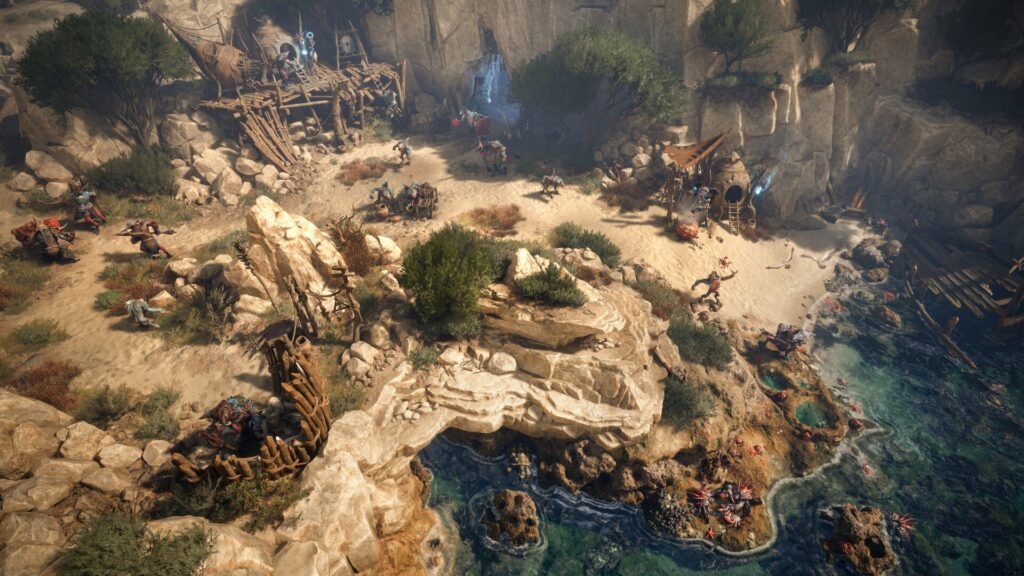
Visually, the game is a stunner. Utilizing modern tech, Grimlore Games has managed to capture that specific “Golden Hour” glow that the original was famous for. The water physics alone—crucial for a game set largely around the Aegean Sea—are impressive, but it’s the day/night cycle that really adds flavor. It’s not just an aesthetic choice; the time of day can actually change which enemies appear and how they behave.
It’s this attention to detail that separates a cash-grab sequel from a true labor of love. You can tell the team understands the legacy they are working with. They aren’t trying to turn Titan Quest into a hyper-dark, depressing slog. They are leaning into the vibrant, heroic, and often terrifyingly beautiful world of Greek myth. It feels like a vacation in Hell, and honestly, we wouldn’t have it any other way. Whether you are a returning veteran or a newcomer who just wants to see what all the fuss is about, this sequel is shaping up to be an absolute titan of the genre.