
Release Date: July 29, 1999 Developer: Surreal Software
The RPG That Gave Us Real Wings
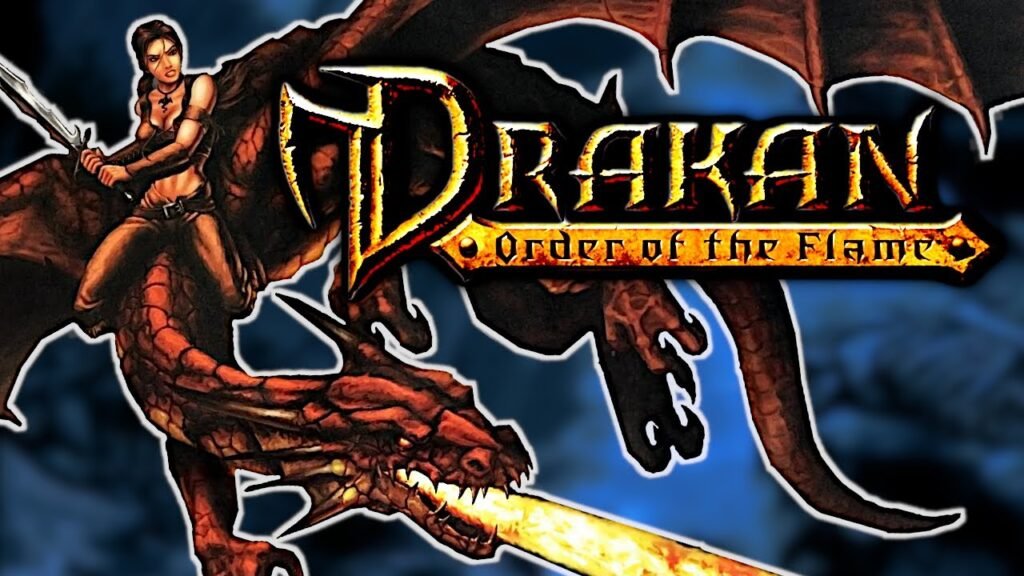
Back in 1999, the gaming landscape was undergoing a massive shift. We were moving away from sprites and into the chunky, glorious world of 3D acceleration. While everyone else was trying to figure out how to make a character jump over a crate without clipping through the floor, Surreal Software dropped a bombshell called Drakan: Order of the Flame. It wasn’t just another third-person action game; it was a genre-defying masterpiece that combined ground-based hack-and-slash combat with the most liberating aerial dragon flight we had ever seen.
The story introduces us to Rynn, a village girl with a massive sword and an even bigger chip on her shoulder. After her village is raided and her brother is kidnapped by the monstrous Wartoks, she awakens an ancient, grumpy, and incredibly sarcastic dragon named Arokh. This isn’t your typical “pet and owner” relationship. This is a soul-bond. From the moment you step into Arokh’s cave and convince him to let you hop on his back, the game transforms from a standard fantasy romp into one of the most unique experiences of the late 90s.
Seamless Transition and Scale
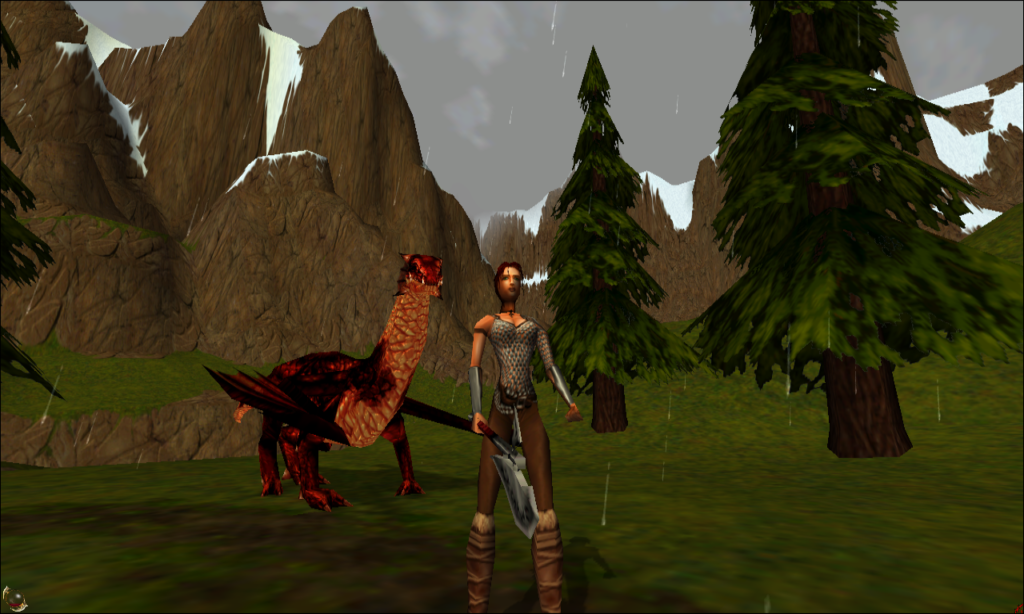
One of the most mind-blowing things about Drakan—even when looking back at it in 2026—is the sense of scale. In an era where most games were divided into cramped corridors or tiny rooms separated by loading screens, Drakan offered massive, sprawling open-air environments. You could be standing on the ground, hacking away at a scavenger with your scimitar, and then seamlessly mount Arokh, take off into the sky, and fly over an entire mountain range to the next objective.
There was no “transition” screen between being on foot and being in the air. This created a level of immersion that was lightyears ahead of its time. You felt the weight of the dragon as he banked into a turn, and you felt the sheer terror of an enemy Griffin diving out of the sun to knock you off your mount. The level design forced you to think vertically. Some puzzles required Rynn to sneak into small crevices or dungeons where a dragon couldn’t fit, while the outdoor sections required Arokh’s fire-breathing prowess to take down heavy fortifications.
Arokh: The Dragon with Attitude
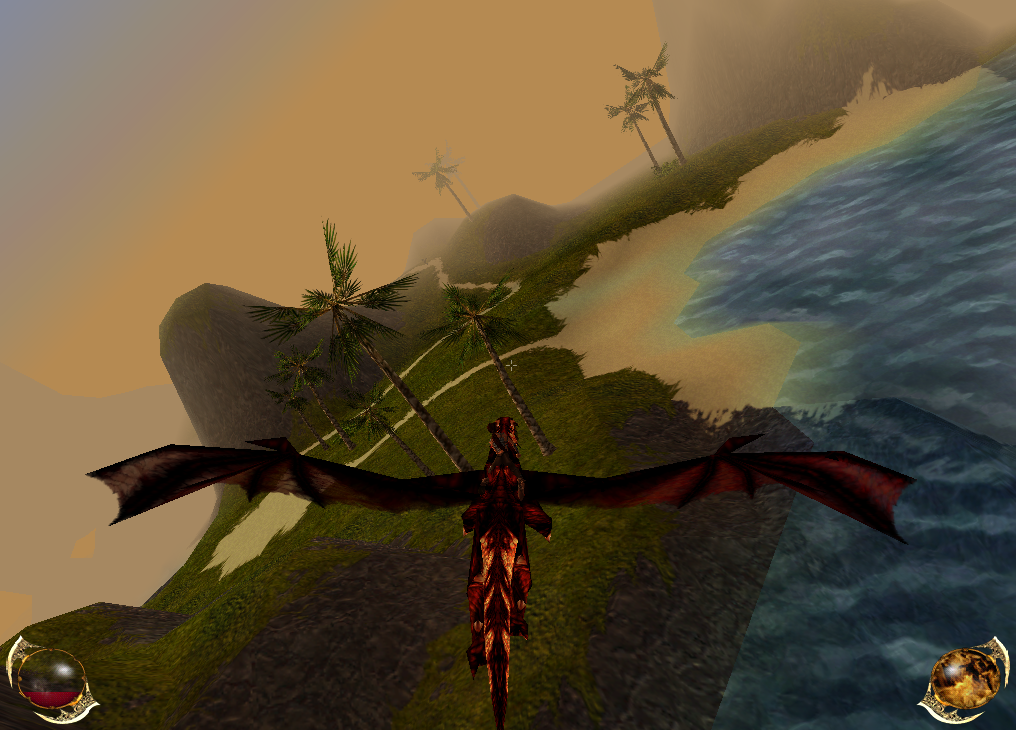
We have to talk about Arokh. He isn’t just a vehicle with scales; he’s the emotional heart of the game. Voiced with a deep, rumbling resonance, his banter with Rynn provides a much-needed layer of character depth. He’s weary, ancient, and slightly annoyed that he has to save the world again, which makes him infinitely more relatable than a generic “heroic” dragon.
The aerial combat mechanics were surprisingly robust. Arokh didn’t just breathe fire; as you progressed through the game and found different elemental gems, he could unleash ice breath, lightning bolts, and even sonic blasts. Dogfighting with other dragons felt like a high-fantasy version of Ace Combat. You’d be barrel-rolling through canyons, leading your shots to compensate for the enemy’s movement, and trying to stay behind your target to avoid their lethal fireballs. It was intense, loud, and incredibly satisfying.
Ground Combat and the Gore Factor
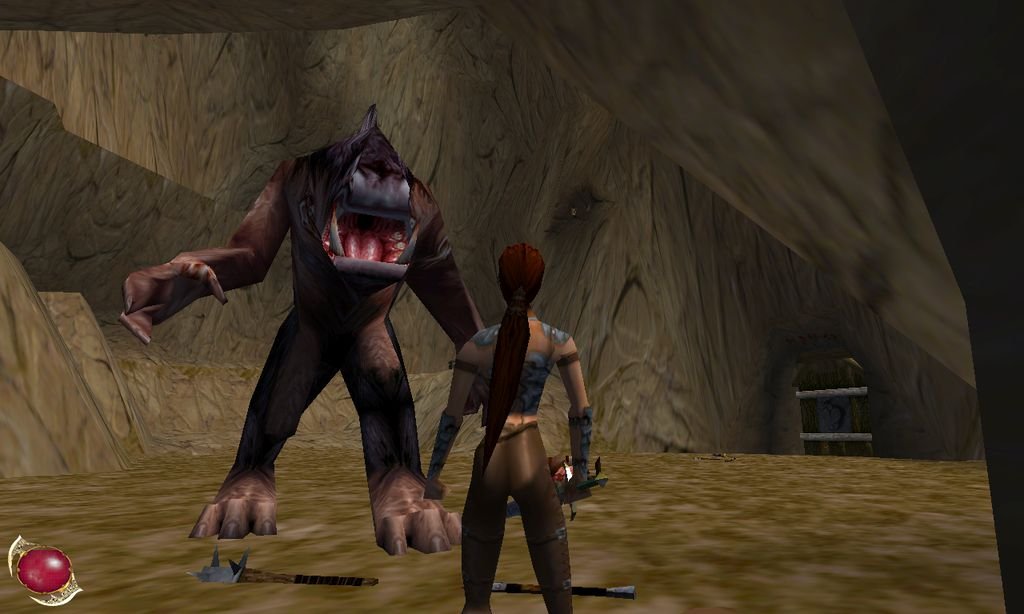
When Rynn has to hop off Arokh to explore a cave or a castle, the game shifts into a third-person brawler. For a game from ’99, the combat felt heavy and impactful. Rynn had access to an arsenal of swords, maces, and bows, many of which had limited durability, forcing you to constantly scavenge for better loot.
But what really set Drakan apart from the “T for Teen” fantasy games of the time was the gore. Surreal Software didn’t hold back. If you hit a Wartok with a heavy two-handed axe, there was a very real chance you’d lop off an arm or a head. The physics-based dismemberment gave the combat a gritty, visceral edge that fit the dark tone of the story. It felt like a world where survival was earned, not given. The sound design—the clank of steel, the wet thud of a successful hit, and Rynn’s desperate grunts during a tough fight—all contributed to an atmosphere that felt dangerous and unforgiving.
A Technical Marvel and a Cult Classic
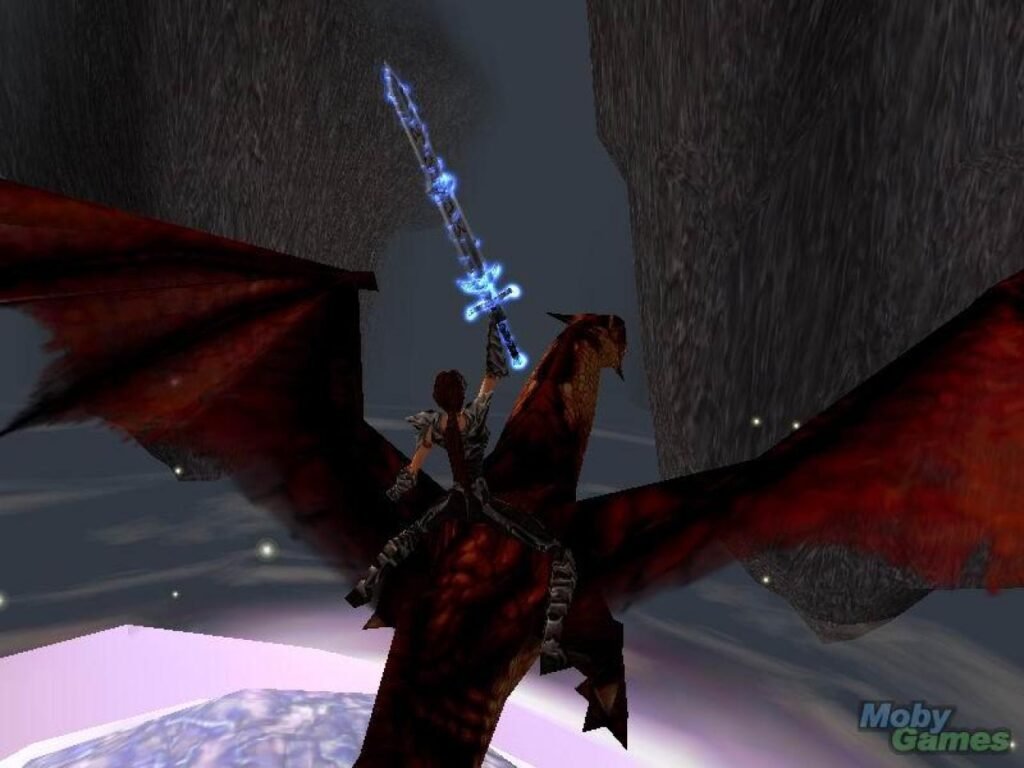
Visually, Drakan was a showpiece for the Riot Engine. It featured hardware-accelerated lighting, large-scale terrain rendering, and some of the best water effects of the decade. Seeing the sun set over a distant castle while you were circling high above the clouds was a “wow” moment that stuck with a generation of gamers. Even though the polygons are sharp enough to poke an eye out by today’s standards, the art direction still carries a lot of weight.
Unfortunately, the game never quite got the “mega-hit” status it deserved, partly because it was a bit taxing on the hardware of the time and partly because the sequel, The Ancient’s Gates, was a PlayStation 2 exclusive, leaving PC fans in the lurch. Today, getting it to run on modern systems requires a bit of fan-made patching, but the community has been incredibly dedicated to keeping the flame alive. There are All-in-One patches available that fix the resolution issues and high-frame-rate physics bugs that plague unmodded versions.
Why You Should Play It Right Now
If you’ve ever played a modern open-world game and felt that the “mounts” were just fast-travel buttons with legs, you owe it to yourself to play Drakan. It treats the bond between rider and dragon as a core gameplay mechanic rather than a gimmick. It’s a game about freedom, discovery, and the occasional dismemberment of an orc.
The sense of adventure is palpable. From the snowy peaks of the northern lands to the volcanic wastes of the endgame, Drakan takes you on a journey that feels epic in scope but personal in its storytelling. It’s a reminder of a time when developers were swinging for the fences, trying to combine three different genres into one cohesive package. Even twenty-seven years later, nothing quite matches the feeling of diving off a cliff, whistling for your dragon, and having him catch you mid-air before blasting a group of enemies into cinders.