
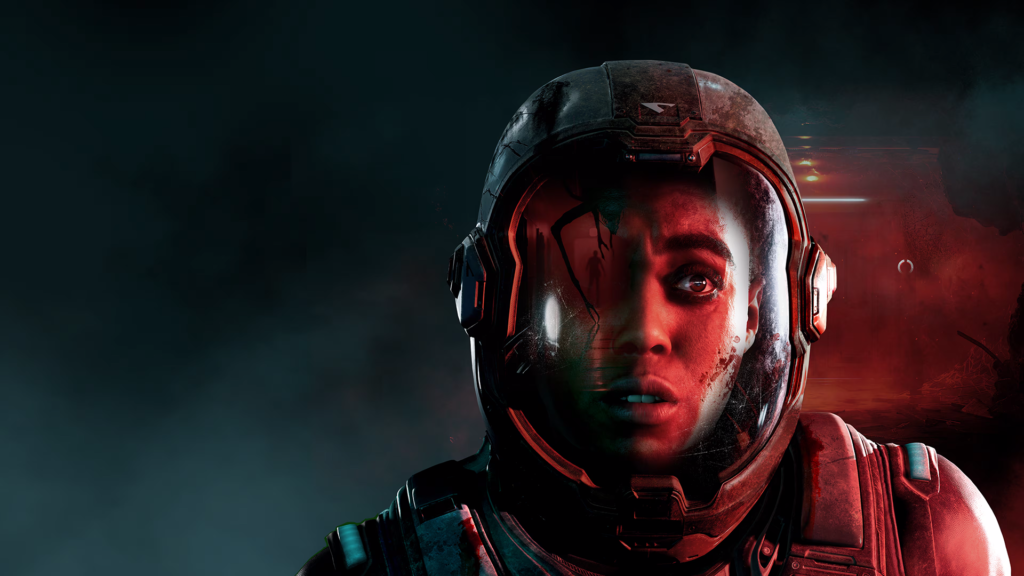

Supermassive Games has spent years mastering the art of the playable horror movie, trapping teenagers in classic slasher setups, haunted houses, and ancient underground ruins. But their latest cosmic venture, Directive 8020, leaves the comfort of Earthly folklore behind entirely. This standalone installment trades the standard spooky woods for the sterile, clanking metal hallways of deep-space survival horror. If you have been waiting for a game that blends the isolating dread of Ridley Scott’s Alien with John Carpenter’s masterpiece of paranoia, The Thing, your spaceship has finally come in.
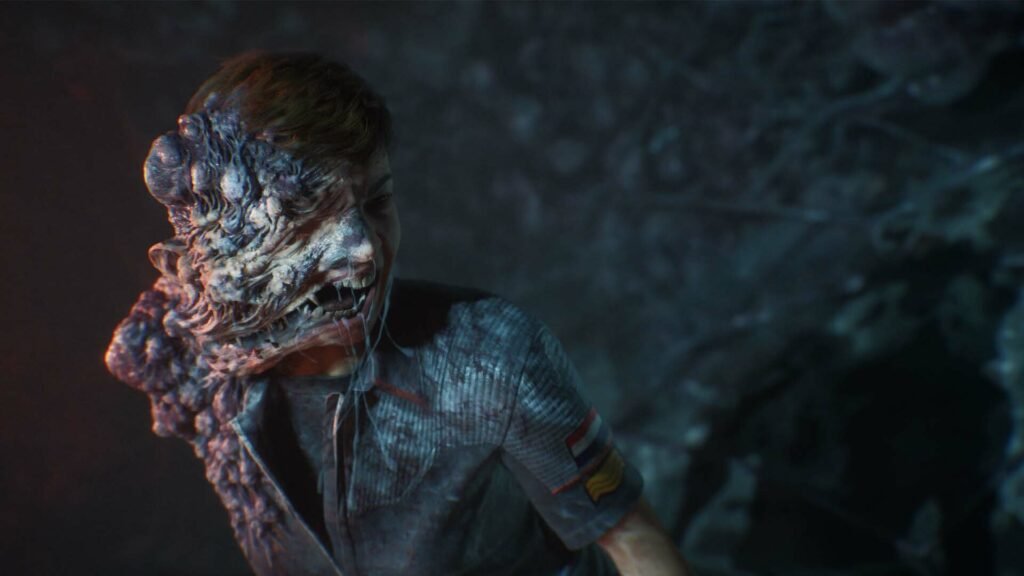
The premise sets up a desperate, high-stakes sprint for human survival. Earth is completely dying, and humanity is rapidly running out of time. The colony ship Cassiopeia is sent on a monumental mission to scout Tau Ceti f, a real-life exoplanet sitting twelve light-years away that represents our absolute last chance at avoiding total extinction. Things go disastrously wrong when the massive ship crash-lands, waking the crew from stasis into a waking nightmare. You quickly discover that the uncharted world is home to a grotesque, flesh-like alien organism capable of something truly terrifying: it can perfectly mimic its prey, shifting its shape to look and sound exactly like the people you trust.
A Massive Leap Forward in Survival Gameplay
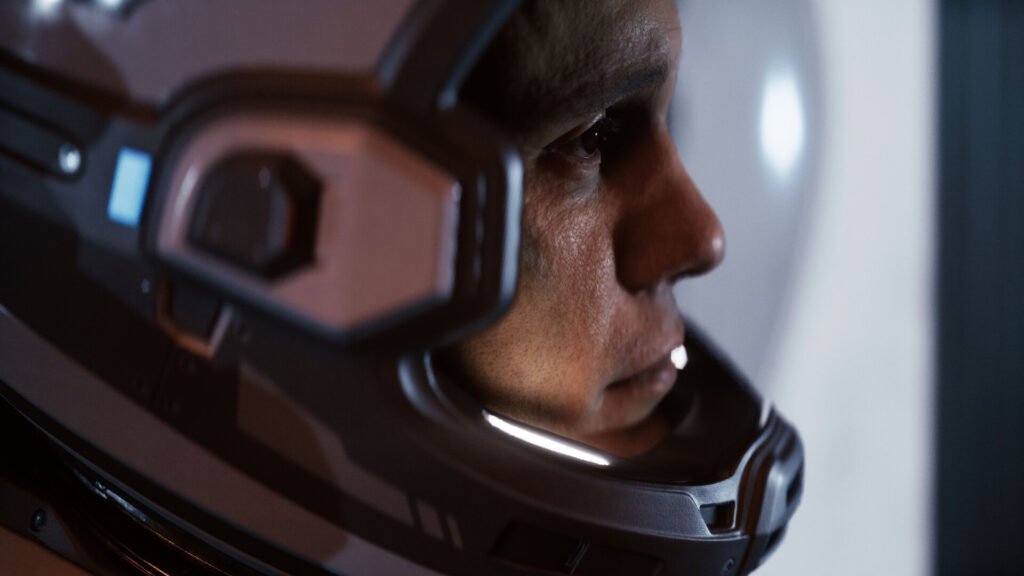
For a long time, the studio’s formula was highly predictable. You walked around a linear space, looked at clues, clicked a few dialogue choices, and panicked during split-second quick-time events. Directive 8020 shakes up the entire foundation by introducing threatening exploration and giving players far more direct physical control over the cast.
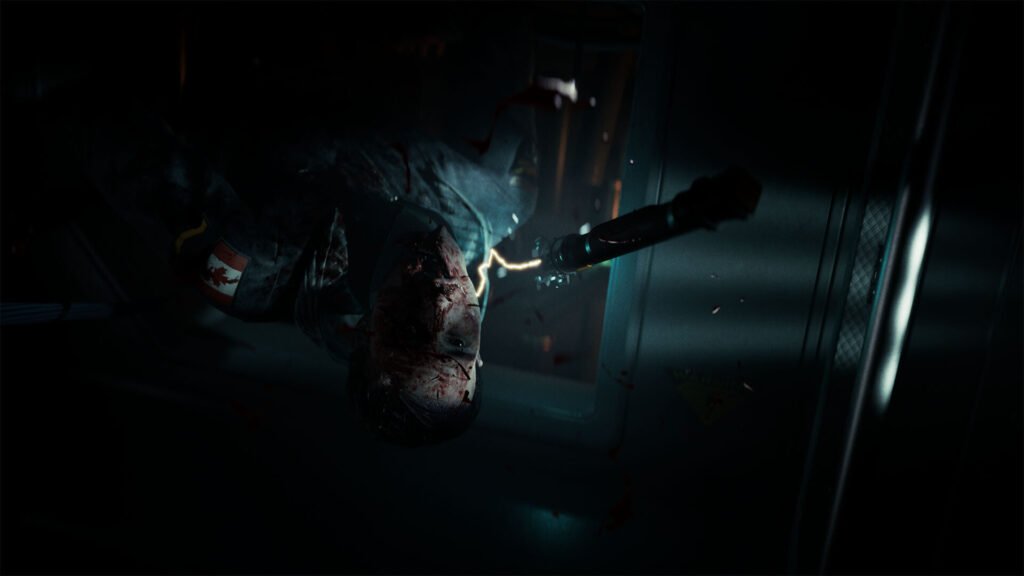
The biggest upgrade comes in the form of dedicated active stealth mechanics. Instead of just watching a cutscene of a character hiding, you are actively guiding crew members like pilot Brianna Young or the resolute Commander Nolan Stafford through dark, shadowy corridors. You have to use actual cover, manage light sources, and utilize clever distractions to avoid roaming monstrosities. To survive, you are equipped with a handy handheld scanner that lets you track enemy movements through solid walls, pinpoint power conduits, and locate spare batteries needed to hack open locked security doors. If things get too close for comfort, you can wield an electric shock baton to fend off a monster, but the windows for error are incredibly tight.
Paranoia, Branching Paths, and the Fate System
The real psychological horror of the experience lies in the crippling paranoia. Because the alien threat can seamlessly infiltrate your ranks, you spent half the runtime wondering if the crew member standing right next to you is actually your friend or a murderous space blob waiting for the perfect moment to strike. The writing does a spectacular job of heightening this tension across its eight-episode story, forcing characters to constantly interrogate each other’s actions and motivations.
Replayability has always been a major selling point for these developers, but they have introduced a brand-new mechanical layer called the Fate system. Every dialogue option you choose shifts specific character traits, and these choices eventually lock in one of two mutually exclusive Destinies for each of the five playable crew members. For instance, you can guide a character to become a selfless hero or a hyper-rational pragmatist who values the mission data over human life.
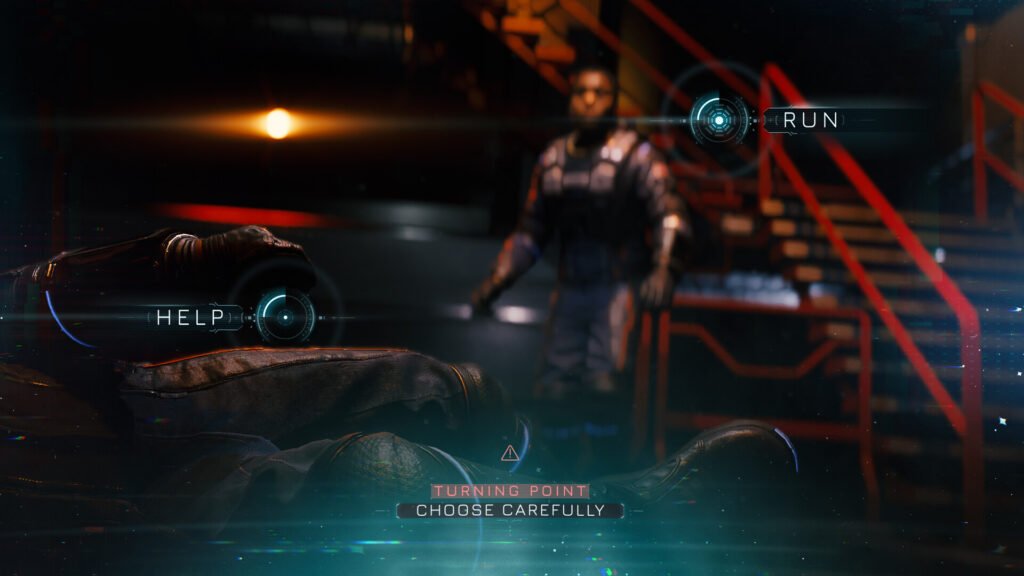
Even better for people who hate accidentally getting their favorite character killed over a single missed button prompt, the game features a new Turning Points rewind feature. If you play on Explorer mode, you can actively jump back to major narrative branches to fix a fatal mistake and explore alternate paths, which is a massive blessing considering there are dozens of unique, brutal character deaths to discover. True purists can still opt for Survivor mode, which disables the rewind function entirely and forces you to live with the grim consequences of your choices.
The Stunning, Claustrophobic Power of Unreal Engine 5
From a technical and visual standpoint, the game is an absolute showstopper. Powered by Unreal Engine 5, the developers have crafted a masterclass in atmospheric lighting and texture work. The interior of the Cassiopeia feels completely alive, utilizing high-end ray tracing features to cast deep, realistic shadows down flickering corridors and bounce neon warning lights off wet, metallic surfaces. The human character models are incredibly detailed, displaying expressive facial performances that translate genuine terror, hesitation, and suspicion during heavy dialogue scenes.
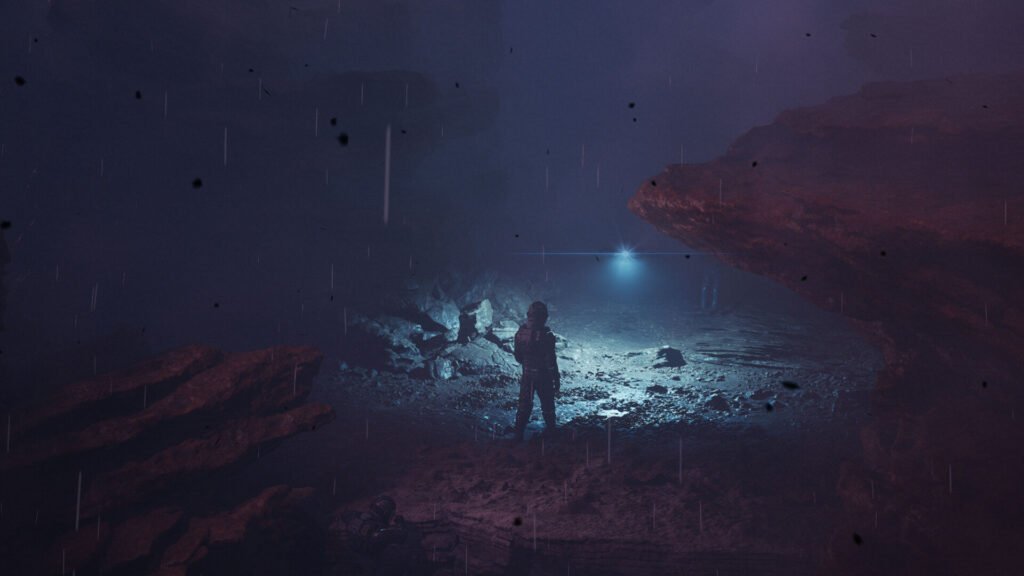
The game is not without its minor flaws. The middle chapters can occasionally drag a bit as you do a lot of backtracking through vents to get life support systems back online. Additionally, the game sometimes builds up an incredible amount of tension around who might be an alien clone, only to let characters wander off entirely alone in subsequent scenes without anyone questioning their identity when they return.
Minor pacing stumbles aside, this is easily one of the strongest, most ambitious cinematic horror experiences available. It brilliantly captures the cold, lonely essence of sci-fi horror while giving players the mechanical freedom they have been begging for. Whether you decide to tackle the cosmic dread alone in single-player or bring a friend along for the chaotic ride in the excellent online co-op mode, this is a trip into the void you absolutely do not want to skip.