
Release Date: February 19, 2010 Developer: Radon Labs
Get It On: Steam
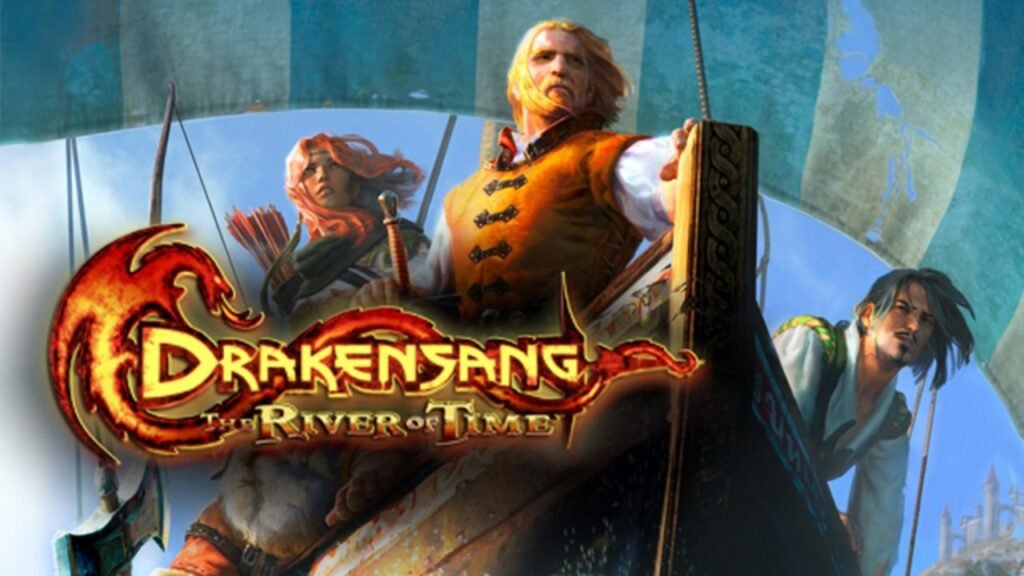
If you missed out on the golden era of tactical, party-based computer role-playing games, you might look at the modern landscape and think everything starts and ends with Baldur’s Gate 3. Don’t get me wrong, modern masterpieces are great, but there is a hidden gem from 2010 that deserves a cozy spot in your gaming library. I am talking about Drakensang: The River of Time, and its narrative expansion, Phileasson’s Secret.
Developed by Radon Labs, this duology represents a high-water mark for a very specific flavor of fantasy. Instead of drawing from the well of Dungeons & Dragons, this series anchors itself in The Dark Eye (Das Schwarze Auge), Germany’s premier tabletop RPG system. The result is a mechanical crunch wrapped in a vibrant, fairytale aesthetic that feels like a warm blanket for old-school RPG nerds. Let us take a lazy trip down the Great River and talk about why this game, and its high-seas expansion, are absolutely worth your time today.
Going Backwards to Move Forward: The River of Time
Most sequels try to go bigger, darker, and more apocalyptic. Drakensang: The River of Time bucked the trend by becoming a prequel. It takes place twenty years before the events of the original Drakensang: The Dark Eye. Instead of saving the entire continent of Aventuria from an ancient, world-ending threat, the stakes here are refreshingly local and personal. You find yourself entangled in a web of political intrigue, secret pirate alliances, and regional conspiracies along the gorgeous, sun-drenched banks of the Great River.
The change in scope does wonders for the pacing. You start your journey as a mere apprentice in your chosen profession, traveling aboard a ship to the bustling city of Nadoloret. Right from the start, the game treats you to a masterclass in slow-burn world-building. You are not the chosen one; you are just a capable adventurer who happens to be in the right place at the wrong time.
You quickly hook up with some returning fan-favorite characters from the first game, albeit much younger versions of them. The dwarf Forgrimm, the charming rogue Cuano, and the stern warrior Ardo form the emotional core of your crew. Their banter is delightful, and because the game spends so much time on their personal dynamics, your party genuinely feels like a fellowship by the time the credits roll.
Mechanical Crunch Meets Storybook Charm
What truly sets The River of Time apart from its contemporaries is the sheer fidelity to The Dark Eye ruleset. If you think D&D has a lot of numbers, The Dark Eye will make your inner mathematician rejoice. Character creation is an absolute joy of analysis paralysis. You choose from archetypes like the Alchemist, the Thorwalian Warrior, or a Mage from various magical academies.
Every single skill, from picking locks to haggling with merchants, requires a triple d20 dice roll against three distinct character attributes. It sounds terrifyingly complex on paper, but the video game handles all the heavy backend math for you. What you are left with is an incredibly deep progression system where every single experience point feels earned. You do not just level up and get a blanket power boost; you manually invest adventure points into specific talents. Want to become a master of skinning wolves? Or perhaps you want to specialize in the intricate art of etiquette so you can smooth-talk your way through a baron’s court? The choice is entirely yours.
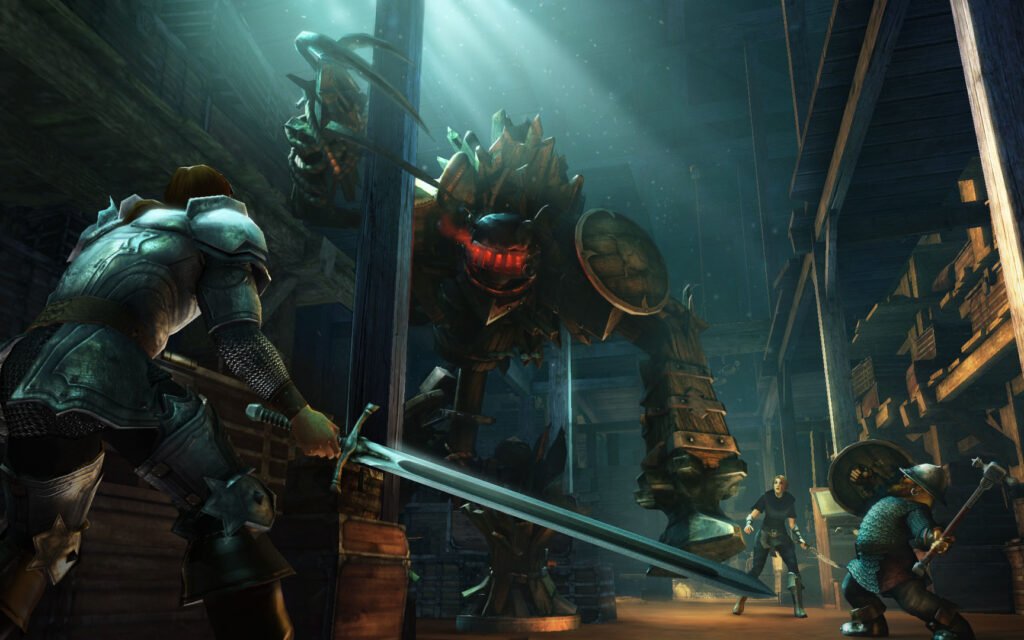
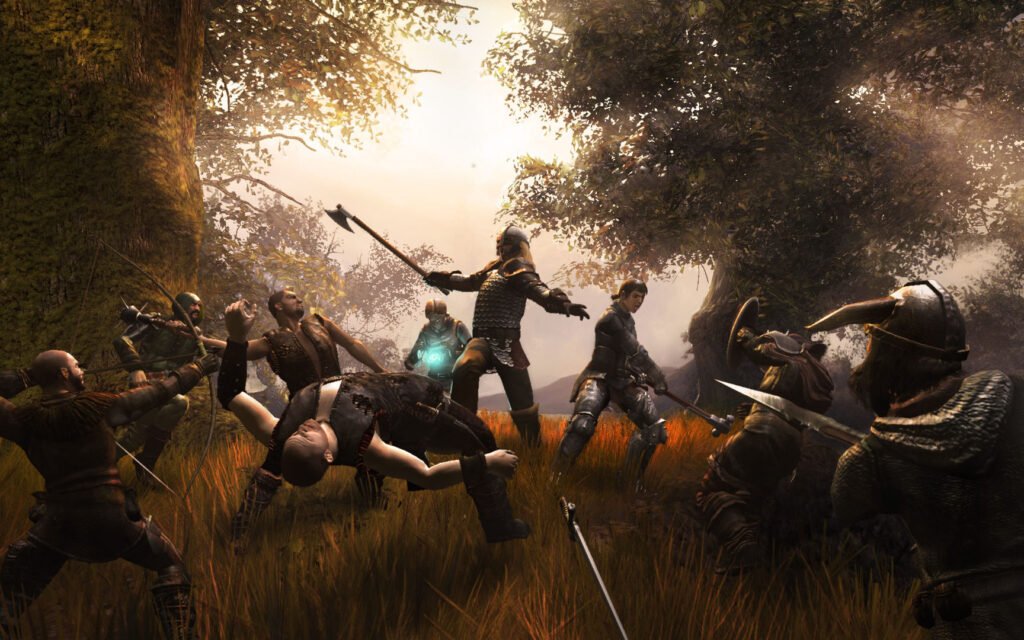
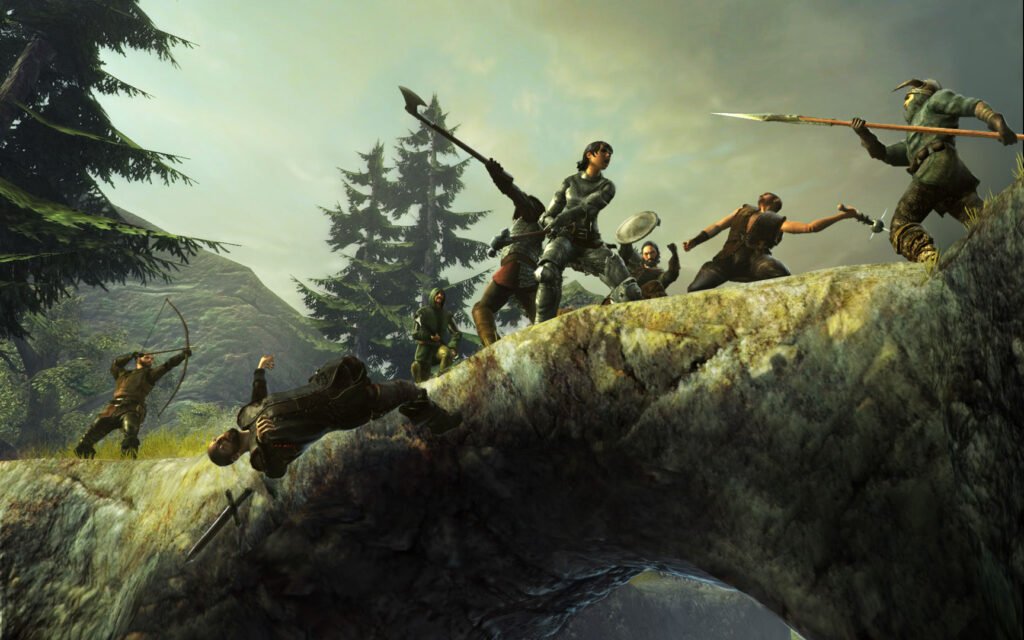
The combat uses a real-time with pause system that demands tactical thinking. You cannot just select your party, click on an enemy, and hope for the best. Wounds accumulate quickly, armor actually absorbs damage rather than just making you harder to hit, and positioning is vital. If your squishy spellcaster gets cornered by a couple of aggressive goblins, they will crumble in seconds. It encourages you to pause frequently, queue up specific combat maneuvers like Mighty Blow or defensive stances, and manage your party’s endurance and astral energy with precision.
Yet, despite the mechanical complexity, the world itself feels incredibly inviting. The graphics have aged remarkably well thanks to a vivid, stylized art direction. Sunlight filters through dense forests, medieval towns hum with daily activity, and the soundtrack is filled with sweeping, melodic orchestrations that evoke a sense of high adventure rather than grimdark despair.
Setting Sail: Entering Phileasson’s Secret
Once you have mastered the currents of the Great River, the Phileasson’s Secret expansion offers a fascinating, high-stakes detour. This DLC integrates directly into the main campaign rather than acting as a standalone post-game story. While exploring, you encounter the legendary Thorwalian sea captain, Asleif Phileasson, who is locked in a fierce, continent-spanning contest to prove he is the greatest explorer alive.
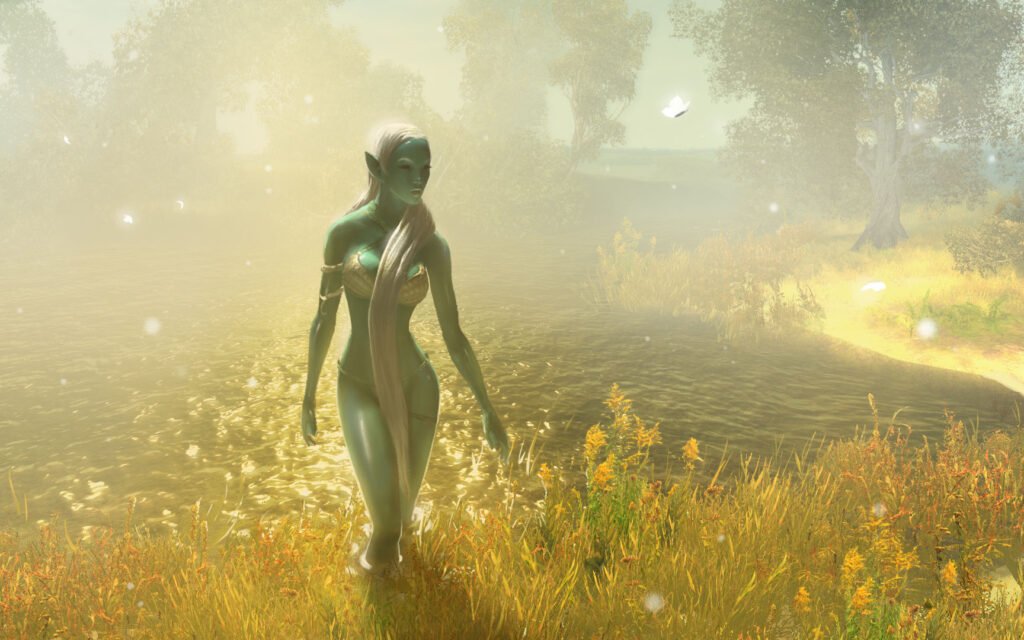
By joining his crew, you are whisked away from the familiar, muddy banks of the Great River and thrust into a realm of myth and ancient history. The expansion centers around the tragedy of the High Elves, a civilization that fell long before human kingdoms rose to prominence. You travel through magical portals to ancient, isolated locales, including a breathtaking, timeless city hidden deep within a pocket dimension.
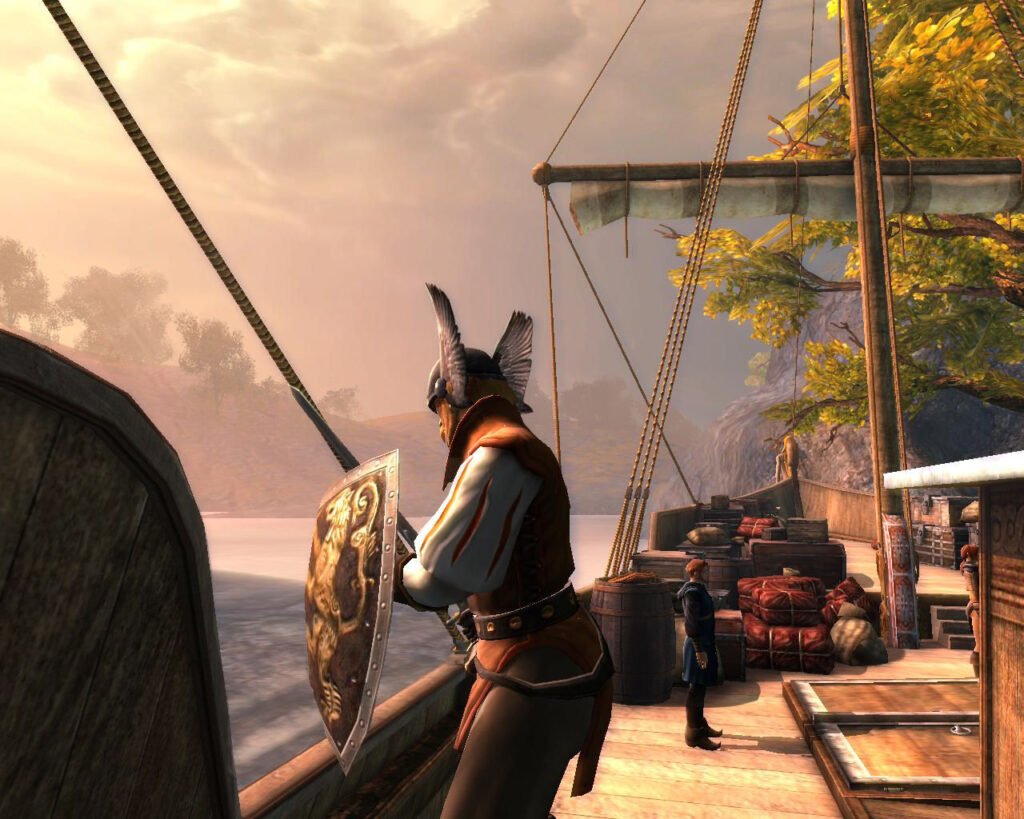
What makes Phileasson’s Secret such a blast is how it contrasts with the grounded nature of the base game. Suddenly, you are not just worrying about local river pirates or corrupt customs officials; you are interacting with immortal beings, uncovering centuries-old curses, and battling exotic creatures that feel entirely distinct from the main game’s bestiary.
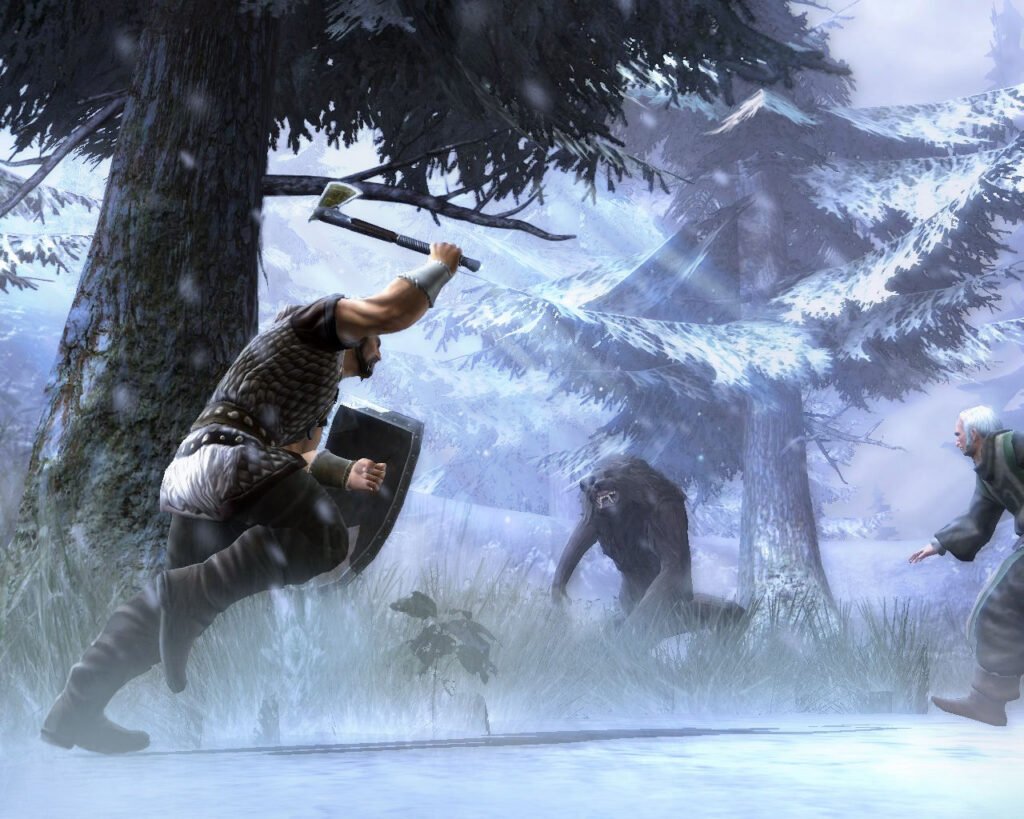
The expansion is admittedly more combat-heavy than the base game. It throws some incredibly challenging tactical encounters at your party, testing your grasp of the ruleset to its absolute limits. Boss fights require meticulous preparation, demanding that you brew the right potions, stock up on specialized ammunition, and utilize every buff spell at your disposal. For players who love the tactical crunch of the combat system, this expansion acts as a fantastic gauntlet.
Why It Still Deserves a Spot on Your Hard Drive
In an era where RPGs are increasingly streamlined to appeal to the widest possible audience, Drakensang: The River of Time and Phileasson’s Secret stand as proud monuments to a different philosophy. It is a game that respects your intelligence, rewards patience, and bathes you in an incredibly rich lore that feels fundamentally different from standard Anglo-American fantasy tropes.
It is a world where an elf isn’t just a human with pointy ears, but an alien creature whose very thoughts are intertwined with magic and music. It is a world where dwarves are defined by deeply ingrained cultural obligations, and where magic is a rare, dangerous art that requires years of academic study.
If you appreciate rich storytelling, deep character customization, and a tactical combat system that forces you to think like a tabletop strategist, do yourself a favor. Grab your staff, strap on your leather armor, and take a trip down the River of Time. You will find an adventure that is witty, challenging, and completely unforgettable.