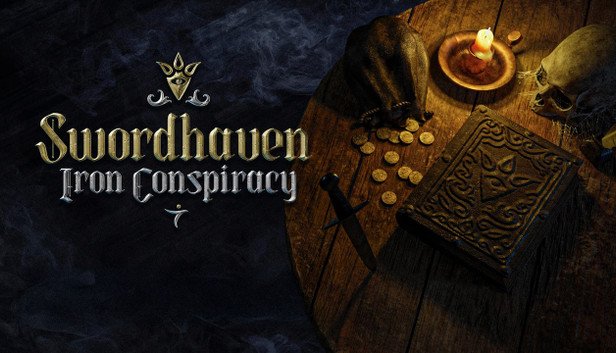

When Atom Team first burst onto the indie scene, they caught the attention of classic RPG fans by essentially delivering a love letter to the original Fallout games. With their sophomore effort, Swordhaven: Iron Conspiracy, the developers have shifted their sights toward a different golden era: the iconic Infinity Engine games like Baldur’s Gate and Icewind Dale.
The result is a remarkably solid, deeply atmospheric, old-school CRPG that transports players straight back to the late 1990s. It drops you into a richly detailed world full of tactical choices, classless character progression, and dense text-driven questing. For anyone who grew up hoarding potions and meticulously planning character builds on graph paper, this game feels like coming home. It represents a fantastic second outing for Atom Team, proving that their debut was no fluke and that they genuinely understand what makes classic roleplaying games tick.
Enter the Cursed City
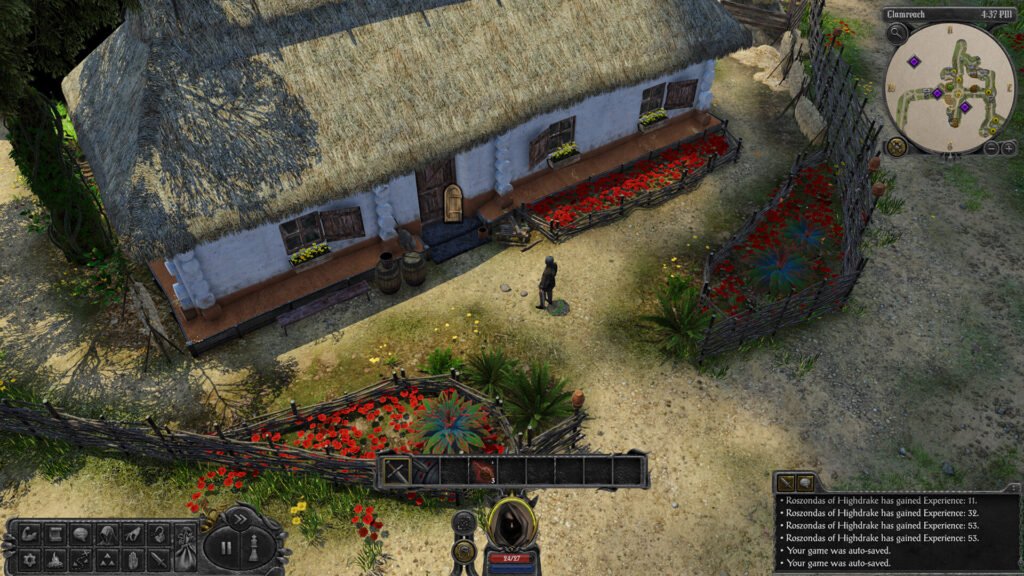
If you played the game at its initial launch, you might have felt like a few pieces of the puzzle were missing. Thankfully, the developers have been working overtime. The game recently received a huge update with “Cursed City”, which injects a massive boost of fresh content into the experience.
This update doesn’t just sprinkle a few new items into shop inventories; it expands the world map significantly. The Cursed City itself is a massive new region packed with eerie atmosphere, dangerous enemy types, unique boss encounters, and legendary loot. It also finally ties up lingering narrative threads, specifically expanding character arcs and introducing unique companion ending slides that reflect your choices. It feels like the definitive version of the game the developers always wanted to release, breathing brand new life into Nova Drakonia and offering a great excuse to roll a brand-new character.
The Real-Time Combat Conundrum
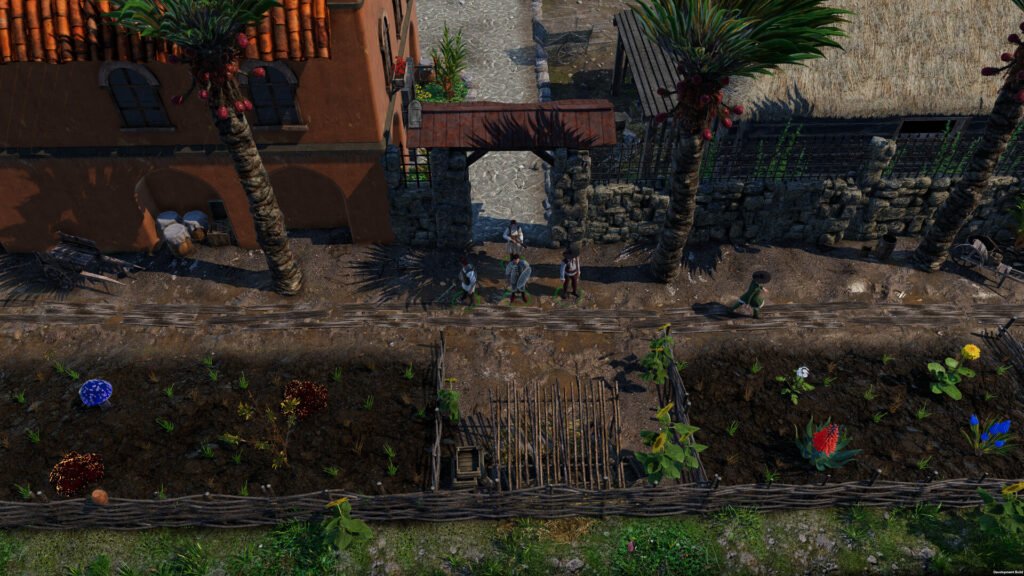
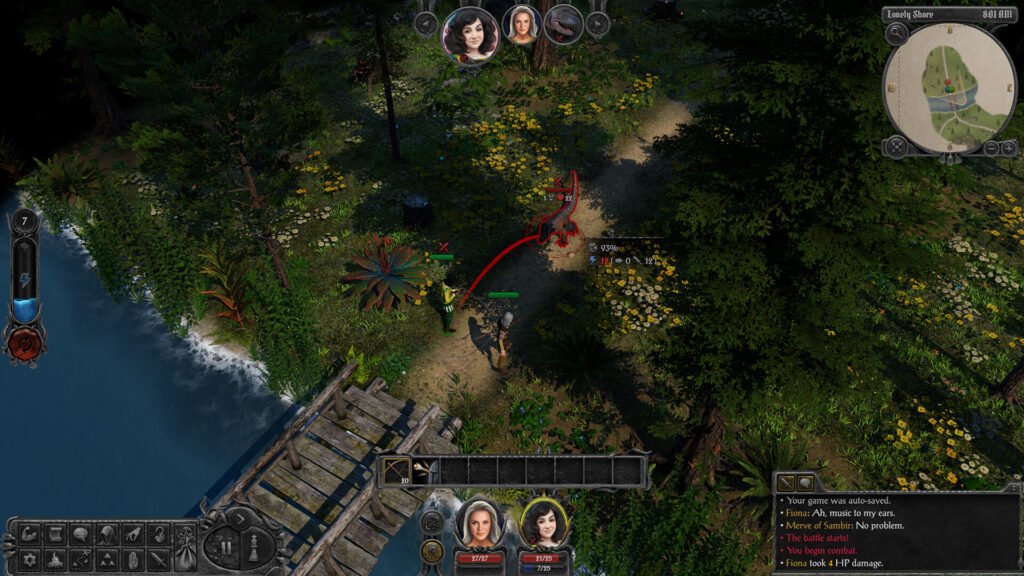
Despite the massive steps forward and the undeniable charm of the world, we need to talk about the combat systems. The game advertises a flexible system where you can seamlessly switch between Turn-Based mechanics and Real-Time with Pause (RTwP) mode. In theory, this gives players the best of both worlds. In practice, it highlights some of the game’s biggest design quirks.
To put it bluntly, the Real-Time with Pause combat feels tacked on and does not really work. When you attempt to play the game like a traditional Infinity Engine title, pushing through chaotic skirmishes by pausing and issuing orders, the underlying mechanics quickly break down. Your party members frequently suffer from severe pathfinding amnesia, completely ignoring manual inputs or failing to execute most combat commands entirely. Characters will stand frozen in place or target the wrong enemy, turning what should be a tactical dance into an exercise in pure frustration.
It becomes glaringly obvious that Atom Team clearly focused the combat more on the turn-based side of the house. The moment you switch over to the grid-based, turn-by-turn system, the game finds its footing. Actions cost specific stamina points, positioning matters immensely, and your tactical commands actually follow through exactly how you intended. If you treat this strictly as a turn-based tactical RPG, you will have an absolute blast. If you insist on playing it in real-time, you are going to spend a lot of time yelling at your screen.
Navigating the June 2026 Bug Minefield
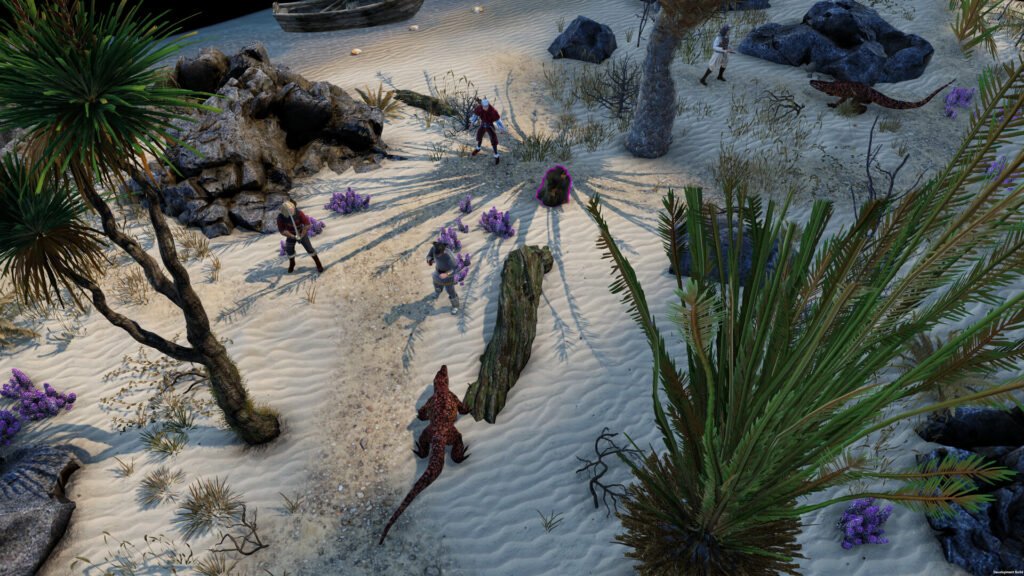
The other major elephant in the room is the game’s current technical state. Even with the massive overhaul provided by the recent patch, the underlying engine feels like it is constantly being pushed to its absolute limits. As of June 2026, the game still has a lot of freezes, crashes to desktop, and bugs.
During a standard playthrough, you are almost guaranteed to run into technical hitches. You might find your screen locking up mid-transition, or the game might simply vanish into thin air, dumping you straight back to your desktop during a heavy combat encounter. There are also plenty of minor, lingering bugs, ranging from broken UI elements and floating text to scripting errors that can temporarily stall a side quest. It requires a bit of patience and a very active trigger finger on the quicksave button. It is a stark reminder that indie development on this scale often comes with a bit of jank, and you will need to look past a rough outer shell to appreciate the diamond underneath.
A Highly Repeatable Masterpiece for Genre Purists
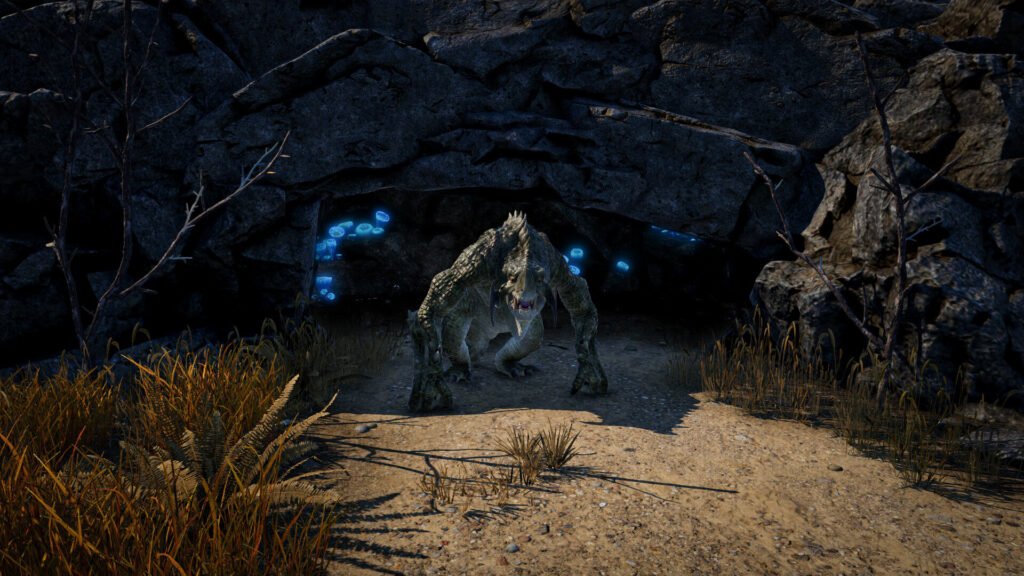
So, where does that leave us? Yes, the real-time combat is essentially a bust, and yes, you will occasionally have to relaunch the game after an unexpected crash. But if you are a true fan of the genre, none of that will stop you from falling completely in love with this adventure.
The core roleplaying systems are incredibly robust. The classless progression system allows for immense customization, meaning your specific stat combinations wildly alter your dialogue choices and unlock completely alternative solutions to major quests. The writing is sharp, the world-building is evocative, and exploration feels genuinely rewarding rather than like a checklist of chores.
All in all, however, it is a must-play for genre fans. The sheer depth of the choice-and-consequence mechanics means that Swordhaven: Iron Conspiracy is definitely worth a playthrough or 3. Each time you build a new protagonist, the world reacts differently, opening up entirely new pathways and narrative branches. Atom Team has crafted a flawed but deeply passionate tribute to the golden age of RPGs, and it deserves a spot on your digital shelf.