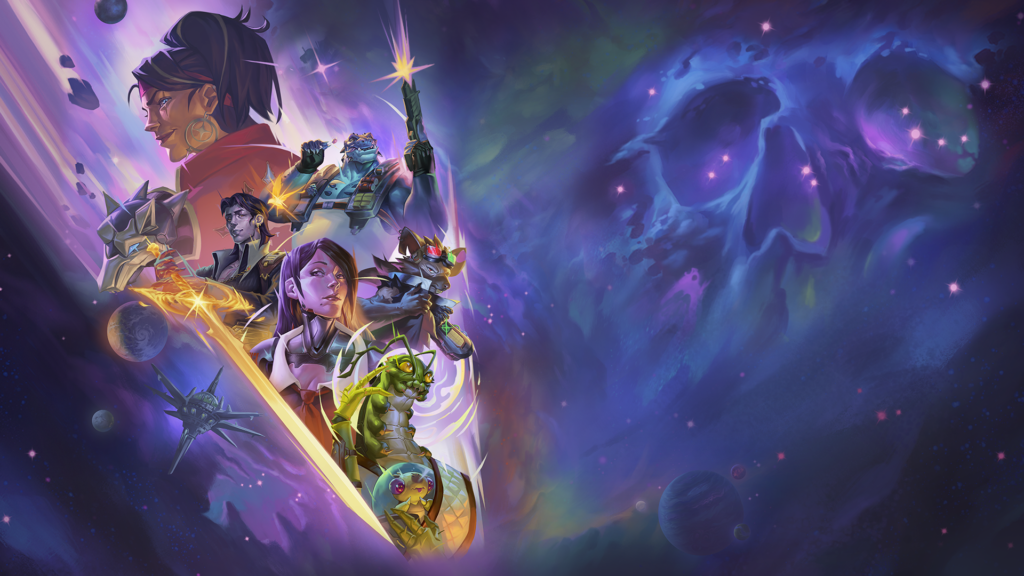

In the ever-expanding landscape of digital role-playing games, few announcements have sparked as much excitement among tabletop veterans as Starfinder: Afterlight. Developed by Barcelona-based Epictellers Entertainment in partnership with Paizo, this title marks the first full-scale video game adaptation of the popular science-fantasy tabletop RPG, Starfinder.
After a meteoric rise on Kickstarter in late 2025, the project has positioned itself as the “sci-fi answer” to the recent CRPG renaissance, drawing heavy inspiration from heavyweights like Baldur’s Gate 3 and Divinity: Original Sin.
A Record-Breaking Launch
The journey of Starfinder: Afterlight reached a fever pitch on October 7, 2025, when its Kickstarter campaign went live. The gaming community’s hunger for a deep, party-based space opera was immediate: the project met its initial funding goal of approximately $87,000 (€75,000) in just 80 minutes.
By the time the campaign concluded in early November, it had surpassed 1,000% funding, amassing over $800,000 from more than 14,000 backers. This massive success unlocked a litany of stretch goals that will significantly expand the game’s scope, including:
- New Playable Ancestries: The fan-favorite Skittermanders and Pahtras.
- Expanded Classes: The addition of the Technomancer, a master of hacking both code and reality.
- High-End Voice Acting: Full voice acting for all main villains and side quests.
- Guest Art: A portrait pack from renowned artist Josan “Deathburger” Gonzalez.
Gameplay: Tactical Depth in Deep Space
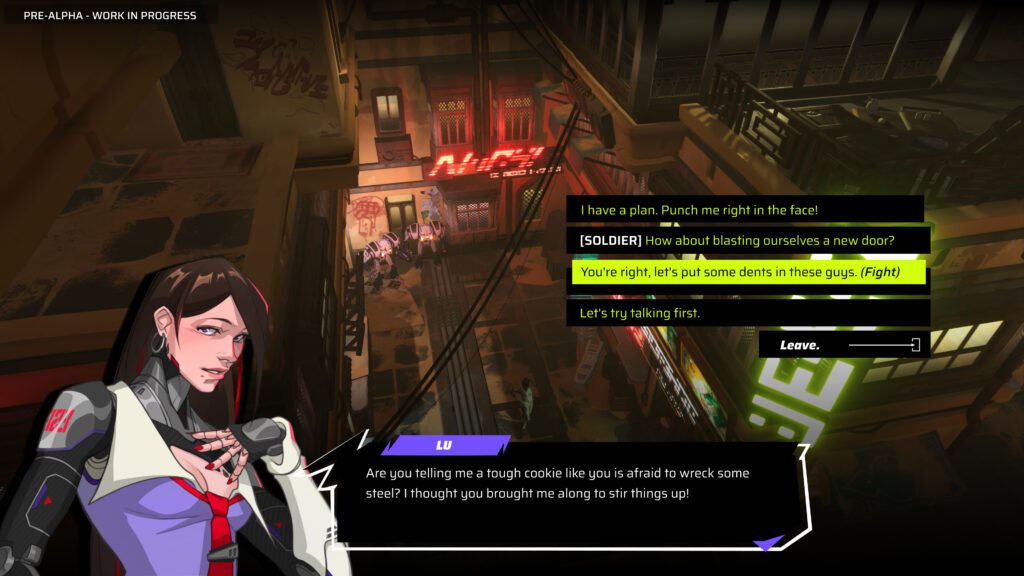
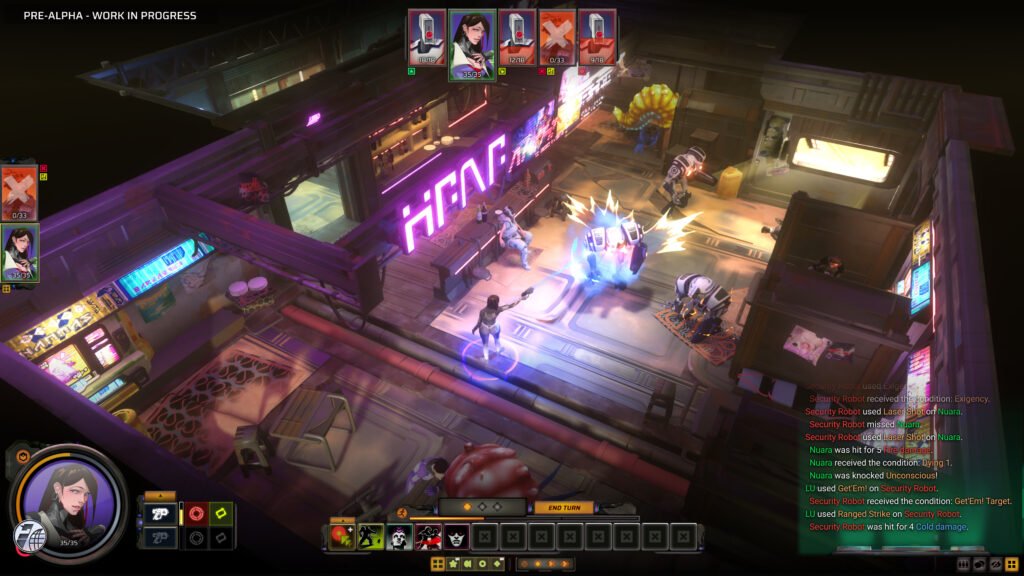
At its core, Afterlight is a single-player, party-based CRPG built on the Starfinder Second Edition ruleset. Epictellers has opted for a faithful adaptation of Paizo’s “Three-Action Economy.” This system allows players a high degree of tactical flexibility—rather than being restricted to a single “move” and “attack,” players can spend their actions on any combination of maneuvers, spells, or strikes.
The game features six core classes at launch—Soldier, Envoy, Operative, Mystic, Solarian, and Witchwarper—allowing for a diverse range of builds that blend high-tech weaponry with cosmic magic. Whether you are playing as a Vesk Soldier using brute force or a Lashunta Envoy charming your way through a space station, the game promises that your ancestry and class will meaningfully impact how NPCs react to you.
Story and Companions
The narrative of Afterlight begins with a crisis: the player’s ship captain, Captain Khali (voiced by Carolina Ravassa of Overwatch fame), has vanished. Players must step up to lead a ragtag crew across the Pact Worlds to stop a prophesied doomsday event known as “The Afterlight.”
The developers describe the vibe as “Divinity: Original Sin meets Guardians of the Galaxy.” Character relationships are central to the experience, with six primary companions available to recruit. These include:
- Preach: A Shirren Mystic who acts as a fatherly guardian to a mysterious larva.
- Sterling: A Borai Solarian and self-described “socialite” with a dark past.
- Lu-323: An Android Envoy with layers of hidden personality.
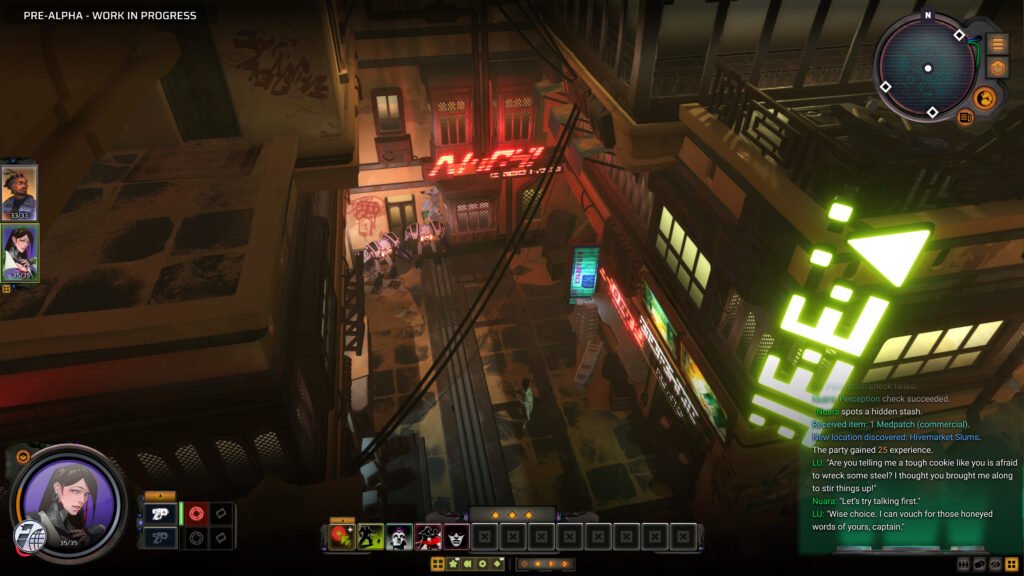
In a move reminiscent of Baldur’s Gate 3, the game features branching narratives and moral dilemmas where “nothing is forbidden, but everything has consequences.” Relationships can evolve into deep friendships or romances, or they can fracture entirely based on your leadership style.
Production Values and Voice Talent
Epictellers has pulled no stops regarding talent. The project’s voice direction is handled by Neil Newbon (BAFTA winner for his role as Astarion in BG3), who also voices a companion in the game. This emphasis on high-quality performance is intended to elevate the emotional stakes of the 40–60 hour campaign.
The game is being developed in the Godot engine, with the team prioritizing “reactivity over sheer size.” This means players can expect a world that remembers their choices, with multiple endings and high replayability.
Roadmap to Release
While the full version of Starfinder: Afterlight is slated for 2027, fans won’t have to wait that long to get their hands on the controls. The current roadmap includes:
- Early Access (Q2 2026): Launching on Steam with Act 1 complete (roughly 10–15 hours of gameplay).
- Community Iteration: A year of feedback-driven development to polish mechanics and balance.
- Full 1.0 Release (2027): Launching with the full story, all stretch goal content, and mod support.
Starfinder: Afterlight just goes to showcase the enduring power of the science-fantasy genre and the community’s desire for “crunchy,” narrative-heavy adaptations of tabletop worlds.