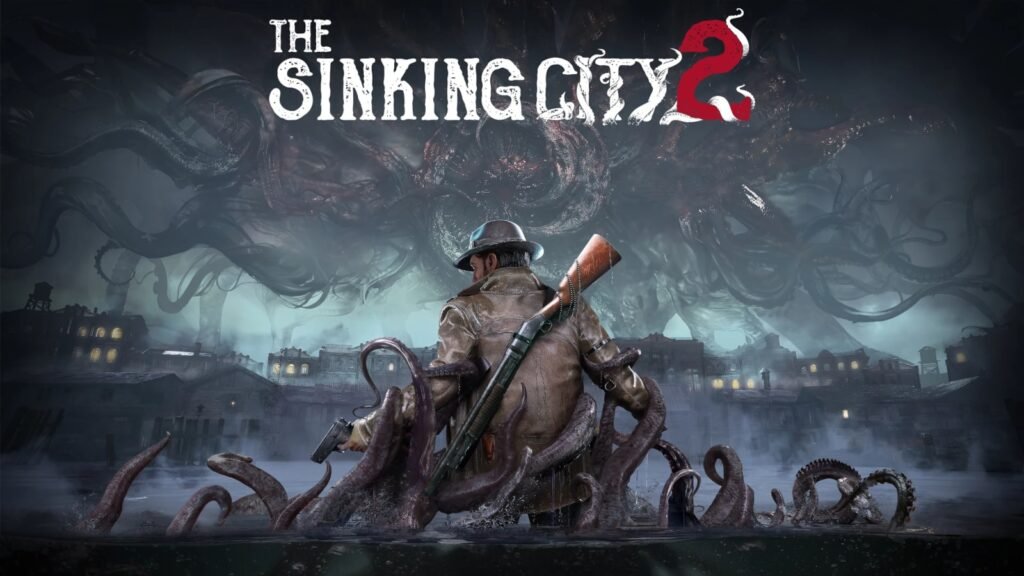

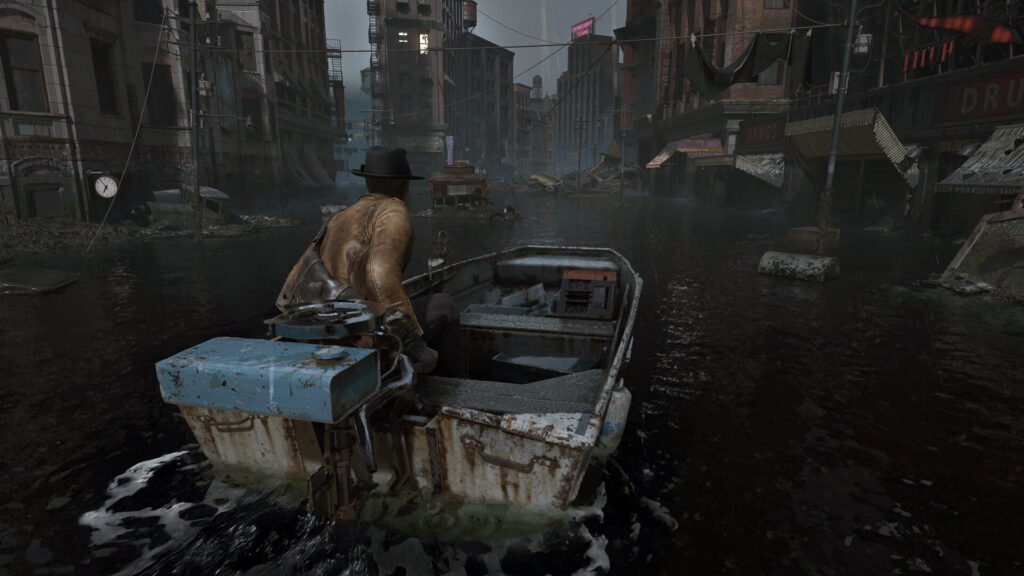
The Sinking City 2 drops you straight into the soggy, nightmare-soaked streets of 1920s Arkham, and it does not waste time trying to ease you in. One minute you are watching evacuation sirens blare across a half-drowned city, the next you are piloting a little motorboat through flooded avenues while worm-riddled corpses shamble after you. Frogwares has taken a hard left turn from the first game’s sprawling detective sandbox and delivered a tighter, meaner survival horror experience that feels like Resident Evil got a period makeover and a heavy dose of Lovecraft. The result is uneven in places, but it is also the most focused and atmospheric thing the team has made yet.
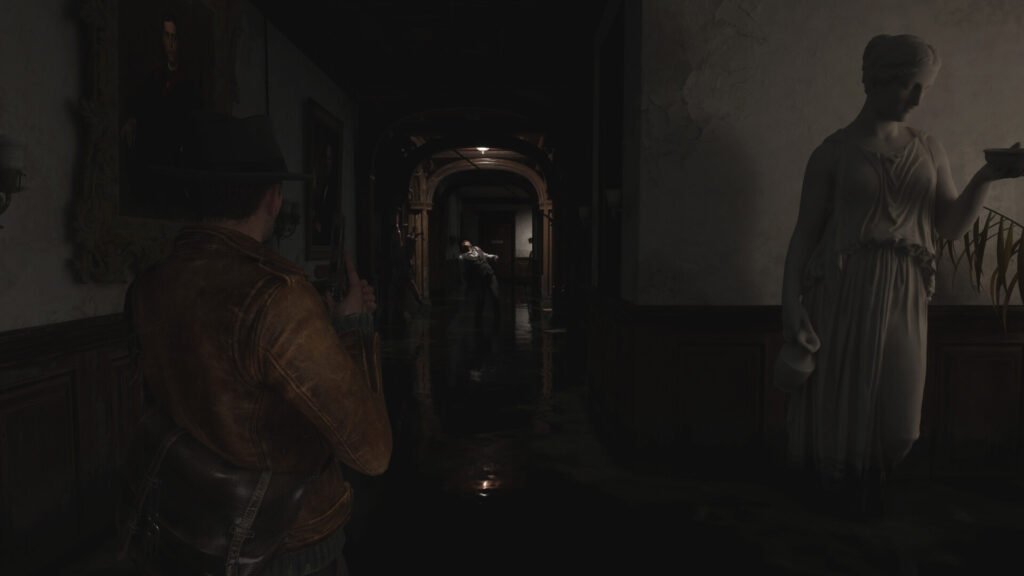
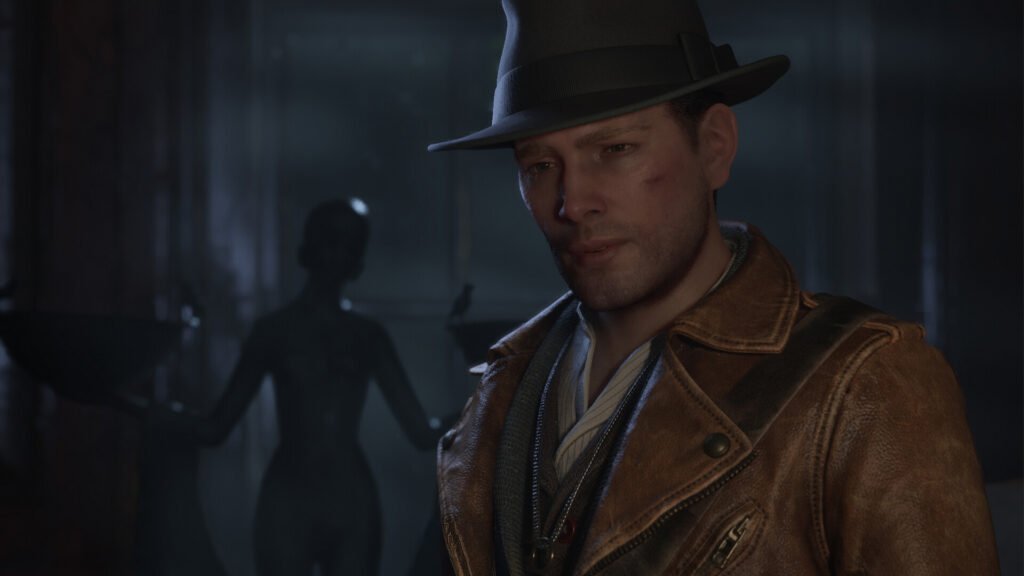
You play as Calvin Rafferty, a fedora-wearing occult adventurer who looks like he wandered out of a pulp magazine cover. After a ritual meant to poke around in the Dreamlands goes sideways, his partner Faye ends up trapped in a supernatural coma. Most sensible people would have evacuated with everyone else when the mysterious flood hit. Calvin stays. He needs ingredients, knowledge, and whatever dark favors the remaining weirdos of Arkham are willing to trade so he can pull her back. The story is pure cosmic melodrama—cursed pacts, interdimensional gods, talking brains in jars—and it never pretends otherwise. Some of the dialogue and facial animations are stiff enough to make you wince, and the central romance does not always land with the weight it wants. Still, there is a scrappy charm to Calvin’s determination that keeps the whole thing moving.
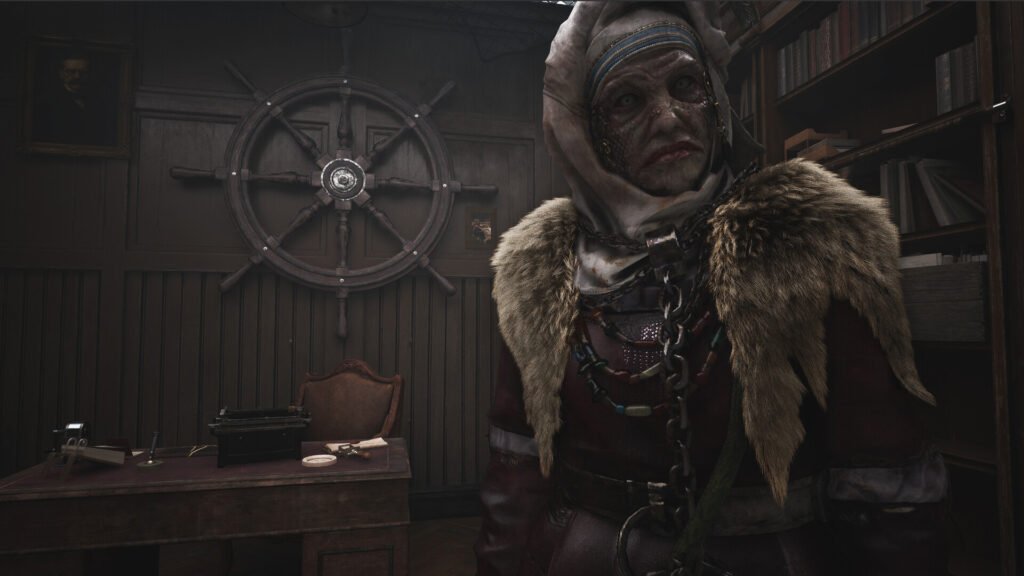
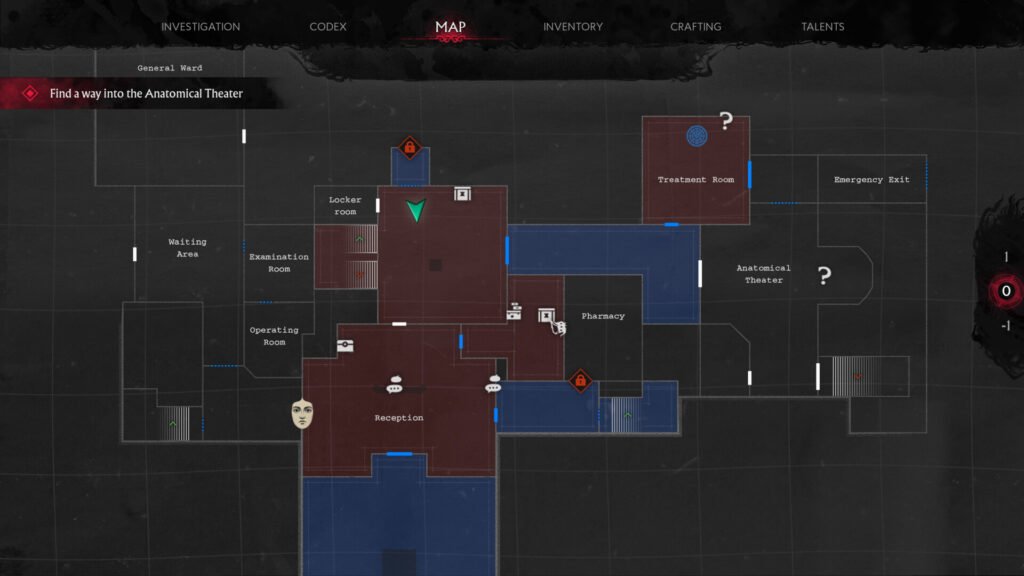
The biggest change from the 2019 original is structural. That game tried to be an open-world investigation sim with horror flavoring, and the world often felt empty and repetitive as a result. The Sinking City 2 throws most of that out. Exploration is now broken into distinct, carefully designed locations—rotting mansions, a waterlogged Miskatonic University, an abandoned hospital full of surgical horrors—that you reach by boat. Once you dock, you are on foot, and the classic survival-horror loop kicks in hard. Inventory space is tight. Ammo is scarce. Crafting materials compete with healing items and quest keys for precious slots. Safe rooms with typewriters (or their 1920s equivalent) become precious oases. Shortcuts you unlock early pay off later when you are limping back with half a health bar and three shells left.
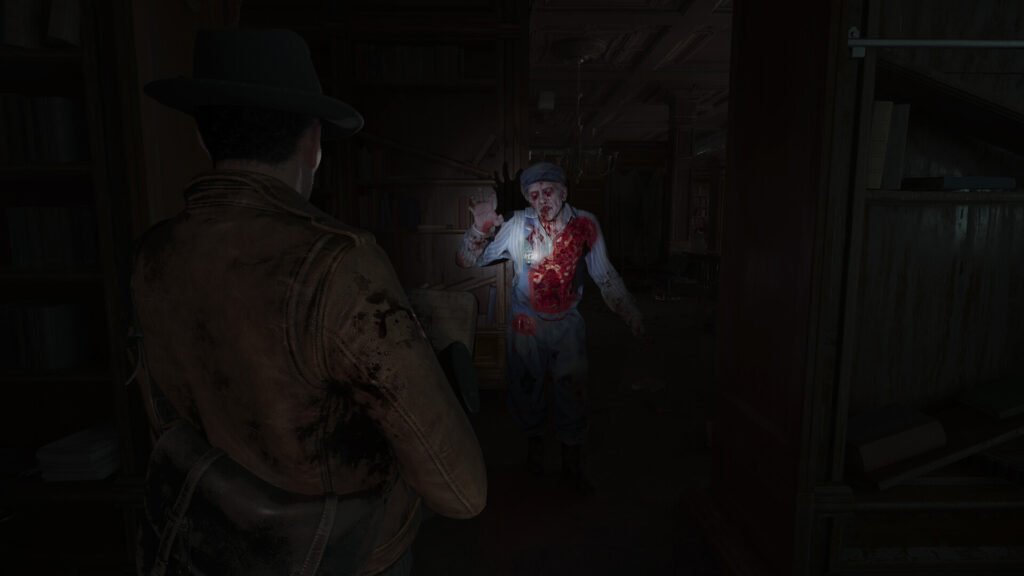
Combat has improved a lot. The first game’s shooting felt floaty and undercooked. Here you get a proper dodge, enemies that telegraph charges so you can sidestep and punish them with melee to save bullets, and a satisfying collection of period weapons—tommy guns, shotguns, revolvers—that feel weighty when they connect. The main threats are the Slither, worm-like parasites that climb into corpses and turn them into aggressive puppets. Shoot one down and there is a good chance another worm will just hop into a fresh body nearby. Later you start running into bigger cosmic nasties that force you to rethink your approach. Enemy variety is still limited, and the same shambling models appear a bit too often, but the tension of never quite knowing whether you have enough resources to push forward keeps every encounter sharp.
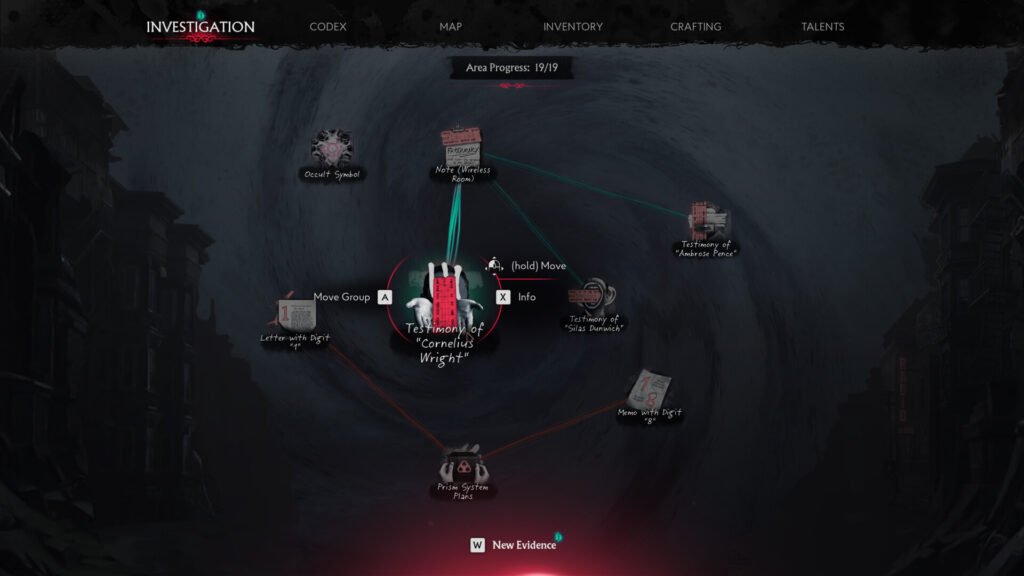
Puzzles are where Frogwares really flexes its detective roots. Even though the big Mind Palace deduction systems of the first game and the Sherlock titles have been dialed way back, the environmental brain-teasers here are frequently excellent. You will find yourself deciding which jarred brain is lying, fixing a crane so you can move a rotting whale carcass out of the way, or piecing together codes from scattered notes and environmental clues. Some of the more elaborate ones feel gloriously unhinged in the best classic survival-horror tradition. They reward exploration and observation without becoming pure busywork.
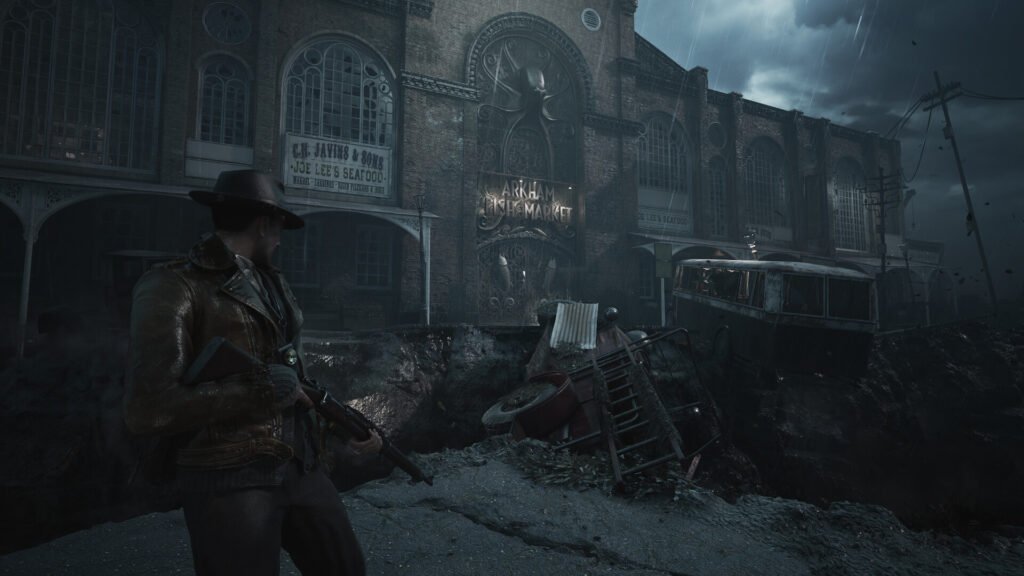
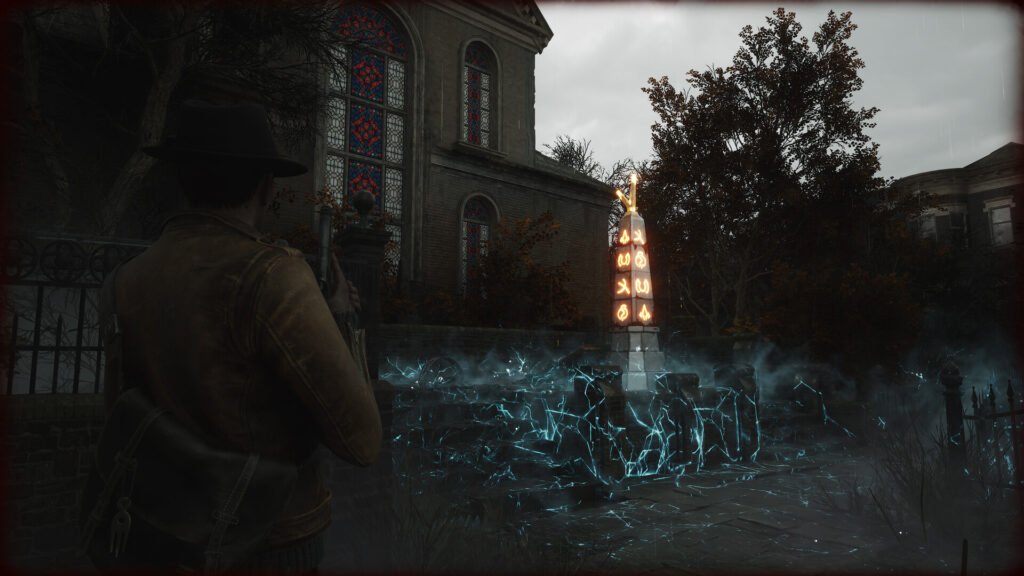
Atmosphere is the real star. Unreal Engine 5 helps the flooded Art Deco streets and moldy interiors look appropriately decayed and oppressive. Sound design does a lot of heavy lifting—distant howls, wet dragging noises, the occasional splash that makes you spin around expecting something that is not there. The game understands that Lovecraftian dread works best when the ordinary world is just slightly wrong. A flooded fish market where the merchandise starts moving, a hospital wing where the medical records double as war trauma notes (a quiet, sobering nod to the real-world conditions under which this game was made), a siren’s fan meet-and-greet that ended in absolute carnage—these set pieces stick with you.
That real-world context matters. An opening screen notes the tens of thousands of air-raid sirens the developers lived through while building this thing. Work continued. Life continued. You can feel that stubbornness in the game’s DNA. It is not subtle about themes of refusing to abandon what you love even when the world is literally sinking, and that sincerity gives the pulpier moments unexpected emotional weight.
There are clear limits. The campaign is relatively short—most players will wrap it in twelve to fifteen hours—and once you leave the semi-open first act the structure becomes more linear. Side content and optional exploration thin out. The ending arrives in a rush that left some reviewers wanting more of the city and the supporting cast. Inventory management can tip into frustration when crafting materials eat space you need for actual useful gear. Performances remain a weak spot; the budget shows in the stiff faces and occasionally overwrought delivery.
None of that sinks the experience. The Sinking City 2 knows exactly what kind of game it wants to be: a tense, resource-tight, puzzle-heavy survival horror set in a beautifully rotten version of Lovecraft’s favorite city. It is not reinventing the genre, and it does not need to. It takes the best tricks from Resident Evil and filters them through genuine affection for cosmic horror and a studio that has spent years refining its craft under difficult conditions. The result is a game that feels both familiar and freshly unsettling.
If you loved the first Sinking City for its detective systems and open-world freedom, this sequel will feel like a different beast. If you have been craving a solid, atmospheric survival horror that actually understands why limited ammo and locked doors create dread, this one delivers. Calvin’s desperate boat trips through the flooded dark, the wet sounds of something moving just out of sight, the moment you realize the corpse you just put down is already twitching again—these are the reasons to stick around while the rest of Arkham flees. It is not perfect. It does not have to be. Sometimes grim tenacity and a good tommy gun are enough.