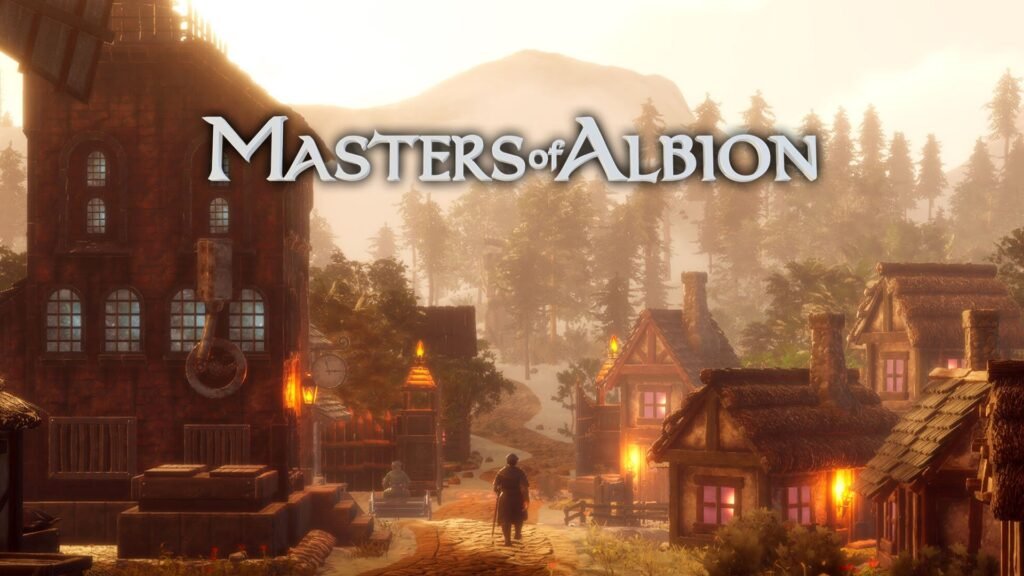

Peter Molyneux, the visionary (and often controversial) creator behind Populous, Black & White, and Fable, is making a high-stakes return to his roots. His latest project, Masters of Albion, developed by his studio 22Cans, has officially been branded as the “culmination” of his life’s work.
Set in the familiar, whimsical, yet dark world of Albion, the game aims to resurrect the “God Game” genre for a modern audience. Here is everything you need to know about the upcoming release.
Gameplay: The “God Hand” Returns
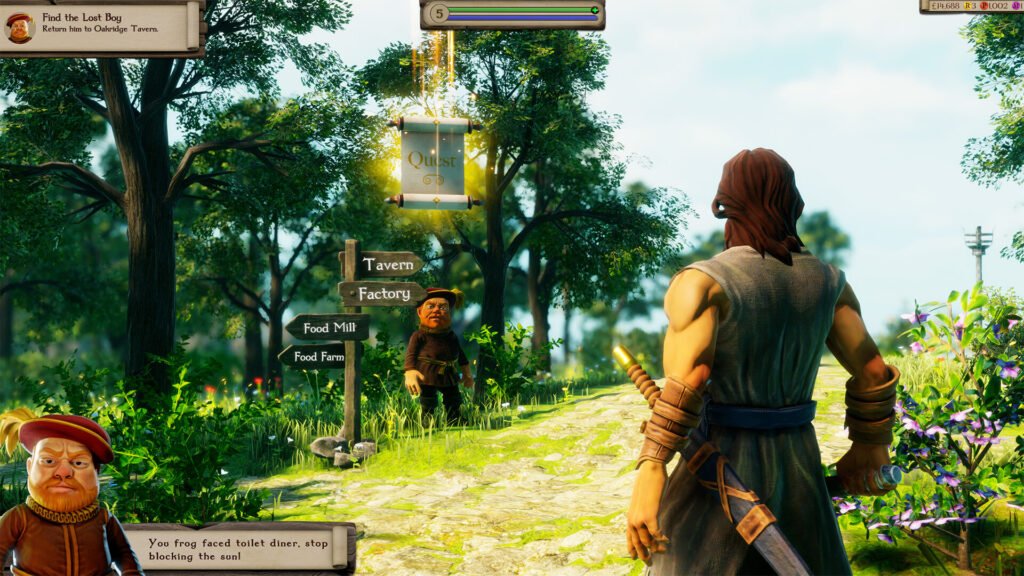
Masters of Albion blends city-building, strategy, and third-person action. The core gameplay loop is divided into two distinct phases that challenge your creativity and your combat prowess.
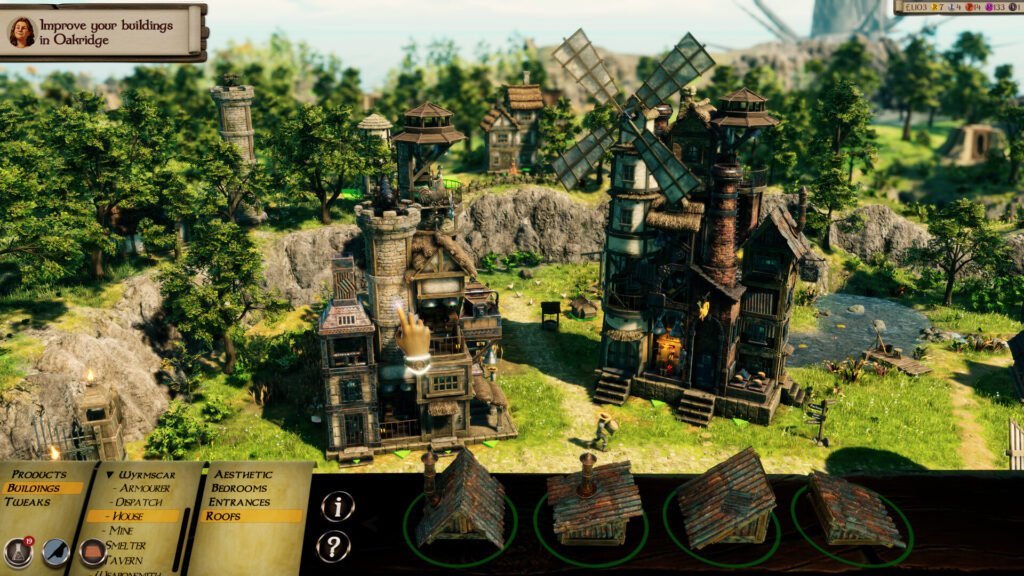
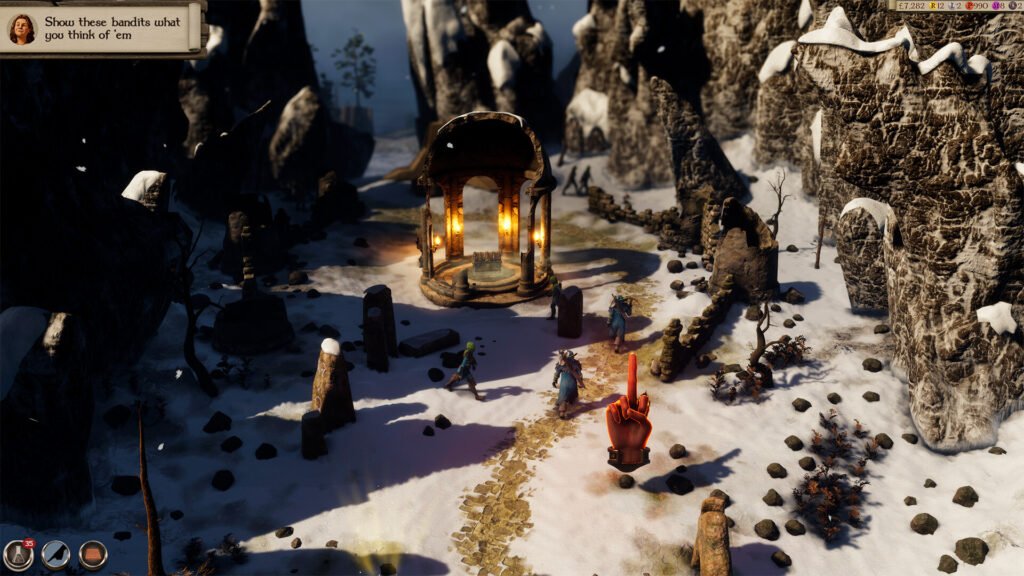
- Build by Day (Cozy Management): Using the “God Hand”—a direct nod to the mechanics of Black & White—players can physically interact with the world. You don’t just click menus; you pick up villagers, stack bricks to build houses, and customize everything from the food your people eat to the swords they carry. Every design choice has economic consequences, affecting how your town of Oakridge prospers.
- Fight by Night (Survival Defense): When the sun sets, the “cozy” atmosphere vanishes. Waves of “Night Terrors” and infected creatures emerge to siege your town. You can defend your people in two ways: Either use your hand to flick enemies into the sky or drop boulders on them or zoom down into a third-person perspective to inhabit a specific hero or villager, fighting the horde directly with physics-based combat.
The game features several veteran collaborators from the Bullfrog and Lionhead eras, including composer Russell Shaw and lead designer Mark Healey, signaling a deliberate return to the British wit and deep simulation that made his early career legendary.
The early trailers show a polished, systems-heavy game that feels like a spiritual successor to the games fans have missed for decades. It combines the moral choices of Fable, the “God” interaction of Black & White, and the management depth of Dungeon Keeper.
Whether it can live up to the massive legacy of its predecessors remains to be seen this April 22 when the title launches for PC (via Steam).