
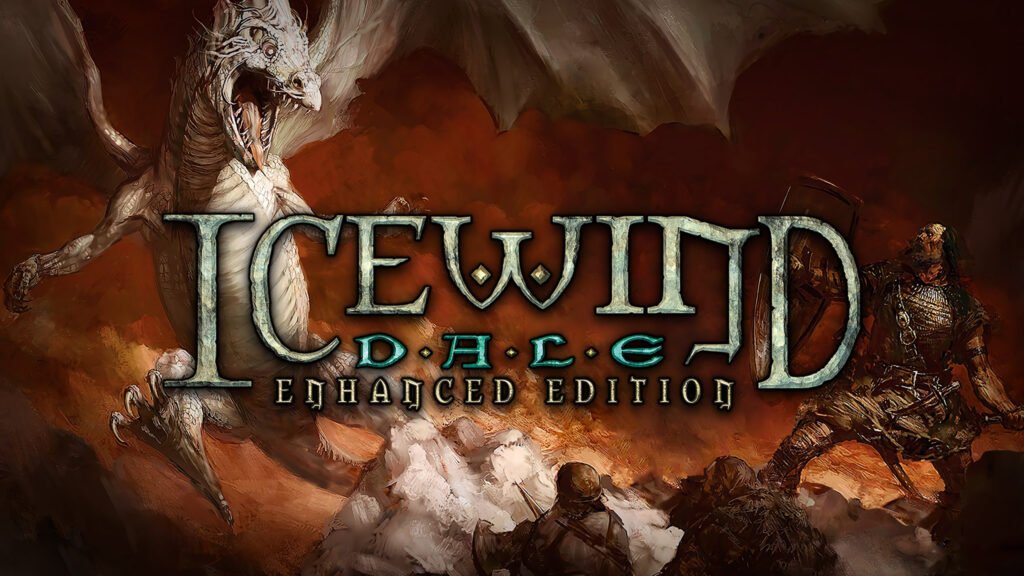

Release Date: June 29, 2000 Developer: Black Isle Studios
Get It On: GOG
In the pantheon of the “Greatest Hits” of the Infinity Engine era, Icewind Dale often finds itself cast in the long, formidable shadow of its siblings. Baldur’s Gate is the sprawling, character-driven epic; Planescape: Torment is the philosophical, text-heavy masterpiece. By comparison, Icewind Dale—released by Black Isle Studios in 2000—is often described simply as the “combat one.”
However, to dismiss it as a mere dungeon crawler is to miss the cold, crystalline beauty of one of the most atmospheric RPGs ever made. Icewind Dale is a masterpiece in focused design, trading the branching narratives of its peers for a rhythmic, tactical journey through the frozen reaches of the Forgotten Realms.
A Symphony of Frost and Stone
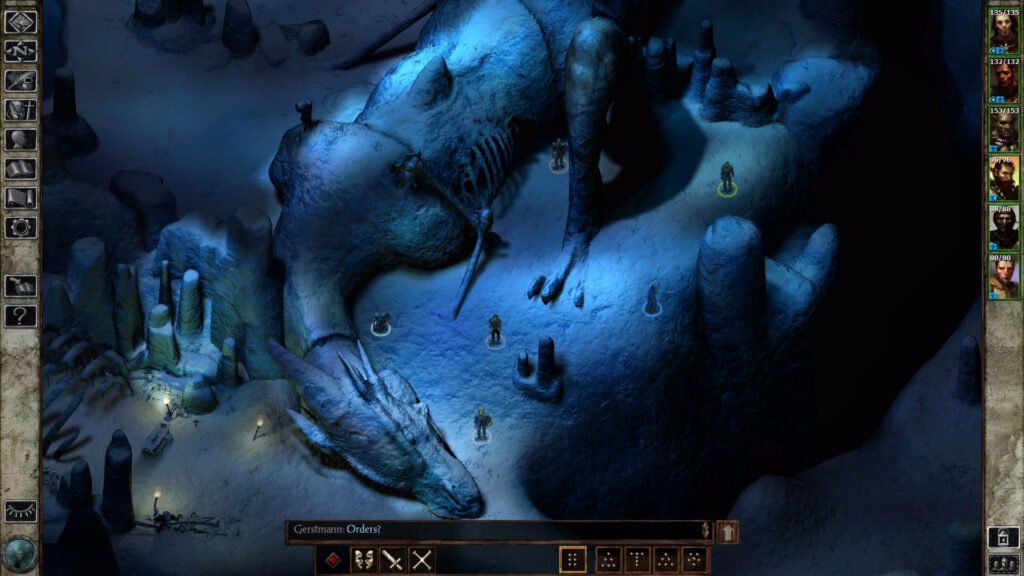
The first thing that strikes you about Icewind Dale is its incredible sense of place. While Baldur’s Gate takes you through lush forests and bustling cities, Icewind Dale traps you behind the Spine of the World—a jagged mountain range that isolates the “Ten-Towns” from the rest of Faerûn.
The atmosphere is heavy, melancholic, and utterly immersive. This is largely due to two factors: the stunning pre-rendered backgrounds and Jeremy Soule’s hauntingly beautiful score. The artwork captures the biting chill of the North; you can almost feel the wind whistling through the screen as you navigate the snowy mountain passes of the Kuldahar Pass or the eerie, bioluminescent glow of the Severed Hand. The soundtrack remains, to this day, one of the greatest in gaming history, blending orchestral grandeur with somber, lonely melodies that perfectly reflect the struggle for survival in a land that wants you dead.
The Art of the Custom Party
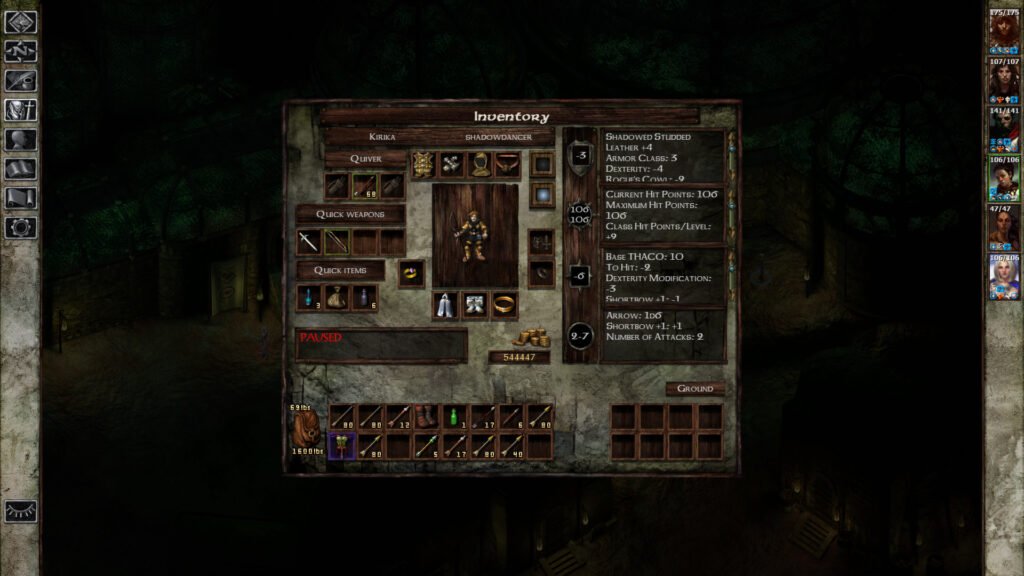
Unlike other Infinity Engine games, Icewind Dale does not provide you with a cast of colorful companions to recruit. There is no Minsc, no Viconia, no Morte. Instead, you create your entire six-person party from scratch at the very beginning of the game.
For some, this lack of “banter” is a drawback. For the tactician, it is a revelation. It allows for a level of mechanical synergy that the other games can’t match. You aren’t just a “Chosen One” followed by a ragtag group of misfits; you are an adventuring company. Whether you want to build a balanced party of classic D&D archetypes or experiment with a thematic group of six Dwarven Defenders, the game gives you total control over your tactical identity.
This customization is vital because Icewind Dale is significantly more difficult than Baldur’s Gate. It relies on “mob” encounters—large groups of enemies that require careful positioning, crowd control, and a deep understanding of the AD&D 2nd Edition ruleset. From the goblin-infested caves of the Dragon’s Eye to the brutal showdowns with the demonic Yxunomei, every major encounter feels like a high-stakes chess match played with fireballs and enchanted steel.
A Story of Ancient Evils
While the narrative is more linear than its peers, it is by no means “light.” The story begins in the humble tavern of Easthaven, where a simple expedition leads to the discovery of a deepening rot threatening the Great Oak of Kuldahar.
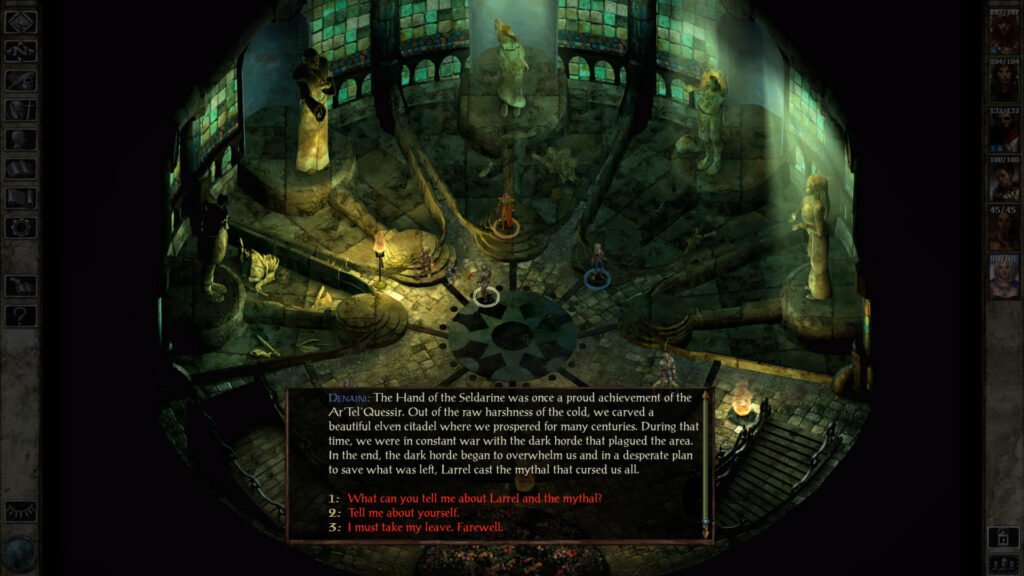
The writing is punchy and effective, delivered via excellent narration and dialogue that feels grounded in the grit of the frontier. The plot weaves through the history of the region—ancient elven ruins, fallen dwarven fortresses, and the legacies of dead gods. It is a “meat and potatoes” fantasy tale, but it is served with such style and conviction that it remains compelling through its 40-hour runtime. It captures the “tabletop feel” better than almost any other game; it feels like a weekend-long D&D campaign run by a Dungeon Master who has spent years perfecting their world-building.
The Legacy of the North
Icewind Dale succeeds because it knows exactly what it wants to be. It doesn’t try to be a life simulator or a choice-driven political drama. It is a journey into the dark, a test of tactical mettle, and a beautiful exploration of one of the harshest climates in fiction. It is the RPG equivalent of a heavy winter coat: sturdy, reliable, and essential for those who want to brave the cold.
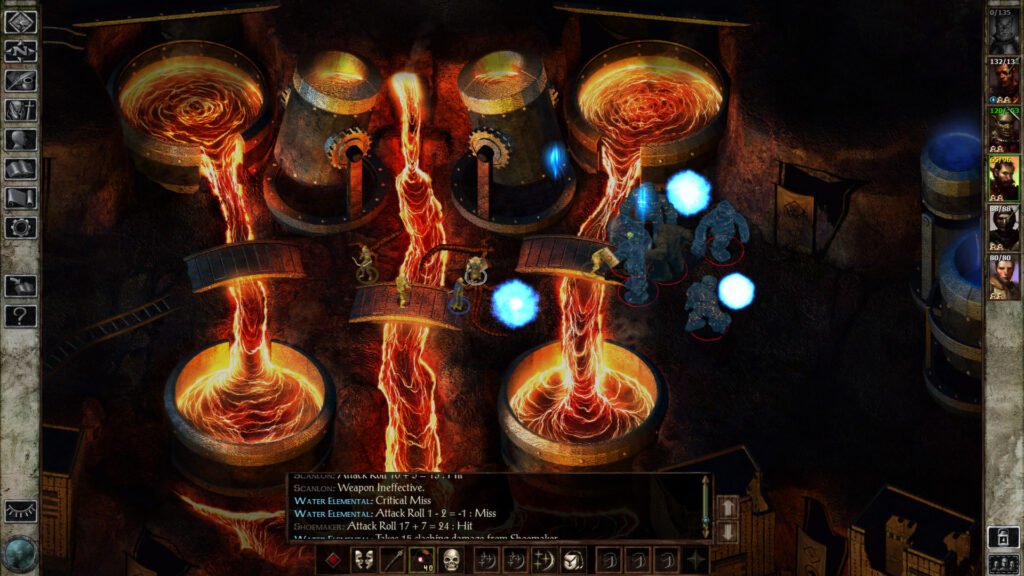
The Enhanced Edition by Beamdog
Decades after its original release, Icewind Dale: Enhanced Edition (developed by Beamdog) has become the definitive way to experience this classic. This version does more than just make the game run on modern monitors; it fundamentally enriches the gameplay by back-porting many of the mechanical improvements from Baldur’s Gate II. Players now have access to dozens of new kits (subclasses), such as the Blackguard and Dwarven Defender, along with a massive library of spells and items that weren’t in the 2000 original. It also restores “cut content”—quests and encounters that were removed due to time constraints—and includes the Heart of Winter and Trials of the Luremaster expansions. For both veterans and newcomers, the Enhanced Edition smooths over the rough edges of the old Infinity Engine while preserving the brutal, tactical heart of the Frozen North.