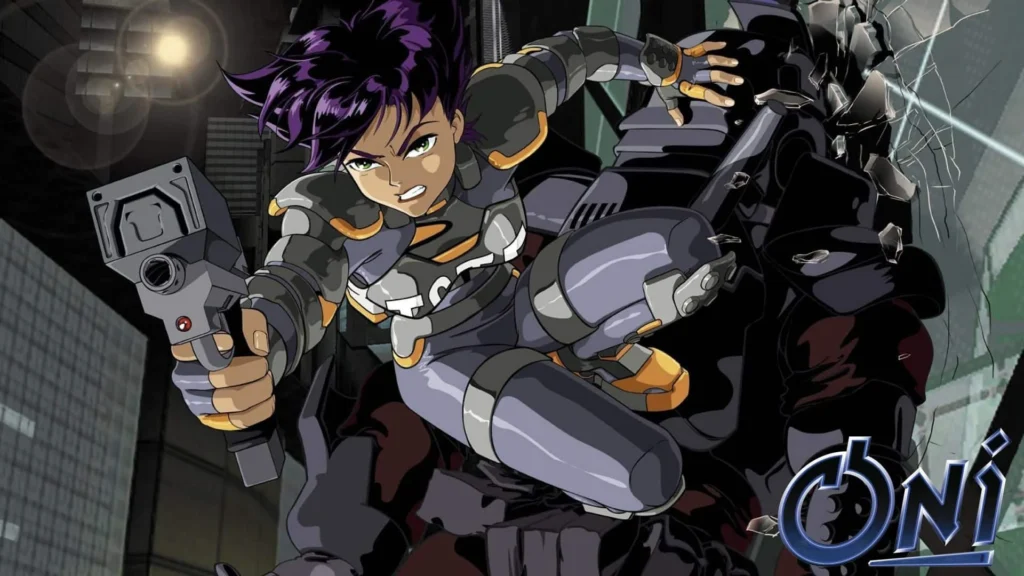

Release Date: January 29, 2001 Developer: Bungie West (a specialized division of Bungie)
Developed by Bungie West (a short-lived satellite office of the Halo creators), Oni is essentially what happens when you take the DNA of Ghost in the Shell, mix it with a 3D fighting game, and sprinkle in some early tactical gunplay.
It arrived during a golden era of experimentation, sitting in a strange, wonderful gap between the tactical shooters Bungie was known for and the high-flying martial arts of Hong Kong action cinema. While it never became a massive franchise like its younger brother Halo, it remains one of the most unique “blended” combat games ever made.
The Anime Influence
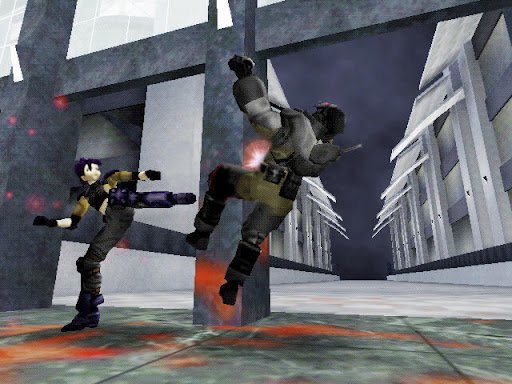
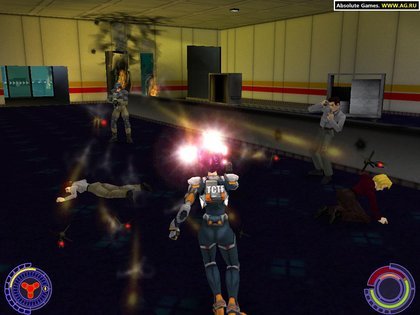
The game is a massive love letter to 90s cyberpunk anime, specifically drawing heavy water from the well of Ghost in the Shell. You step into the combat boots of Konoko, an elite agent for the Technology Crimes Task Force in a future where the air is toxic and the government is essentially a global police state. The world design is fascinatingly stark; Bungie actually hired real architects to design the levels, leading to massive, sprawling structures that feel like genuine, functional buildings rather than just video game corridors. It gave the game a sense of scale and minimalism that was years ahead of its time.
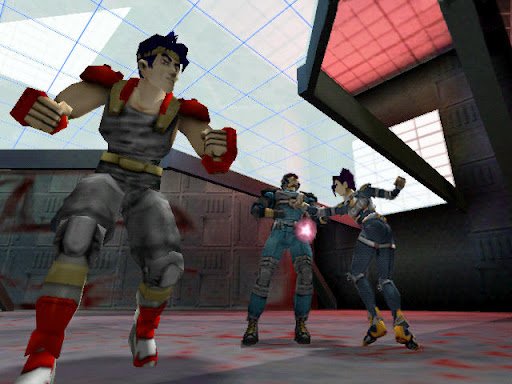
What truly set Oni apart, however, was its “Full-Contact Action” philosophy. At a time when most games forced you to choose between being a shooter or a brawler, Oni demanded you do both. The combat was built on a sophisticated move list that felt more like Tekken than Tomb Raider. You could slide-tackle a guard, disarm him mid-air, use his own rifle to thin out a crowd, and then finish the last guy with a devastating backbreaker. It was fluid, fast, and incredibly satisfying once you mastered the rhythm of switching between ballistics and bone-breaking.
A Complicated Legacy
The story of the game’s development is almost as dramatic as its plot. Right in the middle of production, Microsoft purchased Bungie to ensure Halo would be the flagship for the original Xbox. Due to prior legal agreements, the rights to Oni were handed over to Take-Two and Rockstar Games. This corporate shuffle resulted in some features being famously left on the cutting room floor—most notably a promised multiplayer mode that fans are still mourning decades later. You can still feel the “Bungie DNA” in the sound effects and the weight of the movement, making it a fascinating look at what the studio was capable of before they became the masters of the Master Chief.
Keeping the Flame Alive
Even though the graphics have aged and the levels can feel a bit empty by modern standards, the heart of Oni still beats strong. The fan community has kept the game alive through the Anniversary Edition, a massive project that ensures the game actually runs on modern hardware without melting your processor. It remains a beautiful, difficult, and stylish relic of a time when developers were still figuring out how 3D action should feel. If you have a soft spot for dystopian cities and the crunch of a perfectly timed roundhouse kick, it’s a piece of history well worth revisiting.