

If you were one of the many RPG fans who fell in love with the charm of the original GreedFall back in 2019, you’ve likely been keeping a weary but excited eye on its successor. Developed by the French studio Spiders, GreedFall 2: The Dying World isn’t just a simple “more of the same” follow-up. In fact, it’s a prequel that flips the entire script of the first game on its head. While the first game saw us playing as a diplomat from the “Old World” venturing into a mysterious new island, this time around, we are the ones being uprooted.
The game officially leaves Early Access on March 12, 2026, landing on PC, PlayStation 5, and Xbox Series X/S. After a long period of community feedback and mechanical overhauls, the final product is shaping up to be an ambitious, tactical, and deeply narrative-driven experience. Whether you’re a returning fan or a newcomer curious about this colonial fantasy setting, there is a lot to unpack regarding how this sequel (or prequel, technically) handles its world-building and controversial gameplay changes.
Flipping the Script on Colonial Fantasy
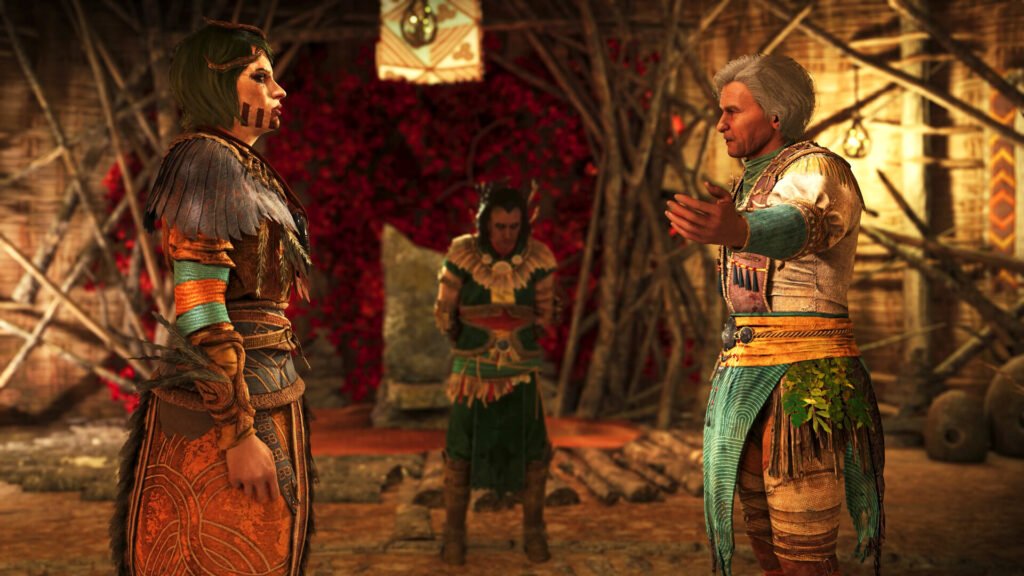
The narrative hook of GreedFall 2 is arguably its strongest asset. You play as a native of Teer Fradee, the magical, lush island from the first game. However, instead of defending your home from colonists, you are forcibly taken from your village and brought to the continent of Gacane. This is the “Old World” we heard so much about in the first game—a land ravaged by the Malichor plague, constant warfare, and the suffocating political machinations of various factions.
Being a stranger in a strange, dying land gives the story a much darker and more intimate tone. You aren’t a high-ranking diplomat with the protection of a merchant congregation this time; you are an outsider trying to regain your freedom in a society that views you with suspicion or as a mere curiosity. The shift in perspective allows for a much deeper exploration of the lore, showing us the crumbling grandeur of the old empires and the desperate lengths they go to in order to survive. The sense of discovery is still there, but it’s replaced by a feeling of survival and cunning diplomacy.
The Tactical Elephant in the Room
Perhaps the most talked-about aspect of GreedFall 2 is the radical change to its combat system. The first game featured a third-person, action-heavy approach that felt a bit like a clunkier The Witcher 3. For the sequel, Spiders decided to go in an entirely different direction, drawing inspiration from classic CRPGs like Dragon Age: Origins and Knights of the Old Republic.
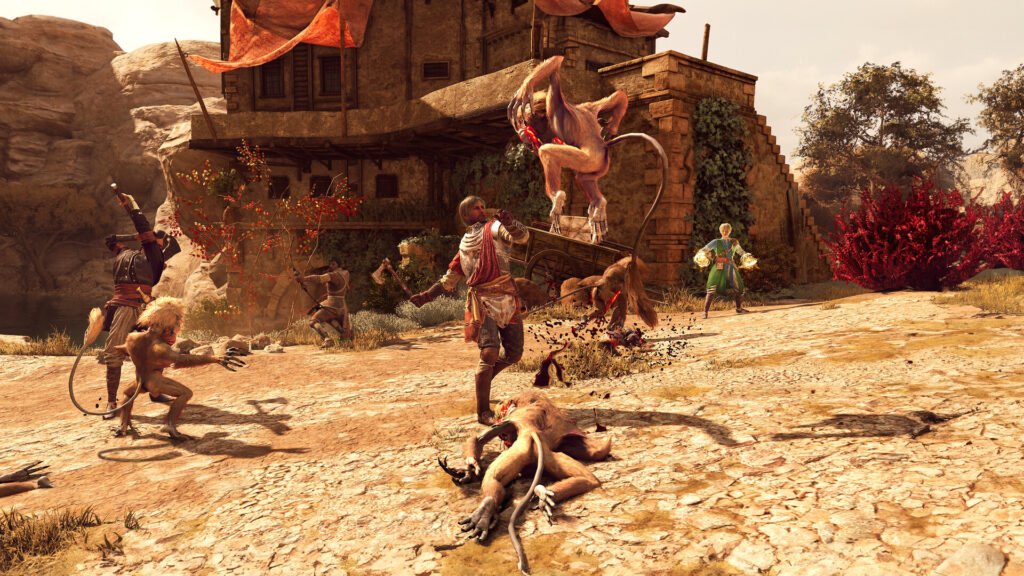
The new system utilizes real-time with pause, allowing you to control an entire party of four characters simultaneously. You can still let the AI handle your companions while you focus on your own character, but the real meat of the gameplay comes from hitting that spacebar, freezing time, and queuing up abilities. Each character has Action Points and cooldowns, making every encounter feel more like a violent chess match than a button-mashing brawl.
While this change initially polarized the community, the developer used the Early Access period to refine the flow of battle. They added better targeting, improved animations, and even included a “Story” difficulty mode for those who just want to soak in the atmosphere without worrying about the math of a tactical skirmish. It’s a bold move that moves the series away from “Action-RPG” and firmly into the territory of a Traditional Tactical RPG.
Companions and Character Agency
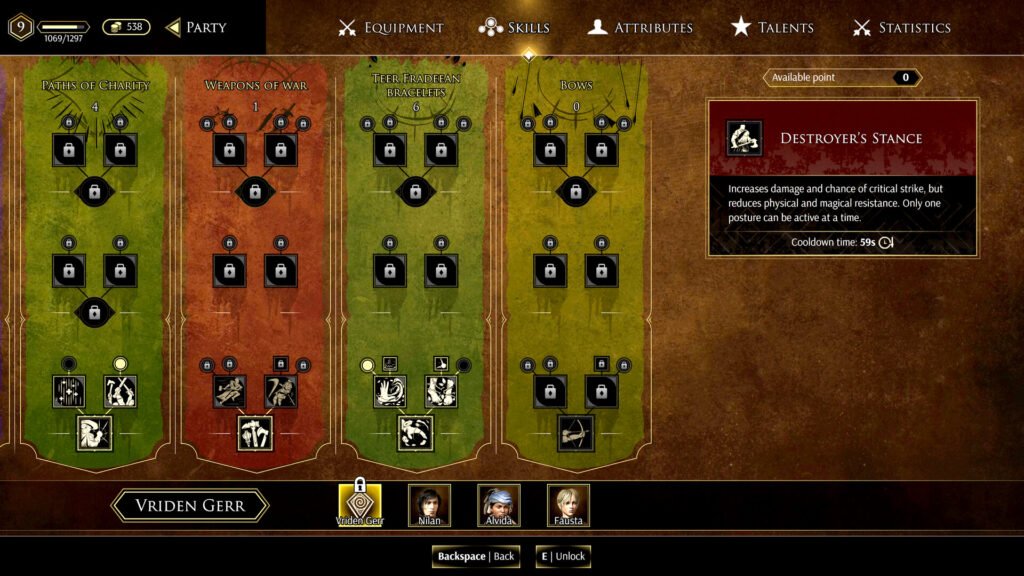
No Spiders game would be complete without a ragtag group of misfits to join your cause. In GreedFall 2, your companions are more integral than ever. Because the combat is designed around a full party, their unique abilities and backstories are woven directly into the gameplay. You’ll meet characters like Till, a warrior whose gruff exterior hides a sensitive soul, and Fausta, whose motivations are tied deeply to the political web of Gacane.
Building relationships with these characters isn’t just about unlocking new dialogue; it’s about securing alliances that can change the outcome of the story. The game places a heavy emphasis on player choice, where a single conversation or a decision to use force over diplomacy can ripple through the narrative. The developer has touted that the game is significantly larger than its predecessor, with more regions to explore and more modular quests that can be solved in multiple ways, whether through stealth, silver-tongued persuasion, or brute strength.
Polishing the Rough Edges
The Early Access period for GreedFall 2 was specifically designed to address possible jankyness. Early players reported issues with the UI, facial animations, and some bizarre bugs where weapons would simply vanish into thin air. By the time the 1.0 release rolls around in March 2026, many of these have been smoothed over.
The visual fidelity has seen a significant jump, especially in the environment design. The cities of Gacane, like the star-obsessed Olima, feel dense and lived-in, capturing that 18th-century baroque aesthetic with a magical twist. The loading times have also been optimized, making exploration across the new regions feel much more seamless than the segmented maps of the first game. While it may not have the astronomical budget of a Triple-A blockbuster, the heart and soul put into the world-building are undeniable.
Final Thoughts on the Dying World
GreedFall 2: The Dying World is a massive gamble that seems to be paying off for fans of deep, old-school role-playing. By moving away from the action-heavy roots and embracing a more tactical, party-based framework, Spiders has carved out a unique niche in the modern RPG landscape. It’s a game that respects the player’s intelligence, offering a complex world where the line between “good” and “evil” is often blurred by the desperation of a plague-ridden society.
If you’re looking for an epic adventure that prioritizes storytelling and strategic depth over lightning-fast reflexes, this prequel is definitely one to watch. As we get closer to the full release, it’s clear that the journey from the forests of Teer Fradee to the cobblestone streets of Gacane is going to be a long, treacherous, and ultimately rewarding one.