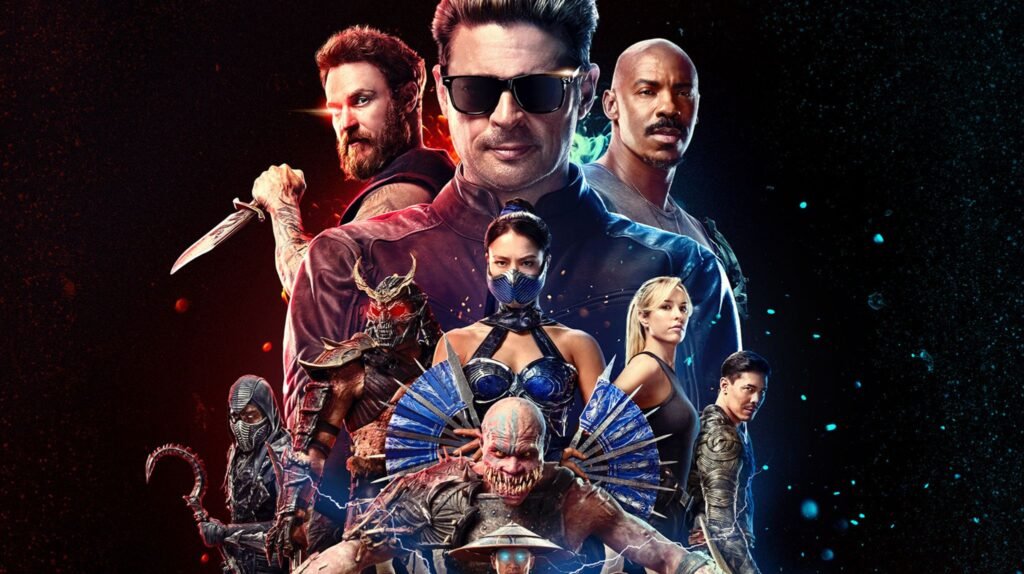

When the 2021 cinematic reboot of the legendary fighting franchise hit theaters, it left a lot of the fanbase feeling split. Sure, the opening sequence with Scorpion and Sub-Zero was absolute martial arts cinema perfection, but the rest of the film felt heavily bogged down by a generic original protagonist and a distinct lack of an actual, functioning tournament. Director Simon McQuoid must have taken those criticisms personally because the highly anticipated sequel Mortal Kombat II course-corrects immediately. By tossing out the grim self-seriousness of the previous entry and leaning all the way into the gleeful, over-the-top violence of the video games, this sequel delivers a wildly entertaining, unapologetically raw action spectacle.
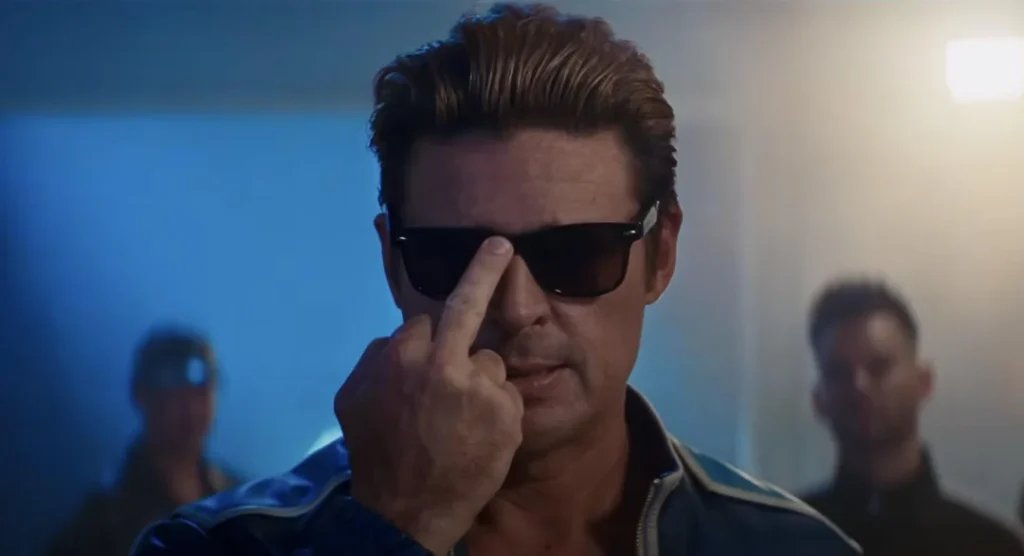
The best creative decision made by the filmmaking team was giving the protagonist keys directly over to franchise favorite Johnny Cage, played with a glorious, seismic smirk by Karl Urban. Instead of the young, hyper-narcissistic Hollywood playboy from the classic lore, the film introduces Cage as a hilariously washed-up, middle-aged 1990s action star. When we first meet him, he is surviving on the faded margins of his former celebrity, desperately hawking autographed DVDs and old merchandise at depressing nostalgia conventions where the attendees completely ignore him. When Lord Raiden drafts him into the multi-dimensional tournament to defend Earthrealm from the forces of Outworld, Cage brings a brilliantly dry, cynical, and self-aware sense of humor that anchors the entire film. Urban plays the character with the perfect blend of fragile ego and surprising vulnerability, making his journey from a Hollywood burnout to a genuine, self-sacrificing hero the absolute emotional core of the narrative.
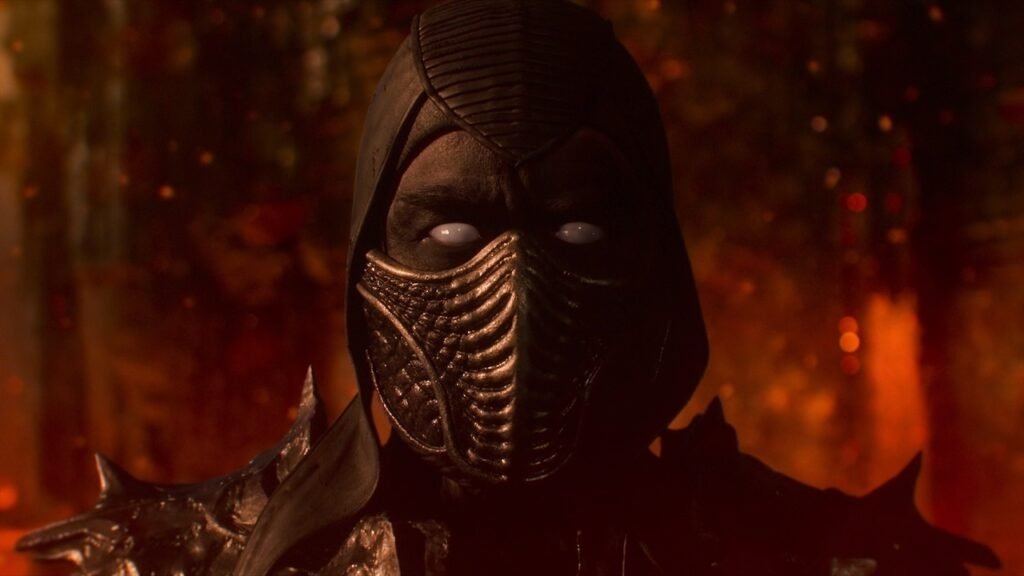
Tournament Chaos and Outworld Intrigue
With the narrative dead weight cleared out of the way, the script by screenwriter Jeremy Slater dives straight into full tournament mode. The stakes are instantly massive as Earthrealm’s finest warriors are pushed into a darker, louder, and incredibly dense interdimensional conflict. The plot heavily focuses on the looming threat of the ultimate big bad, Shao Kahn, a hulking tyrant who conquers entire realms through sheer physical brutality.
The story brilliantly intertwines Cage’s redemption arc with a deep dive into the lore of Kitana, played excellently by Adeline Rudolph. We learn that Shao Kahn brutally conquered her home realm decades ago, executed her father, and raised her as his own daughter. Kitana has spent years quietly nursing a massive grudge against her homicidal step-parent, and her secret plotting to help the Earthrealm fighters overthrow the emperor provides the film with its most compelling political intrigue.
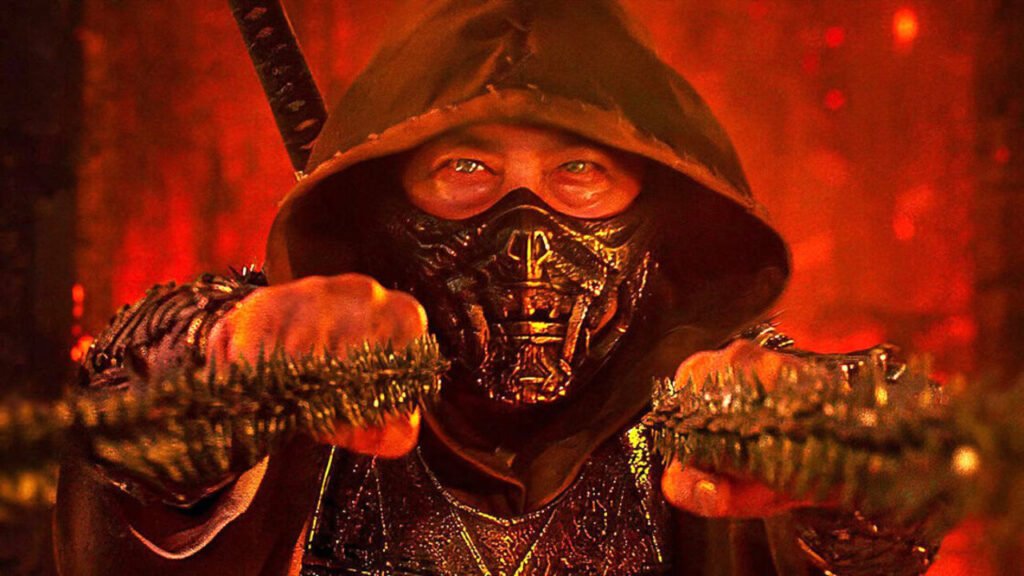
Visually, the film leans completely into its video game identity without an ounce of shame. The production features incredibly colorful character designs, magical portals, ancient amulets, and stolen god powers. While the CGI environments occasionally announce themselves as digital constructions rather than completely immersive physical spaces, the film maintains such a relentless sense of forward momentum that you rarely have time to care. The driving, operatic musical score by Benjamin Wallfisch pounds away in the background, utilizing massive percussion and dramatic choruses to make every single confrontation feel like an epic historical event.
Brutal Choreography and Glorious Fatalities
Of course, nobody buys a ticket to a martial arts fantasy film for the structural sophistication of the plot. You want to see iconic characters brutalize each other in spectacularly gruesome ways, and on that front, the sequel absolutely delivers. The production goes all-in on its hard R-rating, unleashing a steady stream of sharp, impactful fight scenes that carry a raw physical edge. Rather than relying on modern, overly polished floaty fantasy wire-work, the creative team opted for crisp staging that feels close to classic 1990s martial arts cinema.
The choreography shines brightest when it honors the unique fighting styles of the source material. Every major character gets a chance to showcase their signature special moves, and the fatalities are brought to life with a bloody, creative commitment that will make hardcore gamers cheer. While the famous rivalry between Hiroyuki Sanada’s Scorpion and Joe Taslim’s Sub-Zero still carries the most genuine dramatic weight, it is a spectacular mid-movie set piece featuring Kung Lao that stands out as the best organized piece of pure martial arts action in the entire film.
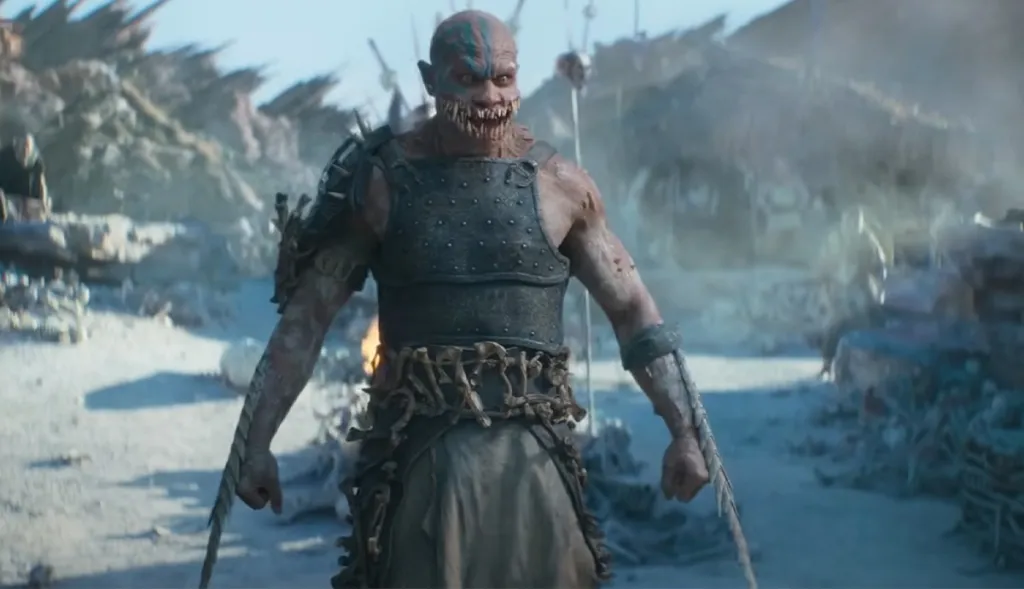
The film does suffer from a few pacing inconsistencies in its back half. Because the tournament structure is inherently repetitive by design, the constant cycle of hand-to-hand battles can begin to blur together toward the climax, stretching the narrative a bit thin as the director cuts between multiple threads in different dimensions. Furthermore, the movie does absolutely nothing to ease newcomers into the dense world, expecting the audience to already know the basic lore of characters like the sinister sorcerer Shang Tsung.
Ultimately, those minor structural flaws are entirely overridden by the film’s sheer energy and sense of fun. It knows exactly what it wants to be, completely commits to its tone, and refuses to apologize for its oozing cheese and deliberate silliness. It is loud, violent, playful, and proudly old school. Thanks to a hilarious, career-best comedic performance from Karl Urban, it easily stands as the most confident, entertaining, and satisfying adaptation the franchise has seen in decades.