
Release Date: 12 November 2010 Developer: Reality Pump
Get It On: GOG
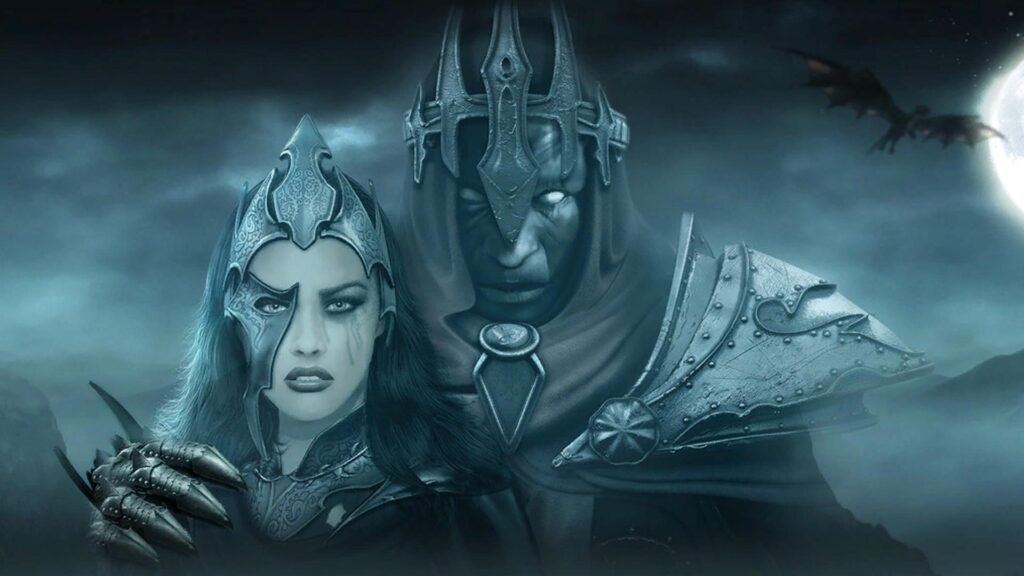
If you were around gaming in the late 2000s, you probably remember Two Worlds. It was that ambitious Polish open-world RPG that somehow managed to be both fascinating and hilariously broken at the same time. Then, in 2010, Reality Pump and TopWare Interactive came back with Two Worlds II, and suddenly the joke had turned into something people were actually recommending. Released in Europe in November 2010 (depending on platform) and in North America in January 2011, this sequel cleaned up a ton of the original’s mess while doubling down on the wild systems that made the first game weirdly lovable.
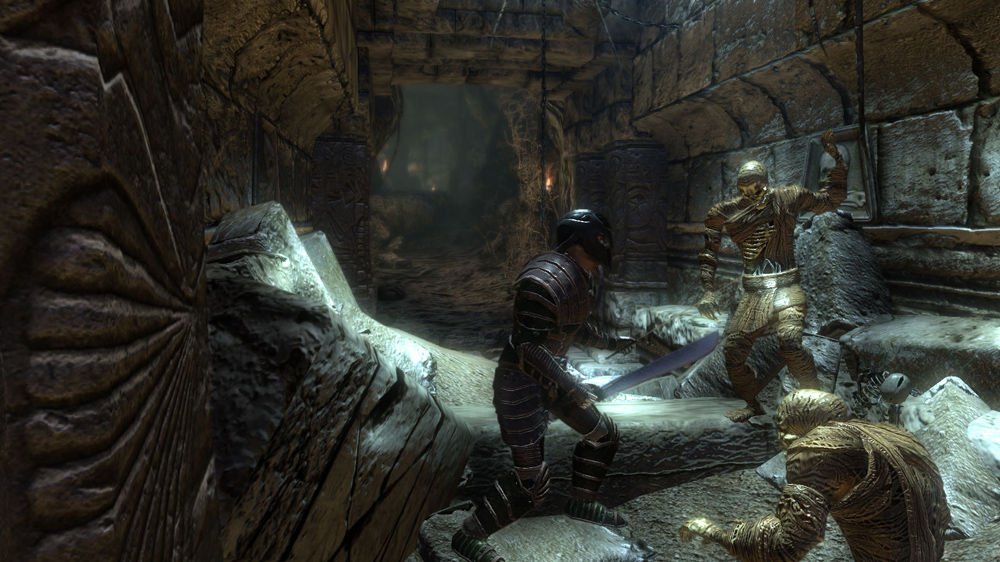
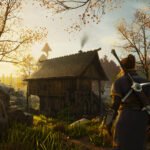
Two Worlds II drops you into the fantasy continent of Antaloor as the same silent-but-deadly hero from the first game. Your sister Kyra is still in trouble, the big bad Gandohar has crowned himself emperor, and the whole world is a playground of deserts, jungles, swamps, and islands just waiting for you to break them. From the jump you can customize your character’s face and body, then start dumping points into four core stats: endurance, strength, accuracy, and willpower. There’s no rigid class system. Want to be a dual-wielding mage who also sneaks around planting bombs? Go for it. The skill trees are deep enough that theorycrafting your build is half the fun.
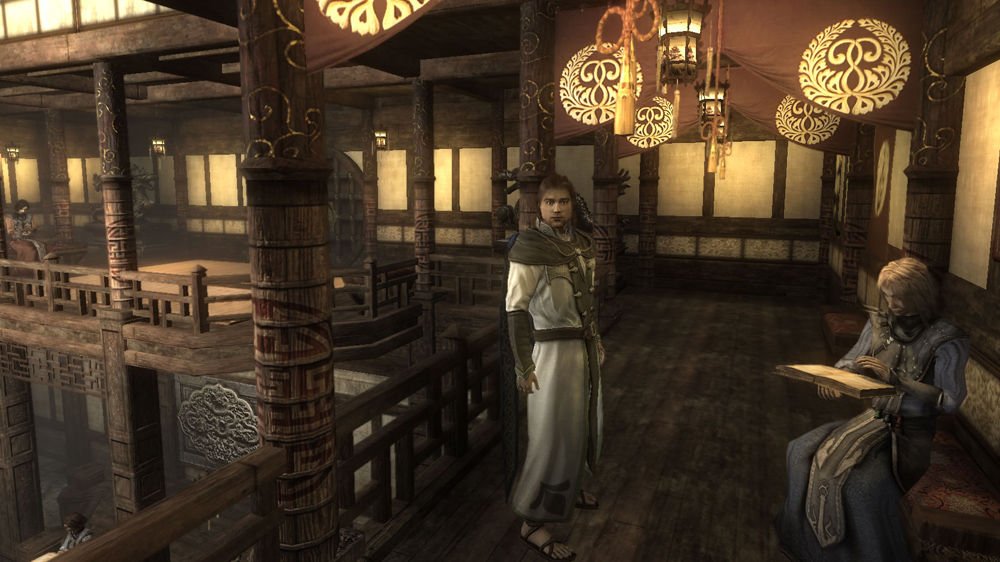
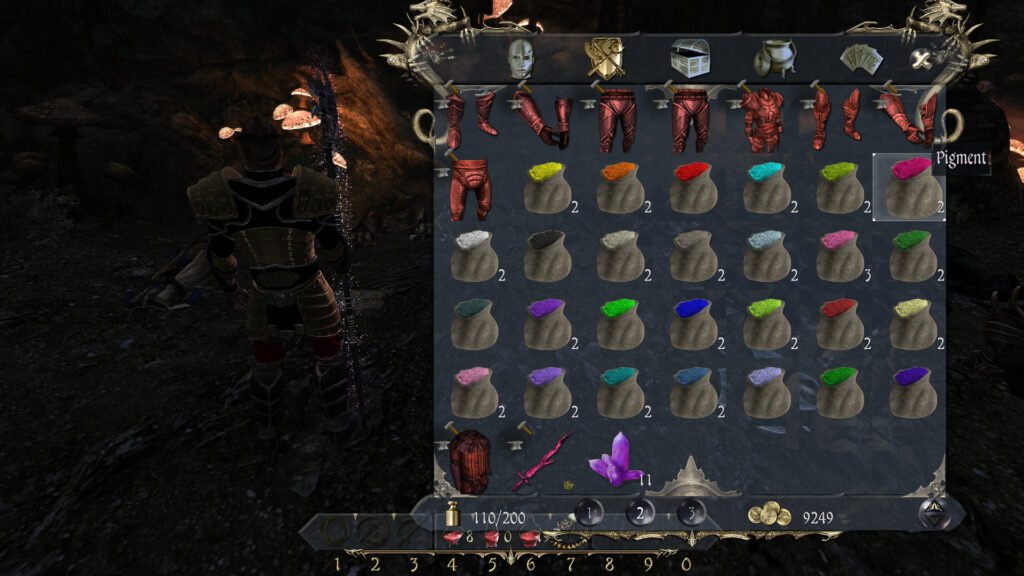
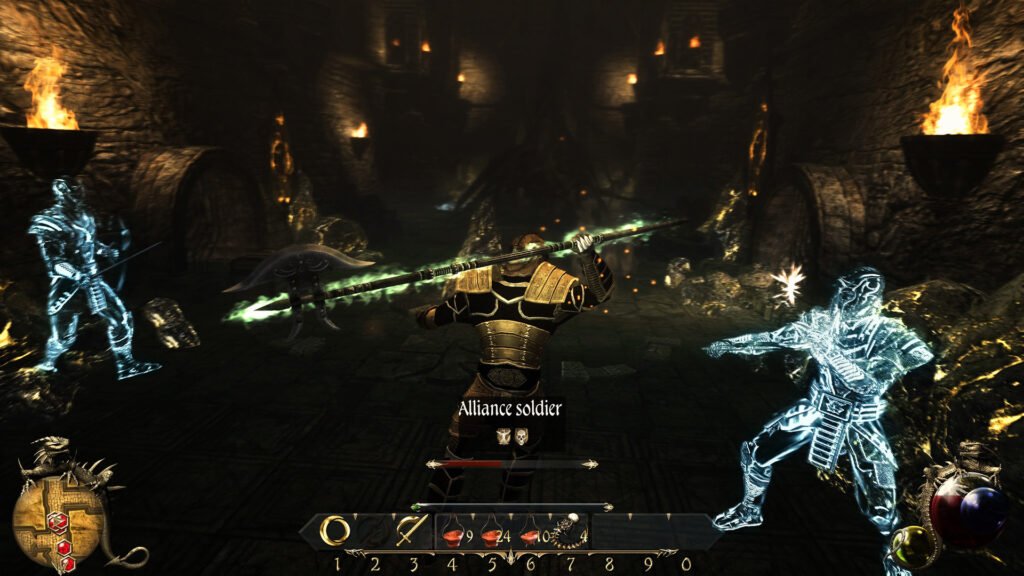
What really sets the game apart is how freely you can mess with systems. Crafting and alchemy are absolute playgrounds. You strip materials from gear, plants, and monsters, then forge better weapons, brew potions with ridiculous combinations, or cook up traps and bombs. Name your creations, experiment wildly, and you’ll end up with a backpack full of Frankenstein concoctions that somehow work. Combat is real-time hack-and-slash with a satisfying weight to it, and once you unlock horseback riding and boats, the world opens up even more. Fast-travel teleporters keep the sprawling map from becoming a chore.
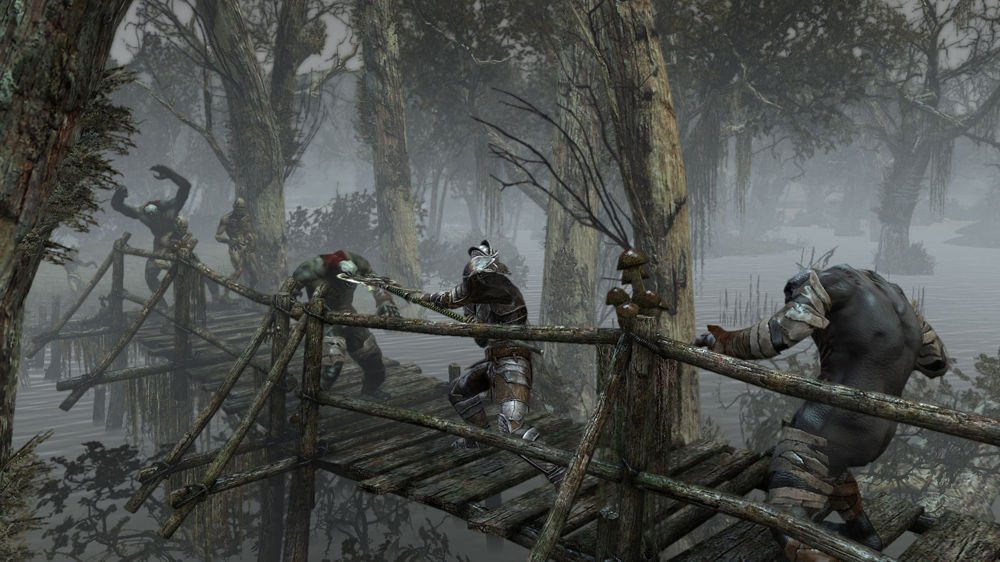
The story is pure high-fantasy cheese with a surprisingly decent twist near the end. You bounce between continents, team up with orcs and other oddballs, uncover ancient magical disasters, and eventually confront the true nature of the power keeping your sister alive. It’s not Shakespeare, but it has heart and a few solid “wait, what?” moments. Voice acting is mixed — some characters sound like they wandered in from a community theater production of Lord of the Rings — but the overall vibe is earnest and occasionally self-aware in a charming way.
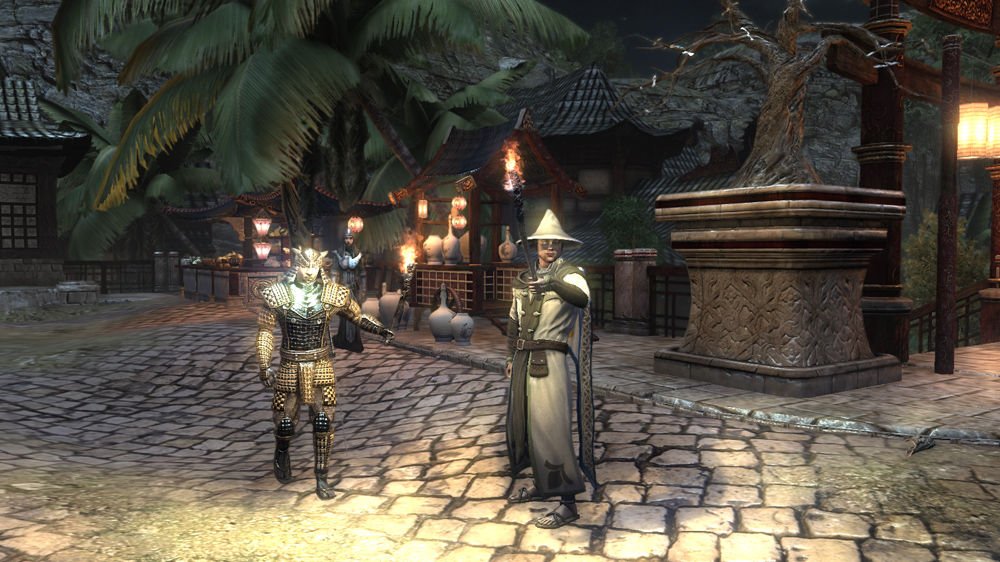
Multiplayer is completely separate from the single-player campaign, which is both a blessing and a mild annoyance. You create a fresh character and jump into Adventure mode co-op maps, Village mode where you build and manage your own settlement, or various PvP modes including crystal capture and classic deathmatches. It’s not the deepest multiplayer RPG experience, but for a game of this era it was surprisingly robust and kept a small dedicated community going for years.
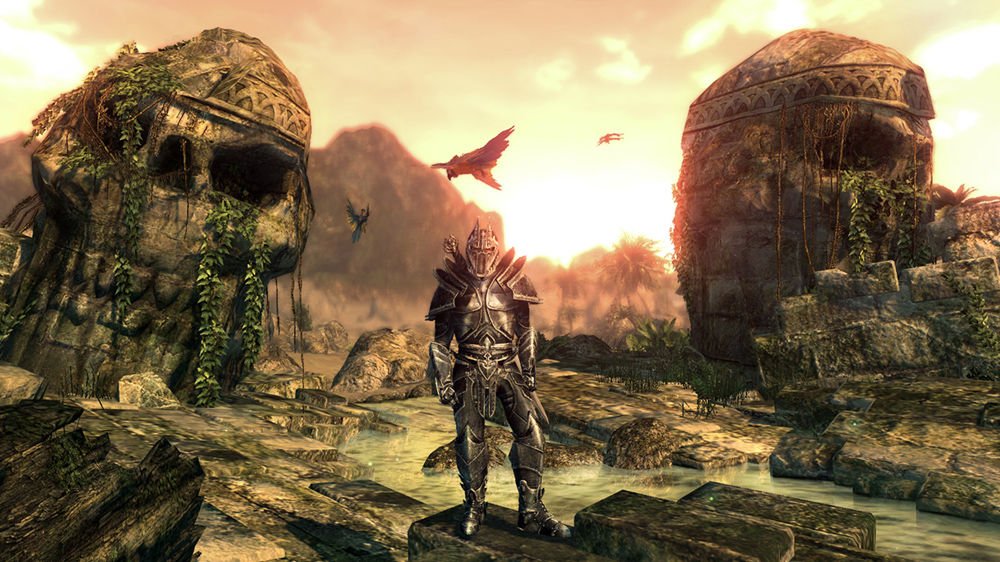
Reception was generally positive, especially compared to the original. Critics praised the improved combat, the depth of the crafting systems, and the sheer amount of content. It wasn’t perfect — some quests felt repetitive, the writing could be clunky, and technical issues still popped up — but it sold over two million copies and earned a reputation as a solid mid-tier open-world RPG that punched above its weight.
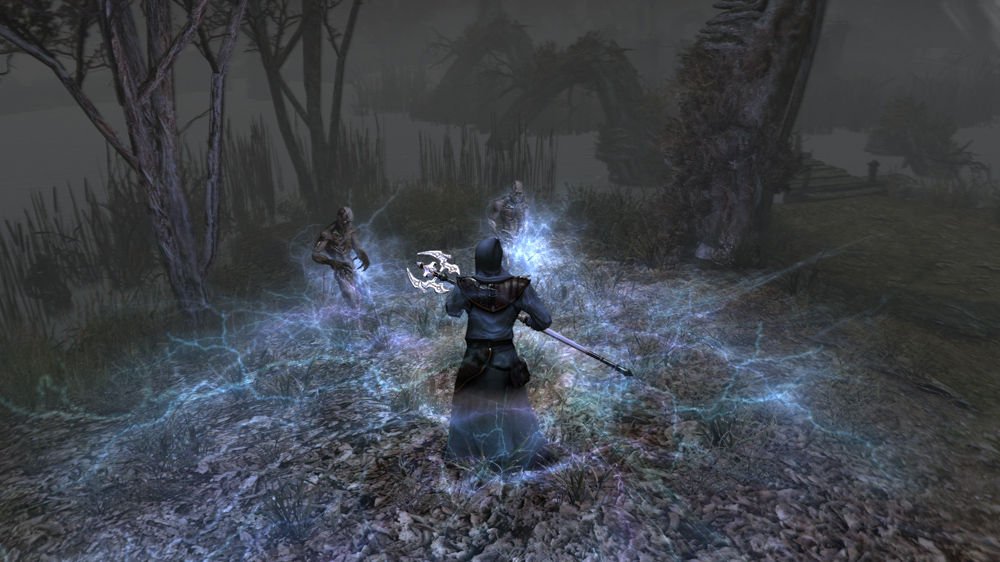
Two Worlds II has one of the strangest post-launch support stories in RPG history. The developers just kept coming back years later with new content.
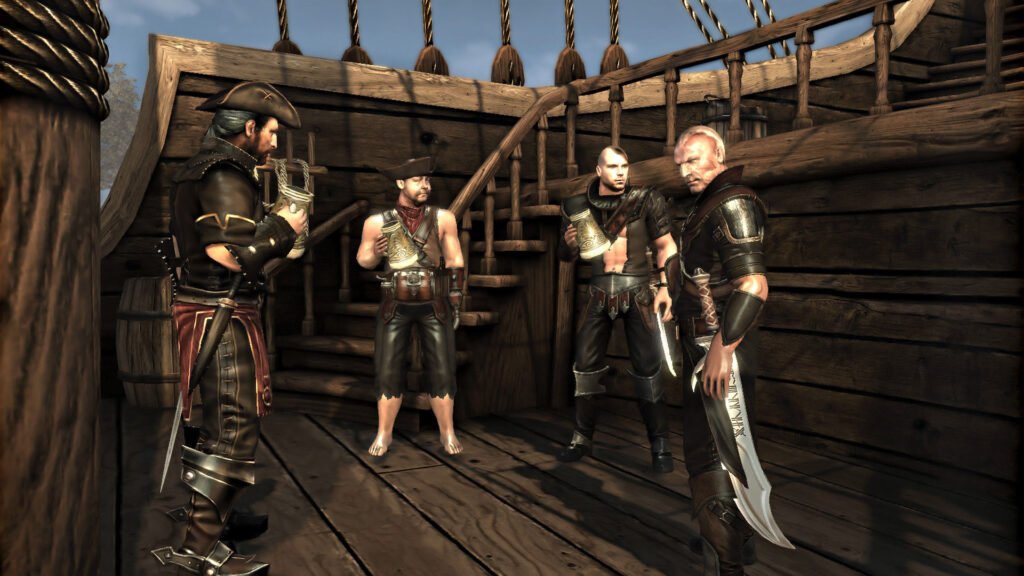
Pirates of the Flying Fortress dropped in September 2011 and is easily the best-received of the bunch. This expansion sends you into the skies on floating islands and pirate airships for a roughly ten-hour campaign packed with new animations, fully voiced dialogue, fresh customization options, and a swashbuckling tone that feels like a breath of fresh air after the more serious base game. You get new multiplayer maps as well. The pirate theme is pure fun — boarding parties, sky battles, treasure hunting — and the quality of the writing and presentation takes a noticeable step up. If you only pick up one expansion, this is the one most fans will tell you not to skip. It feels like the developers finally got the budget and confidence to go a little bigger and weirder.
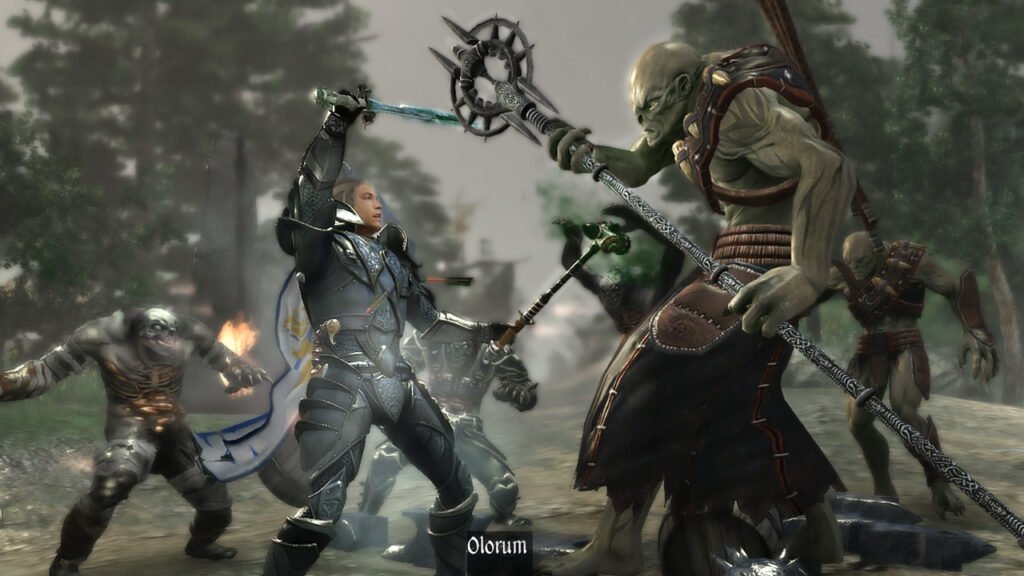
Years later, in 2016, Reality Pump announced a major engine upgrade for PC, Mac, Linux, Xbox 360, and PlayStation 3. The update brought higher detail on characters and landscapes, an HD interface, achievements, improved co-op, and general polish. It was a surprising move for a game already half a decade old, and it set the stage for two more story expansions.
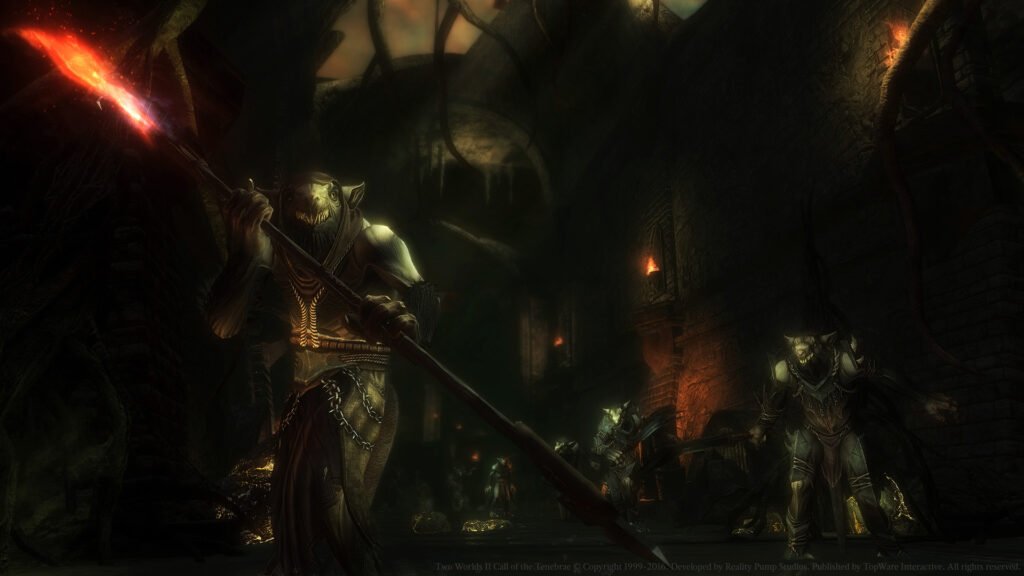
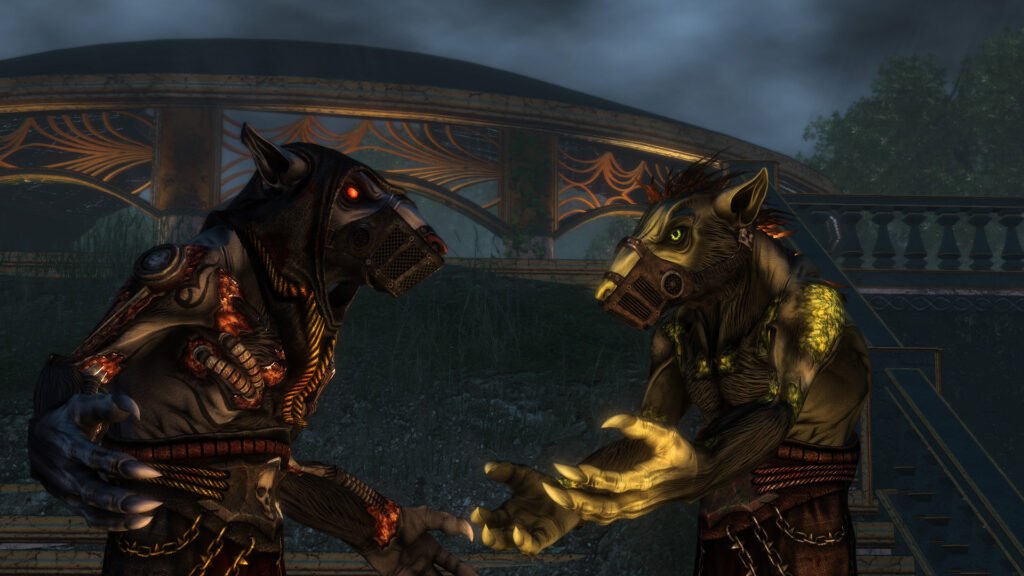
Call of the Tenebrae arrived on June 15, 2017. The story kicks off with the murder of Dar Pha, one of your old companions, and introduces a new threat: a grotesque rat-like race known as the Chosen who wield a mysterious and dangerous form of magic. Their genocidal plans threaten all of Antaloor, and it’s up to the Hero to stop them. The expansion benefits from the updated engine and adds several hours of new content, side quests, and a darker, more horror-tinged atmosphere than the base game or the pirate expansion. It’s ambitious, but opinions are mixed — some players loved the new lore and enemy designs, while others found the pacing uneven and the technical issues more noticeable than in the earlier content.
Finally, Shattered Embrace launched on December 6, 2019 — almost nine years after the base game. This one leans into detective work and political intrigue. You team up with the Captain of the Royal Guard in one of the largest settlements ever seen in the series to investigate a brutal murder and a dark conspiracy. The expansion continues the post-engine-upgrade visual improvements and aims for a more grounded, mystery-driven experience. Like Call of the Tenebrae, it’s a mixed bag: some fans appreciated the denser storytelling and new locations, while others felt the length, enemy spam, and occasional bugs made it a less polished send-off than they hoped for. Still, the fact that the studio was still releasing narrative DLC nearly a decade later is genuinely impressive and speaks to a weird level of dedication.
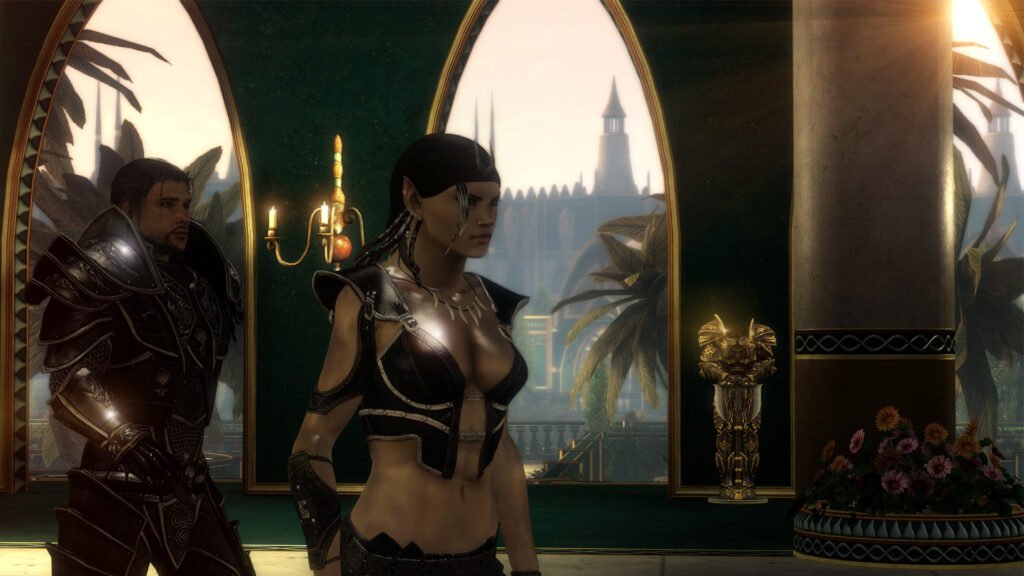
Beyond the big story expansions there were also smaller packs like Echoes of the Dark Past and its sequel, which added more multiplayer maps and content, plus various soundtracks and deluxe items. The game eventually received an HD version on Steam that bundles a lot of this material together, making it easier than ever to dive in with the full package.
What keeps people coming back to Two Worlds II even in 2026 is that it never tried to be the next Skyrim or Witcher. It was always its own weird, slightly janky thing with systems that rewarded experimentation and a world that felt lived-in despite the rough edges. The alchemy alone can eat hours of your life as you try to invent the perfect poison or the most ridiculous combat potion. The freedom to mix combat styles, the boat and horse travel, the sheer volume of side content — it all adds up to an RPG that feels generous even when the writing or voice work occasionally trips over itself.
If you’re the kind of player who loves digging into deep crafting systems, building strange hybrid characters, and exploring open worlds without a strict level-gated progression, this game still holds up surprisingly well. Just go in knowing it’s not a polished AAA experience. It’s a mid-budget European RPG that somehow outlived its own expectations and kept getting new chapters long after most similar titles had been forgotten.
Whether you’re playing the base game, soaring through the skies in Pirates of the Flying Fortress, hunting rat-people in Call of the Tenebrae, or solving murders in Shattered Embrace, there’s a lot of Antaloor left to explore. And in an era of endless live-service games and battle passes, there’s something genuinely refreshing about a single-player RPG that just kept quietly adding more story years after its original release. Two Worlds II might never be the first name that comes up when people talk about classic open-world RPGs, but for those who gave it a real chance, it remains one of the more unique and oddly endearing entries of its generation.