
Release Date: 9 May 2007 Developer: Reality Pump
Get It On: GOG
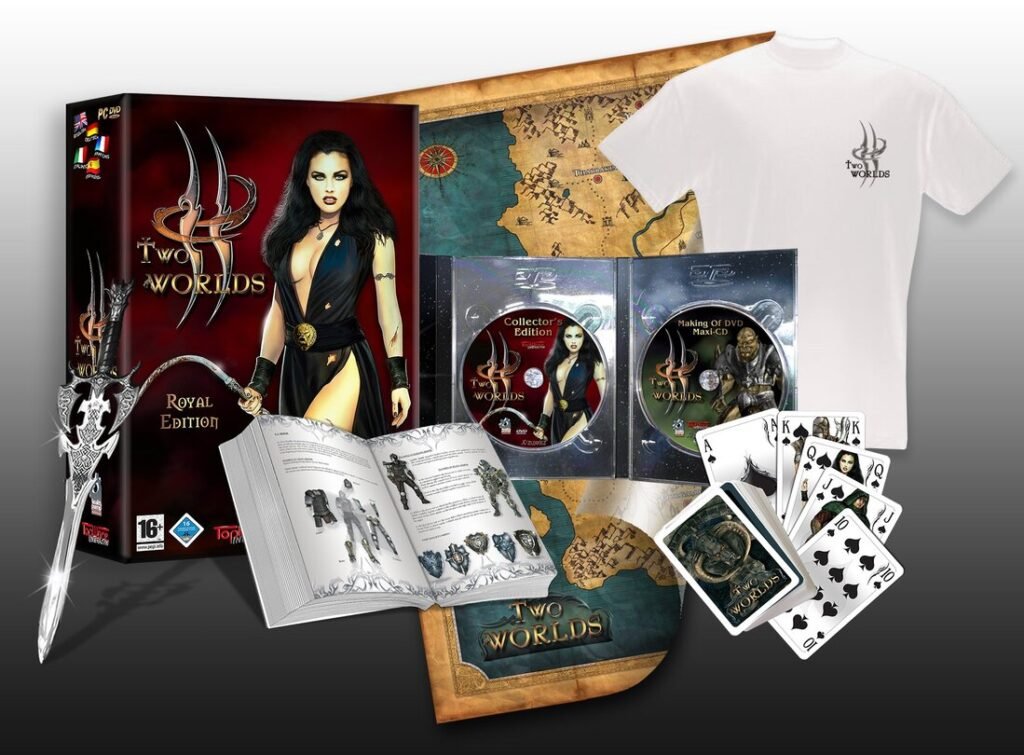
There’s something special about the games that arrive with big dreams, bigger budgets (for the time), and a whole lot of rough edges. Two Worlds — the original 2007 open-world RPG from Reality Pump — is exactly that kind of title. People still argue about it nearly twenty years later. Some call it a broken mess. Others call it a flawed masterpiece that delivered freedom when most games were still holding your hand. Both sides have a point.
If you never played it, picture this: a huge fantasy world called Antaloor, a silent protagonist who can become whatever he wants, real-time combat that feels weighty once you get used to it, and a main quest that starts with the classic “your sister has been kidnapped” setup. From there the game just… opens up. You can ignore the story for dozens of hours, join different factions, hunt for rare gear, or simply ride across the countryside while the soundtrack does its atmospheric thing. That sense of scale was impressive in 2007, and it still holds a certain charm today if you can look past the technical issues.
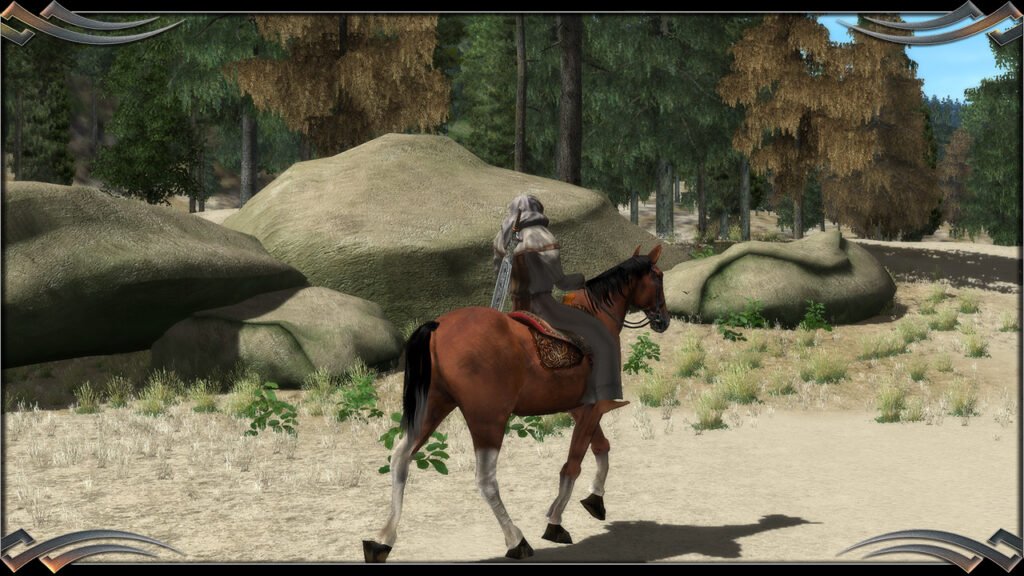
The world design is one of the game’s strongest cards. Antaloor feels lived-in rather than carefully curated. Towns have their own personalities, the wilderness actually feels wild, and the map is big enough that you can get properly lost. Fast travel exists, but the game encourages you to explore on horseback or on foot. That freedom is double-edged. On a good day it creates genuine adventure. On a bad day you spend twenty minutes riding in the wrong direction because the quest markers are vague or the pathfinding is being difficult. Modern players used to polished quest compasses sometimes bounce off this hard. Veterans of older RPGs tend to shrug and keep going.
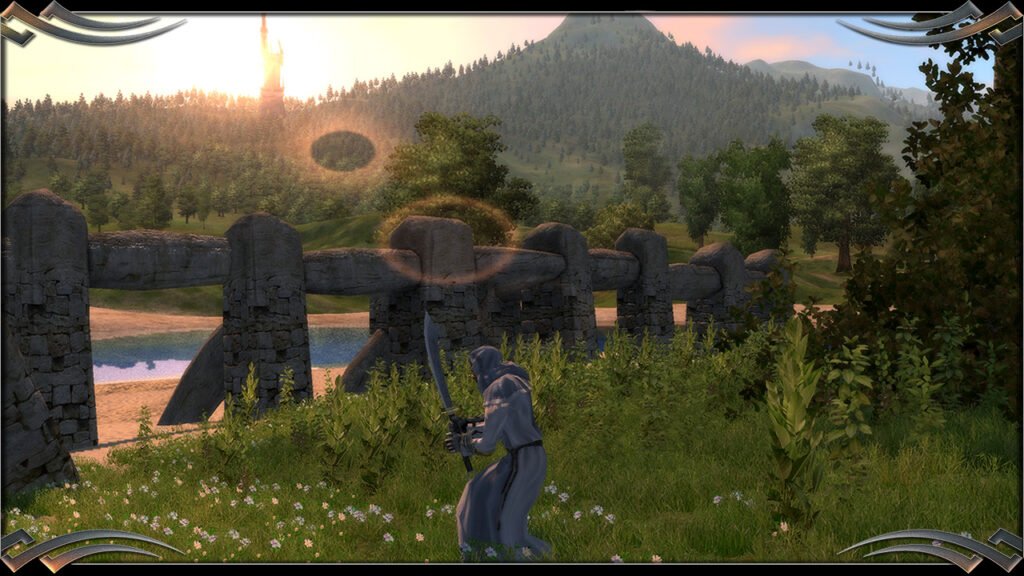
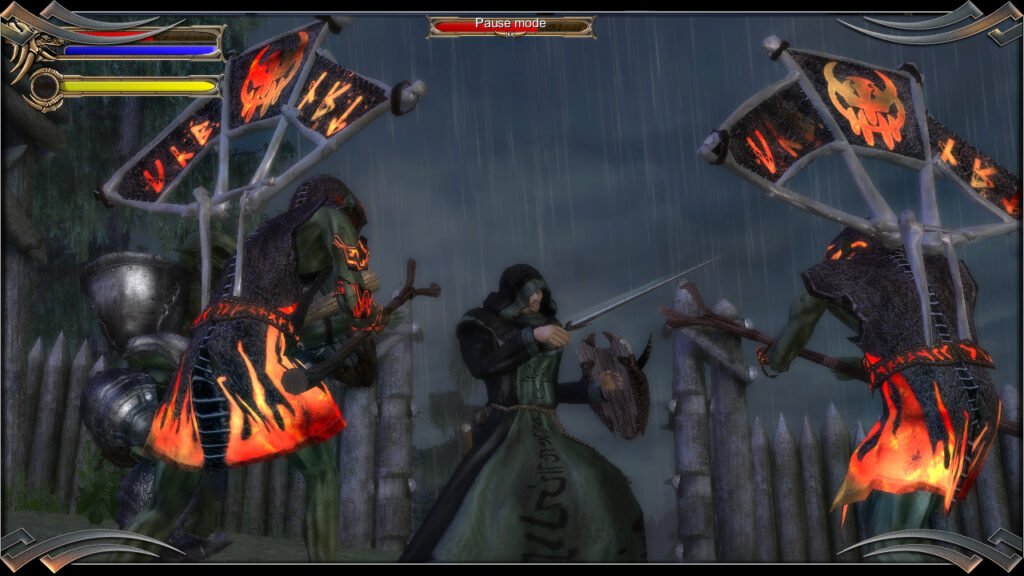
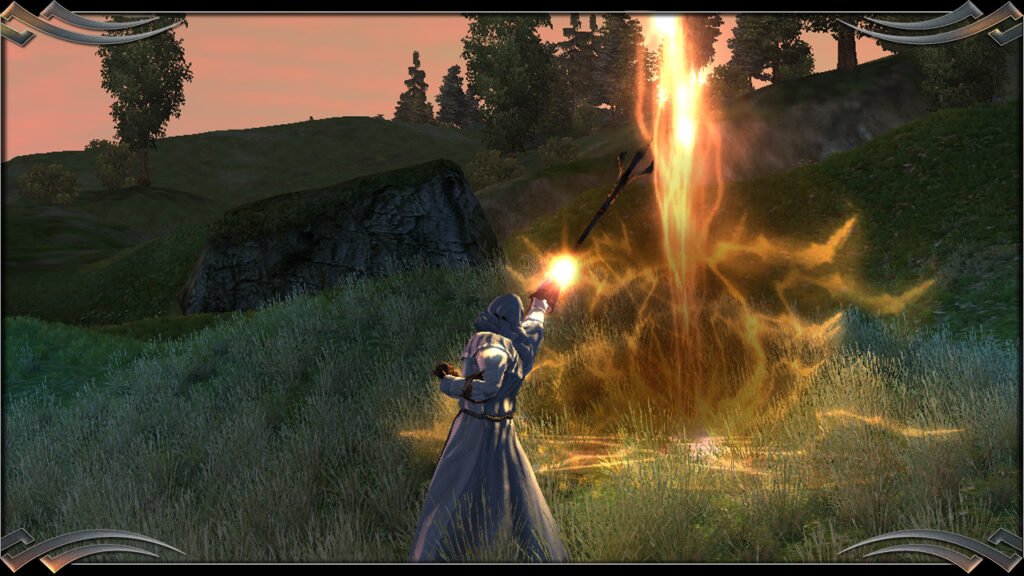
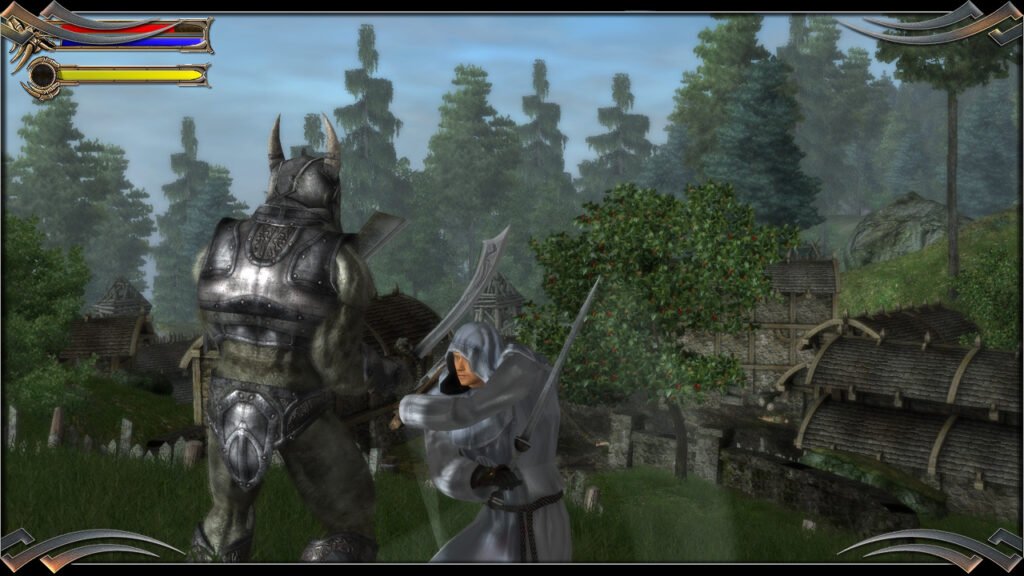
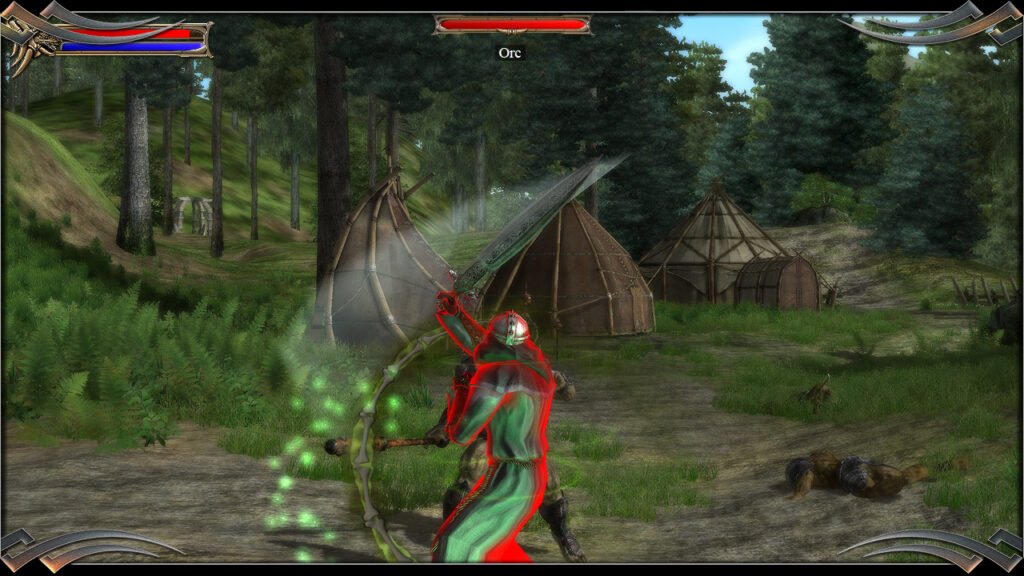
Combat is another polarizing feature. It’s real-time with a heavy emphasis on timing, positioning, and managing your skills. Early on it can feel clunky — your character swings like he’s carrying a telephone pole, enemies have awkward animations, and the camera occasionally decides to fight you. Stick with it, invest in the right skills, and the system starts to click. Dual-wielding, heavy armor builds, pure magic, stealthy archery — the class system is flexible enough that you can experiment. The skill trees reward specialization without locking you into one path forever. You can respecialize later if you change your mind, which was a nice quality-of-life touch for the era.
Story-wise, Two Worlds is serviceable rather than spectacular. The main plot involves ancient gods, a powerful artifact, and the usual high-fantasy stakes. Side quests range from “go kill ten of these” to more interesting faction politics and moral choices. Some of the writing is stiff, some of the voice acting is memorable for the wrong reasons, and a few plot beats feel undercooked. Yet the game never takes itself too seriously, and that helps. There’s a certain earnestness to the whole production that makes the weaker moments easier to forgive.
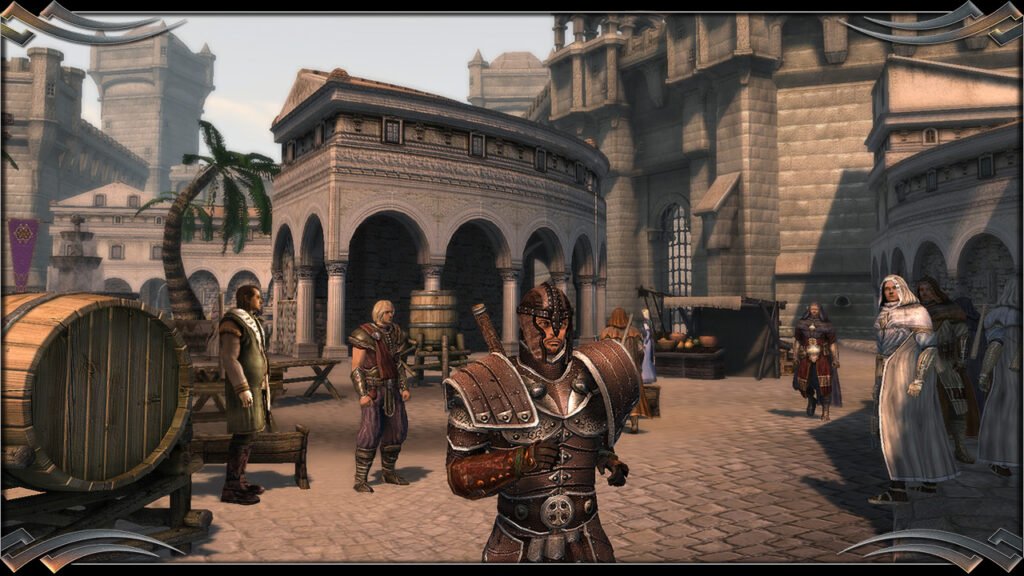
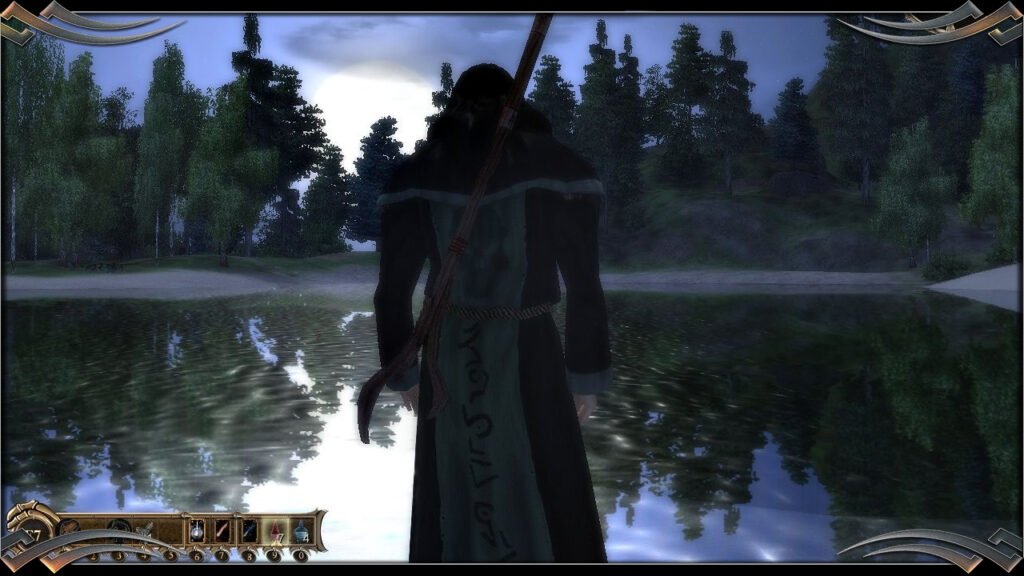
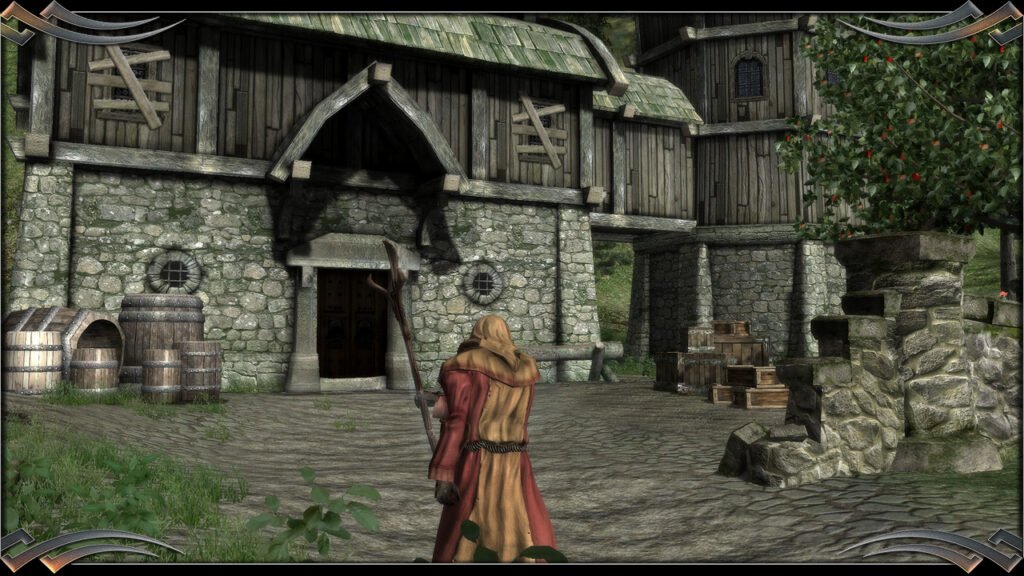
Graphically the game has aged, of course. Character models look dated, animations can be wooden, and the lighting is pure mid-2000s. Still, the environments hold up better than expected. Forests feel dense, deserts feel harsh, and the different regions of Antaloor each have a distinct visual identity. The soundtrack deserves special mention. It mixes orchestral swells with more ambient pieces and does a solid job of selling the scale of the world. Put on some good headphones and the exploration becomes noticeably more enjoyable.
One of the biggest talking points around the original Two Worlds is the multiplayer component. It launched with a shared-world online mode that was ambitious for its time. You could team up with friends, tackle tougher content, and trade items. The servers eventually shut down, and the feature is no longer available in the modern re-releases, but for a brief period it gave the game an extra dimension that many single-player RPGs lacked. Some players still speak fondly of those early multiplayer sessions.
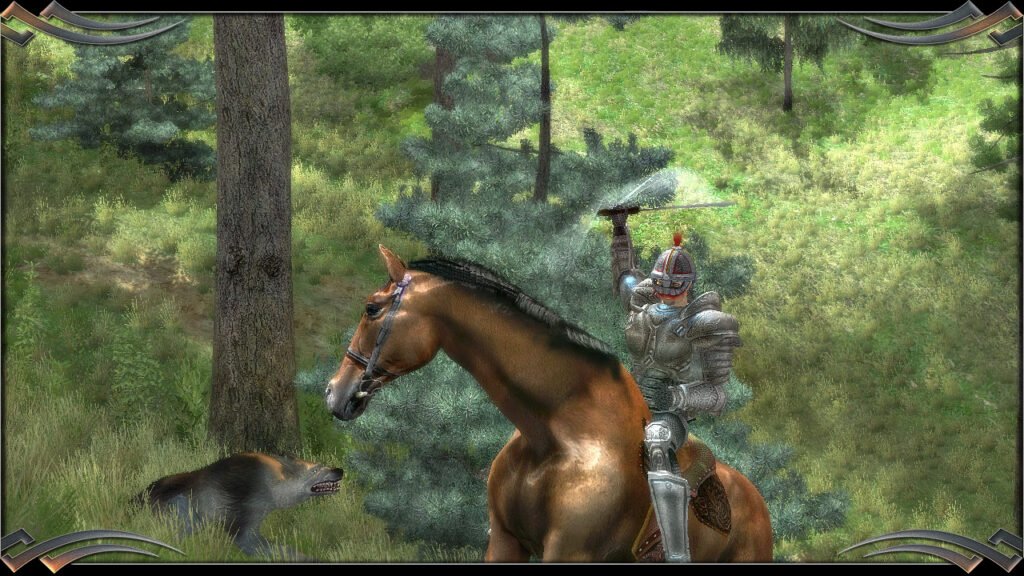
Technical problems were (and remain) part of the experience. The original PC release had its share of bugs, performance issues, and occasional quest-breaking glitches. Patches improved things, and later versions (including the Enhanced Edition) cleaned up a lot of the rough edges. Even so, this is not a game you fire up expecting modern polish. You go in knowing you might need to reload a save or work around a weird pathfinding moment. For some people that’s a deal-breaker. For others it’s part of the charm — the feeling that you’re playing a game that was still figuring itself out.
Why does a title this uneven still have people talking about it? Because it offered a kind of freedom that was relatively rare in 2007. While many RPGs were still linear or semi-linear, Two Worlds threw you into a big map and mostly got out of the way. The systems were deep enough to reward experimentation. The world was large enough to support long sessions of pure exploration. And underneath the jank there was a clear creative vision: give players a proper sandbox fantasy experience and let them decide how to engage with it.
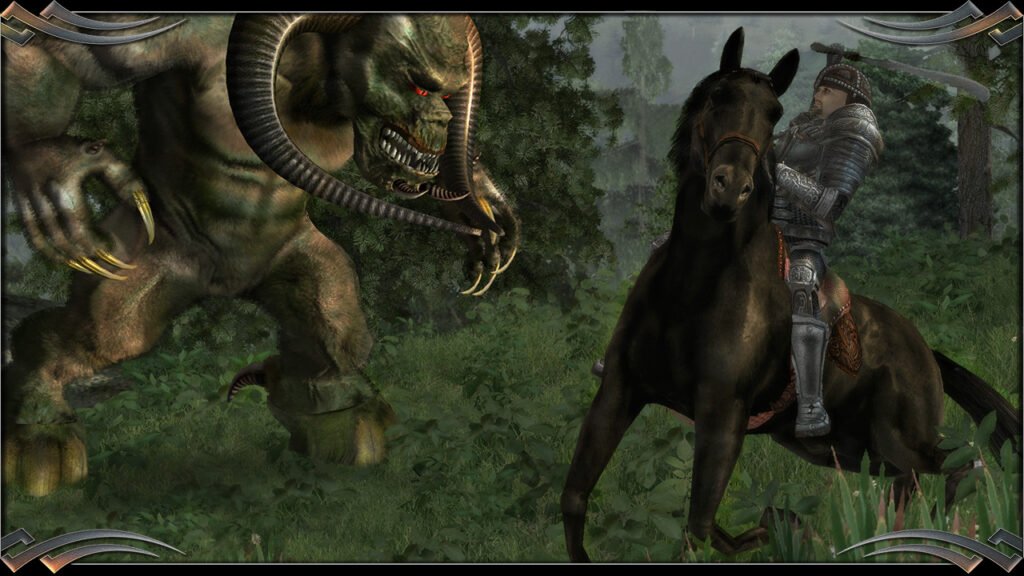
If you’re coming to the game now, a few practical tips help. Start on a lower difficulty so the early combat doesn’t frustrate you. Spend time learning the skill system instead of just dumping points into the first tree that looks good. Use the horse — a lot. Save often. And don’t be afraid to abandon a quest for a while if the pathing is being stubborn; the world has plenty of other things to do. Treat it like an older open-world RPG rather than a modern one and your expectations will be much better aligned.
Two Worlds never became the mainstream hit its developers hoped for. Reviews at launch were mixed, sales were modest compared to the biggest names of the era, and the series eventually moved on to a sequel that tried to refine the formula. Yet the original still has a small but dedicated following. Some players revisit it for nostalgia. Others discover it for the first time through digital storefronts and find themselves surprisingly invested. In an age of highly polished, carefully guided experiences, there’s still value in a game that feels a little wild and unfinished.
It won’t convert everyone. The combat takes patience. The writing is uneven. The technical side can still throw up the occasional annoyance. But if you have any affection for the ambitious mid-2000s RPGs that tried to do everything at once — big world, flexible character progression, real-time action, multiplayer experiments — then Two Worlds is worth a look. Just go in with your eyes open, accept the rough edges, and give the systems time to breathe. You might find yourself riding across Antaloor longer than you expected, chasing one more side quest or one more piece of rare gear, while the soundtrack plays and the world keeps unfolding around you.