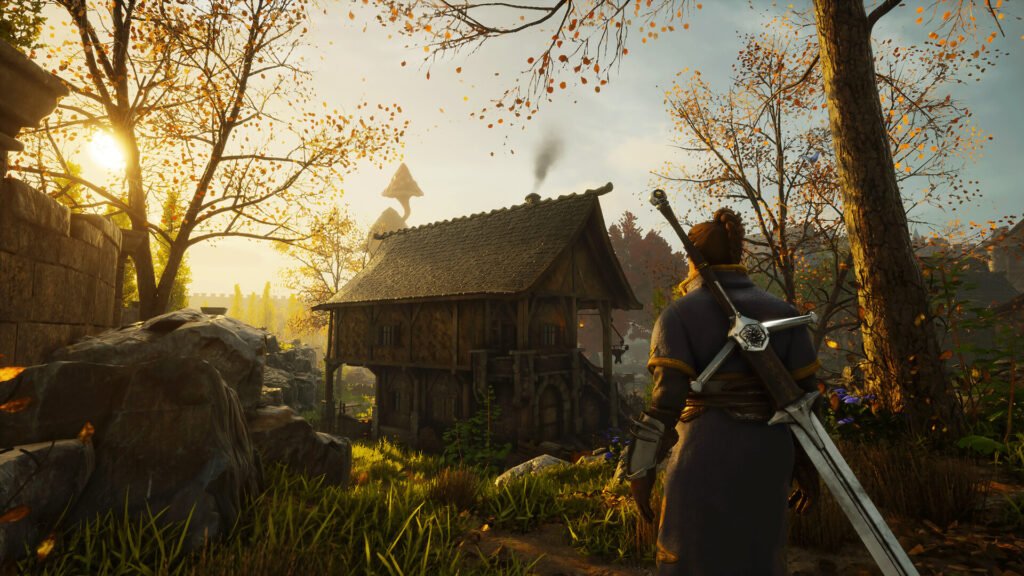

If you’ve been craving a fantasy action-RPG that feels like it was made by people who actually love the genre rather than a committee chasing trends, Forsaken Realms: Vahrin’s Call might just be the game you’ve been waiting for. Developed over roughly a decade by the small independent team at Titan Roc with no publisher and no generative AI in sight, this narrative-driven third-person adventure finally launched on Steam on July 27, 2026. It arrives as a complete, premium single-player experience priced at around $35, complete with full English voice acting, controller support, and a clear sense of passion that shines through every misty forest and ruined street.
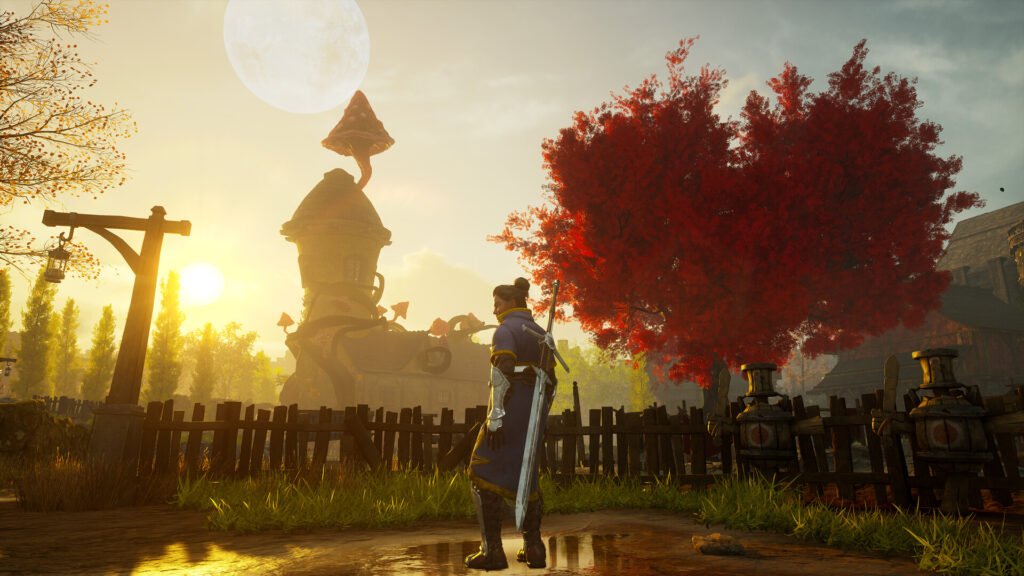
You play as a mercenary answering the call of the war-torn city of Vahrin. The setup is classic high fantasy with a grim edge. The city was overrun by grotesque insect-like creatures known as the khraiax. Armies from the Free Cities marched under the banner of the Combined Order to help, only for something even worse to rise from beneath the streets. The king is dead, thousands of soldiers are gone, and only the most stubborn defenders remain. Into this mess you stroll, looking for your next payday. There is no chosen one prophecy here. You are not the Dragonborn or the Hero of Oakvale. You are a sellsword in a broken land, and the game never lets you forget that.
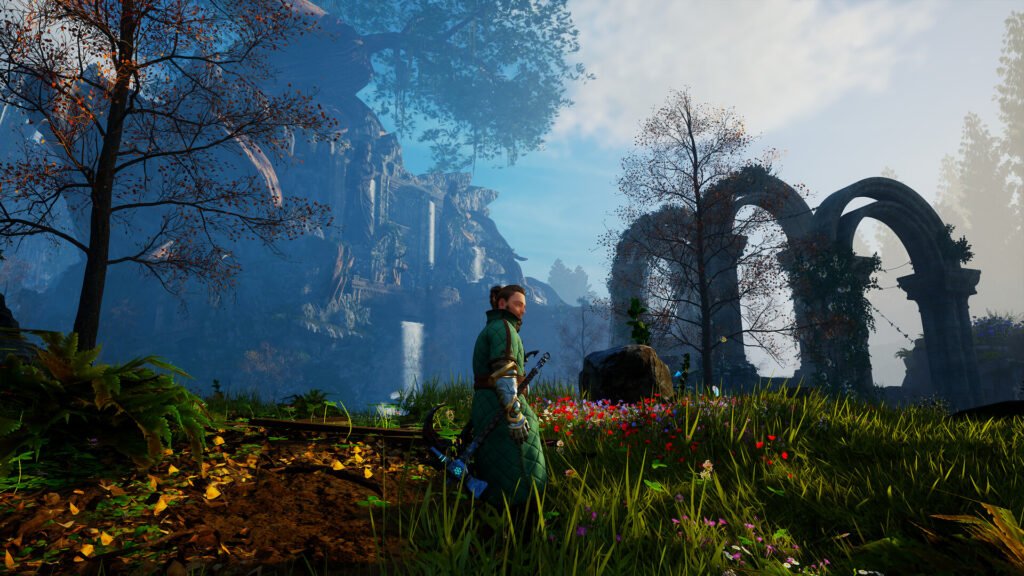
What makes Vahrin’s Call stand out immediately is its completely classless character progression. From the start you have access to the basics of melee, ranged combat, magic, alchemy, and traps. You find Skillbooks scattered throughout the world that unlock and deepen specializations. Want to be a nimble archer who flings fireballs between shots? Go for it. Prefer to charge in as an axe-wielding whirlwind while chugging custom potions? That works too. Gear has almost no restrictions, and you can respec freely at any time. This freedom is one of the game’s biggest strengths. Progression feels tied to exploration rather than simply grinding levels, because many of the best abilities and unique weapons hide behind thorough searching, optional puzzles, and well-hidden chests.
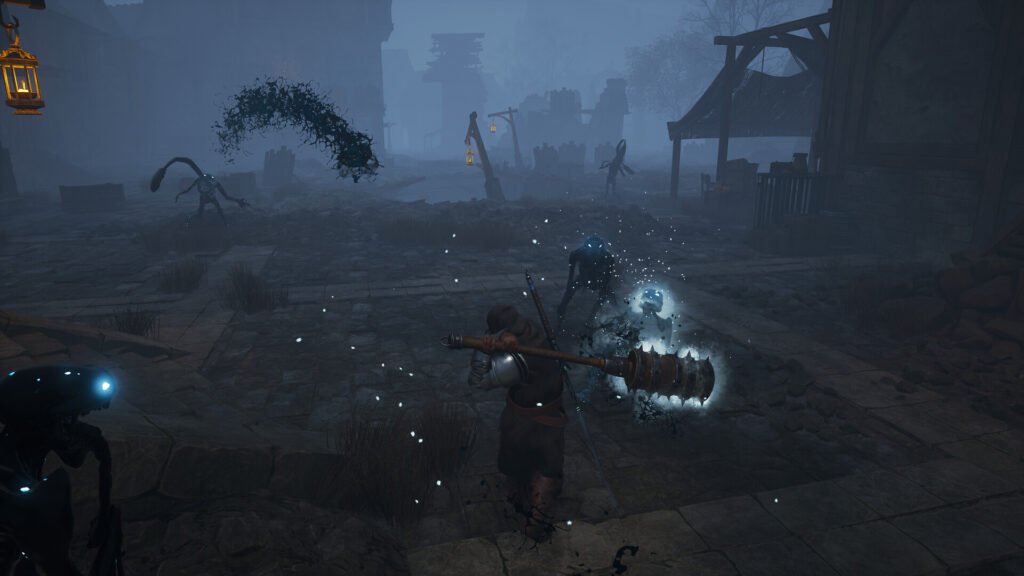
Combat itself is real-time and third-person. It has weight, stamina management, dodging, and the ability to adapt on the fly. Melee can feel a bit clunky at first, but it has satisfying impact once you get used to the timing. Ranged and magical approaches reward positioning, trap placement, and clever use of the environment. Bosses tend to be memorable set-pieces with their own movesets, and the game is happy to throw a proper challenge at you on higher difficulties, at least until power creep from good gear and alchemy starts to kick in. The developers clearly prioritized letting players express themselves rather than locking them into rigid roles.
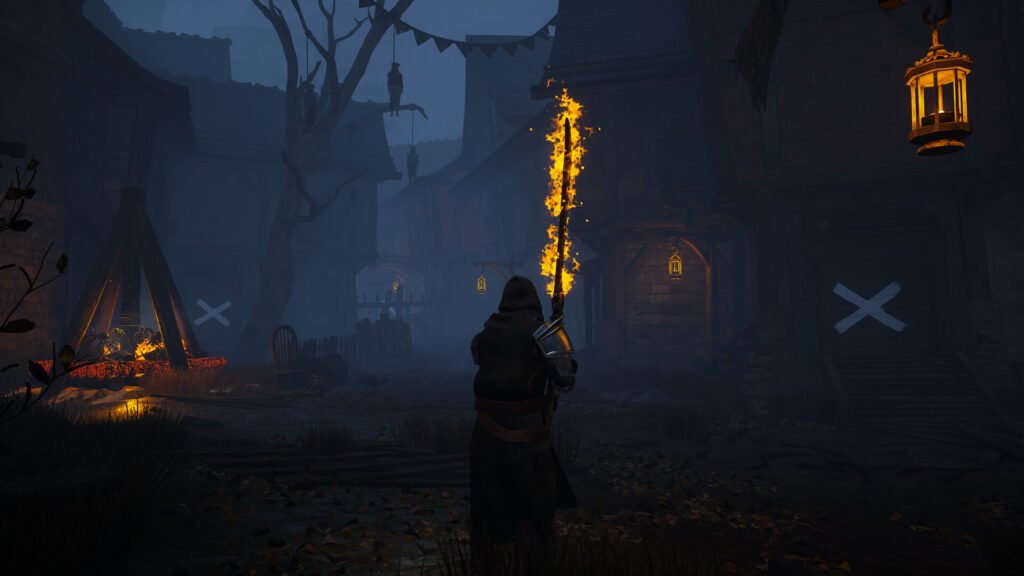
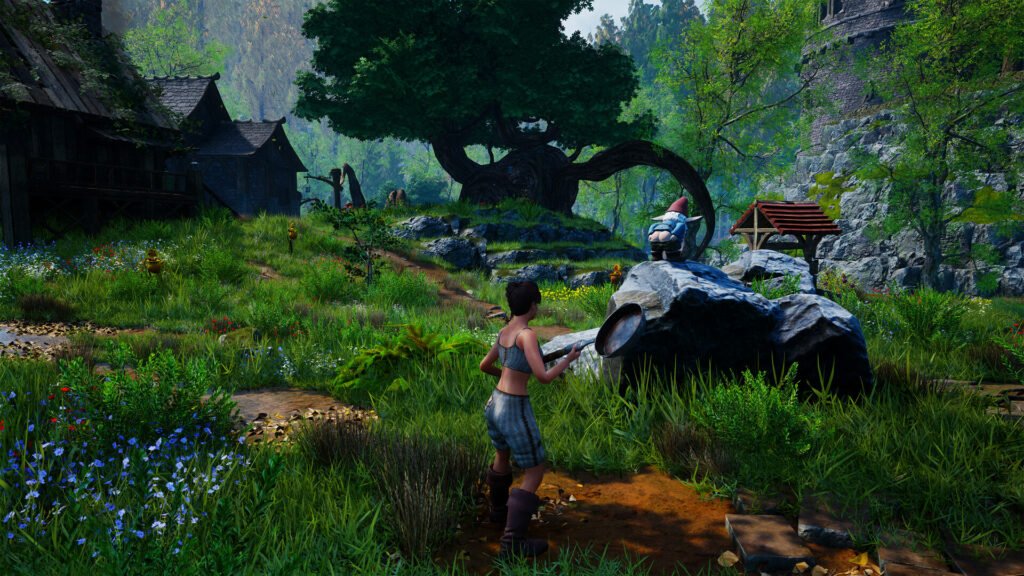
Exploration is where a lot of the charm lives. The Vale of Vahrin is divided into handcrafted zones rather than one seamless open world, connected by paths, doors, and the occasional portal. Each area feels deliberately designed, dense with secondary routes, verticality, environmental storytelling, and secrets. You will find Genomy statues to smash for a long-term reward, skillbooks tucked away in corners, unique gear in locked chests, and the occasional optional puzzle that rewards careful observation. Fast travel between signposts keeps backtracking from becoming a chore, and your central hub (the Hamlet) serves as a cozy base for crafting, upgrading, and trading. The art direction leans toward lush, stylized realism with plenty of vegetation and atmosphere. Some players have noted that the vibrant environments sometimes clash with the supposedly war-torn setting, but the sheer amount of care put into the level design still comes through.
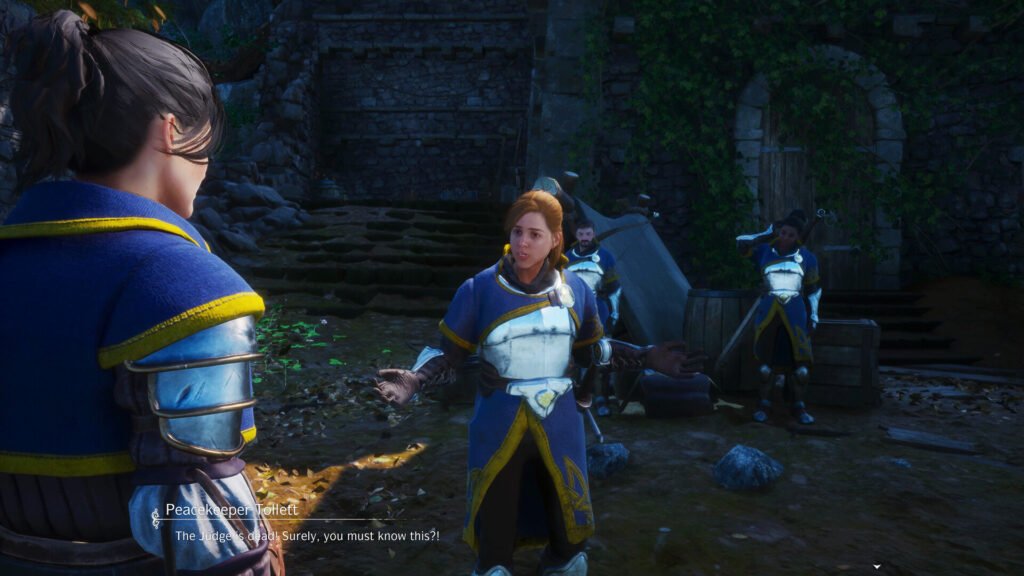
The story is more linear adventure than branching RPG epic. There are side quests, personal tales of the survivors, and bits of humor mixed into the grief and desperation, but player choice does not dramatically reshape the main narrative. That is not necessarily a bad thing. Vahrin’s Call is content to tell a self-contained tale of survival and hope while quietly positioning itself as the first chapter in a much larger Forsaken Realms saga that will eventually span nations and continents. The writing is serviceable and occasionally charming rather than literary, and the full voice acting helps sell the characters even when the dialogue gets a little cheesy. Mature themes appear (violence, language, references to darker subjects), but the overall tone keeps one foot in classic fantasy adventure.
Because the game only just released, there are currently no DLCs available. That is both a limitation and a strength at this moment. Titan Roc has delivered a complete package that stands on its own without requiring additional purchases to feel finished. The developers have been open about the fact that Vahrin’s Call is intended as one piece of a broader epic. Future expansions or sequels could easily expand the map, introduce new regions of the Forsaken Realms, add fresh weapon specializations, or dive deeper into the political and supernatural threats only hinted at here. For now the base game offers a solid 15 to 30 hours depending on how thoroughly you explore and how many side activities you chase. The absence of day-one DLC feels refreshing. You get the full experience the team spent years crafting, and any future content will be additive rather than necessary.
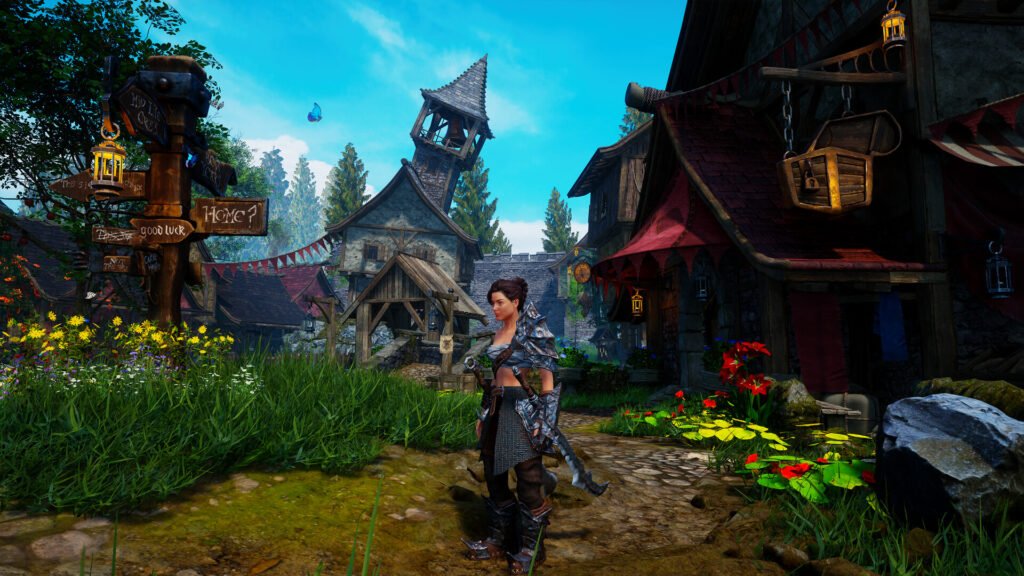
There are rough edges, as you would expect from a small team project of this ambition. Combat AI can be inconsistent, melee has some residual clunk, and the balance can swing hard once you start combining strong alchemy with thorough loot collection. Optimization in denser areas is not perfect, and the narrative does not reach the heights of the best writing in the genre. Yet those imperfections somehow contribute to the game’s personality. It has the same slightly awkward but endearing energy that older titles like the early Fable games or Two Worlds II possessed. It feels handmade. It feels like the developers cared more about giving players tools and places to explore than about polishing every single system into corporate smoothness.
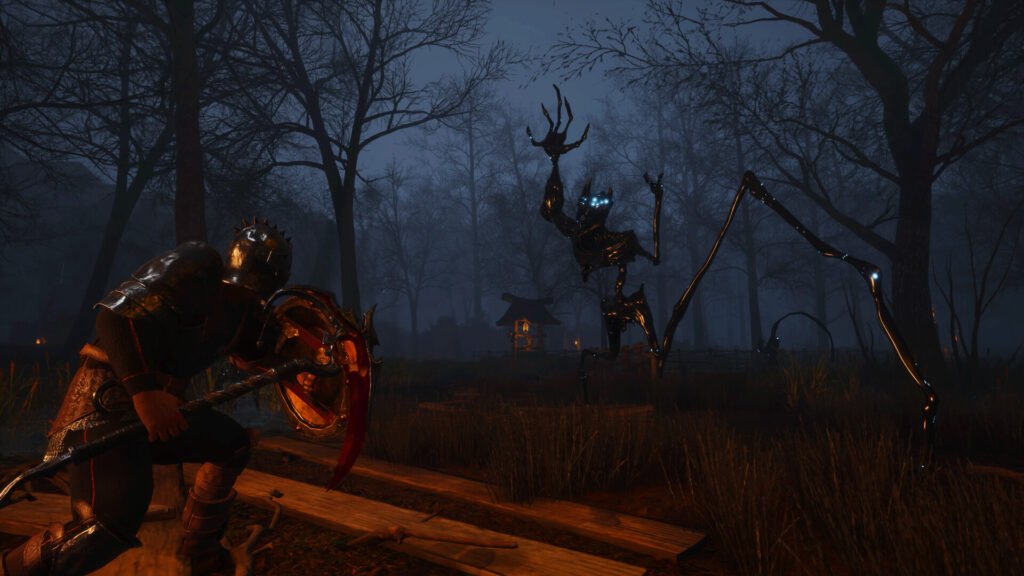
If you enjoy third-person action RPGs that prioritize build freedom and handcrafted exploration over massive open worlds and cinematic spectacle, Forsaken Realms: Vahrin’s Call is worth your attention. It is the kind of game that reminds you why people still make ambitious indie RPGs in the first place. The Vale of Vahrin is waiting, the khraiax are still a problem, and there is coin to be made. Grab your preferred combination of sword, bow, and spell, answer the call, and see what kind of mercenary you become. The first chapter of the Forsaken Realms is here, and it has more heart than many bigger budget releases.