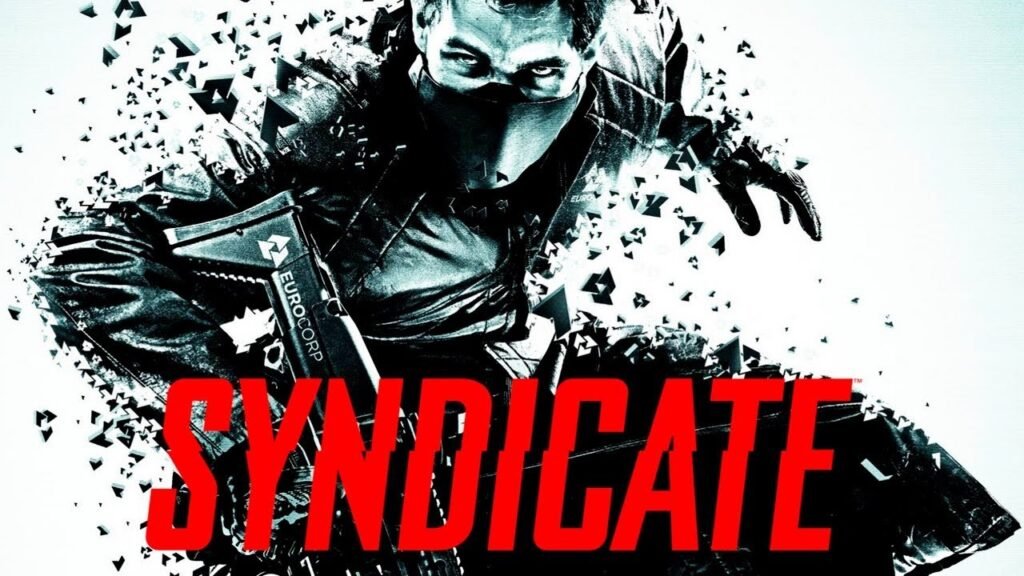

There’s something weirdly magnetic about games that arrive with big ambitions and then quietly sink. Syndicate, the 2012 first-person shooter from Starbreeze Studios, is one of those. Published by Electronic Arts and dropped in February that year, it tried to reinvent a cult classic for a new generation. The original Syndicate from 1993 was an isometric real-time tactics game from Bullfrog Productions, all about controlling cybernetically enhanced agents for ruthless mega-corporations. Starbreeze took that cold corporate dystopia and flipped it into a full-on FPS. Some fans were furious before they even touched it. Others gave it a shot and found something that still feels sharp more than a decade later.
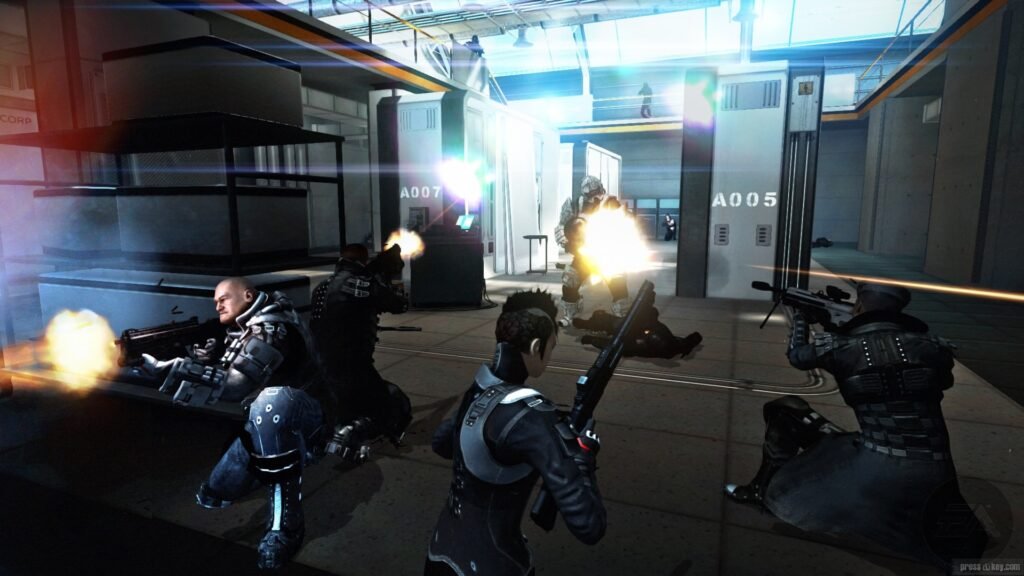
The year is 2069. Governments have basically given up. The real power sits with the syndicates—massive corporations that control everything from housing to healthcare through a neural implant called the chip. Get chipped and you plug straight into the dataverse. No phones, no screens, just pure mental access. Refuse and you’re left behind, part of the growing underclass of the unchipped. You play as Miles Kilo, the newest prototype agent for EuroCorp, one of the biggest players in this brutal market. He’s fitted with the cutting-edge DART 6 chip, a military-grade upgrade that lets him do things regular citizens can only dream about—or have nightmares about.
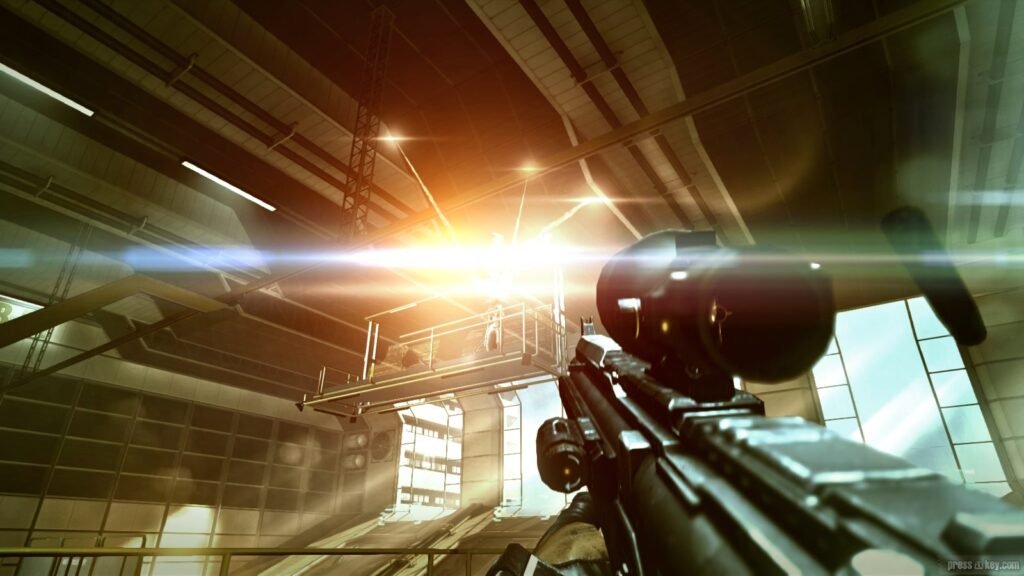
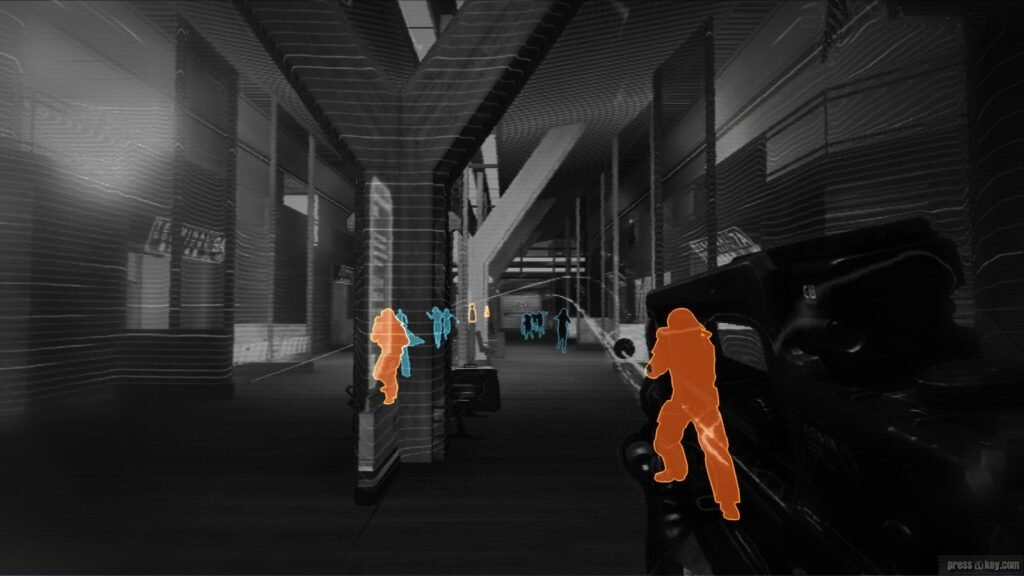
That DART 6 implant is the real star of the show. Activate Dart Overlay and time slows, your damage goes up, and you can spot enemies through walls. Even better are the breaching abilities. Point at a chipped enemy and you can force their weapon to backfire, convince them to switch sides for a few seconds, or straight-up make them off themselves. It sounds overpowered on paper, and in the heat of a firefight it feels exactly as nasty as it should. You harvest chips from fallen rivals to upgrade your own, unlocking better recovery, stronger hacks, and longer overlay windows. The whole system rewards aggressive, fluid play instead of just hiding behind cover and popping heads.
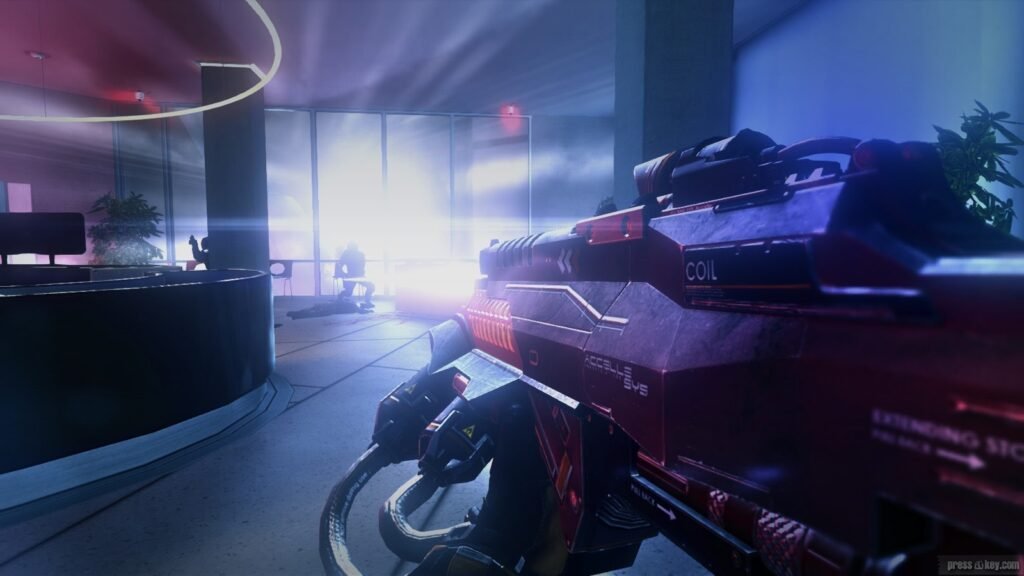
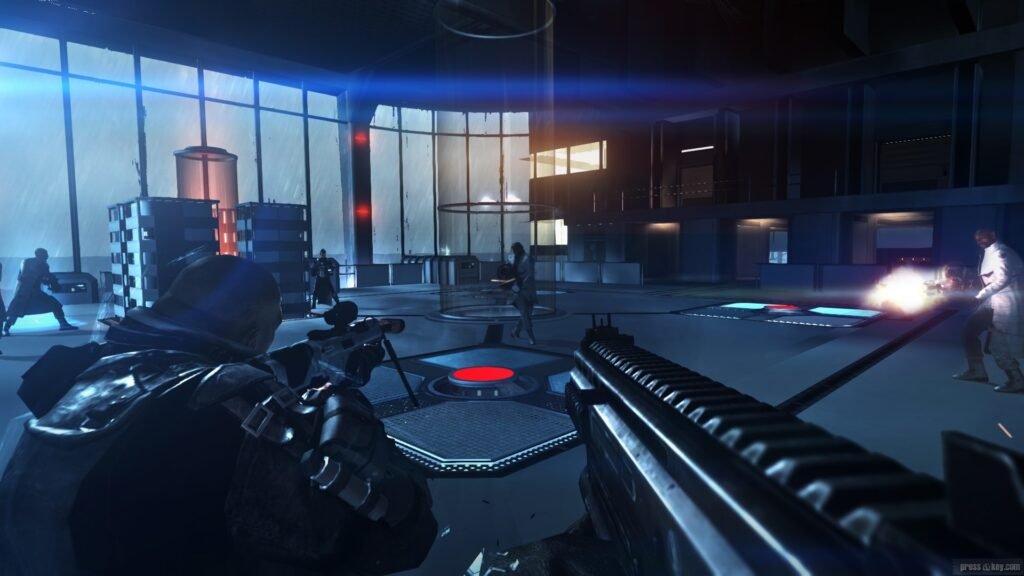
Combat itself sits somewhere between a classic run-and-gun shooter and something a little smarter. Weapons range from everyday pistols and assault rifles to more exotic corporate hardware. Levels are mostly linear, but Starbreeze packed them with verticality, destructible cover, and environmental hacks that keep things from feeling completely on-rails. You’re constantly weaving between shooting, breaching, and moving. When it clicks, Syndicate has a kinetic rhythm that a lot of bigger-budget shooters from the same era never quite managed.
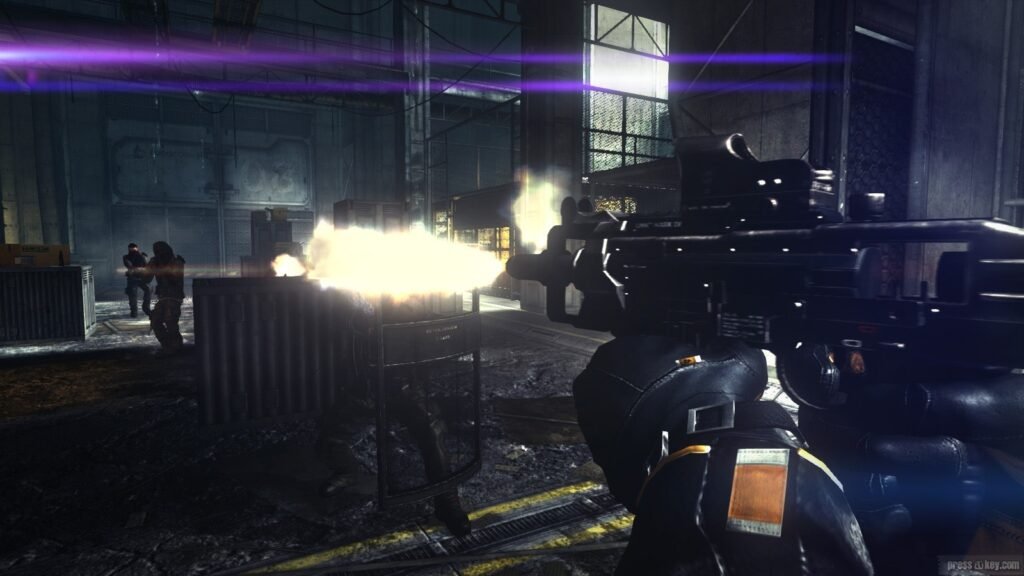
Then there’s the co-op. While the single-player campaign tells Miles Kilo’s story of corporate betrayal and escalating violence (with a script by novelist Richard K. Morgan and some solid voice work from the likes of Brian Cox and Rosario Dawson), the four-player co-op mode is where a lot of players found the real longevity. It reimagines missions in the spirit of the original games, throwing you and your squad into chaotic runs across the globe. Classes, loadouts, and shared objectives give it a different flavor from the campaign, and the difficulty can get properly mean if you crank it up. Starbreeze even admitted during development that they were constantly worried they had made the co-op too hard. That old-school edge is part of its charm.
Development wasn’t smooth. Starbreeze had already built a reputation with The Chronicles of Riddick: Escape from Butcher Bay and The Darkness, so EA trusted them with the Syndicate name. Pre-production started way back in 2007. The team knew from the start that changing an isometric tactics game into a shooter would upset a vocal group of fans. CEO Mikael Nermark later called it “a lost battle from the get-go.” Whatever they did, someone was going to hate it. After a year of work they essentially restarted, eventually settling on the version that shipped. The budget was smaller than a typical AAA title of the time, and the final product showed both the ambition and the constraints.
Critics landed somewhere in the middle. Metacritic scores hovered in the low-to-mid 70s depending on platform, with PC coming in a bit lower. Plenty of reviews praised the stylish presentation, the satisfying gunplay, the DART mechanics, and especially the co-op. The single-player story took more flak for feeling predictable and a little thin. Sales were disappointing—estimates put worldwide numbers around 150,000 copies. EA called it a miss. Starbreeze had to cut staff after launch. For a studio that had delivered cult hits before, it stung.
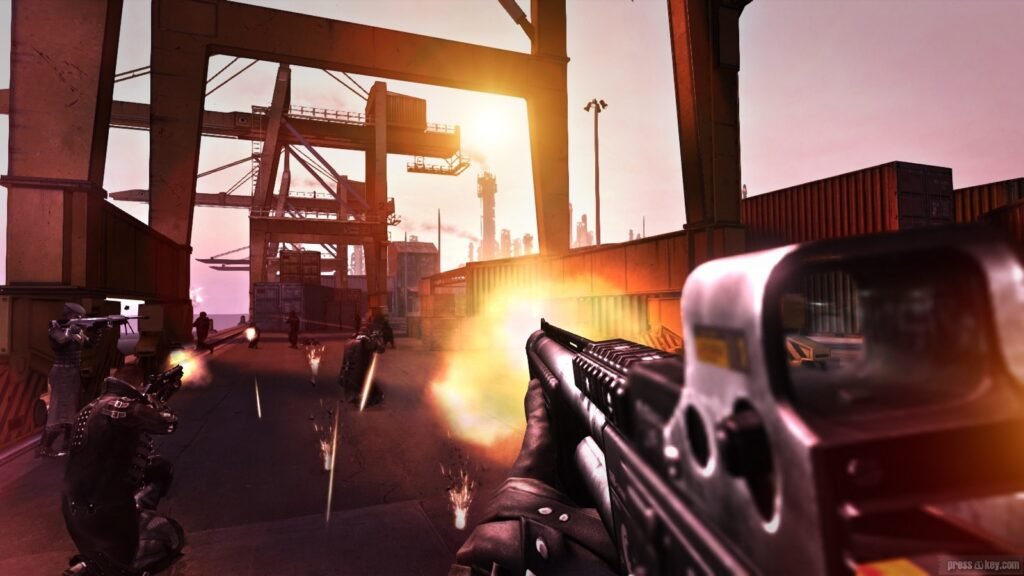
Looking back, the hate feels a little overcooked. Yes, it’s not the original Syndicate. It never pretended to be a one-to-one remake. What Starbreeze delivered was a confident, stylish cyberpunk shooter with a unique identity in its hacking systems and a surprisingly strong co-op backbone. The world feels lived-in and cold. The corporate propaganda, the sleek but oppressive architecture, the constant sense that everyone is a resource to be exploited—it all lands. The game has that Starbreeze DNA: a little rough around the edges, but full of personality and mechanical inventiveness.
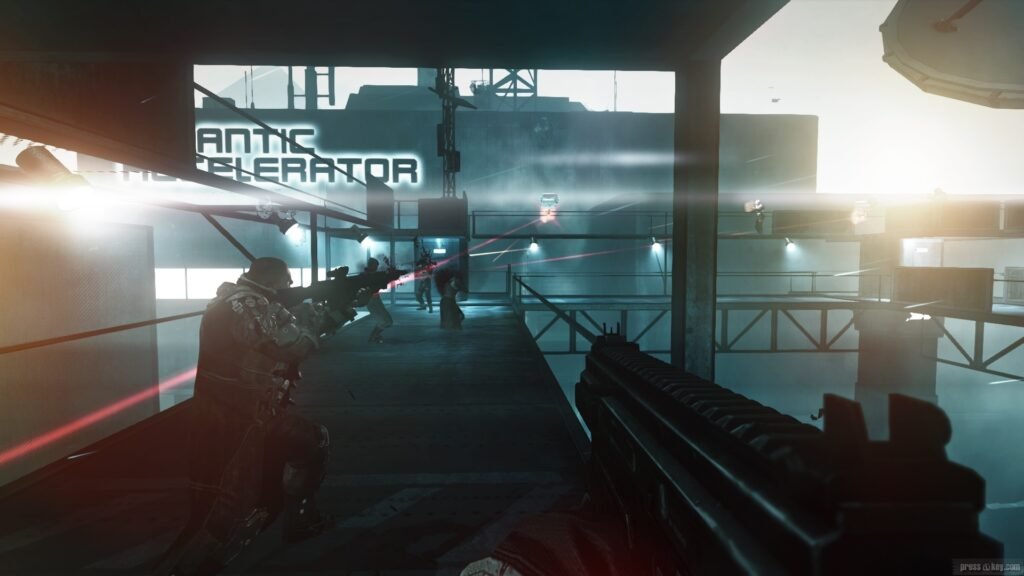
These days Syndicate sits in that interesting category of games that didn’t set the world on fire but still have a quiet following. You can still find people recommending the co-op sessions or praising how good the DART Overlay feels when a room full of agents is bearing down on you. In an era where big shooters often feel interchangeable, its particular mix of mind-hacking and corporate brutality stands out. It never got the sequel or the cultural staying power some hoped for, and the original series’ tactical roots found a more faithful spiritual successor years later in Satellite Reign. But that doesn’t erase what Starbreeze put on the screen in 2012.
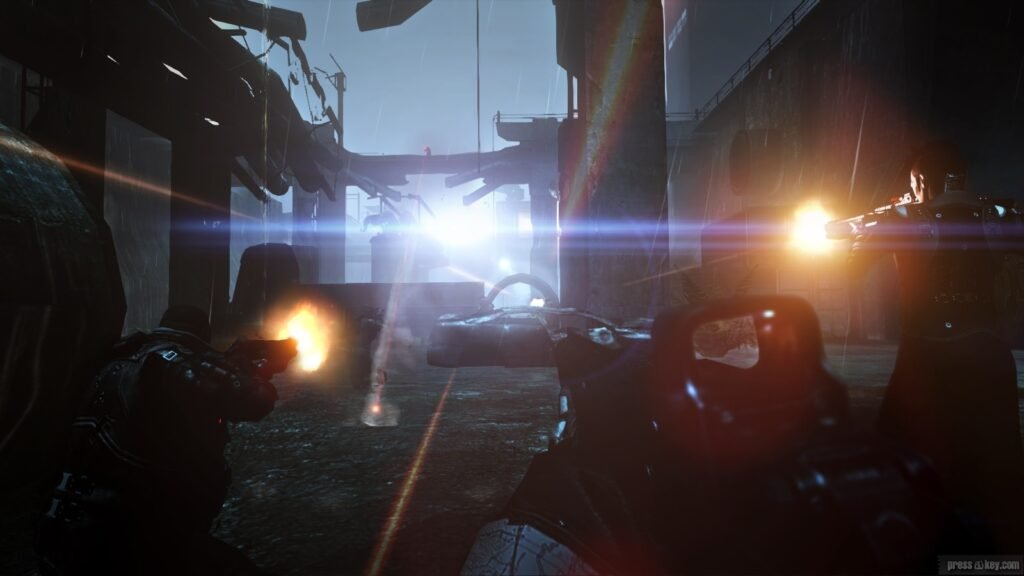
If you never played it, or if you dismissed it at the time because it wasn’t the Syndicate you grew up with, it might be worth another look. Boot it up, slot in that DART 6, and go to work for EuroCorp. Just remember: in this world, the company always comes first. And the company doesn’t care how many bodies it takes.