
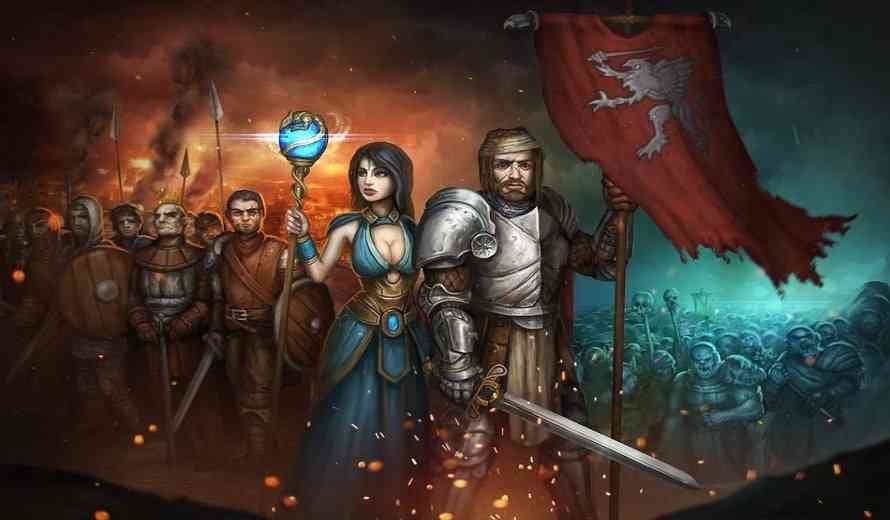

If you like your turn-based tactical strategy games with a proper old-school bite and zero hand-holding, Warbanners by Crasleen Games is still worth a look even years after its 2017 release. This is the game that first put the studio on the map for fans of hardcore hex battles and mercenary management, long before they returned with the more polished Veterum. It’s rough around the edges in the classic indie way, but the systems underneath have real depth if you’re willing to dig in and learn how everything connects.
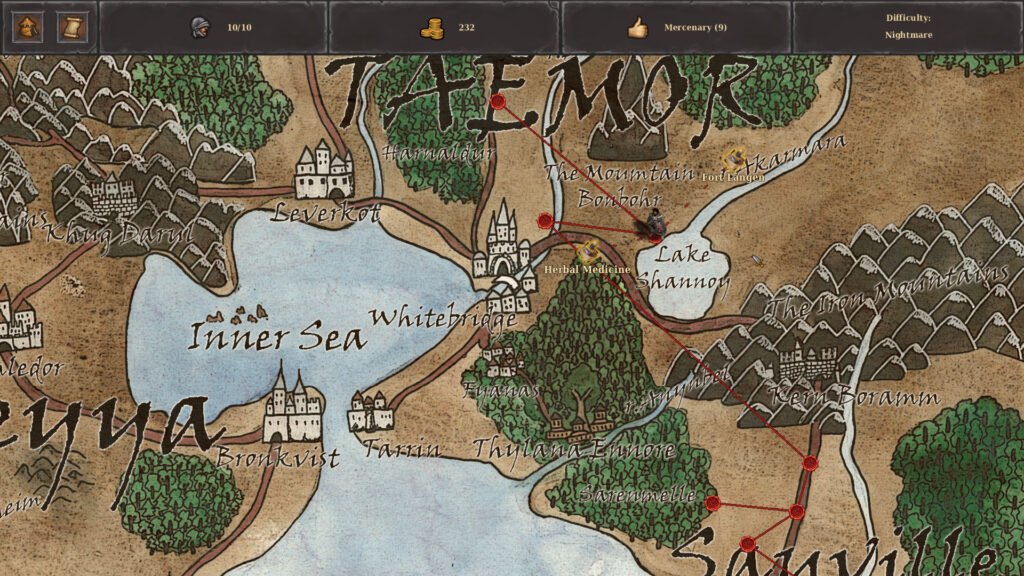
You take command of a mercenary company in a classic fantasy setting full of humans, orcs, dwarves, elves, undead, and the usual assortment of magical nastiness. The story campaign runs for 42 missions and follows a fairly straightforward path of blood and iron as an ancient threat starts to rise again. Your goal is simple on paper: survive the campaign, grow stronger, and earn a place among the legends. In practice that means carefully managing your squad, making hard choices about who lives and who dies, and treating every battlefield like a puzzle that can punish careless play.
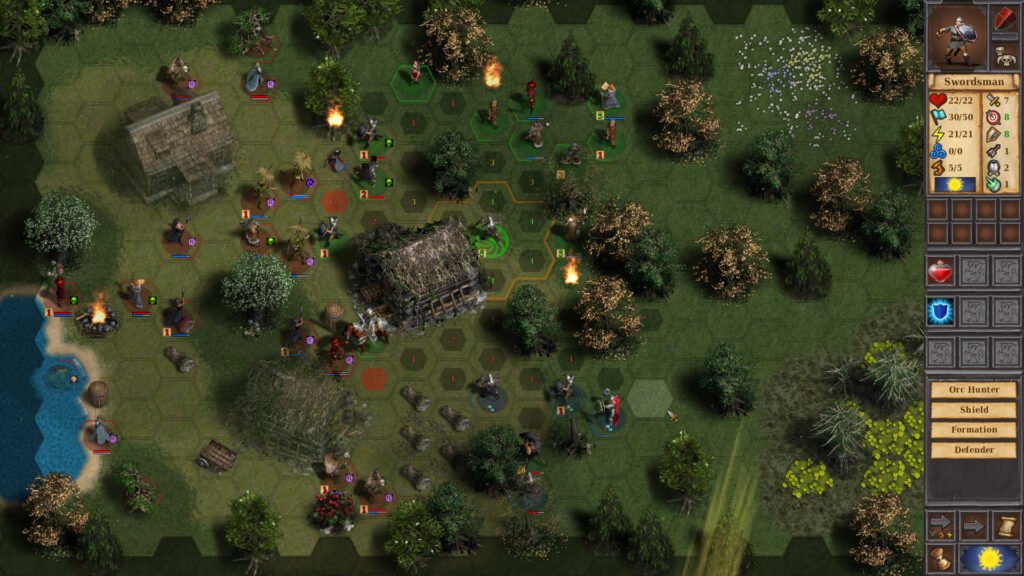
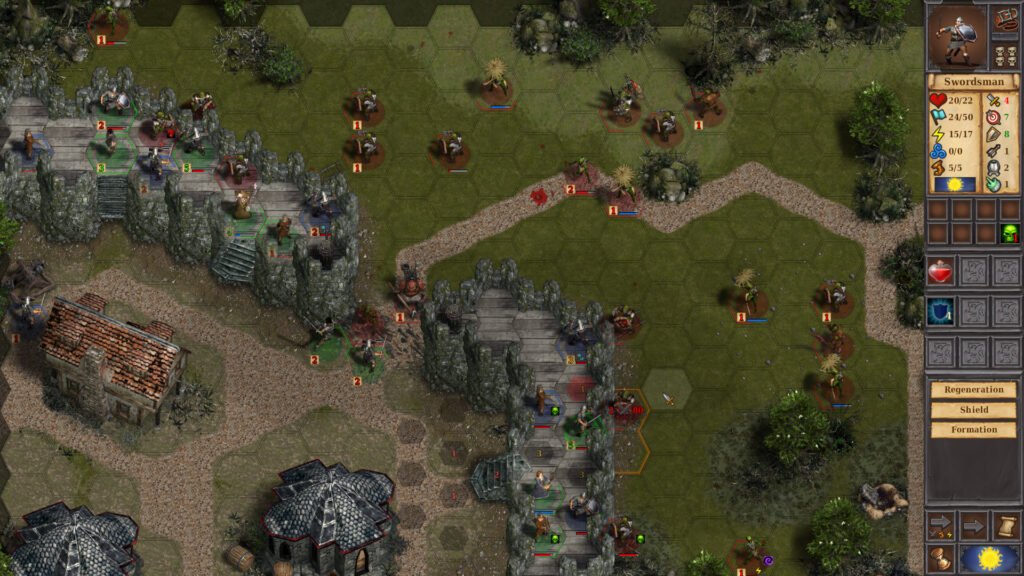
The heart of Warbanners is the combat. Battles take place on hex grids and pay attention to a lot of small but meaningful details. Landscape morphology, lighting conditions, each unit’s field of view, morale, and fatigue all influence how fights play out. Units have facing and zones of control, so positioning really matters. You can also reshape the battlefield itself in ways that still feel satisfying. Freeze rivers to create new paths or cut off the enemy. Chop down or burn trees for better sight lines or to create obstacles. Dig trenches, build barricades, and construct bridges when the map gives you the chance. These environmental interactions turn many fights into proper tactical exercises rather than simple stat checks.
Your army is built from hired soldiers that you equip, train, and specialize. Each unit levels up individually and offers randomized upgrade choices when they gain enough experience, so no two squads end up looking the same. You can lean into certain strengths or try to cover weaknesses depending on the challenges ahead. Beyond the fighters themselves you can hire assistants who never step onto the battlefield but provide powerful bonuses. These can include things like a catapult, the ability to poison enemies at the start of a fight, or boosts to morale. Choosing the right support options for a given mission becomes part of the preparation phase and can swing difficult encounters in your favor.
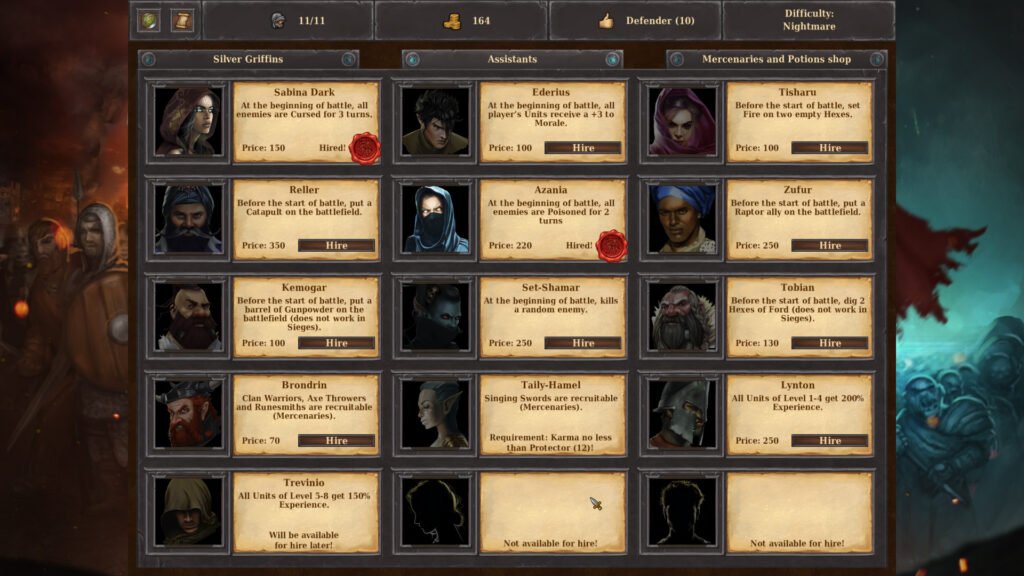
Difficulty is adjustable across a wide range, from something more approachable for newer players up to nightmarish settings for veterans who want every fight to feel like a proper test. The game does not pull punches even on moderate settings. Missions ramp up in complexity, and the AI will exploit weak points if you leave them open. Some players bounce off the hit chance system, which can feel low at times and encourages careful positioning and the use of every advantage available. Others appreciate that the challenge forces you to think several steps ahead and treat each soldier as a valuable resource rather than disposable fodder.
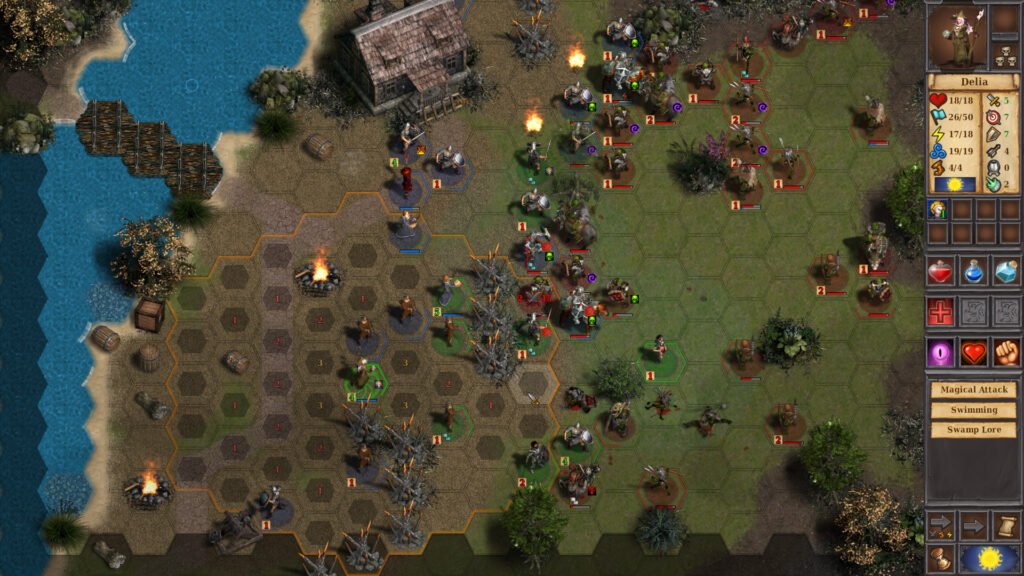
Outside of combat the game is more limited. The campaign is largely linear with occasional branching choices that affect the path forward. Storytelling happens mostly through text screens, and while the writing gets the job done it never becomes the main reason to keep playing. The visual style is simple and functional rather than flashy. Sprites are small, animations are basic, and the overall presentation has that classic indie tactical game look that prioritizes readability over spectacle. Sound design and music are serviceable without being memorable. For players who care primarily about the systems these things matter less, but they do contribute to the game’s somewhat dated feel today.
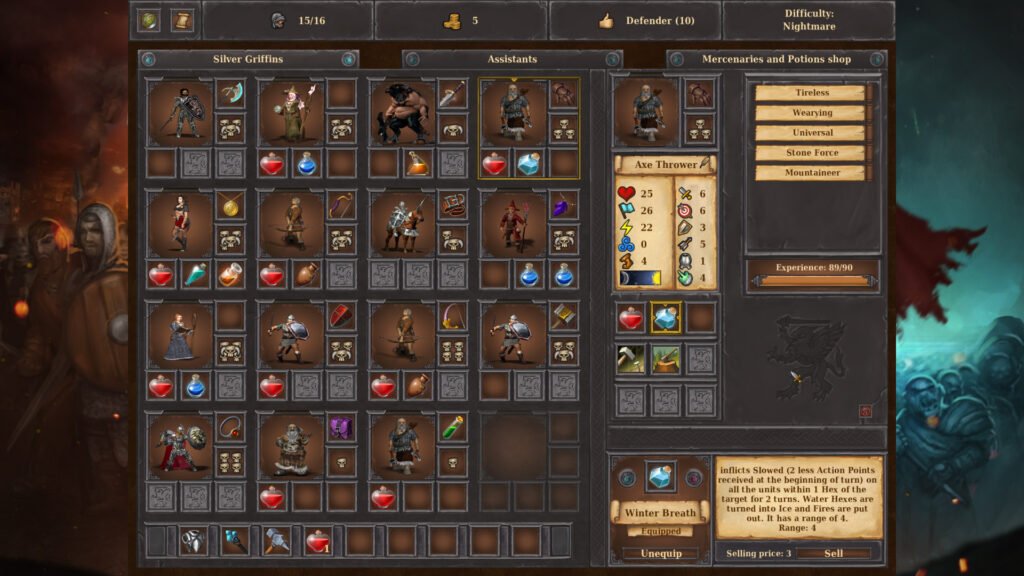
Crasleen Games continued supporting the title after launch with updates that added quality-of-life features and an arena mode for extra battles and rewards between story missions. In 2018 they released the Death Speaker DLC, which lets players step into the role of an orc clan leader on a separate campaign involving ancient dwarven ruins and a different flavor of power-seeking. The DLC expands the roster of available units and gives veterans of the base game a new set of challenges.
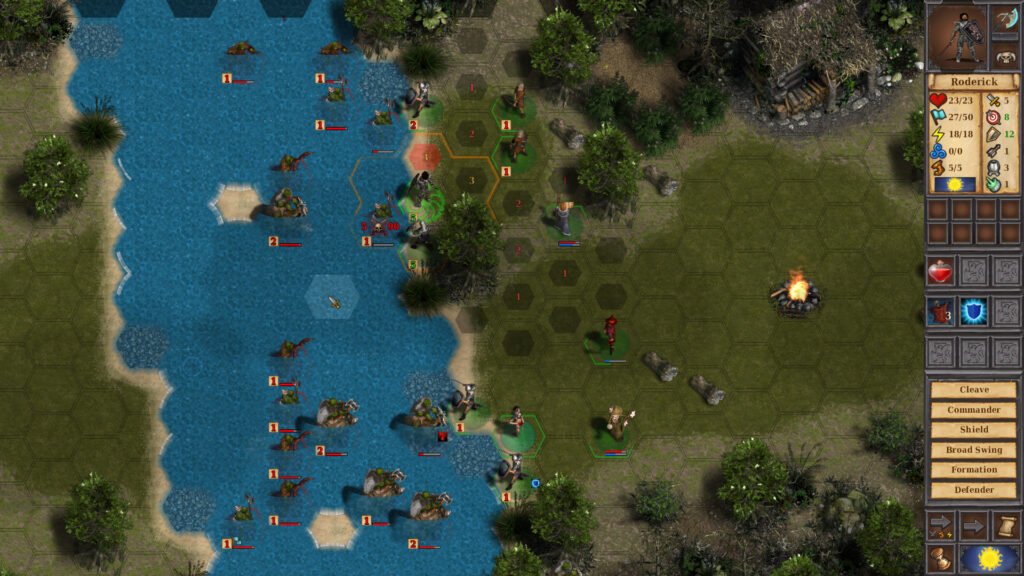
Looking back from 2026, Warbanners sits in an interesting spot. It is clearly the foundation that the studio built upon for later projects, sharing DNA with Veterum in the emphasis on interactive environments, morale and fatigue systems, and mercenary company management. Where the newer game opens things up with a more sandbox-style map and greater procedural variety, Warbanners keeps things tighter and more campaign-focused. That structure can feel restrictive to some, but it also gives the experience a clear sense of progression and a definite beginning, middle, and end.
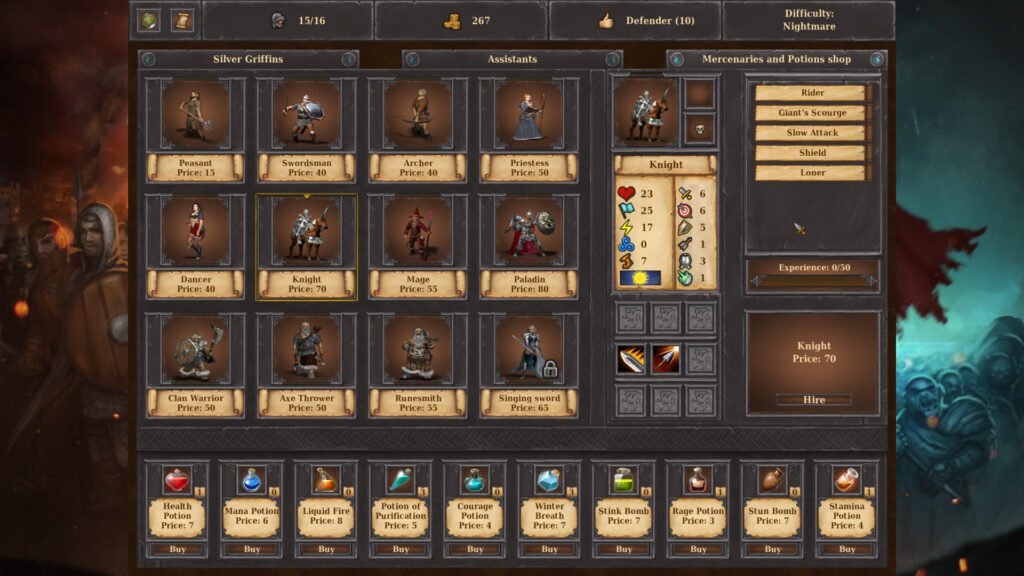
The Steam reception has settled into Mostly Positive territory over the years. Players who enjoy the genre often praise the tactical depth, the satisfaction of hard-earned victories, and the way environmental tools open up creative solutions. Criticisms tend to focus on the presentation, occasional frustration with hit chances or balance, the relatively plain narrative, and the fact that some systems feel a bit opaque or punishing until you learn the rules thoroughly. It is the kind of game that rewards patience and experimentation more than pure mechanical skill or reaction speed.
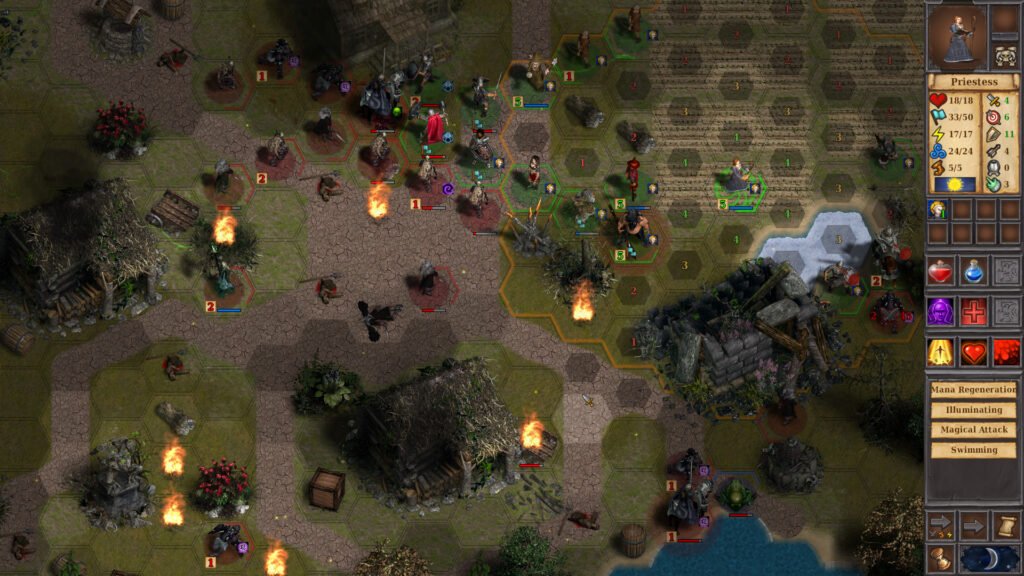
If you are the type of player who still boots up older tactical titles and finds joy in carefully positioning units, managing limited resources, and turning the terrain itself into a weapon, Warbanners delivers that experience without apology. It does not try to modernize itself with flashy production values or streamlined systems. Instead it leans into being a pure systems-driven strategy game where victory feels earned because the game never makes it easy. For fans of the genre it remains a solid, if unpolished, entry that shows exactly where Crasleen Games started before refining the formula further with the recently released-out-of-Early-Access, Veterum. Just go in knowing that the road to legend status is paved with blood, careful planning, and more than a few restart-from-checkpoint moments.