

If you’ve been craving a proper turn-based tactical RPG that doesn’t hold your hand and actually lets you reshape the battlefield itself, Veterum by Crasleen Games might just be the one. This is the kind of game that feels like it crawled out of the same dark corner of the indie scene that gave us Battle Brothers and Warbanners (which, not coincidentally, came from the same developer). It dropped into Early Access in late November 2025 and hit full release on September 7, 2026, and it’s been quietly building a solid reputation among players who like their strategy games with some genuine teeth.
You play as Commander Edward, leading the last army of the Order of the Gatekeepers. The world is falling apart in classic dark fantasy fashion. Ancient wilds have woken up, blood cults are doing their usual horrible business out in the open, and mad prophets keep yelling about the end of days. Your job is to stop the coming chaos before everything goes completely sideways. That means traveling an open world map, taking on quests, recruiting fighters from different races, hunting rare artifacts, and constantly weighing whether the next fight is worth the risk of permanent losses.
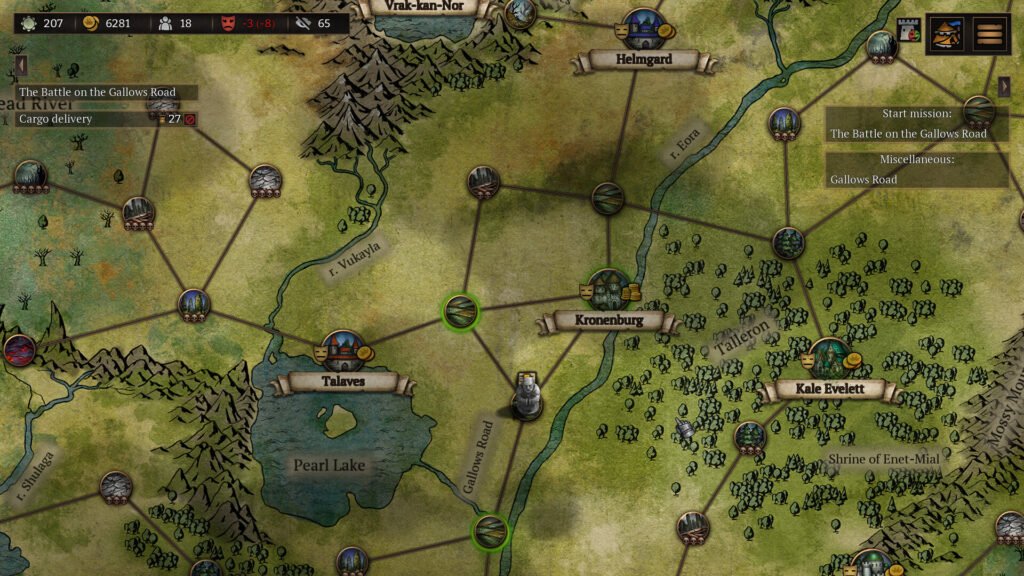
The open world is one of the more interesting parts. It’s not a seamless 3D exploration playground. Instead you move between nodes on a strategic map, visiting towns, special locations, and danger spots. Quests, random events, and even the goods available in cities change from playthrough to playthrough, so no two campaigns feel identical. Settlements can grow or fall depending on what happens around them, and your reputation with different factions actually matters. Push too hard or fail the wrong people and you might find certain towns locking their gates. That sense of a living, reacting world is something a lot of similar games talk about but don’t always deliver.
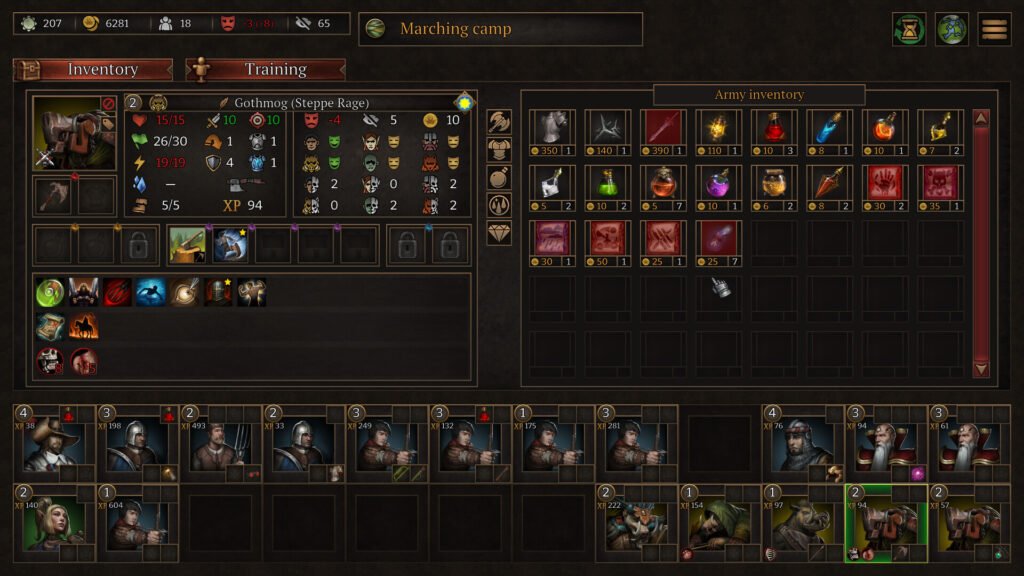
Recruitment is pure mercenary management. You’ll pull in humans, tough dwarves, mysterious elvers, and half-wild turans. Not everyone gets along, which creates friction in the ranks and can affect morale on the road. Each unit comes with its own traits that go beyond simple stats. One fighter might hit like a truck but drag the whole company’s mood down. Another might be cheerful and cheap to keep around but take forever to become useful. Balancing those personalities while watching your gold is a constant puzzle. Units gain experience only when they actually participate in meaningful ways, so you end up rotating green recruits in for the last hits on weakened enemies if you want them to grow. Levels mostly just reflect how much experience you’ve poured into someone and how expensive they’ve become to keep. Lose a heavily invested veteran and it hurts both on the battlefield and in the wallet.
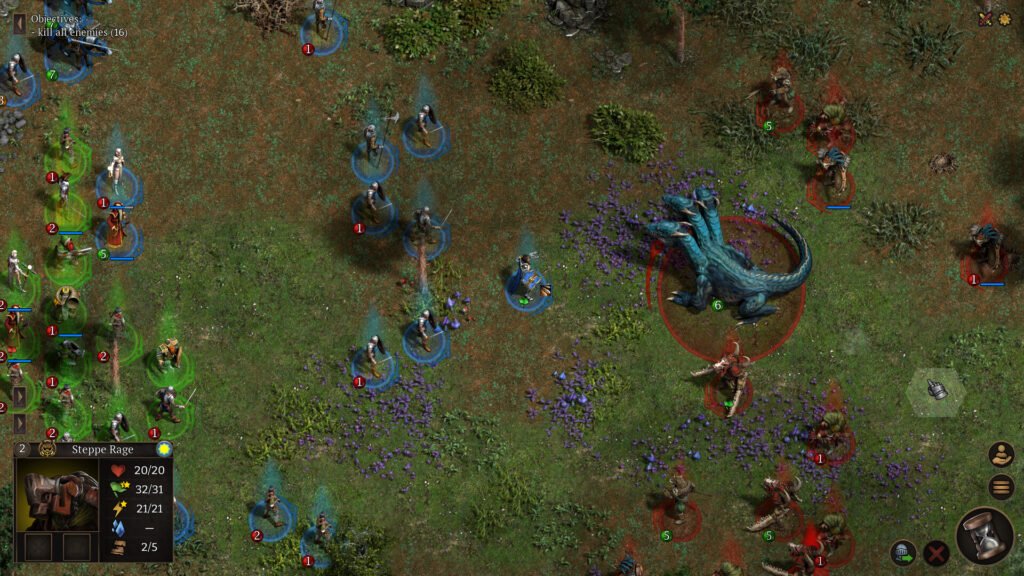
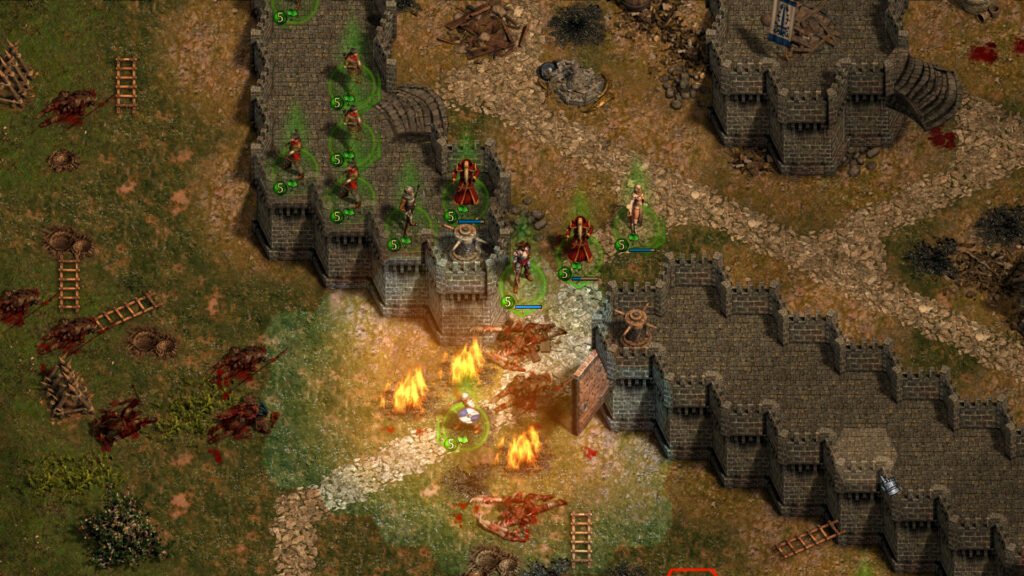
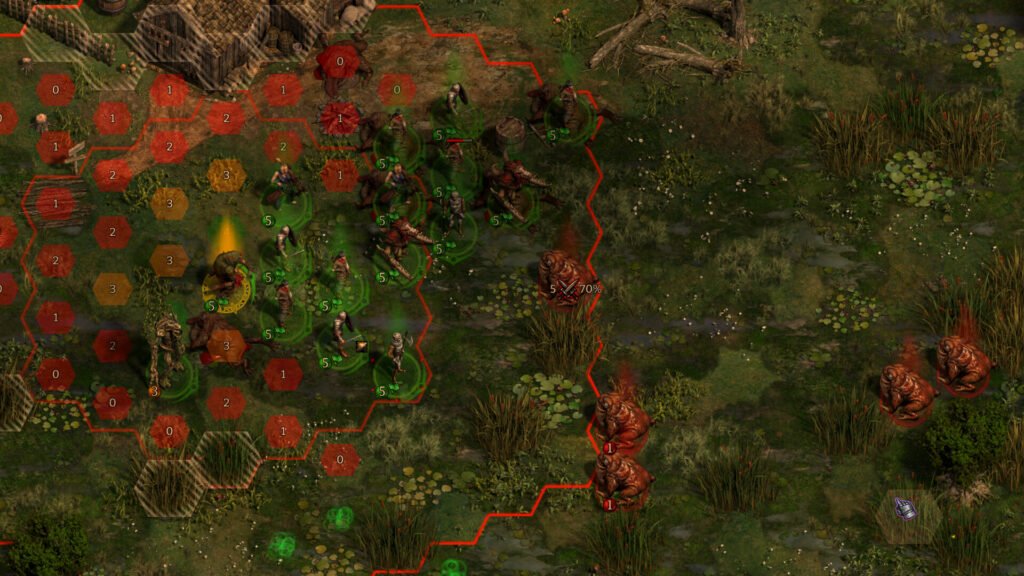
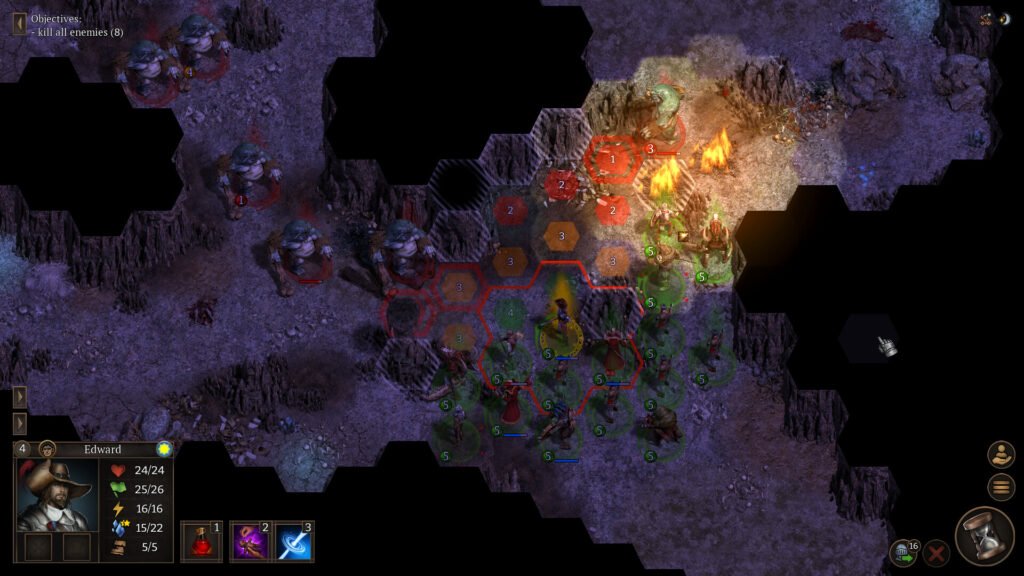
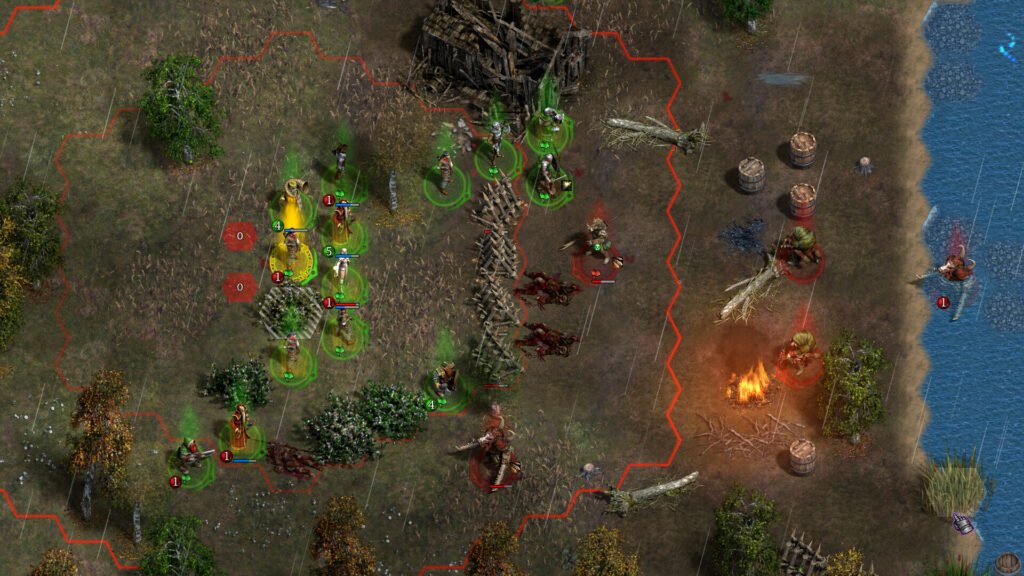
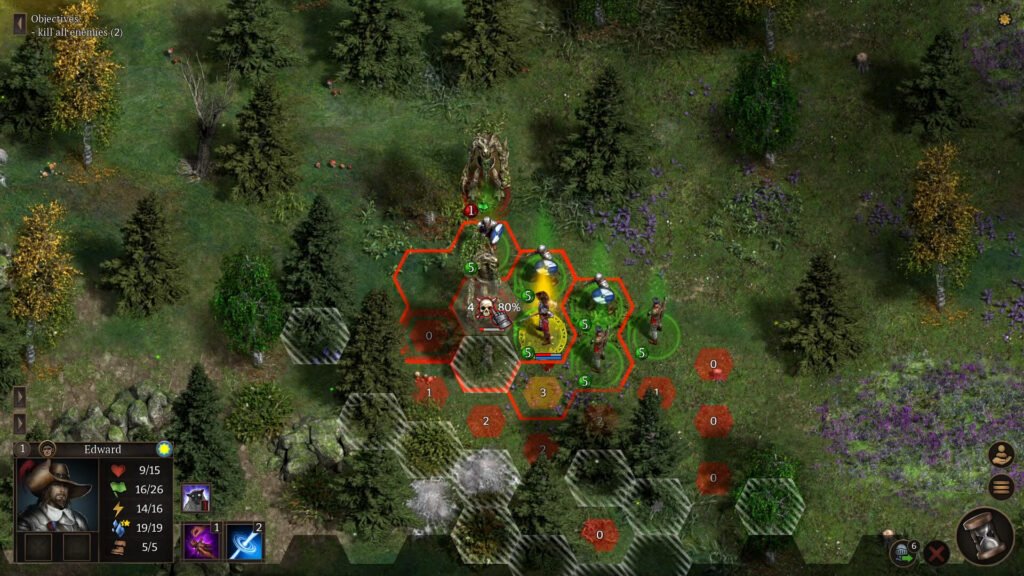
The real star of Veterum is the combat. Battles play out on hex-based maps with a deep system that cares about far more than just who has the higher numbers. Line of sight, unit facing, morale, and accumulated fatigue all matter. Weather and lighting conditions change the equation too. Rain and fog mess with archers. Night creatures become terrifying in the dark. You can push back against those conditions yourself. Light fires, dig trenches, build barricades, chop down trees for better lines of fire, or freeze rivers. Before a fight even starts you can burn single-use scrolls to summon rain, poison the enemy side, or drop a catapult into the mix. Almost every object on the battlefield is interactive. That level of environmental control makes every engagement feel like a proper tactical puzzle rather than a series of ability cooldowns.
You’ll field a mix of unit types and have to choose carefully for each mission. Some fights reward a sturdy frontline with support casters. Others demand mobility or specialized tools. The AI can be aggressive, especially in sieges, where it will happily focus down your squishy mages or unload artillery at the worst possible moment. Permanent death is a real threat, so every decision carries weight. The game leans hard into the idea that you’re running a company of soldiers, not a party of plot-armored heroes. That can feel harsh, but it also makes the victories feel earned.
Outside of combat the game is more functional than flashy. Towns are mostly hubs for recruiting, shopping, and reading short lore snippets. The visual style is simple and a bit generic. Character tokens don’t have a lot of personality, animations are understated, and the sound design doesn’t exactly stick with you. The interface can be fiddly at times, especially when dealing with facing or more complex actions. These aren’t deal-breakers if you’re mainly here for the systems, but they’re noticeable. The writing is serviceable and the emergent stories that come from random events and faction tensions do more heavy lifting than the main plot.
What Crasleen Games has built is a systems-first experience. Difficulty is adjustable in multiple ways, so you can tune hit chances, health pools, and rewards to match how punishing you want things to be. There’s a map and unit editor, Steam Workshop support, achievements, and cloud saves. The game is playable on Steam Deck and supports a solid range of languages. After nearly a year in Early Access the full release feels complete, with the final story content in place and a bunch of polish applied based on player feedback.
If you love the idea of building a ragtag army, managing egos and salaries, and then dropping into highly interactive turn-based battles where the terrain itself is a weapon, Veterum delivers. It’s not the prettiest game on the market and it won’t win awards for storytelling or presentation. But the tactical depth is real, the replayability is strong thanks to procedural elements, and the sense of commanding a living company through a collapsing world is satisfying. Fans of Battle Brothers, Warbanners, or any good hex-based strategy RPG should feel right at home. Just be prepared to lose some favorite soldiers along the way. That’s part of the charm.