

Release Date: December 1, 1998 Developer: Looking Glass Studios
Get It On: GOG
If you have ever wanted to feel like a proper ghost drifting through a living, breathing city, Thief: The Dark Project is still the gold standard. Released in December 1998 by Looking Glass Studios and published by Eidos Interactive, this first-person stealth game threw out the usual run-and-gun rules of the late nineties and asked players to stay quiet, stay dark, and think carefully. You play as Garrett, a cynical master thief who just wants to make a living lifting valuables in a sprawling metropolis known simply as the City. What starts as a series of jobs quickly pulls him into something much bigger involving ancient powers, religious zealots, and a very personal cost.
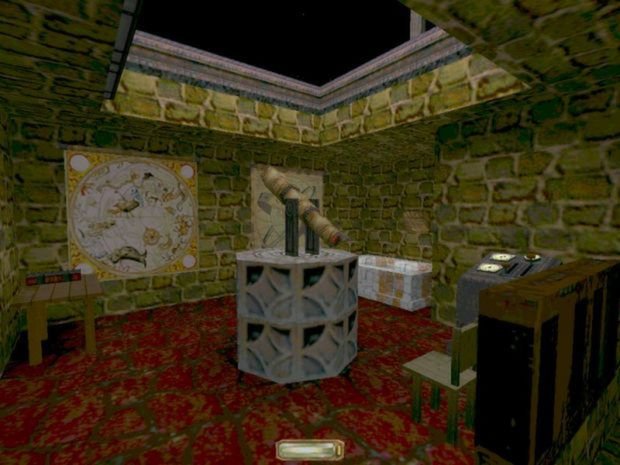
The setting mixes medieval fantasy with early industrial grit. Think flickering gas lamps, clanking machinery, and stone streets that feel both old and slightly futuristic. Three major factions shape the world: the orderly Hammerites who worship the Builder and love their forges and holy hammers, the wild Pagans who serve the chaotic Trickster and prefer nature in its rawest form, and the secretive Keepers, an order that tries to maintain balance by staying in the shadows and collecting knowledge. Garrett was trained by the Keepers as a kid but walked away because he preferred cash to destiny. That choice comes back to bite him hard.
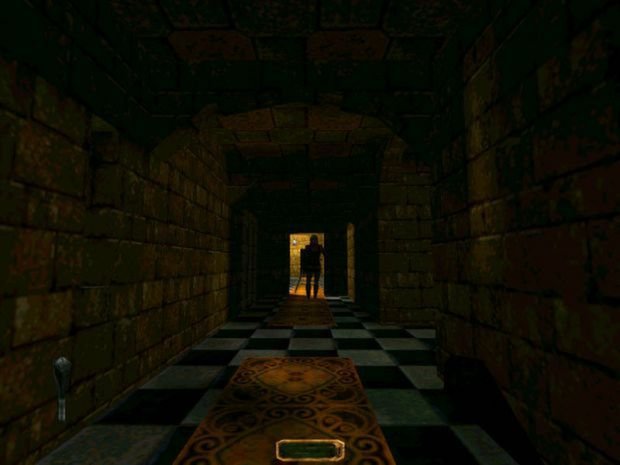
Gameplay is pure tension. You move through large, multi-path levels filled with guards who patrol, chat, and react to what they see and hear. Light and sound are your real enemies. A glowing gem on the interface shows how visible you are; stay in the dark and it dims, step into a torch beam and it flares. Footsteps change volume depending on the surface. Soft carpet or moss keeps you quiet. Metal or tile will announce your presence like a dinner bell. The AI is surprisingly clever for its age. Guards investigate unusual noises, notice open doors or dropped bodies, and call for help if they get suspicious enough. You can blackjack them unconscious, snipe with special arrows, or just slip past entirely. The game rewards creativity far more than combat.
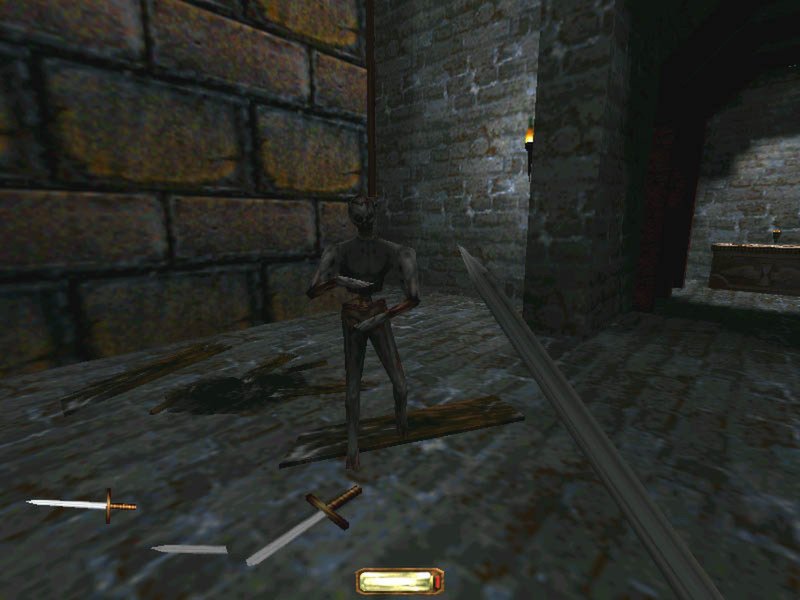
Your toolkit is simple but brilliant. The trusty blackjack knocks out humans without killing them. A sword exists for emergencies but Garrett is no swordsman. The bow is where the real fun lives. Water arrows douse torches and clean blood. Rope arrows let you climb wooden surfaces. Moss arrows create silent patches of ground. Fire arrows light things up or deal damage. Flash bombs stun groups. Lockpicks open doors. You buy extra gear between missions with the loot you steal, so every shiny goblet or purse matters. Levels are designed like playgrounds. Multiple routes, verticality, secret passages, and plenty of opportunities to observe before you act. Higher difficulty settings add objectives like “don’t kill anyone” or “steal a certain percentage of the available loot,” turning a straightforward heist into a proper challenge.
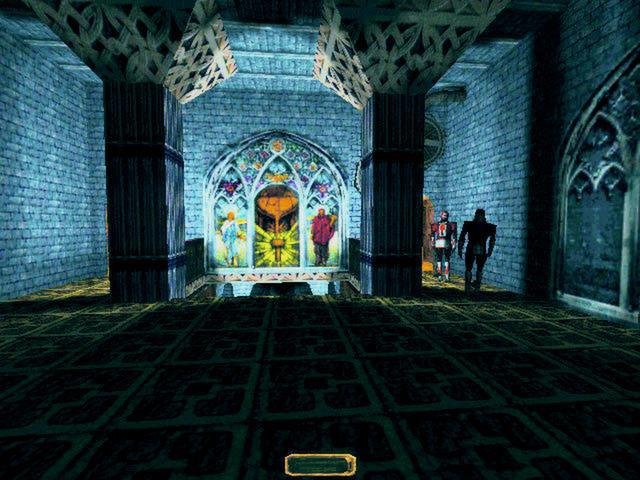
The story starts small. Garrett gets on the wrong side of a local crime boss, then accepts a job from a mysterious woman named Viktoria. That job leads to a bigger score involving a powerful gem called The Eye. Along the way he explores haunted districts, ancient ruins, a sealed cathedral, and the wild domains of the Pagans. The plot twists hard when it becomes clear that some of his clients are not what they seem. Without spoiling the big moments, Garrett loses something important, gains a mechanical replacement, and ends up deciding the fate of the entire City. The writing is sharp, the voice acting (especially Garrett’s dry narration by Stephen Russell) is excellent, and the atmosphere is thick enough to cut with a knife. Eric Brosius’s ambient score and sound design deserve special praise. Footsteps, distant conversations, dripping water, and sudden alerts create a soundscape that still holds up.
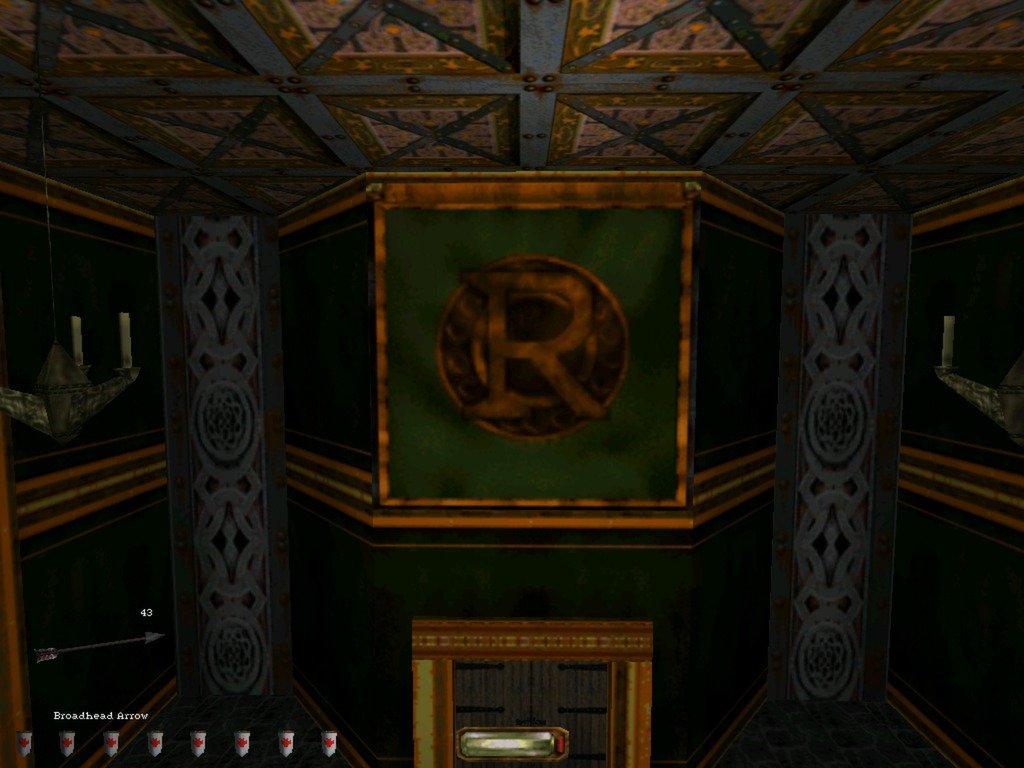
Looking Glass built the game on their own Dark Engine, the same technology that later powered System Shock 2 and Thief II. The engine was ambitious. It simulated light, sound propagation, and complex AI behaviors in ways most games of the era simply ignored. Levels felt alive because the systems interacted. A dropped body left blood. A doused torch changed the lighting. Guards remembered what they saw. That systemic approach is why people still call Thief one of the founding pillars of the immersive-sim genre.
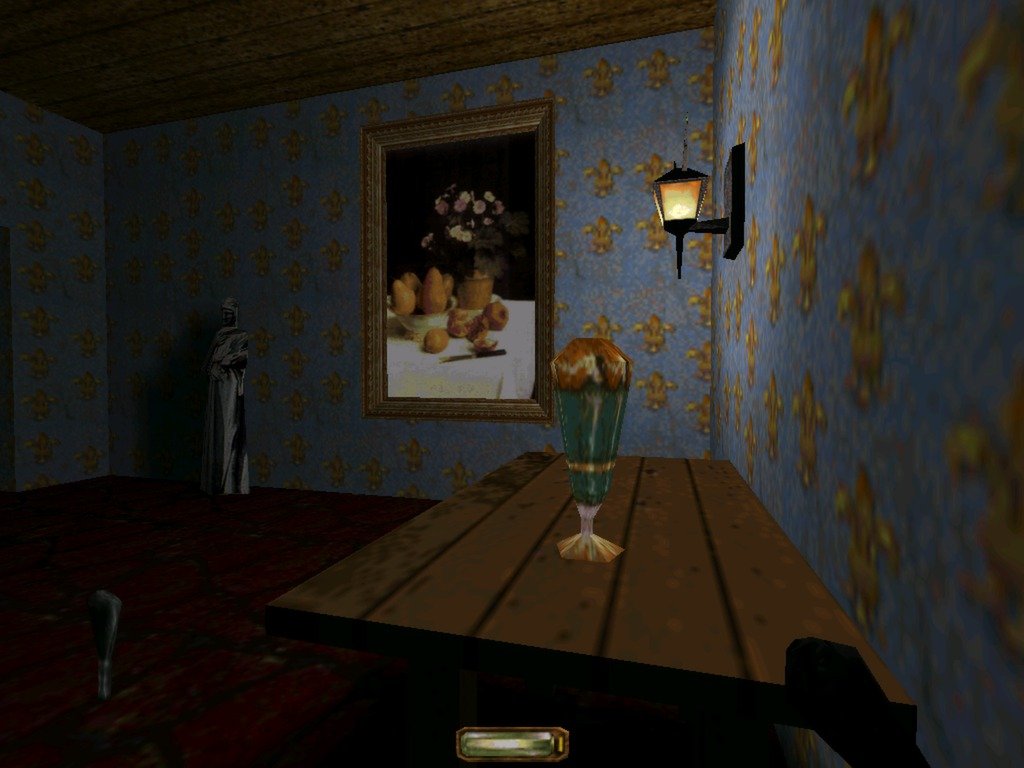
Of course, a 1998 game does not always play nicely with modern hardware. Widescreen, high resolutions, and modern operating systems can be finicky with the original executable. That is where the NewDark engine comes in. Created by the community, NewDark is a heavily upgraded version of the original Dark Engine. It adds proper DirectX 9 support, native high resolutions and widescreen, multi-monitor setups, better texture handling, improved performance, and a long list of quality-of-life fixes. It works with Thief: The Dark Project, Thief Gold, Thief II, and even System Shock 2. Fan missions and custom content run cleaner. Save systems behave better. The game simply feels more comfortable on a 2020s PC without losing any of its original character. Most modern players experience Thief through NewDark these days, and it is hard to imagine going back.
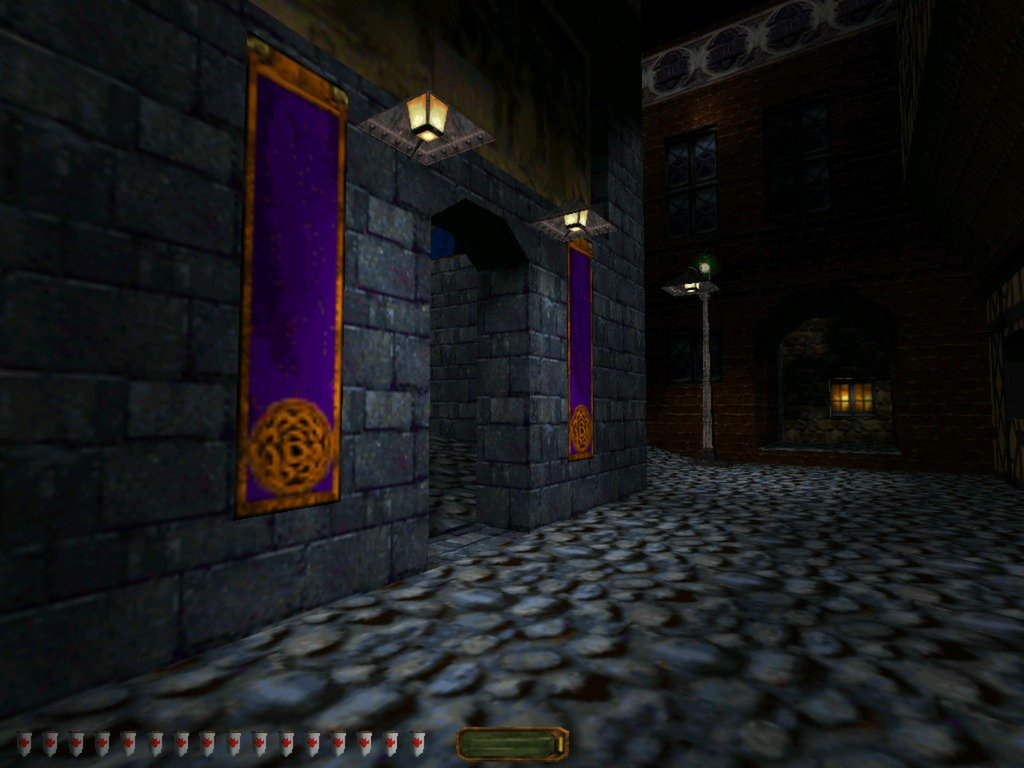
Speaking of modern access, the game recently received fresh attention on GOG. In mid-July 2026, GOG updated their version of Thief Gold as part of their Preservation Program. The update brought the latest NewDark 1.27 engine, improved UI scaling, better default graphics and audio settings, optimized controls, extra language support, and, crucially, the original Thief: The Dark Project files alongside the expanded Gold edition. You can now choose which version to launch. The package also includes manuals, wallpapers, the soundtrack, and other extras. It is a clean, DRM-free way to own the classic, and the timing feels perfect with a full Nightdive remaster already announced for later this year.
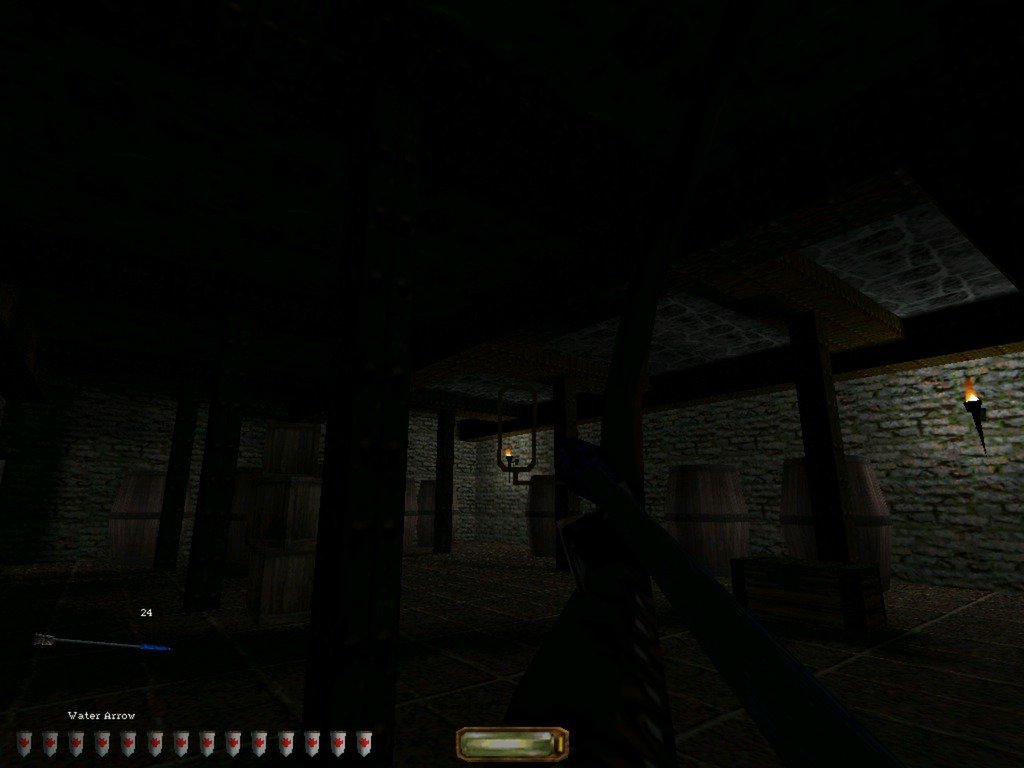
Even without the remaster, the original still delivers. The levels are big enough to get lost in. The tension of creeping past a pair of chatting guards while your light gem flickers is unmatched. The satisfaction of clearing a high-difficulty mission without raising a single alarm is pure dopamine. Thief Gold, the 1999 expanded release, added three new missions that deepen the story and introduce extra enemy types, making it the preferred way to experience the full campaign for most people. Yet the original twelve missions of The Dark Project already form a complete and influential package.
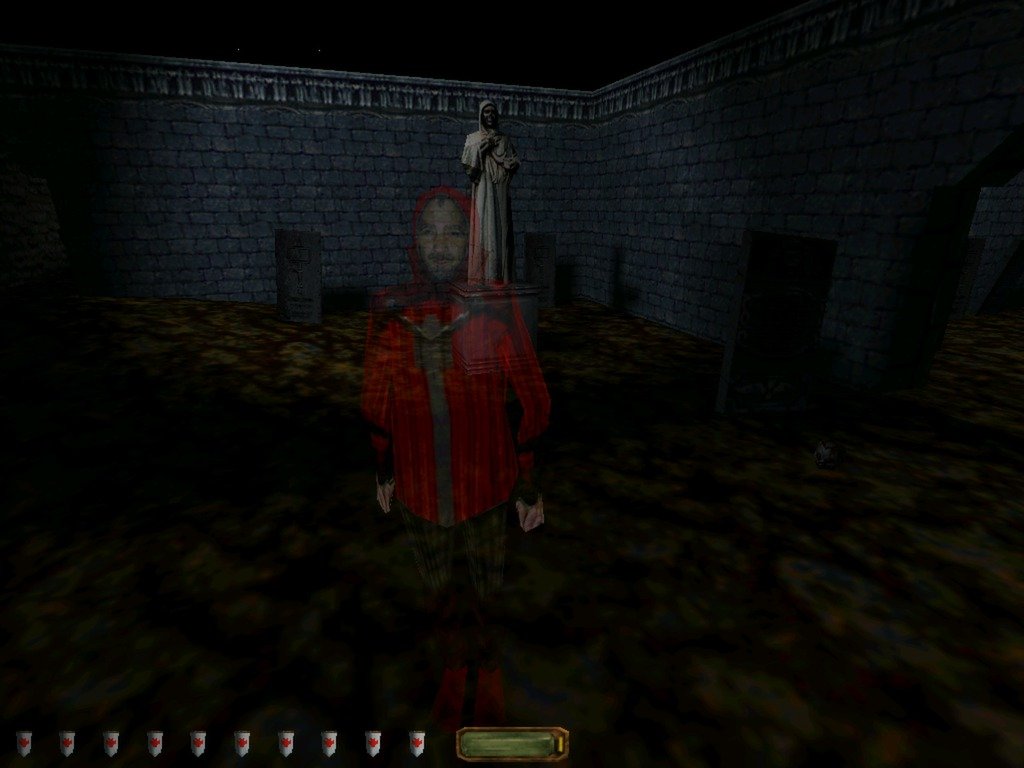
Looking back, Thief: The Dark Project did something rare. It proved that first-person games did not have to be about shooting everything that moved. It showed that systems and player freedom could create emergent moments no scripted sequence could match. It influenced everything from Splinter Cell to Dishonored to modern immersive sims. And thanks to community efforts like NewDark and the recent GOG polish, a brand-new generation can discover why sneaking through those torch-lit streets still feels so good.
So dim the lights, put on some headphones, and load up a save. Garrett is waiting in the shadows, and the City has plenty of valuables left to steal. Just remember to stay quiet, stay dark, and never trust anyone who smiles too much when they offer you a job.