
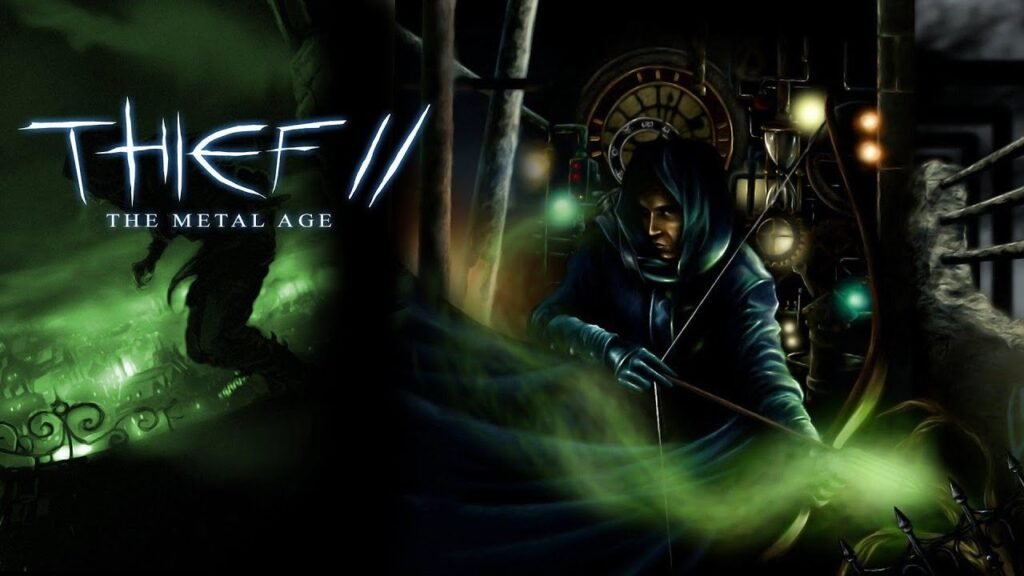

Release Date: March 23, 2000 Developer: Looking Glass Studios
Get It On: GOG
If you’ve ever felt the pure thrill of hugging a wall in total darkness while a guard walks past humming to himself, chances are you already know the name Garrett. And if you know Garrett, you know that Thief II: The Metal Age is where the series hit its purest, most focused form. Released in March 2000 by Looking Glass Studios and published by Eidos Interactive, this sequel took everything that made the original Thief: The Dark Project special and sharpened it into something even better.
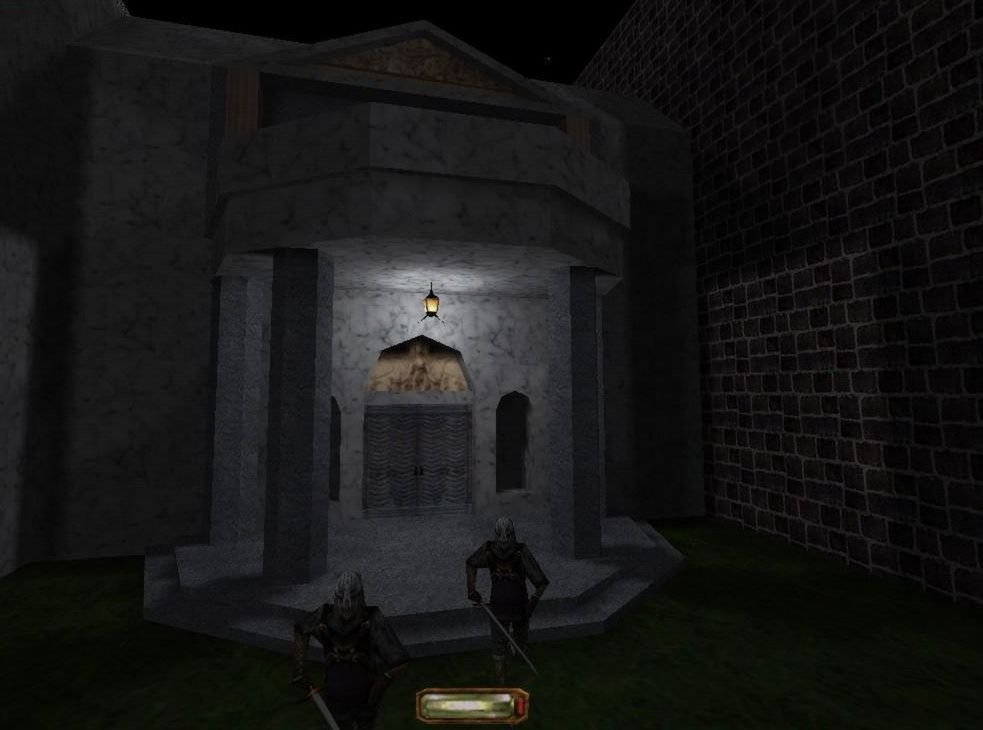
The first game had been a bold experiment. It mixed tomb raiding, monster fighting, and some genuinely creepy fantasy horror with the core fantasy of being a professional thief. Players loved the sneaking, the light-and-sound systems, and the feeling of being a soft-footed ghost in a dangerous world. But a lot of them also said the same thing: “More thieving, please. Less zombies.” Looking Glass listened. Thief II dialed the fantasy creatures way down and poured almost all its energy into urban stealth. Mansions, banks, police stations, warehouses, and the rain-slick streets of The City became the playground. The result feels more like a proper heist simulator than any other game of its era.
You still play as Garrett, the cynical master thief with a mechanical eye and a dry sense of humor. It’s been about a year since he stopped the Trickster’s wild plan to return the world to chaos. Life should be good. It isn’t. A new sheriff named Gorman Truart has decided the city’s underworld needs crushing, and Garrett is at the top of his list. At the same time, a fanatical new religious order called the Mechanists has split from the old Hammerites. Led by the brilliant and deeply unhinged Father Karras, they worship technology with religious intensity. Their gadgets are showing up everywhere—security cameras, mechanical beasts, and something far more sinister involving “Servants” who walk the streets with strange masks.
Garrett just wants to keep stealing enough to live comfortably. The Keepers, those mysterious observers who raised him, keep whispering about prophecies and the coming of the Metal Age. He ignores them, of course. Until the jobs start getting personal, the bodies start piling up, and it becomes clear that someone is trying very hard to erase him. What begins as a series of break-ins slowly turns into something much bigger involving blackmail, political corruption, pagan resistance fighters, and a plan that could wipe organic life from the city.
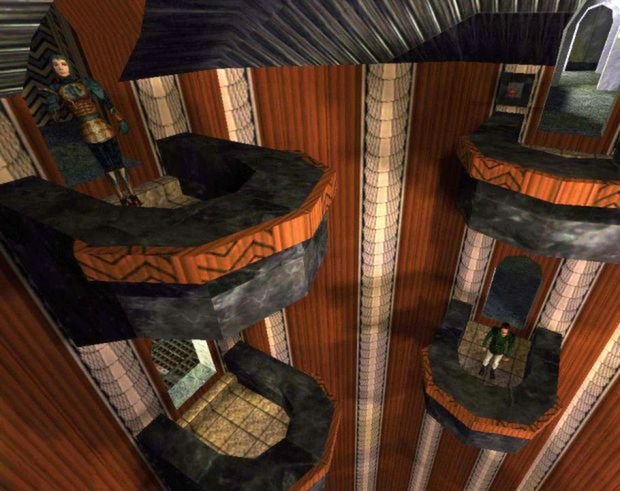
The story is told through mission briefings, in-game documents, overheard conversations, and the occasional cutscene. It never feels like the game is forcing a cutscene on you. You piece things together the same way Garrett does—by reading letters, listening at doors, and following trails of evidence. Stephen Russell’s voice work as both Garrett and Karras is outstanding. Garrett’s sardonic narration still makes me smile twenty-six years later, and Karras’s strange, almost childlike speech patterns make him one of the most memorable villains in stealth history.
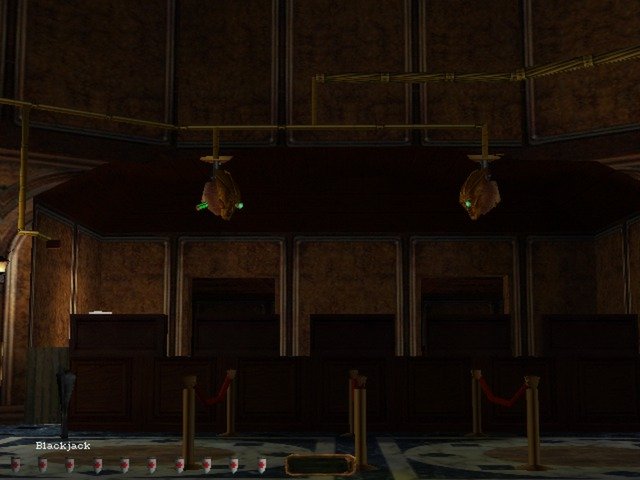
Gameplay is where Thief II truly shines. The core loop is simple and endlessly satisfying. You enter a large, multi-path level with a set of objectives. Usually you need to steal a specific item, or several items, or plant evidence, or overhear a conversation, or extract someone. You can approach almost every mission in different ways. Go loud and leave a trail of bodies (though the highest difficulty forbids killing), or ghost the entire level so cleanly that no one even knows you were there. The light gem in the bottom center of the screen is your best friend. Stay in the dark and you’re nearly invisible. Step into a pool of torchlight and you’re a target. Sound matters just as much. Running on stone or metal floors is an invitation for trouble. Moss arrows let you create quiet patches of soft ground. Water arrows snuff out torches and gas lamps. Rope arrows and the new vine arrows give you vertical options that still feel clever today.
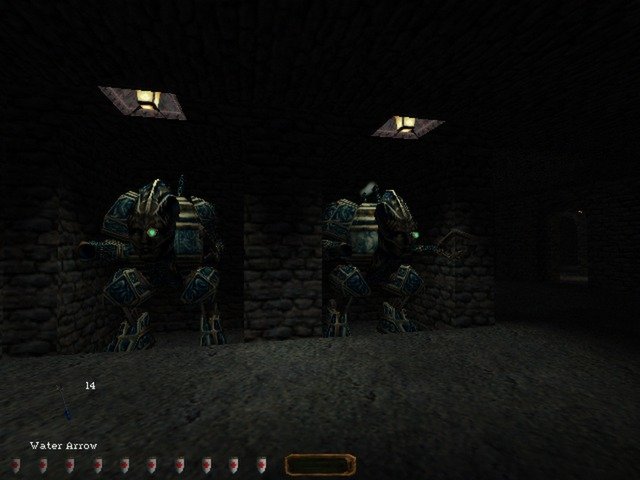
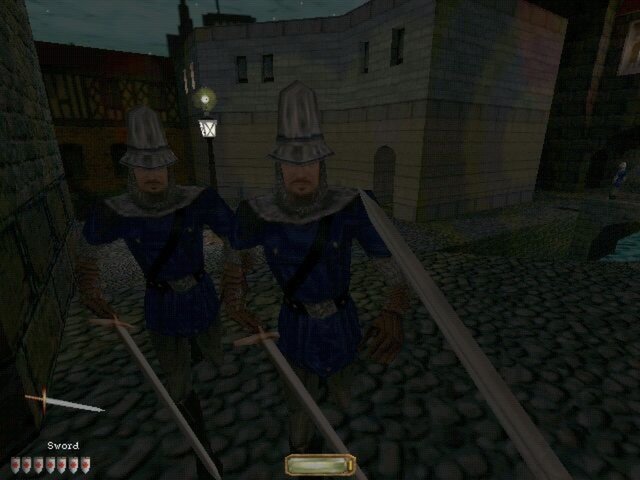
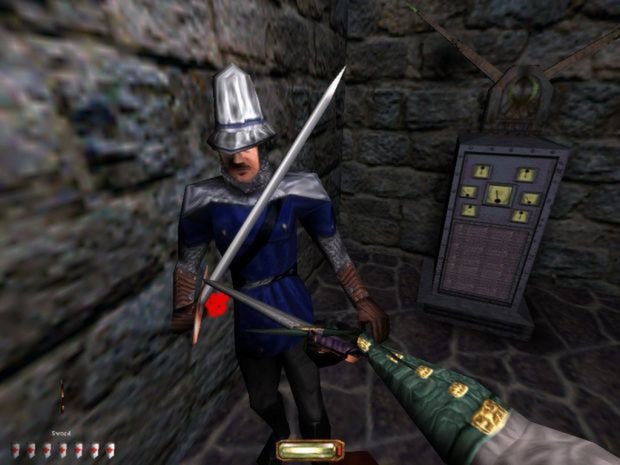
The levels themselves are some of the best designed spaces in gaming. They feel lived-in. Guards have routines. They stop to chat, they complain about the weather, they investigate open doors and missing loot. You can use the new scouting orbs—little throwable cameras—to peek around corners without exposing yourself. The AI isn’t perfect by modern standards, but it creates a constant low-level tension that modern stealth games sometimes lose in their quest for cinematic spectacle. You plan. You observe. You wait for the right moment. Then you move.
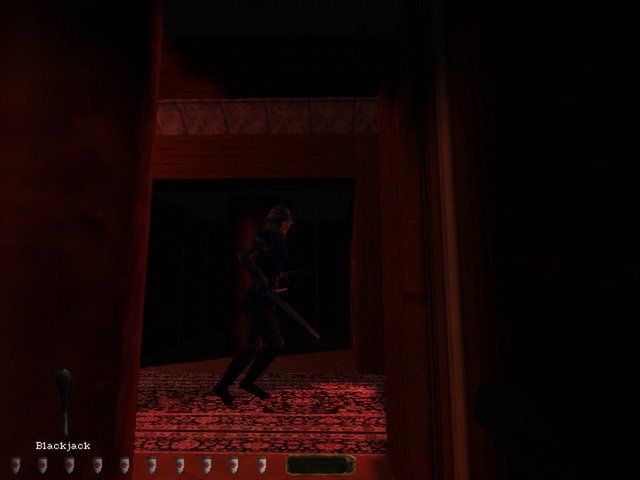
Looking Glass built the game on an improved version of the Dark Engine. Character models got more polygons, especially in the faces. Weather effects like rain and fog added atmosphere. The engine already understood things like open doors and moved objects, and the team made better use of those systems. Development wasn’t easy. Looking Glass was in serious financial trouble throughout production. Eidos kept them afloat with advances, but the company closed its doors just two months after the game shipped. That still feels like one of the great tragedies of PC gaming history. The studio that gave us Ultima Underworld, System Shock, and the Thief series was gone, and a planned third game never happened under their watch. Thief: Deadly Shadows would eventually arrive in 2004 from Ion Storm, but it was a different beast.
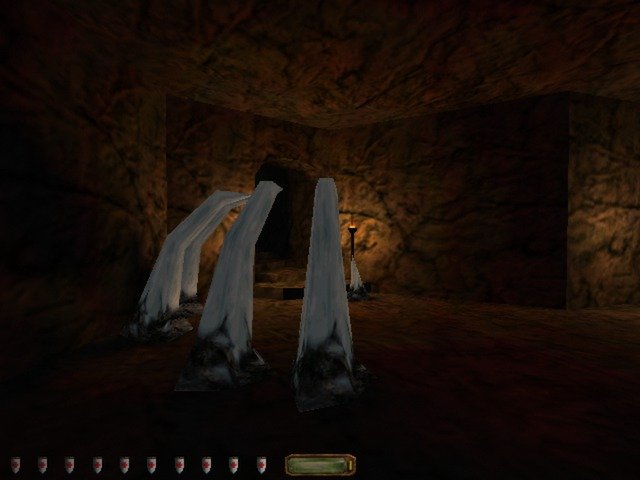
Critically, Thief II was a hit. Reviewers praised the tighter focus, the excellent level design, and the pure stealth fantasy. Sales were stronger than the first game. Fans still argue about which of the original trilogy is best, but a huge number of people will tell you that The Metal Age is the high point. It has the best balance of atmosphere, freedom, and pure thieving. The community has kept it alive for decades with fan missions, the excellent T2Fix patch that makes it run smoothly on modern systems, and the massive unofficial expansion Thief 2X: Shadows of the Metal Age.
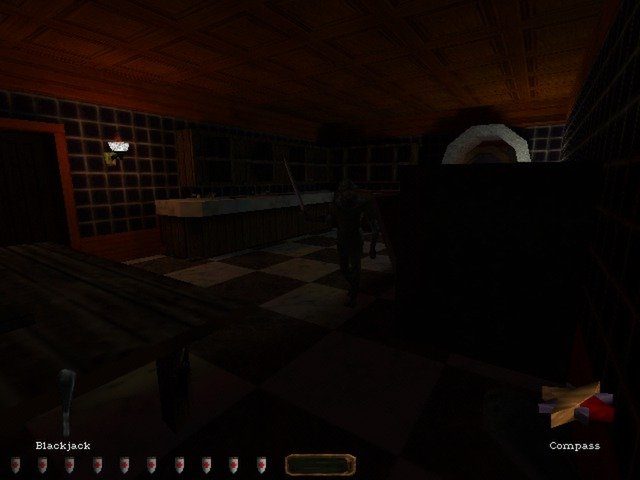
Playing it today is still a joy. The graphics are dated, of course, but the art direction holds up. The sound design is incredible—footsteps, distant conversations, the creak of wood, the hiss of steam. The City feels real. You can almost smell the rain on the cobblestones and the oil from the Mechanist machines. Modern stealth games have better lighting, better animation, and more complex AI, but few of them capture the same feeling of being a professional criminal moving through a living world. Thief II trusts the player. It doesn’t hold your hand. It gives you tools and a space and lets you figure it out.
There is something deeply satisfying about the fantasy the game sells. You are not a super soldier. You are not a chosen one with magic powers. You are a guy who is very good at not being seen. In a gaming landscape full of power fantasies, that still feels special. Garrett doesn’t want to save the world. He wants to get paid and stay alive. The fact that he keeps getting dragged into larger events against his will is part of what makes him such a great character.
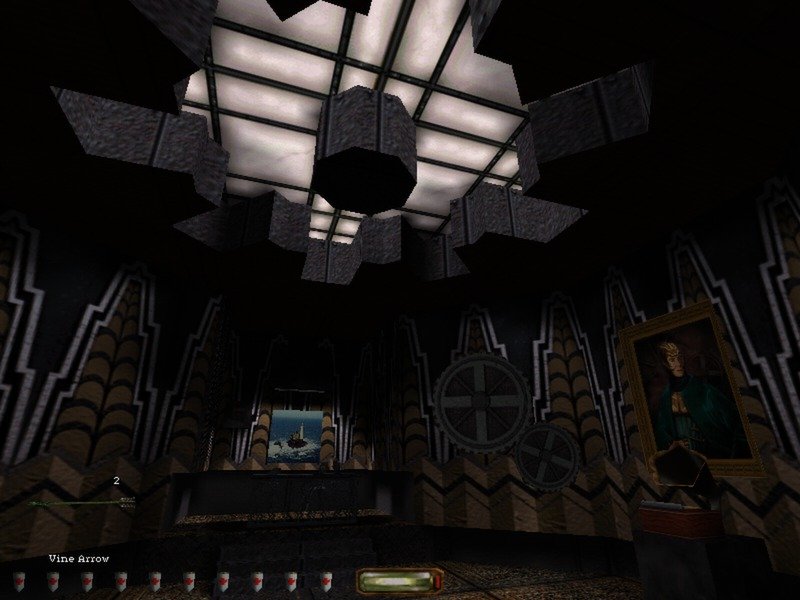
If you’ve never played it, the game is available on Steam and GOG with community fixes that make it easy to run. Start on Normal or Hard, take your time, and treat every mission like a puzzle rather than a series of objectives to check off. Read the briefing notes. Study the maps. Listen. The first time you ghost a difficult mansion without raising a single alarm, you’ll understand why people still talk about this game with such affection.
Thief II: The Metal Age is more than a sequel. It is the moment when Looking Glass Studios took their experimental stealth ideas and refined them into something close to perfect. The shadows are still waiting. The guards are still patrolling. And somewhere in the rain, a master thief is already moving.