
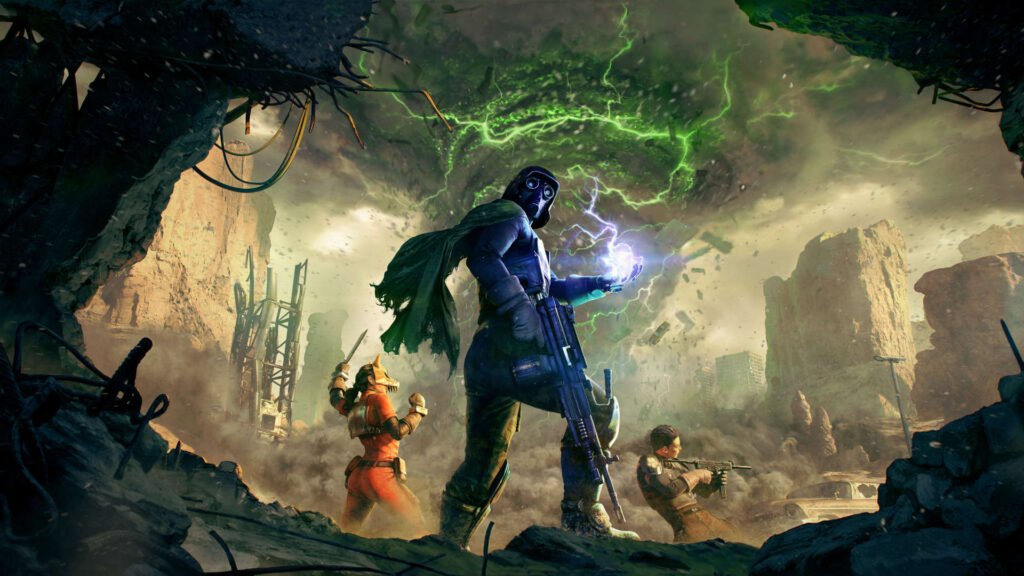

If you ever find yourself daydreaming about the good old days of isometric gaming—back when choices actually mattered, text boxes were packed with flavor, and a bad build meant you got absolutely wrecked in the first town—then you need to look at Encased. Developed by the indie team at Dark Crystal Games, this title is a massive, unashamed love letter to classic CRPG masterpieces like the original Fallout series, Wasteland, and even the eerie, anomalous vibes of S.T.A.L.K.E.R. It takes everything that made those late-90s adventures great, wraps it up in a beautiful alternate-history 1970s aesthetic, and drops you into a giant, mysterious sandbox where getting in is easy, but leaving is impossible. The game wears its inspirations proudly on its sleeve, yet it manages to carve out a distinct identity that feels entirely its own.
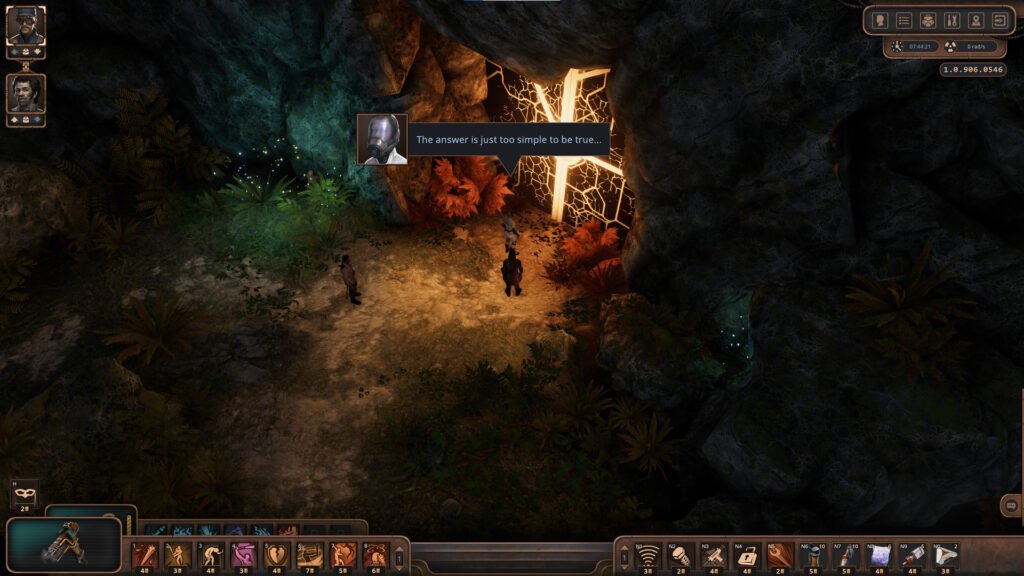
The premise of the game hits you right out of the gate with an intoxicating blend of corporate bureaucracy and cosmic horror. Sometime during a fictionalized Cold War era, humanity discovers a massive, indestructible anomaly in the desert known simply as The Dome. It is a treasure trove filled with bizarre alien relics, hyper-advanced technology, and ancient underground labyrinths left behind by a mysterious civilization known as the Forefathers. The catch? While physical resources can be sent outside, no living being who steps inside the Dome can ever leave. Naturally, humanity does what it does best: a giant megacorporation named the CRONUS Foundation moves in to monetize, study, and exploit the living daylights out of it. You play as a fresh recruit stepping off the bus, ready to make a name for yourself in a corporate-run wasteland.
Before you even take your first step into the sand, you have to tackle the incredibly deep character creator, and this is where the game reveals its true role-playing teeth. Instead of choosing a traditional fantasy class, you pick one of five corporate divisions known as Wings. Your choice of Wing changes how the entire world reacts to you, unlocking unique dialogue paths, changing faction relationships, and dictating your starting stats. The developers went to incredible lengths to ensure that your choice of Wing ripples through almost every interaction you have.
If you choose the Black Wing, you are part of the military and security force, meaning you are ready for heavy combat but maybe lack a fine touch. The White Wing is comprised of scientists and doctors who can scan anomalies, research ancient artifacts, and heal wounds, while the Blue Wing handles engineering, mechanics, and heavy machinery. If you fancy yourself a corporate smooth-talker who can lead companions and manipulate administrative red tape, you will want the Silver Wing. Finally, there is the Orange Wing, which consists entirely of convicts and low-level laborers given a second chance at life by doing all the dangerous grunt work. The reactivity here is spectacular. Playing as an Orange Wing criminal gives you a drastically different experience than walking around with the unearned authority of a Silver Wing suit, as guards will treat you with suspicion and merchants might try to rip you off.
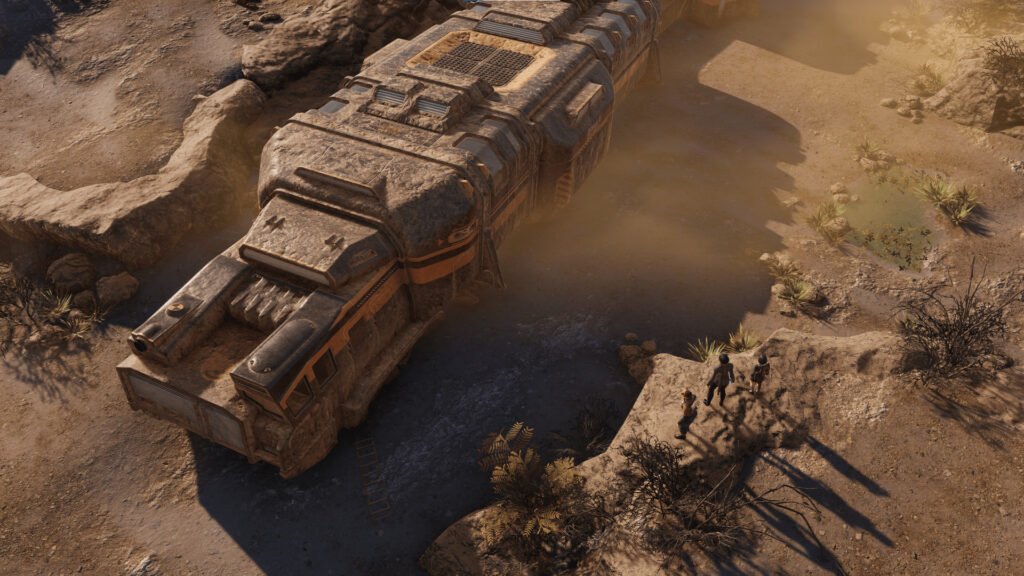
Once you finish the stellar prologue, the comfortable corporate structure shatters completely. An unstable, telepathic entity called the Maelstrom awakens in the depths of the complex, cutting off communication with the outside world and plunging the inhabitants into chaos. The Dome transforms overnight from a sterile corporate project into a true post-apocalyptic wasteland where desperate remnants split into warring factions, and it is up to you to navigate the madness. This transition is brilliant because it allows you to see the world before and after the collapse, giving you a tangible sense of what was lost.
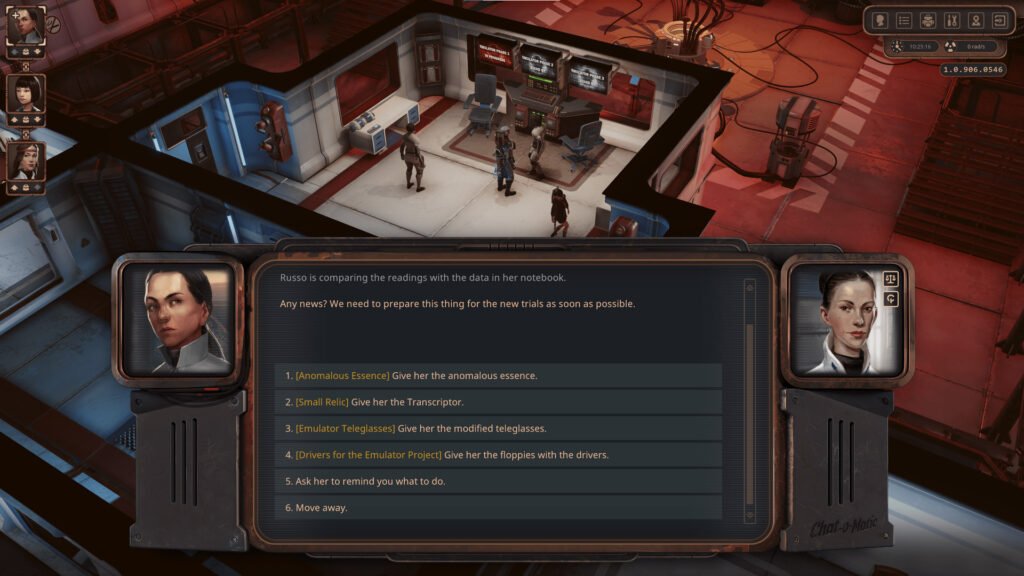
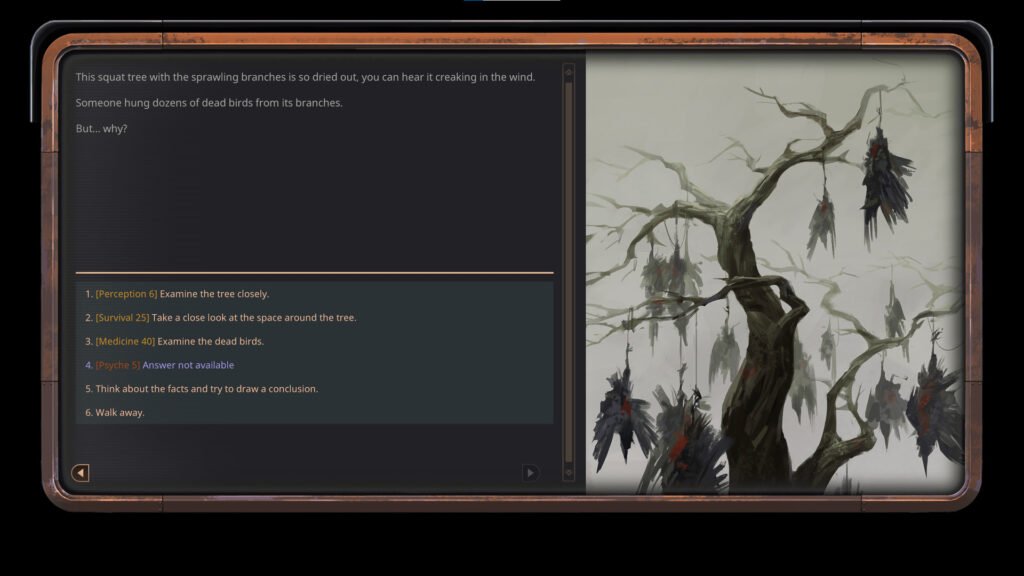
The core loop of the game revolves heavily around exploration and absolute freedom. The developers do not hold your hand. There are no giant flashing question marks over people’s heads, so you actually have to talk to characters, listen to clues, and read environmental logs to figure out your next move. The environment is highly interactive, rewarding players who like to poke around in every dark corner. If you invest heavily in your Criminal skill, you can pickpocket almost anyone without annoying random number generation getting in your way, provided your skill level matches the target. You can literally talk your way through major conflicts, use science to bypass security systems, or simply decide to wipe out an entire town if that is how your character rolls. There is even a legendary low-IQ mode where making your character exceptionally dim-witted changes the entire script into hilarious, simplified dialogue options that NPCs react to with absolute bewilderment.
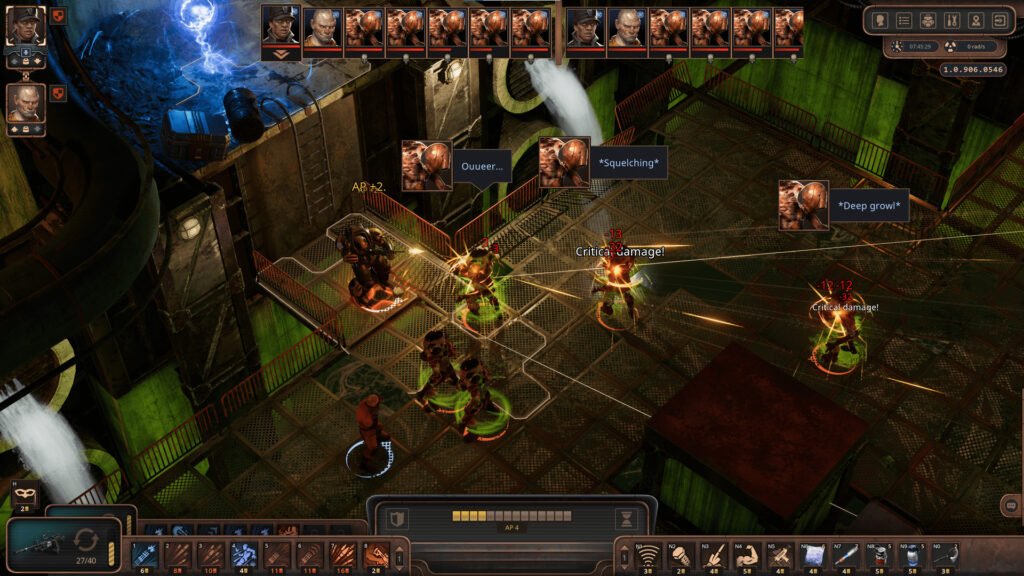
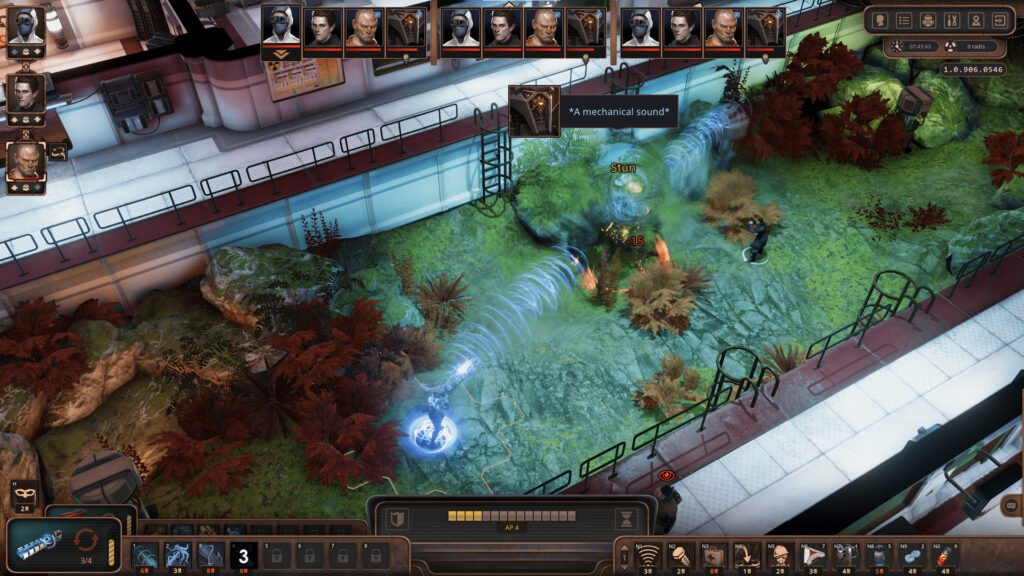
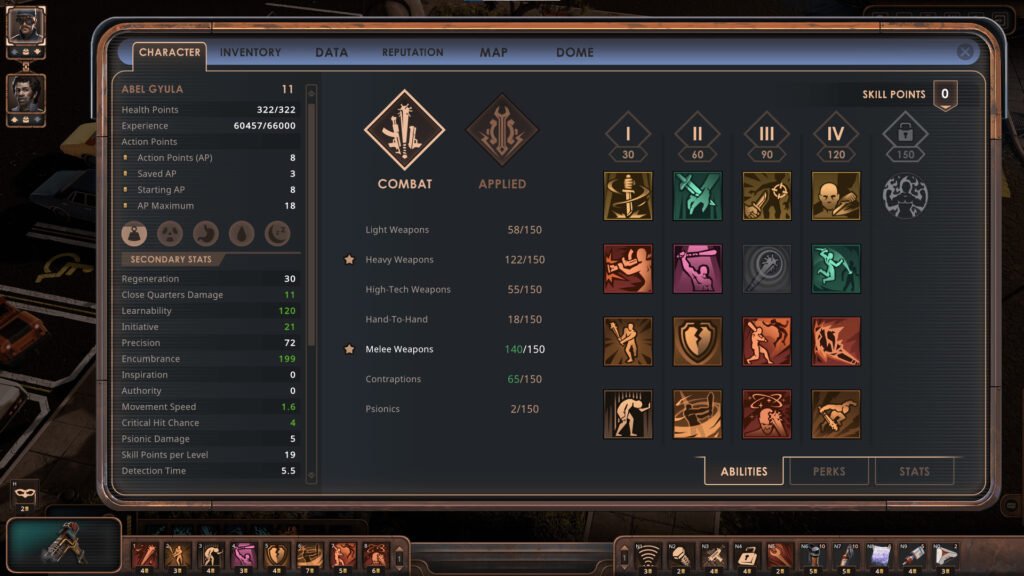
When words fail, the action shifts into a classic turn-based combat system. Battles utilize traditional Action Points for moving, attacking, and activating abilities. While the combat lacks a dedicated modern cover system, it offers a great variety of weapons, ranging from standard pistols and high-tech energy rifles to heavy servosuits that turn your character into a walking tank. Positioning, managing your line of sight, and utilizing the specific status effects of your weapons are all crucial to surviving the harsher encounters. You also have to keep an eye on your survival mechanics, managing hunger, thirst, and fatigue while dealing with nasty status effects like radiation sickness or chemical addiction that can permanently cripple your stats if left untreated.
The world-building is further elevated by the incredible environmental design and atmospheric soundtrack. Every bunker, desert highway, and dilapidated research facility feels lived-in and weathered. The remnants of the CRONUS Foundation’s optimistic 1970s corporate futurism clashing with the brutal reality of survival creates a unique aesthetic that keeps you hooked.
While the game is incredibly ambitious, it does suffer from a bit of pacing friction after its masterful first act, as the world can feel a little empty later on when the narrative branches out. However, the sheer atmosphere, stellar hand-drawn art style, and deep role-playing mechanics more than make up for the occasional late-game slump. It is a dense, nostalgic, and incredibly rewarding journey for anyone looking to lose themselves in a world shaped entirely by their own choices. Dark Crystal Games managed to capture the lightning in a bottle that made the golden age of RPGs so special, making it a must-play for genre purists.