
Release Date: November 10, 2016 Developer: Obsidian Entertainment
Get It On: GOG
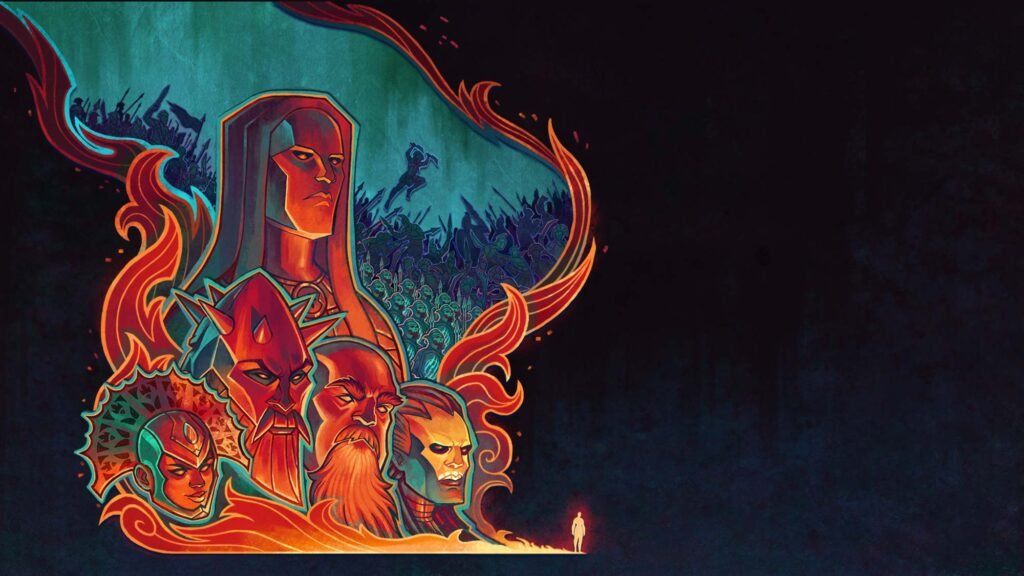
If you’re tired of the same old “chosen hero saves the world from darkness” trope in RPGs, Tyranny by Obsidian Entertainment flips the script in the most fascinating way possible. Released back in 2016 and published by Paradox Interactive, this isometric party-based RPG drops you right into a world where the bad guys have already triumphed, and you’re working for them. It’s a bold, choice-driven adventure that feels like a spiritual successor to classics like Planescape: Torment and Knights of the Old Republic II, but with its own dark, philosophical twist. Tyranny might not have gotten the massive spotlight of some other Obsidian titles, but it’s absolutely worth revisiting (or discovering) for anyone who loves deep storytelling, meaningful consequences, and tactical combat.
Set in the world of Terratus, Tyranny takes place after the conquering Overlord Kyros has spent centuries subjugating pretty much everything. The last holdout region, known as the Tiers, has finally fallen, but peace is nowhere in sight. Factions are still fighting, rebellions are brewing, and rival armies under Kyros’ banner are at each other’s throats. You play as a Fatebinder, a high-ranking enforcer who acts as judge, jury, and executioner in the Overlord’s name. Your job? Restore order, enforce Kyros’ brutal laws, and deal with the messy aftermath of conquest. It’s a refreshing change from the usual underdog story, forcing you to navigate a gray moral landscape where “good” and “evil” blur in complicated ways.
One of the coolest things about Tyranny is how it starts. Right after character creation, you dive into a Conquest mode that’s basically a strategic board game recap of how the Tiers were won. Your choices here shape the state of the world when the main story kicks off—who’s alive, who’s angry at whom, which factions owe you favors or hold grudges. It immediately makes your Fatebinder feel like a real part of this history rather than some outsider showing up late to the party. From there, the narrative branches wildly based on your decisions, reputation, and alliances. Want to be a loyal servant of Kyros crushing dissent? Go for it. Prefer to play both sides and maybe spark a rebellion from within? That’s an option too. The game constantly reminds you that power corrupts, and even small choices can have massive ripple effects across the Tiers.
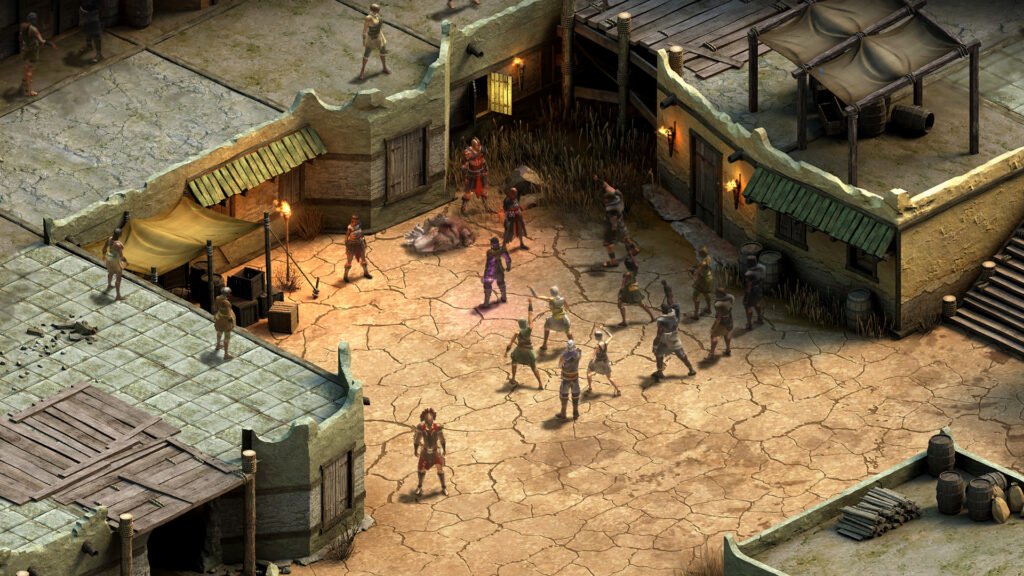
Obsidian’s writing shines brightly here. The world feels lived-in and believable, with ancient ruins called Oldwalls, magical Spires that grant immense power, and a cast of memorable companions who react to your alignment and past actions. You’ll run into hardened veterans from the Disfavored legion, chaotic warriors of the Scarlet Chorus, rebel leaders, scheming mages, and more. Dialogue is packed with options that reflect your reputation—people treat you differently if you’re known as a merciful judge versus a ruthless tyrant. Voice acting is solid, and the lore drops through books, conversations, and environmental storytelling make exploration rewarding. It’s the kind of game where replaying with a different approach feels genuinely fresh, not just a new coat of paint.
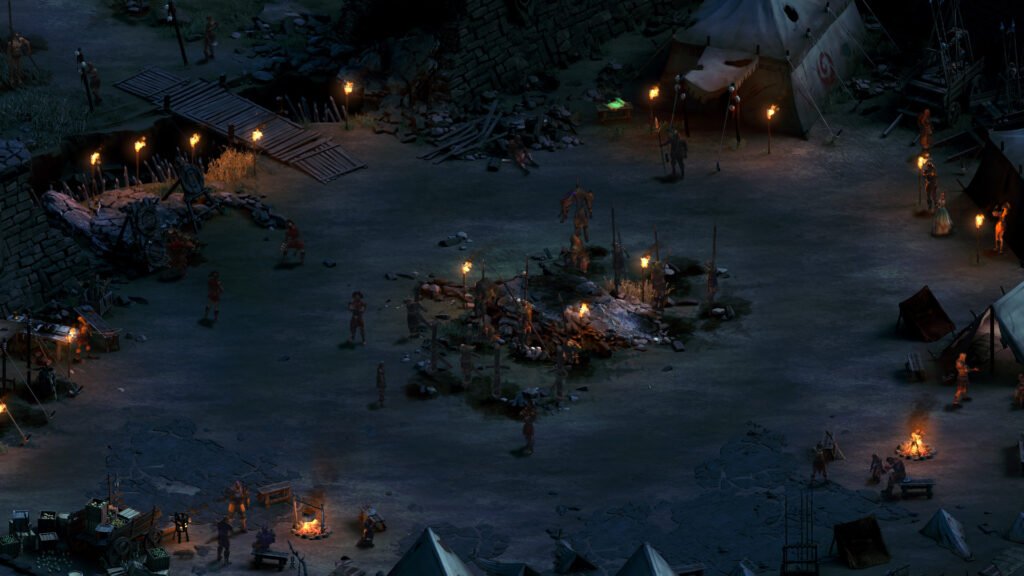
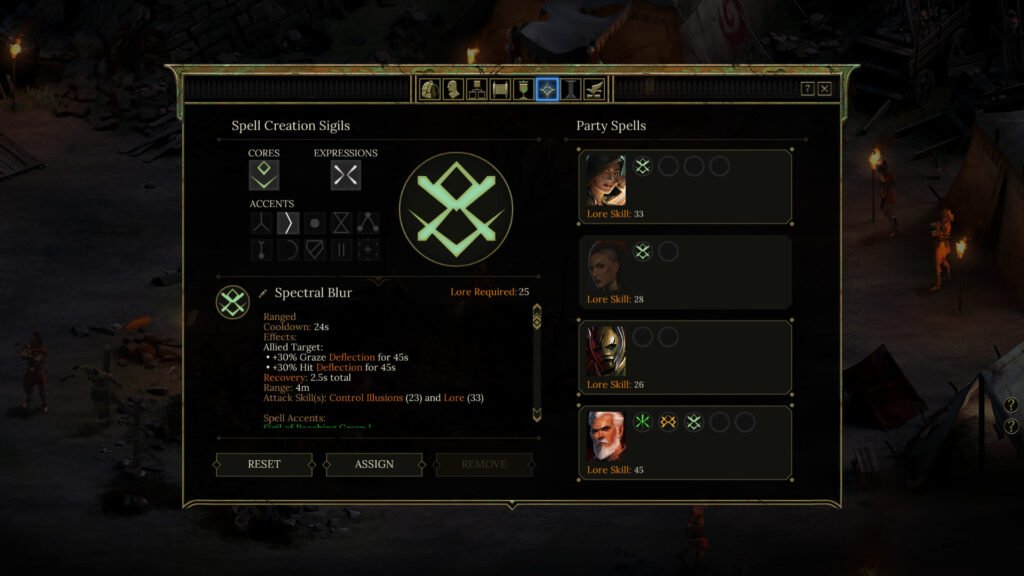
Gameplay-wise, Tyranny uses a real-time-with-pause combat system similar to Pillars of Eternity, which Obsidian refined beautifully. You control a party of up to four (including your Fatebinder), positioning them tactically while pausing to issue commands, activate abilities, and manage resources. Magic stands out thanks to the spell creation system—you combine sigils to craft custom spells with unique effects, from fiery explosions to crowd control debuffs. It adds a layer of creativity that keeps combat engaging across multiple playthroughs. Character progression is deep too, with skills, feats, and backgrounds that tie into the story. Difficulty scales well, and higher settings make every encounter feel tense and strategic.
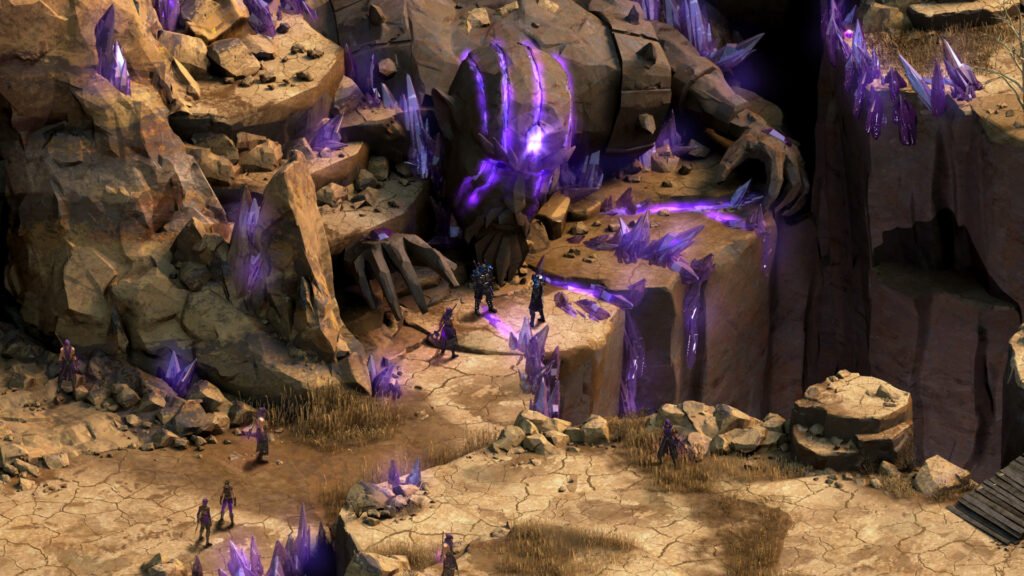
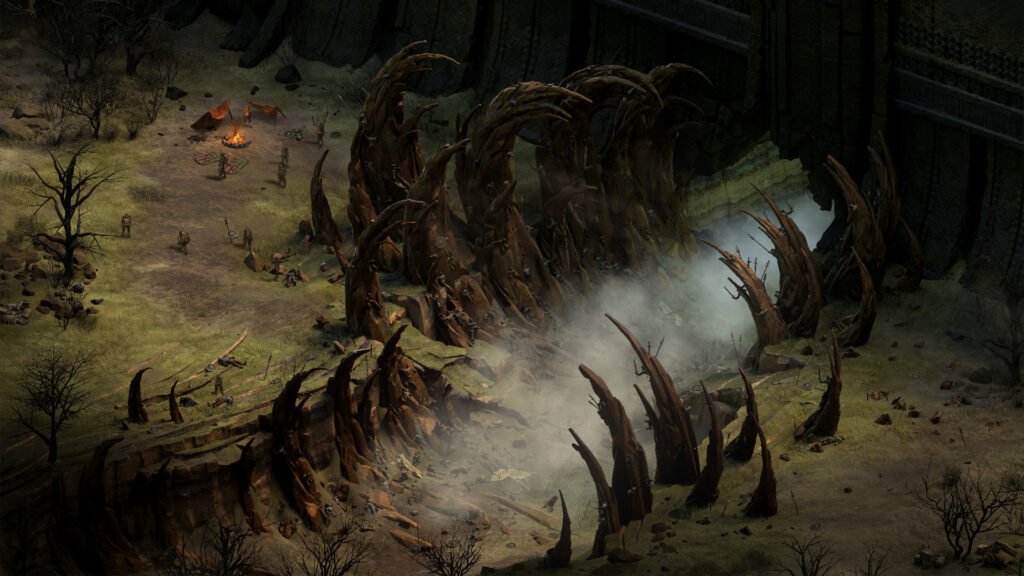
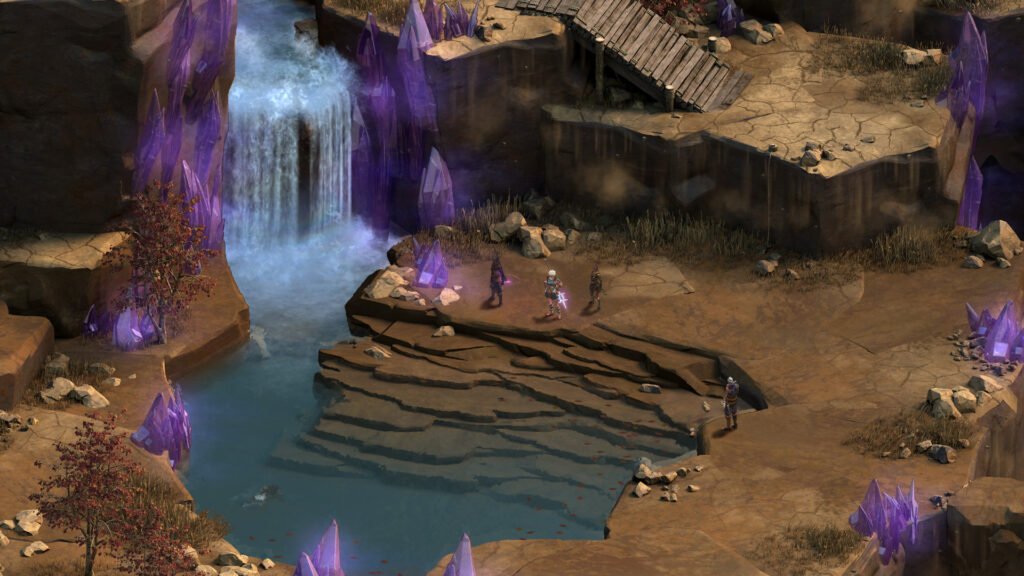
The presentation holds up nicely even today. The isometric views of ruined landscapes, bustling camps, and ancient Spires are atmospheric, with a gritty dark fantasy aesthetic that fits the tone perfectly. Sound design and music enhance the immersion, from clashing swords in brutal fights to tense diplomatic negotiations. Load times can feel a bit long in some areas, and the inventory/crafting systems are a tad clunky, but these are minor gripes in an otherwise polished package. The game isn’t massively long compared to some RPG epics—a focused playthrough might take 20-30 hours, while completionists chasing every outcome can easily double that—which actually works in its favor by keeping the pacing tight.
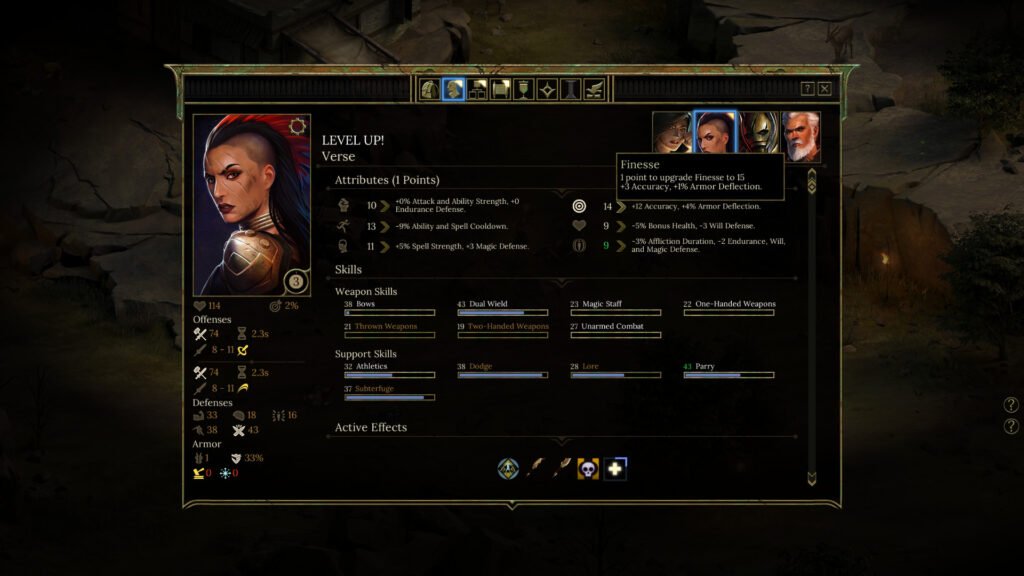
What really elevates Tyranny is its willingness to explore uncomfortable themes. Playing as an agent of a tyrannical empire forces you to confront questions about order versus freedom, the cost of peace, and what justice even means in a conquered world. You might find yourself justifying increasingly ruthless decisions “for the greater good,” only to realize how far you’ve fallen. Or you might try to carve out mercy where you can, risking the wrath of Kyros and her Archons. Companions like the scholarly Barik, the rebellious Verse, or the enigmatic Lantry challenge your worldview and have their own arcs shaped by your leadership. It’s RPG role-playing at its most thoughtful, making you reflect on your choices long after the credits roll.
Obsidian Entertainment took risks with Tyranny, moving away from traditional hero fantasies to something more morally complex and experimental. It didn’t sell like a blockbuster, but it earned a dedicated fanbase and critical praise for its writing, reactivity, and fresh perspective. Expansions like Bastard’s Wound added even more depth, exploring the consequences of your actions in greater detail. If you enjoy games that prioritize story and player agency over endless grinding or cinematic set pieces, this one delivers in spades.
Looking back years later, Tyranny feels like a hidden gem in Obsidian’s catalog. It proves that RPGs don’t need to follow the same formulas to be compelling. The world of Terratus lingers in your mind with its moral gray areas, ancient mysteries, and the weight of empire. Whether you’re a longtime fan of isometric classics or someone looking for something different from modern open-world fare, Tyranny offers a compact yet incredibly rich experience. Fire it up, swear your oath to Kyros (or don’t), and see just how deep the rabbit hole of power goes. You might just walk away questioning what kind of ruler you’d really be in a world where evil has already won.