

If you have ever stared at the night sky and wished you could climb into a spaceship, fly anywhere you want, build massive orbital factories, and command entire military fleets, you need to look at X4: Foundations. Developed by the simulation veterans at Egosoft, this game is the ultimate playground for space flight enthusiasts who find other titles far too linear. It does not just hand you a pre-determined storyline and tell you to shoot lasers at passing pirates. Instead, it drops you directly into a massive, living universe simulation where every single NPC pilot, cargo freighter, and alien faction is actively making choices that ripple across the entire galactic landscape.
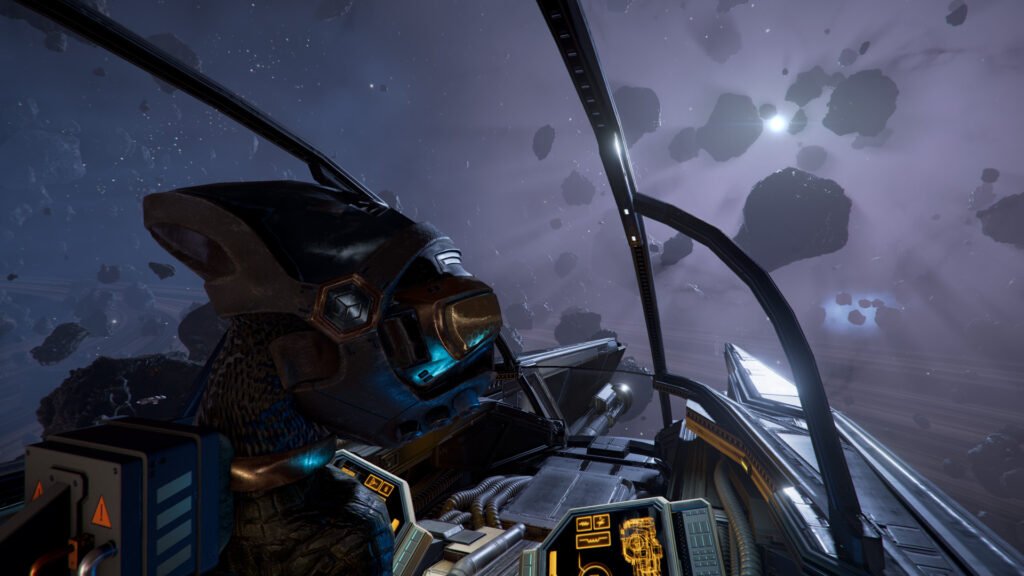
When you first log into the universe, the sheer scale of everything can feel completely overwhelming, but that is exactly where the beauty of the sandbox lies. You usually start out as a humble pilot doing basic courier runs, taking on light bounty hunting contracts, or mining small chunks of asteroids to scrape together enough credits for your very first engine upgrade. The transition from a small-scale pilot to a high-level cosmic manager is entirely seamless. You can physically step out of the pilot seat of your small scout ship, watch your hired AI pilot take over the controls, and walk around the landing pad of a massive space station that you designed and funded yourself. The camera view never cuts away to an annoying loading screen during these moments, which anchors you beautifully into the physical space of the galaxy.
What sets this franchise apart from its competitors is its completely unscripted, simulated economy. Every ship you see flying past you was built using actual resources harvested from asteroid fields and processed through various industrial loops. If a particular faction gets into a massive war and loses a dozen heavy destroyers, their local shipyards will suddenly face an immense shortage of hull parts and advanced electronics. As an enterprising player, you can exploit these supply chain bottlenecks by building your own specialized production factories right next door, effectively becoming the main arms dealer for an entire alien civilization. You are not just playing a space flight simulator; you are interacting with a complex, living corporate spreadsheet that breathes fire and reacts to market changes in real time.
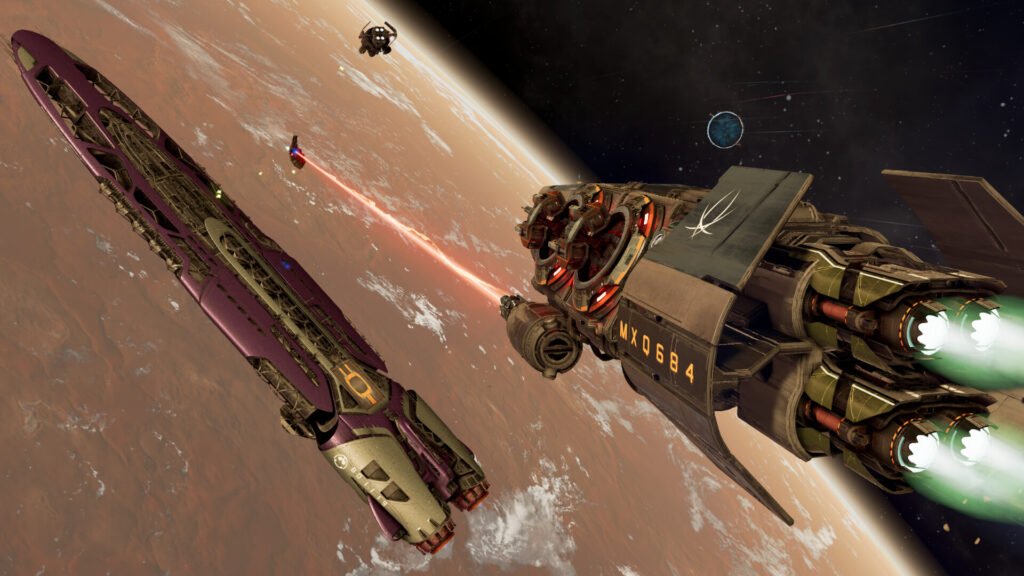
The sheer variety of ship customization allows you to play exactly the way you want. You can hoard a massive fleet of heavy fighters to run security details, invest heavily in massive capital ships that serve as mobile command centers, or manage a passive network of automated mining vessels. The freedom to map your own empire is absolute. If you want to spend fifty hours ignoring the main plot lines just to establish a complete monopoly on space-weed production in a lawless pirate sector, the game will happily let you do it. It is a slow-burn experience that rewards patience, careful planning, and a genuine love for systemic depth.
Expanding Your Horizons: The Major DLC Additions
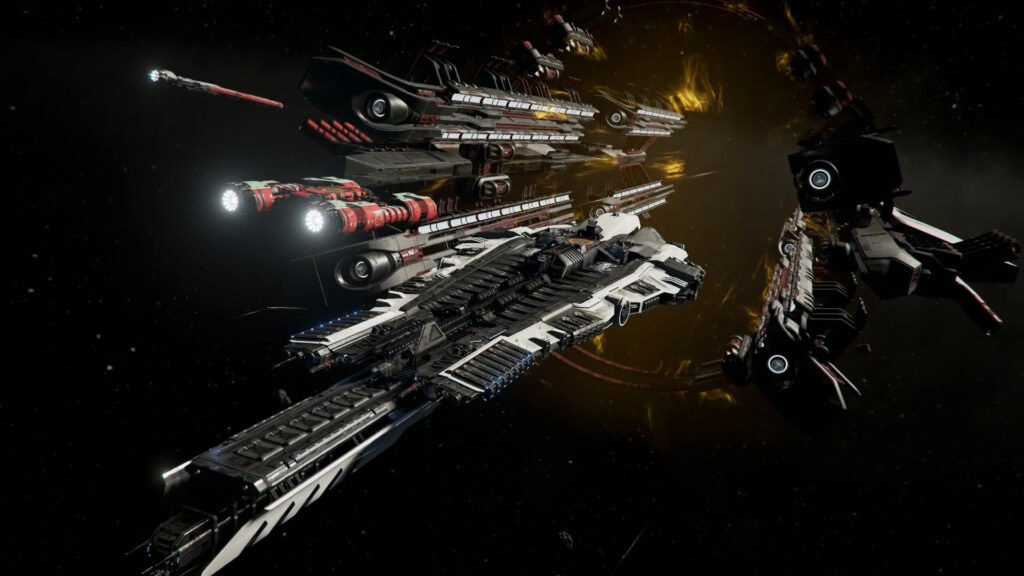
To truly appreciate how massive this universe can get, you have to look at the incredible lineup of expansions that Egosoft has released over the years. Each major piece of downloadable content fundamentally alters the galactic map by introducing iconic alien races, complex economies, and fresh narrative storylines. It all kicked off with Split Vendetta, which reintroduced the aggressively warlike Split factions alongside their sleek, glass-cannon ship designs and a brutal civil war storyline. Shortly after, Cradle of Humanity brought the franchise back to Sol, introducing the highly isolationist Terran Protectorate, a heavily streamlined economy that is perfect for beginners, and stunning views of Earth. For players who love a gritty, lawless lifestyle, Tides of Avarice opened up a lawless pocket of space dominated by ruthless scavengers and pirates, introducing advanced ship recycling mechanics and a massive star that regularly blasts the system with deadly radiation. The collection of core galactic species was finally completed with Kingdom End, a breathtakingly beautiful expansion that brought back the peaceful, aquatic Boron faction along with their organic, majestic ship aesthetics and peaceful exploration themes. For veterans looking for a change of pace, Timelines shook up the traditional sandbox structure by introducing a series of curated, historical scenarios that let you experience pivotal moments in X universe lore while unlocking rare ships for your main game. More focused releases like the Hyperion Pack and the Envoy Pack further expand your hangar options by reintroducing fan-favorite expeditionary vessels and specialized tactical craft.
Mastering the Shift from Pilot to Commander
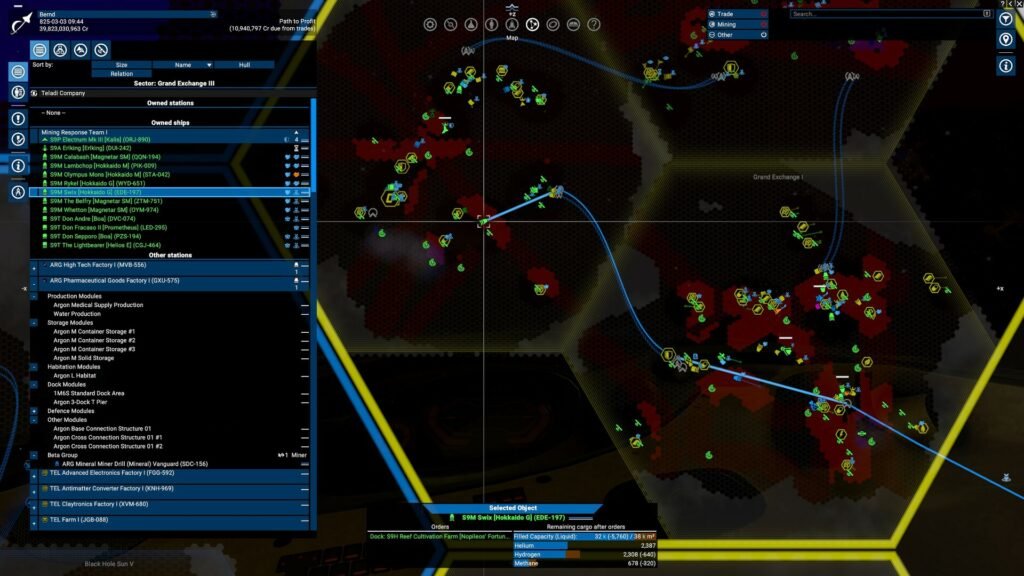
The true genius of the gameplay becomes apparent once you start moving away from solo piloting and step into the role of a fleet admiral. In most space games, you are permanently trapped inside your own cockpit, but here, the universe expands into a full-blown real-time strategy game with the press of a button. By opening up your tactical map, you can select dozens of ships across multiple solar systems and order them to defend a gate sector, attack an enemy base, or trade goods across the galaxy. Watching your carefully coordinated military fleets warp into a sector to defend your investments is one of the most satisfying feelings the genre has to offer.
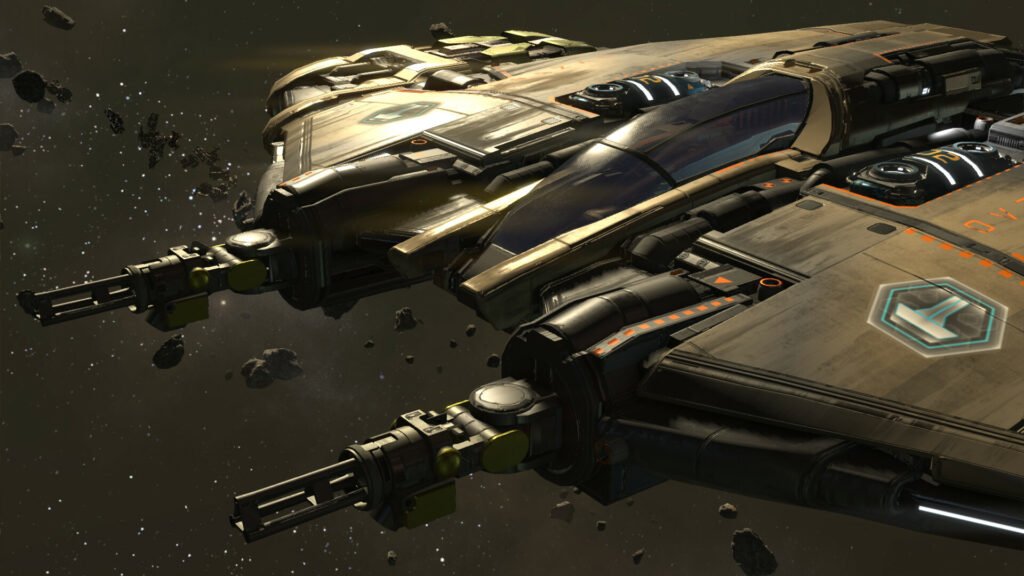
Managing your growing empire requires a keen eye for logistics and supply chain management. You cannot just spawn stations out of thin air; you have to hire construction vessels, purchase the raw materials, and wait for the physical structure to be built module by module. You can start with a simple solar power plant and slowly expand it over dozens of hours until it becomes a self-sufficient mega-complex that produces everything from shield components to advanced weapon systems. Managing the workforce, setting up trade rules to prevent rival factions from buying up your cheap supplies, and adjusting your price margins turns the game into a fascinating economic simulation that runs concurrently with the space combat.
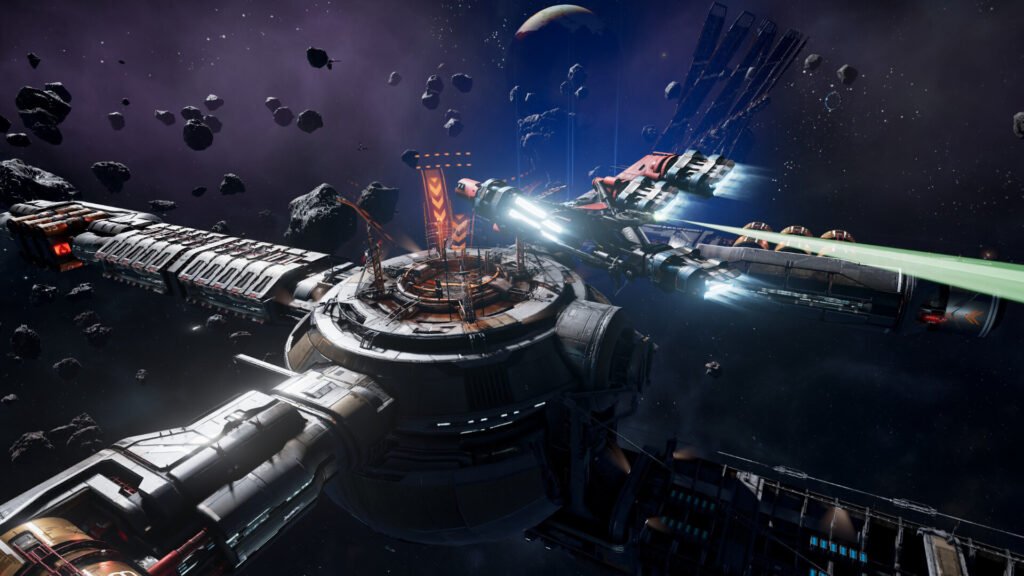
Of course, the galaxy is far from peaceful, and you will eventually have to defend what is yours from the relentless Xenon threat. The Xenon are an aggressive, terraforming machine intelligence that acts as the ultimate antagonist of the sandbox, constantly sending massive raiding parties through the jump gates to wipe out civilized sectors. If you do not actively support the local NPC factions by supplying their shipyards or deploying your own defensive fleets to lock down critical choke points, the Xenon can and will systematically destroy entire star systems. This dynamic threat level adds an incredible sense of urgency to your empire-building goals, ensuring that you never feel truly safe behind your factory walls.
The modular nature of the ships means that combat is highly tactical and deeply engaging. When you are fighting against a massive enemy capital ship, you can actually target and destroy its individual subcomponents. You can strip away its defensive turrets one by one, blow up its shield generators to expose the hull, or destroy its engines to leave it completely stranded in deep space. This attention to detail makes every major space battle feel like a intense, high-stakes puzzle where pilot skill and strategic targeting matter just as much as having the biggest guns.
Ultimately, the game thrives because it respects your intelligence and grants you total autonomy. There are no invisible walls, no artificial restrictions on your growth, and no hand-holding tutorials that force you down a specific path. Whether you choose to be a peaceful corporate tycoon, a ruthless pirate king, a mercenary for hire, or a galactic liberator, the universe bends to your actions. It is a monumental achievement in sandbox design that offers hundreds of hours of deep, emergent gameplay for anyone willing to brave its steep learning curve.
Forging a True Dominion: The New Empire Update
The game took another massive leap forward with the release of the highly anticipated Empire Update. Also known as patch 9.00, this free expansion introduces systemic overhauls that fundamentally reshape how you manage your corporate and military domains. The absolute headline feature of this update is the largest combat rebalancing pass in the history of the franchise. Egosoft went under the hood to tweak over two hundred distinct weapons, ninety shields, and dozens of ships. This ensures that large capital vessels no longer fall prey easily to tiny swarms of light fighters, giving heavy armor and reinforced shielding the tactical weight they always deserved. Turrets track targets with much higher precision, and capital ships utilize their devastating main batteries far more effectively during massive fleet engagements.
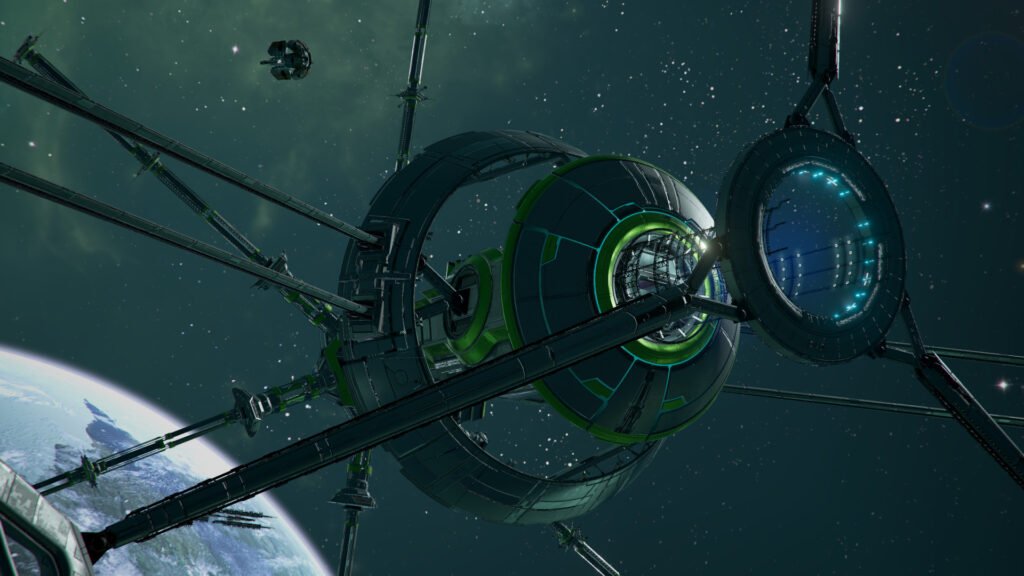
To help you manage these newly balanced space battles, the developers introduced Priority Orders. This is an absolute game-changer for the real-time strategy elements of the game. Previously, trying to get a ship to react immediately to a sudden threat meant digging through tedious behavior menus to clear out their current task queues. Now, a simple keyboard modifier allows you to issue an urgent directive that immediately overrides everything else a pilot is doing. If a valuable trade ship gets ambushed while hauling goods, you can instantly order nearby defensive escorts to rush to the rescue without permanently disrupting their long-term patrol routes. The flow of fast-paced, high-stakes combat finally feels as responsive as a dedicated strategy game.
On the economic side of things, the galaxy feels more dynamic thanks to the introduction of Kha’ak recycling. Players can now hunt down the pesky, aggressive Kha’ak raiders and salvage their broken wrecks to harvest a highly versatile new material called Allographyne. This rare substance requires Nividium to produce and possesses the unique ability to transmute and replace any other missing ware in a factory production loop. It acts as a perfect wildcard resource to smooth out sudden supply chain shortages across the gate network, opening up lucrative new business ventures for salvagers and deep-space traders alike. Furthermore, the way resources naturally deplete and reappear inside sectors has been completely localized, meaning your mining fleets will actually have to scout out fresh hotspots rather than lazily stripping the exact same coordinates forever.
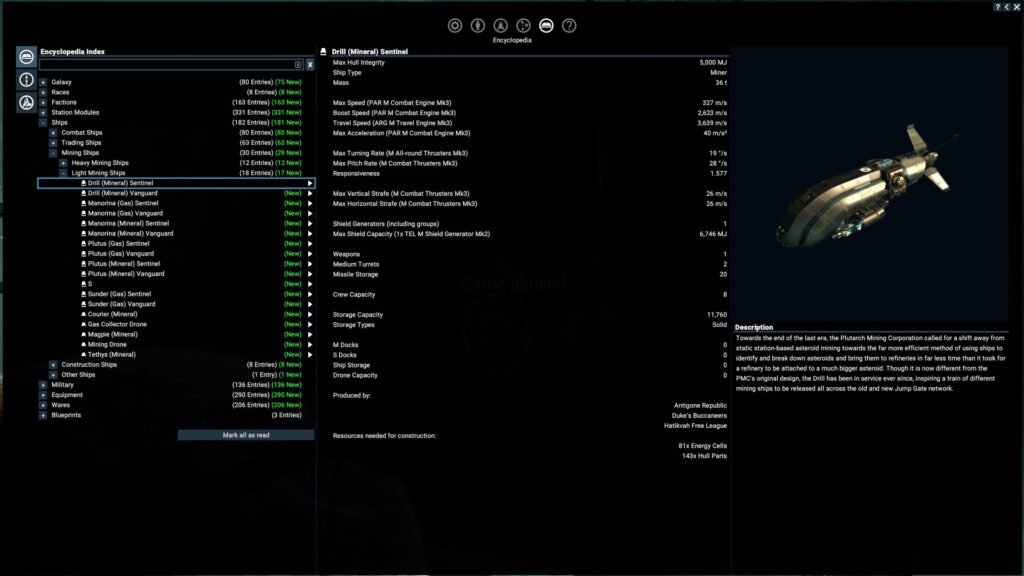
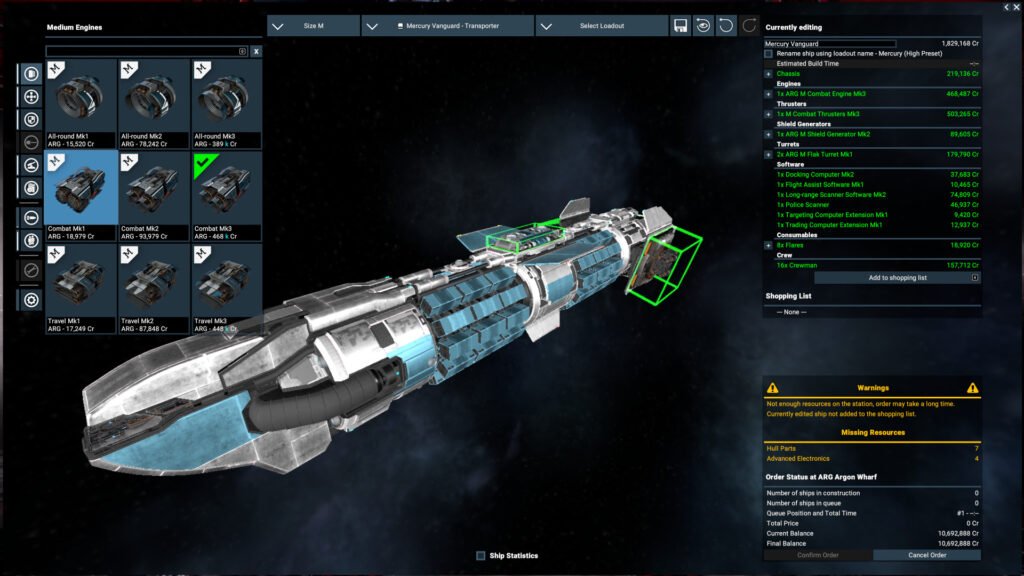
Finally, for the players who treat their ship collections like fine art, the expansion introduces the gorgeous Ship Showroom module. You can now construct dedicated, high-end display docks as part of your orbital stations to show off your favorite scout ships, customized fighters, and rare vessels on stylish landing pads. This visual upgrade ties perfectly into a massive facelift for small and medium ships, which now feature fully integrated visible engine and shield models. The modularity has been opened up so completely that distinct factions can now share and mount each other’s specialized equipment. It is a phenomenal update that rewards your hard-earned imperial status with both the granular tactical control you need to defend your borders and the luxury spaces required to admire your grand successes.