
Release Date: October 30, 1999 Developer: Origin Systems
Get It On: GOG
Let’s take a trip back to 1999, a year when the world was terrified of the Y2K bug and the RPG landscape was about to be changed forever. At the center of the storm was Ultima IX: Ascension, the supposed grand finale to one of the most prestigious series in gaming history. For over two decades, Richard Garriott, also known as Lord British, had built a world defined by virtue, complex simulation, and a sense of wonder that few others could match. Fans were expecting the ultimate swan song, a legendary conclusion that would tie up every loose thread and leave the Avatar’s legacy etched in gold. What we actually got was a beautiful, ambitious, and utterly heartbreaking mess that ended up being the final nail in the coffin for the main series. Even decades later, talking about this game feels like picking at a scab; it represents both the soaring heights of 3D innovation and the crushing depths of a rushed development cycle.
A Visual Marvel That Melted Motherboards
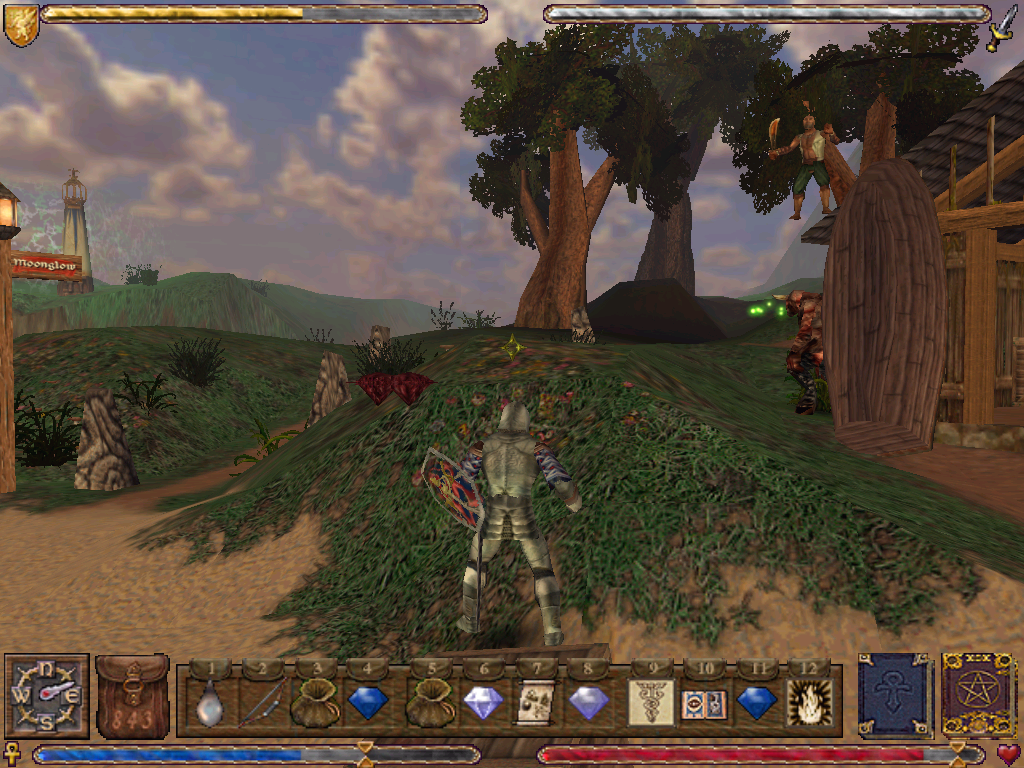
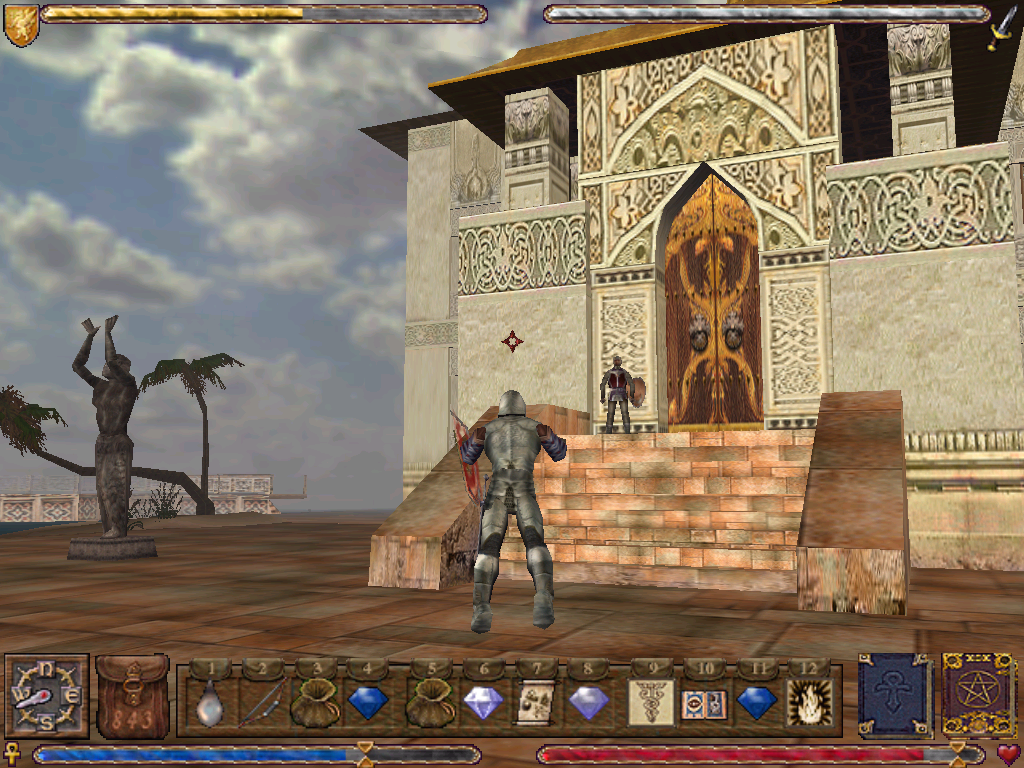
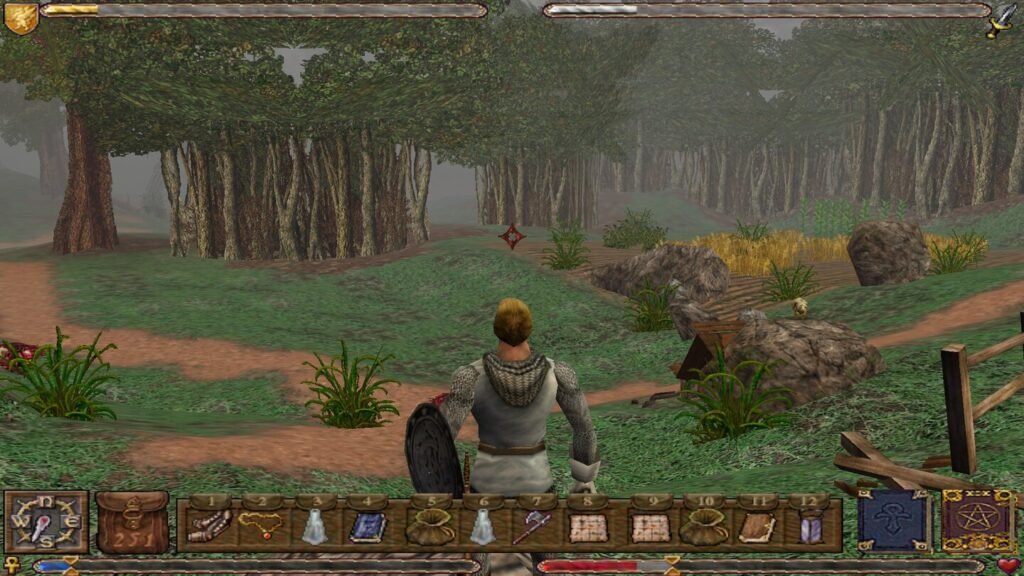
When you first booted up the game in the late nineties, assuming your computer didn’t immediately burst into flames, the visuals were nothing short of revolutionary. This was one of the first times we saw a truly seamless 3D open world on such a massive scale. You could stand on a cliffside in Britain and look out over the horizon, seeing distant towns and mountains without a single loading screen. The transition from the classic top-down or isometric views of previous titles to a third-person perspective was a bold move that aimed for total immersion. The water looked incredible for the time, and the architecture of the shrines and cities felt tangible in a way that sprites just couldn’t capture. However, this beauty came at a steep price. The game was an absolute resource hog, requiring high-end 3Dfx Voodoo cards just to run at a playable framerate. It was a technical marvel that was simultaneously a technical disaster, pushing hardware further than it was ready to go and suffering from legendary performance issues that made the experience a slideshow for the average gamer.
The Lore Controversy and the Identity Crisis
For the hardcore fans who had spent years memorizing the history of Britannia, the narrative of this finale was a bit of a slap in the face. There is a notorious moment early in the game where the Avatar, a character who has saved the world multiple times, asks, “What’s a Paladin?” This became a symbol for everything wrong with the writing. The game seemed to suffer from a strange case of amnesia, frequently ignoring or retconning established Ultima lore to make the story more accessible to newcomers. While the overarching plot involved the Guardian corrupting the eight virtues and the Avatar having to cleanse the shrines, the execution felt simplified. The deep, philosophical questions about morality that defined Ultima IV or Ultima VII were replaced by a more standard “go here, kill that” quest structure. It felt less like a living, breathing world and more like a linear action-adventure game wearing the skin of an epic RPG.
The Clunky Dance of Combat and Exploration
Moving through the world was a bit of a mixed bag, to put it lightly. The developers decided to incorporate platforming elements, which meant the Avatar spent a surprising amount of time jumping over lava pits and leaping between moving platforms. In a series known for its meticulous world-building and simulation, these jumping puzzles felt wildly out of place and were often frustrated by the game’s clunky physics. The combat also shifted to a more action-oriented system, which lacked the tactical depth of earlier entries. You would find yourself clicking frantically at enemies while trying to navigate a camera that seemed to have a mind of its own. Despite these frustrations, there was still a spark of that old Ultima magic in the exploration. Discovering a hidden cave or finding a piece of powerful loot tucked away in a corner of the map still provided that hit of dopamine that kept players pushing through the bugs and the crashes.
Symphony in a Sea of Bugs
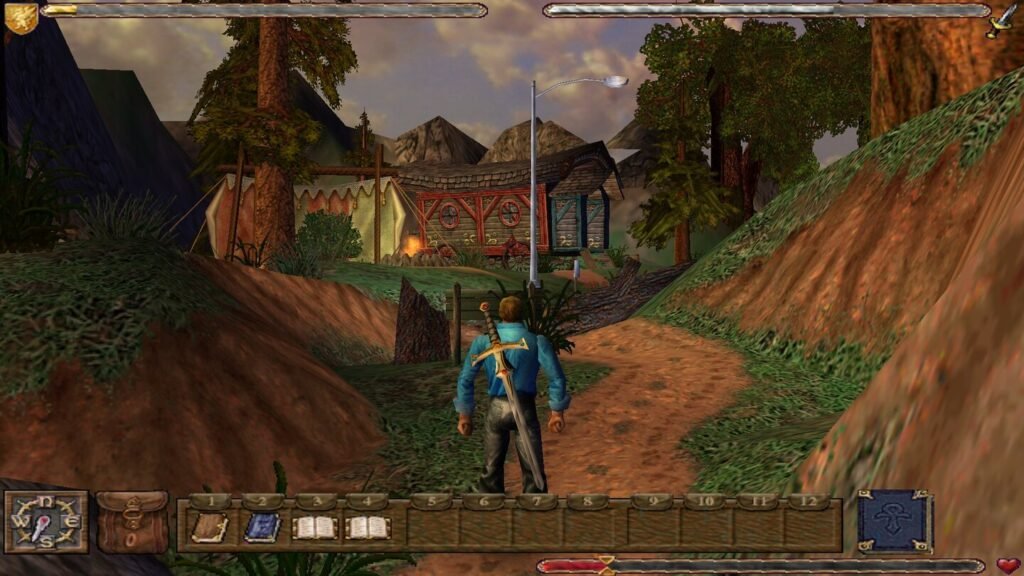
If there is one area where the game absolutely stayed true to its heritage, it was the musical score. Composed by George Oldziey, the soundtrack is genuinely one of the best in the entire series. The orchestral sweeps and the haunting renditions of the classic “Stones” theme provided an emotional weight that the gameplay often failed to deliver. It’s a testament to the talent at Origin Systems that even as the game was falling apart at the seams due to executive pressure and a rushed release, the art and music remained top-tier. You could almost forget that the game just corrupted your save file when you were standing in the woods listening to those beautiful, melancholic strings. It created an atmosphere of longing and finality that perfectly suited the idea of an “Ascension,” even if the technical reality was much more grounded in frustration.
The Legacy of a Fallen Titan
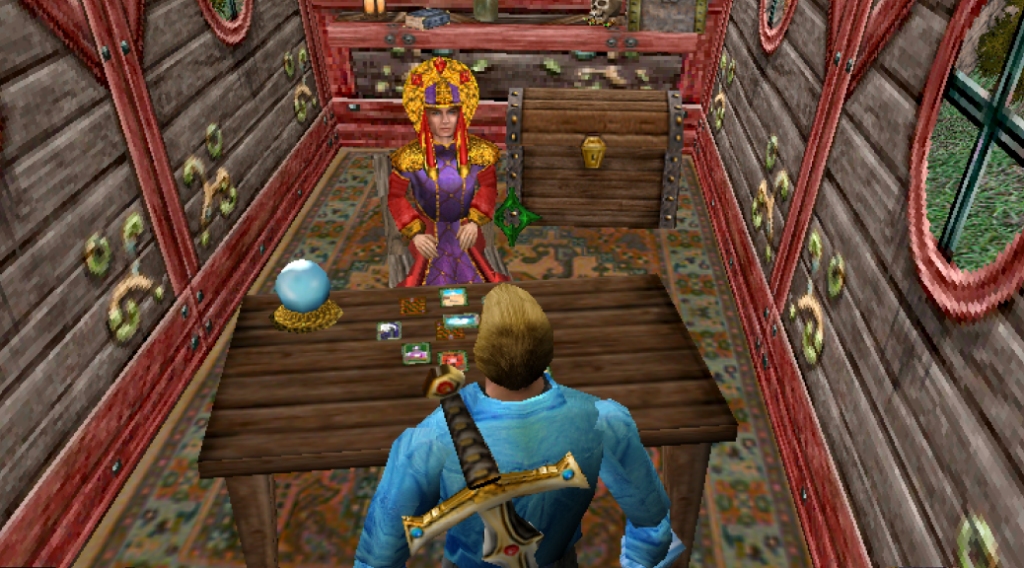
Looking back, it’s easy to see why the game failed to live up to the impossible hype. It was caught in the middle of a corporate tug-of-war between EA and Origin, undergoing multiple complete redesigns during its development. What started as a party-based isometric RPG ended up as a solo 3D action game, and you can see the scars of those changes everywhere. Yet, for all its flaws, there is a cult following that refuses to let the game die. There is something fascinating about its ambition. It tried to do things that wouldn’t become standard for another decade, like a persistent world where you could pick up and move almost every object. It was a bridge between the old era of complex PC simulations and the new era of cinematic action-RPGs. It’s a tragic figure in gaming history—a game that wanted to touch the stars but was tripped up by its own shoelaces.
If you are brave enough to tackle this beast today, you absolutely should not go in vanilla. The community has done incredible work fixing what the developers weren’t given time to finish. You should start by looking into the Ultima IX: Forgotten World project, which provides essential compatibility patches and bug fixes that make the game stable on modern systems. There is also the Beautiful Britannia mod, which aims to improve the world’s aesthetics and fix various map errors. For a more comprehensive overhaul, check out the Ultima IX: Extended Edition, which bundles many of these fixes together to ensure the game doesn’t crash every five minutes. You can find most of these resources on the Ultima Codex or via the GOG community forums. These fan-made updates turn a legendary disaster into a genuinely playable, and often enjoyable, piece of RPG history.