
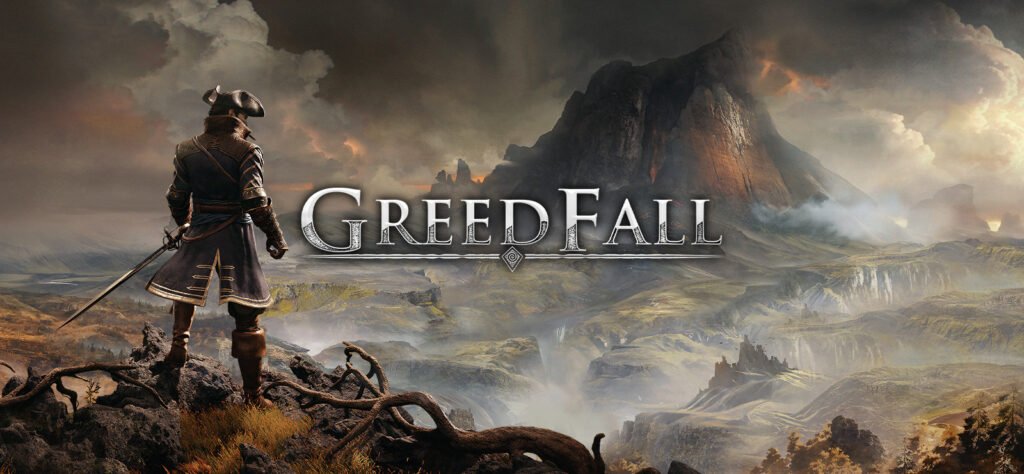

We’ve all been there—scouring the digital storefronts, desperately looking for something that captures the magic of the “Golden Age” of BioWare. You know the feeling. You want a game where your choices actually matter, where your companions have more than two personality traits, and where you can accidentally start a diplomatic incident because you forgot to wear the right hat. For years, that itch went largely unscratched until a French studio named Spiders decided to swing for the fences with GreedFall. Now, looking back at it from the perspective of 2026, it’s fascinating to see how this “Double-A” title managed to outshine many of its triple-A cousins by sheer force of personality and ambition.
The Hook: Not Your Typical High Fantasy
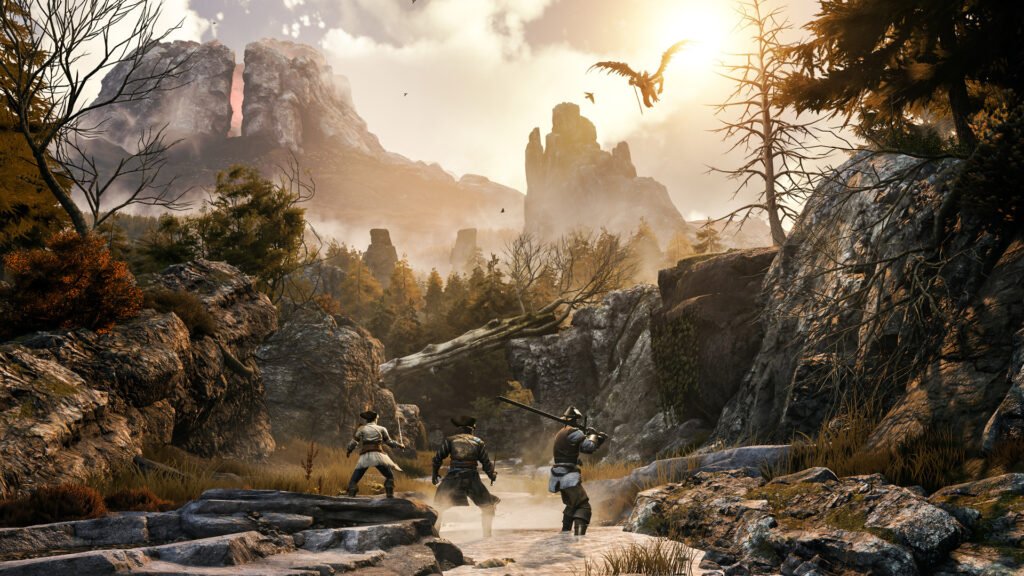
Most RPGs start with you waking up in a prison or being the “chosen one” of some dusty prophecy. GreedFall takes a different route. You are De Sardet, a noble and Legate of the Merchant Congregation. You aren’t here to save the world with a glowing sword; you’re here to find a cure for the Malichor, a horrific plague rotting your homeland, and to navigate the messy, often uncomfortable politics of colonization.
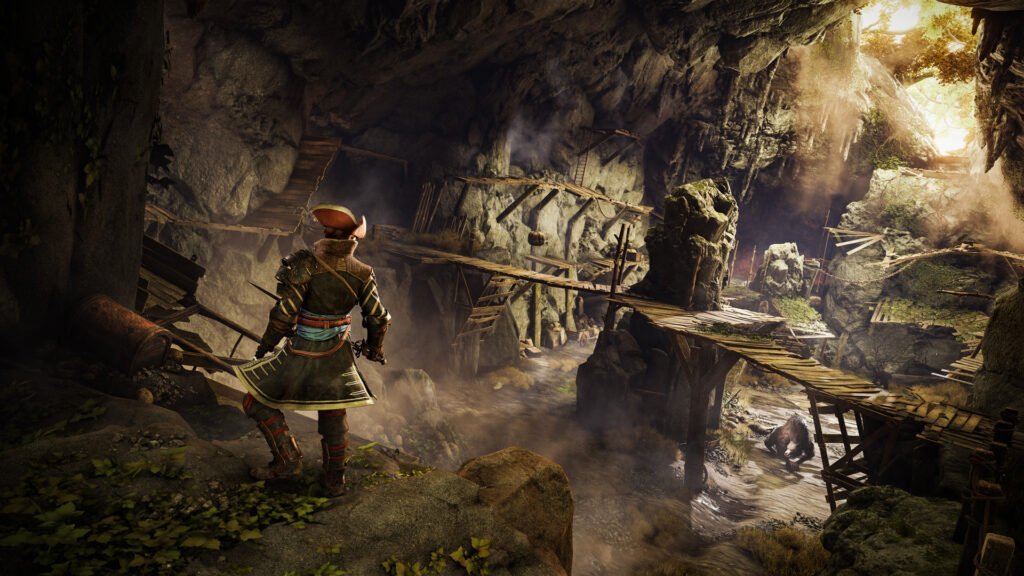
The setting is a gorgeous, 17th-century-inspired world that swaps out the tired “knights in shining armor” trope for flintlock pistols, tricorn hats, and rapier duels. When you finally set sail for the mysterious island of Teer Fradee, the game truly opens up. It’s a land where industrial science clashes with ancient elemental magic, and where the native Doneigada struggle against the encroaching colonial powers. It’s a heavy premise, but the game handles it with surprising nuance, forcing you to choose between the greed of your own people and the sovereignty of the island’s original inhabitants.
Diplomacy is Your Deadliest Weapon
One of the most refreshing things about this game is that it treats Diplomacy as a core gameplay mechanic rather than just a flavor text option. Sure, you can build a character who is a literal human tank, but some of the most satisfying moments come from talking your way out of a bloodbath. The Faction Reputation system is the heart of the experience. You’re constantly juggling the interests of the Bridge Alliance (scientists who are a bit too comfortable with human experimentation), the Theleme (religious zealots who are surprisingly three-dimensional), and the Nauts (the mysterious guild that controls the seas).
If you piss off a faction, don’t expect them to help you later. This creates a genuine sense of weight to every conversation. You’ll find yourself pausing to consider if wearing a specific piece of armor—which acts as a Disguise—is worth the risk of being caught in a restricted area. It’s that old-school RPG logic that makes the world feel reactive and alive, even if the budget constraints mean you’re seeing the same three palace interior assets over and over again.
Combat, Character, and the Tactical Pause
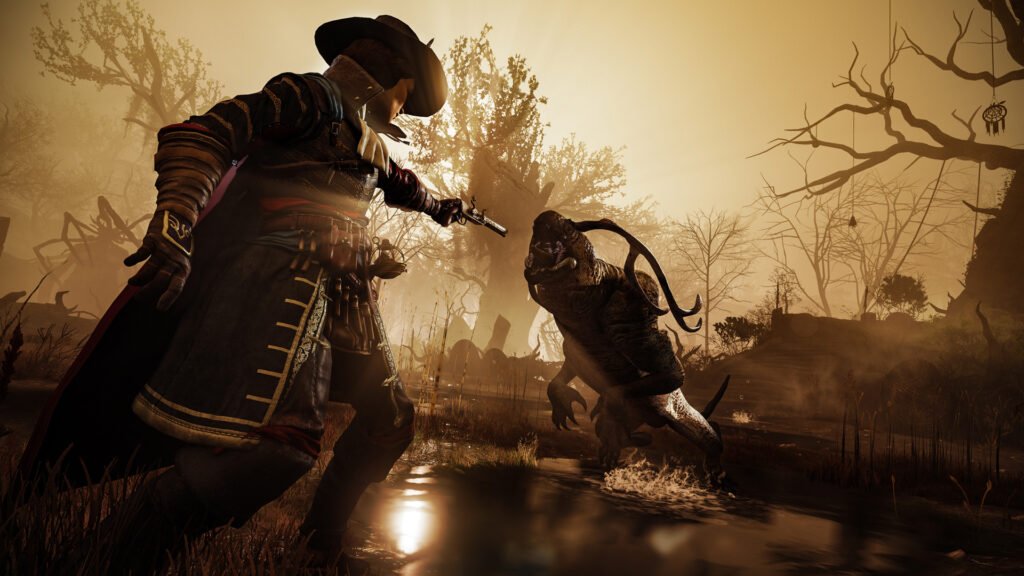
The combat is a little stiff. It’s got that “euro-jank” charm where animations can feel a bit floaty, and the camera sometimes decides it wants to be an indie film director during a boss fight. However, the Tactical Pause menu is a lifesaver. It allows you to freeze time, survey the battlefield, and plan your next move, whether that’s Downing a Health Potion, setting a Stasis Trap, or lining up a perfect shot with your pistol.
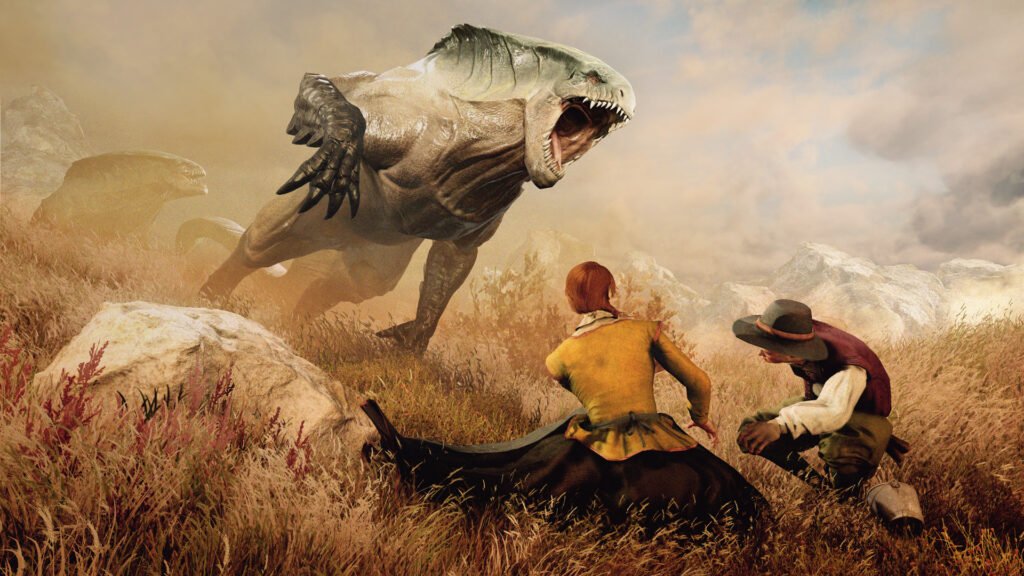
The Skill Tree is surprisingly flexible, allowing you to mix and match between Warrior, Technical, and Magic paths. Want to be a mage who uses heavy armor and sets landmines? Go for it. The game doesn’t punish you for experimenting, and by the mid-game, you’ll feel like a versatile force of nature. The boss battles against the Nadaig—massive, forest-guardian monsters—are genuine highlights, requiring you to actually learn attack patterns rather than just mashing the attack button.
Companions You’ll Actually Care About
You can’t have a great RPG without a ragtag crew of misfits, and GreedFall delivers. Each companion represents a different faction, which creates some incredible drama. Siora, a native of the island, will frequently call you out on your colonialist nonsense, while Kurt, your loyal combat tutor, provides the emotional backbone of the story.
The Loyalty Quests aren’t just side content; they are integral to the ending of the game. If you ignore your companions, they might leave you, or worse, betray you when things get hairy. The Romance Options are also handled with a maturity that’s often missing from the genre. It’s not just about clicking the “flirt” button until a cutscene plays; it’s about building trust and understanding their perspectives. Watching these characters interact with each other in the world adds a layer of depth that makes the long treks through the wilderness much more bearable.
The Charm of the “Double-A” Struggle
There is an undeniable soul in GreedFall that stems from its status as a mid-budget title. Yes, there is a lot of backtracking. Yes, the facial animations can look a bit “uncanny valley” during the more emotional scenes. And yes, every governor on the island apparently hired the exact same interior designer because their offices are identical.
But these flaws are easy to forgive because the Atmosphere is so thick you could cut it with a saber. The music is hauntingly beautiful, and the art direction is top-tier. There is a passion here that you don’t always find in polished-to-death corporate blockbusters. It’s a game that knows exactly what it wants to be: a grand, choice-driven adventure with a lot of heart and a little bit of grit.
The Verdict: A Must-Play for RPG Fans
If you’ve somehow missed out on this gem, or if you’ve been waiting for a sale, stop waiting. In an era where many games feel like they were designed by a committee to maximize engagement metrics, GreedFall feels like a labor of love. It’s a reminder that you don’t need a thousand-person dev team to create a world that stays with the player long after the credits roll. It’s messy, it’s ambitious, and it’s deeply rewarding. Whether you’re playing it for the political intrigue, the unique setting, or just to see what all the fuss is about before diving into the sequel, GreedFall is a journey worth taking. Grab your hat, load your pistol, and get ready to leave your mark on Teer Fradee.