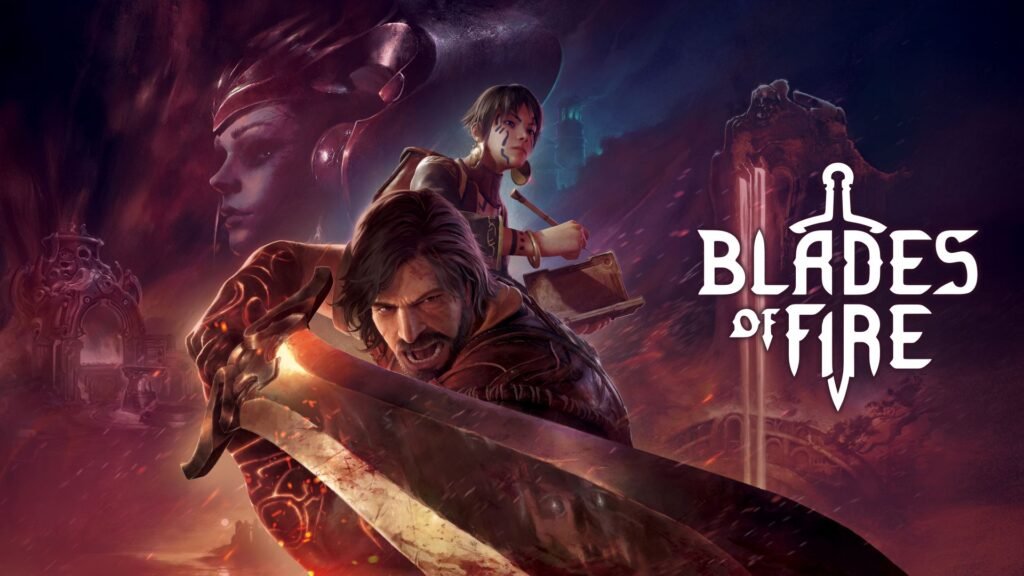

MercurySteam is a studio that has always known how to make combat feel incredibly punchy. Whether they were redefining a legendary vampire franchise or delivering masterclass agility in their recent sci-fi side-scrollers, they understand the kinetic joy of movement. But with Blades of Fire, their first completely original IP in nearly a decade, the Madrid-based developer throws a massive curveball. They have traded blinding speed for sheer, unyielding weight, delivering a dark fantasy action-adventure that feels like a cross between a classic third-person epic and a hyper-focused tactical dueler.
Set in a grim, beautifully painterly world cursed by Queen Nerea—where metal naturally decays and turns directly into stone—you step into the weathered boots of Aran de Lira. Aran is the very last warrior capable of manipulating a sacred hammer to forge true, uncorrupted steel. It is a fantastic narrative setup that bleeds directly into the gameplay loop. You are not just upgrading a generic stat sheet here; your entire progression, your survivability, and your tactical options are bound entirely to the literal blades you choose to shape at the forge.
Weapon Crafting with Real Consequence
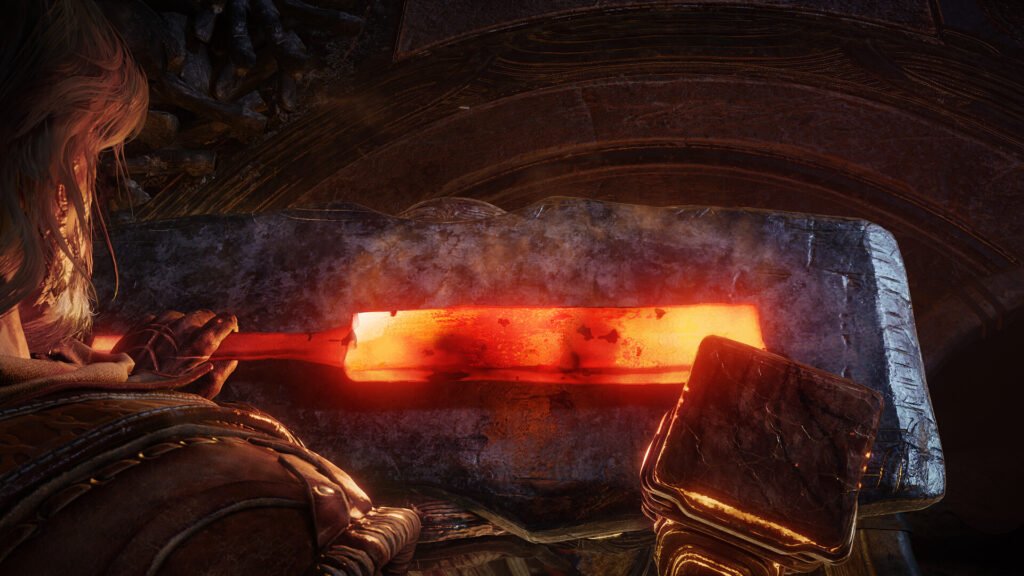
The defining feature of the game is undoubtedly its weapon forging system. Throughout your journey across crumbling fortresses and imposing wooden strongholds, you collect rare weapon molds and materials by felling monstrous threats. When you sit down at a forge, the choices you make are permanent. There are no magical do-overs or simple stat rerolls. You have to carefully assemble your arsenal to account for the specific, brutal resistances of the enemies ahead.
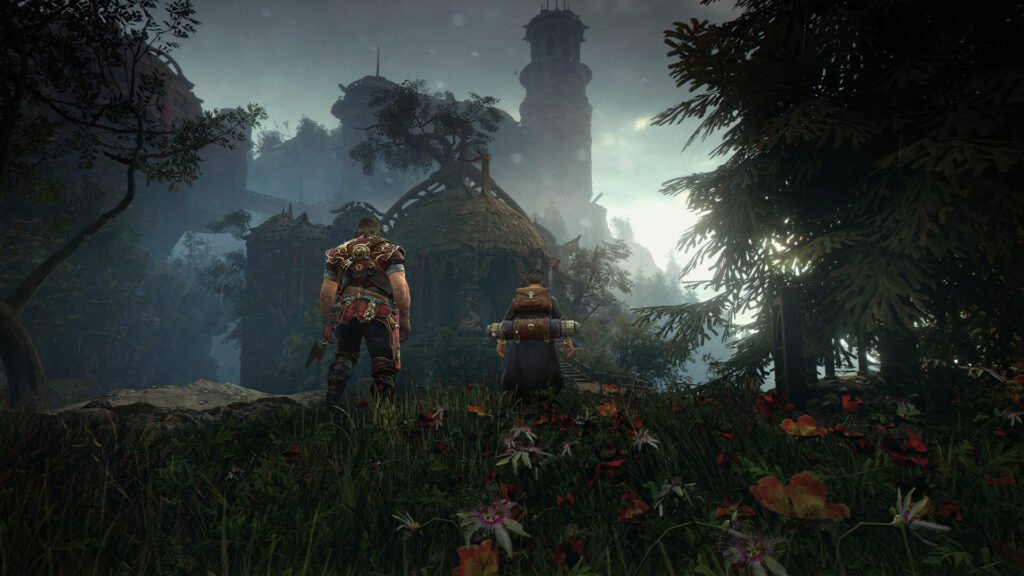
This meticulous approach makes every single strike of the hammer feel incredibly significant. The reward of pulling a shiny, beautifully stylized new sword out of the coals is a genuine high point, completely carrying the experience through some of the more repetitive material-gathering stretches. The game proudly utilizes MercurySteam’s proprietary engine, giving the armor textures, glowing embers, and bizarre enemy designs a distinct, high-contrast visual identity that sets it apart from the sea of photorealistic lookalikes saturating the genre.
Unforgiving, Rhythmic, and Methodical Combat
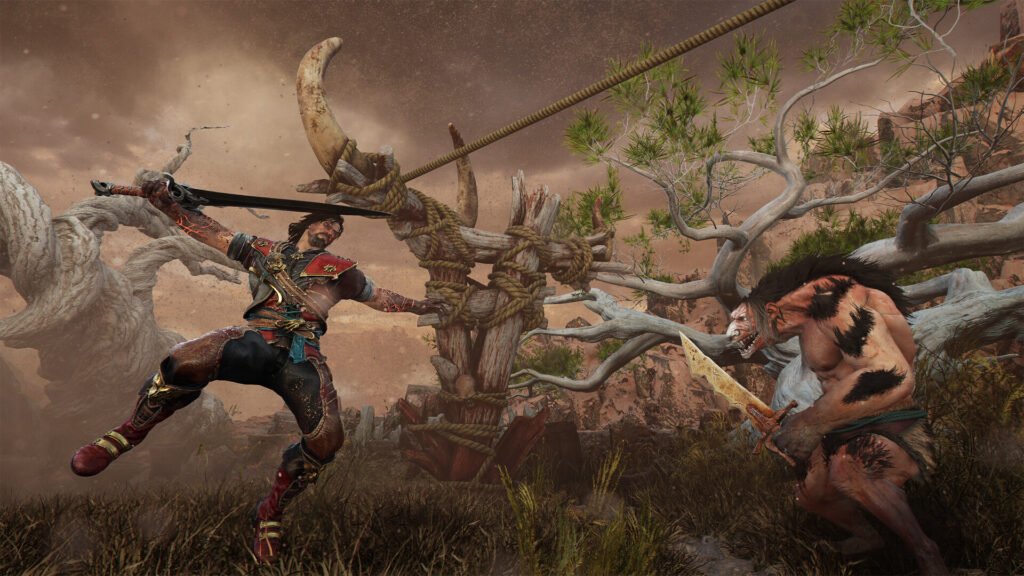
If you jump into this game expecting a frantic hack-and-slash experience, you are going to get sliced to ribbons inside the first five minutes. The combat in Blades of Fire is slow, grounded, and intensely lethal. It relies on a unique directional control scheme that feels like a close cousin to tactical multiplayer melee games, requiring you to carefully observe your opponent’s stance, match your guard, and manage a strict stamina bar.
When Aran first swings a one-handed sword, it feels agonizingly heavy. He handles it with two hands, overcommitting to swings and leaving massive windows of vulnerability. It feels clunky at first glance, but it is entirely intentional. As you master the rhythm, invest your hard-earned skill points, and learn from trainers, Aran’s stance completely shifts. The animations smoothly transition into fluid, confident combos, providing an incredibly rewarding sense of physical progression. Winning a duel against a hulking boss or a pack of aggressive creatures requires careful spacing and defensive patience rather than mindless button-mashing.
The Rough Edges of a Bold Original IP
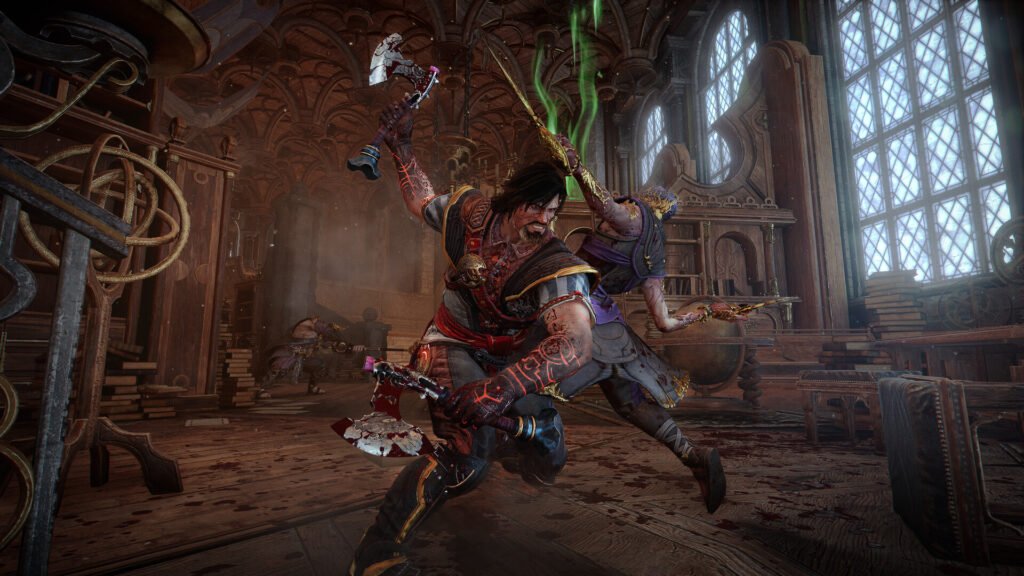
As captivating as the atmosphere and deliberate pacing can be, the game definitely possesses a distinct layer of jank. While the environmental art is gorgeous—particularly the jaw-dropping, vertical architecture of the colossal mountaintop structures—the world layout attempts a 3D Metroidvania structure that does not always land gracefully. Backtracking through previously cleared areas often feels tedious rather than rewarding, primarily because the traversal options lack the zip and excitement found in the studio’s past work.
Furthermore, the launch version suffered from a scattering of technical stutters, some erratic camera behavior during tight indoor skirmishes, and voice acting that is admittedly a bit stiff across the board. It is a game of immense friction, designed specifically for a niche audience that values consequence, atmosphere, and deliberate mechanics over slick, commercial polish.
A Major Second Chance on a New Platform
When the game initially launched, it flew somewhat under the radar, partially due to a polarized critical reception and a few rough technical edges. However, MercurySteam has spent the last year completely turning things around, culminating in a massive Version 2.0 update that polishes the experience to a mirror shine. This definitive overhaul introduces an brutal Titanium difficulty tier, an addictive New Game Plus mode with exclusive weapon parts, a boss replay arena, and a ton of welcome animation refinements.
Best of all, the doors have finally opened for a massive wave of new players. Blades of Fire has officially been released on Steam, arriving alongside this massive 2.0 update after spending its first year exclusively available on the Epic Games Store. Complete with full Steam Deck support and performance-boosting features like DLSS, there has never been a better time to pick up the hammer, brave the curse of stone, and forge your own legend.