
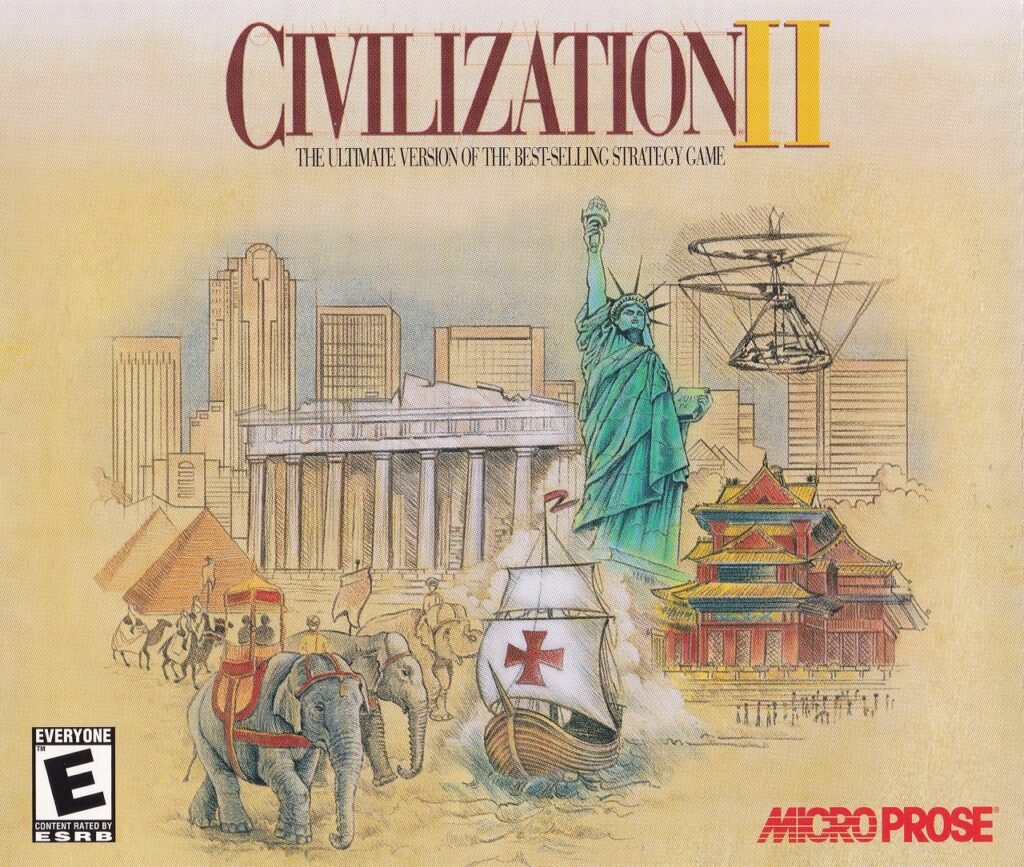

Release Date: March 1996 Developer: MicroProse
There was a distinct magic to the mid-1990s PC gaming scene, a period where pixelated sprites and CD-ROM audio combined to create worlds that felt infinitely vast. Sitting right at the pinnacle of that golden era was Sid Meier’s Civilization II, a game that did not just ask for your free time; it demanded your sleep, your social life, and your absolute devotion. Released in 1996, this masterpiece took the brilliant but rough-around-the-edges foundation of the original 1991 classic and sculpted it into the definitive turn-based strategy experience. It was the game that truly popularized the infamous “just one more turn” syndrome, a beautiful, addictive affliction that kept millions of digital despots awake until the birds started chirping outside their windows.
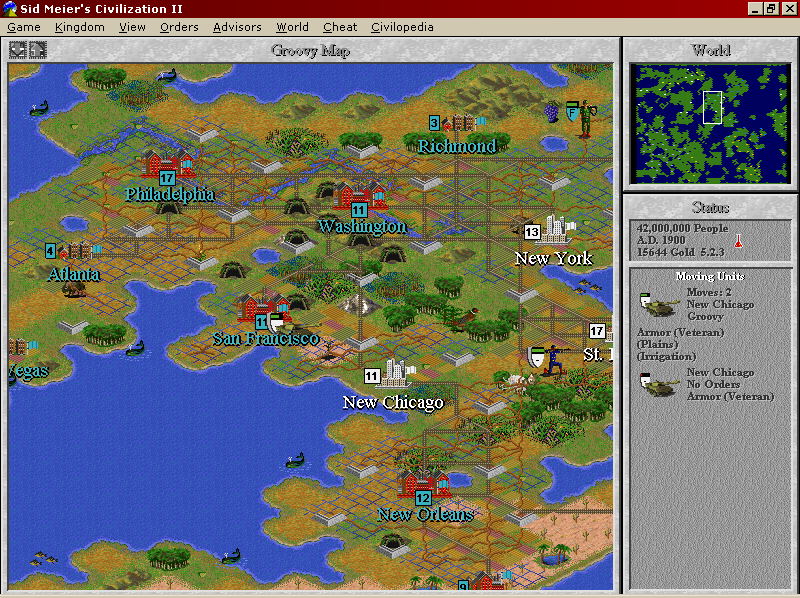
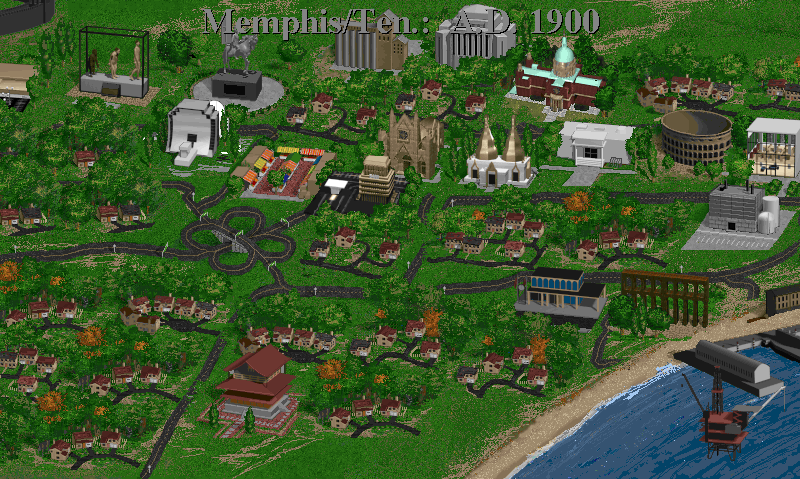
What made this entry so utterly captivating was the sheer leap in presentation and mechanical depth. Stepping away from the flat, top-down perspective of its predecessor, the sequel introduced a gorgeous isometric viewpoint. This pseudo-3D look gave the world a sense of weight and geography that made your burgeoning empire feel like a living, breathing realm. Suddenly, building a phalanx on a mountain peak did not just give you a tactical defensive bonus; it looked imposing. The map felt like a canvas waiting to be painted with your civilization’s borders, stretching from a single, humble settler unit in 4000 BC all the way into the sprawling, neon-lit metropolis era of the space age.
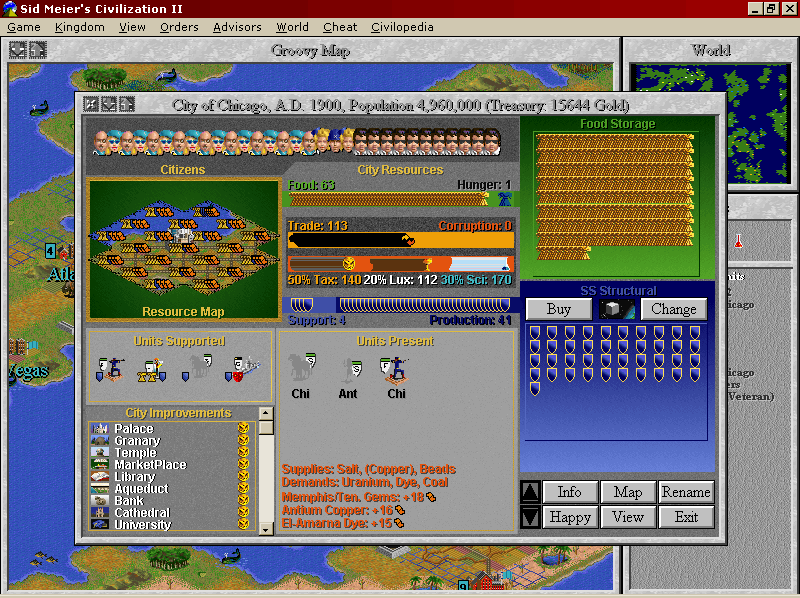
The core loop of the game remains a masterclass in game design. You choose a historical leader, found your first city, and immediately begin balancing the delicate triad of scientific research, economic growth, and military might. The brilliant addition of the High Council brought a wonderful layer of campy, live-action charm to these macro-management decisions. Whenever you consulted your advisors, a video window would pop up featuring actors dressed up as your military, economic, scientific, foreign policy, and entertainment experts. They would argue with each other based on your current empire status, with the Elvis-presley-inspired entertainment advisor whining about unhappy citizens while the military general demanded more funding for knights. It was a brilliant, humanizing touch that grounded the grand strategy in pure fun.
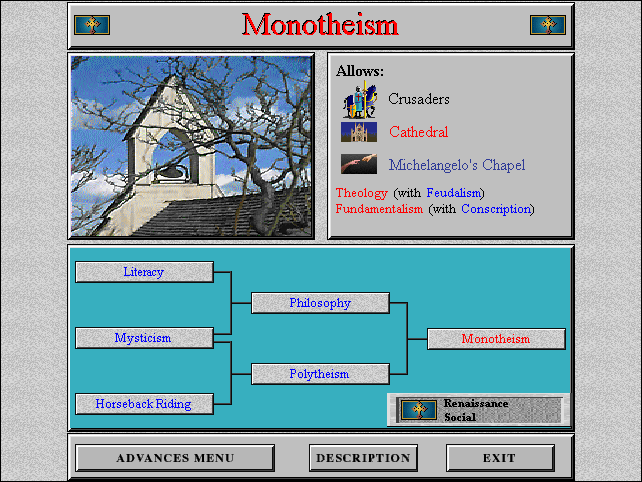
Navigating the massive technology tree was an adventure in itself. Every choice you made felt monumental. Do you rush toward Monarchy to stabilize your government, or do you prioritize Bronze Working to secure your borders with sturdy defenders? The pursuit of Wonders of the World added an intense, high-stakes race against rival nations. Beating the Babylonians to the construction of King Richard’s Crusade or Leonardo’s Workshop could completely alter the trajectory of your global standing. These wonders did not just offer passive stat boosts; they were accompanied by stunning multimedia videos and booming narrations that made your engineering triumphs feel genuinely historic.
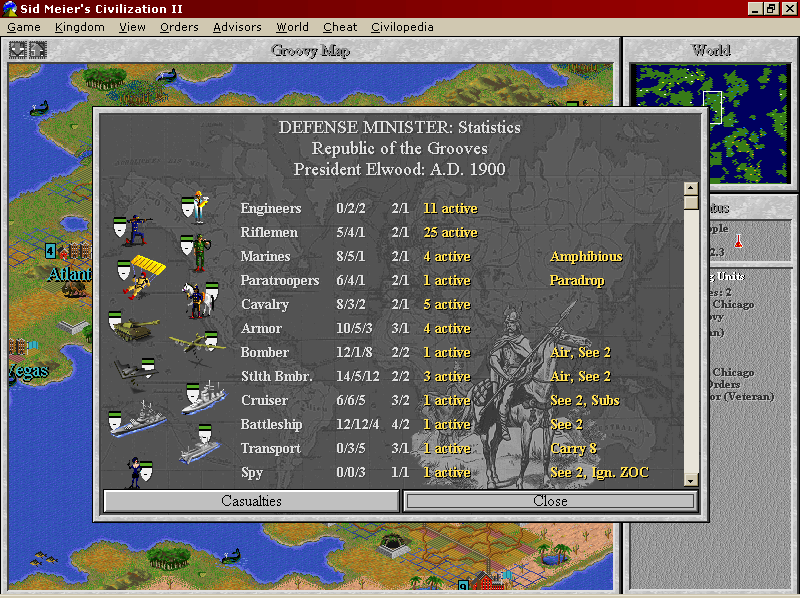
Combat also received a massive, much-needed overhaul that fixed the first game’s most glaring frustrations. The sequel introduced hit points and firepower mechanics, which finally brought some sanity to the battlefield. In the original game, a freak RNG roll could result in a primitive militiaman defeating a high-tech battleship. While the sequel still had its occasional bizarre upsets, the new system ensured that a modern, well-maintained army would almost always steamroll an ancient garrison. Managing your units became an exercise in logistics, requiring you to establish supply lines, construct fortresses on strategic chokepoints, and utilize the newly introduced spy units to subvert enemy cities from within via industrial sabotage or political bribery.
Diplomacy in the game was a thrilling, often nerve-wracking game of poker. Dealing with rival leaders like the fiercely aggressive Zulu under Shaka or the notoriously deceptive Indians under Mahatma Gandhi required constant vigilance. Alliances felt fragile, and treaties were often just temporary pauses before the inevitable land grabs began. The introduction of different government types, ranging from Despotism and Fundamentalism to Democracy and Communism, heavily influenced how you interacted with the world. Running a Democracy meant your economy and science would skyrocket, but your stubborn senate would frequently veto your declarations of war, forcing you to play the role of a peaceful diplomat even when your neighbors were actively begging for a swift invasion.
Ultimately, the true brilliance of the game lay in its ability to generate emergent, unscripted narratives. Every single playthrough was a unique alternate history textbook written in real-time by your actions. You could build a pacifist utopia that won the game by launching a colony ship to Alpha Centauri, or you could become a terrifying global hegemon that united the planet under an iron fist through nuclear deterrence and mechanized warfare. It provided players with an unparalleled sense of agency and ownership over their digital empires, ensuring that no matter how many times you clicked that glowing red end-turn button, the world you built was entirely your own.
Conflicts in Civilization
When the base game’s historical march began to feel familiar, the developers expanded the horizon with the Conflicts in Civilization expansion pack. Released later in 1996, this add-on was a dream come true for players who wanted to skip the slow, ancient era buildup and jump straight into high-stakes, pre-configured historical dramas. The expansion bundled together twenty fascinating scenarios created by both the development team and avid community members. Players could suddenly immerse themselves in the tactical nightmare of the American Civil War, test their strategic mettle on the battlefields of the Great War, or navigate the complex geopolitical landscape of the post-WWII Cold War. What made this expansion truly revolutionary, however, was the inclusion of an upgraded, highly accessible map editor and macro language toolset. This gave the burgeoning modding community the literal keys to the kingdom, allowing everyday gamers to script custom triggers, modify unit behaviors, and share their own historical or fictional worlds across early internet forums, effectively laying the groundwork for decades of community-driven content.
Fantastic Worlds
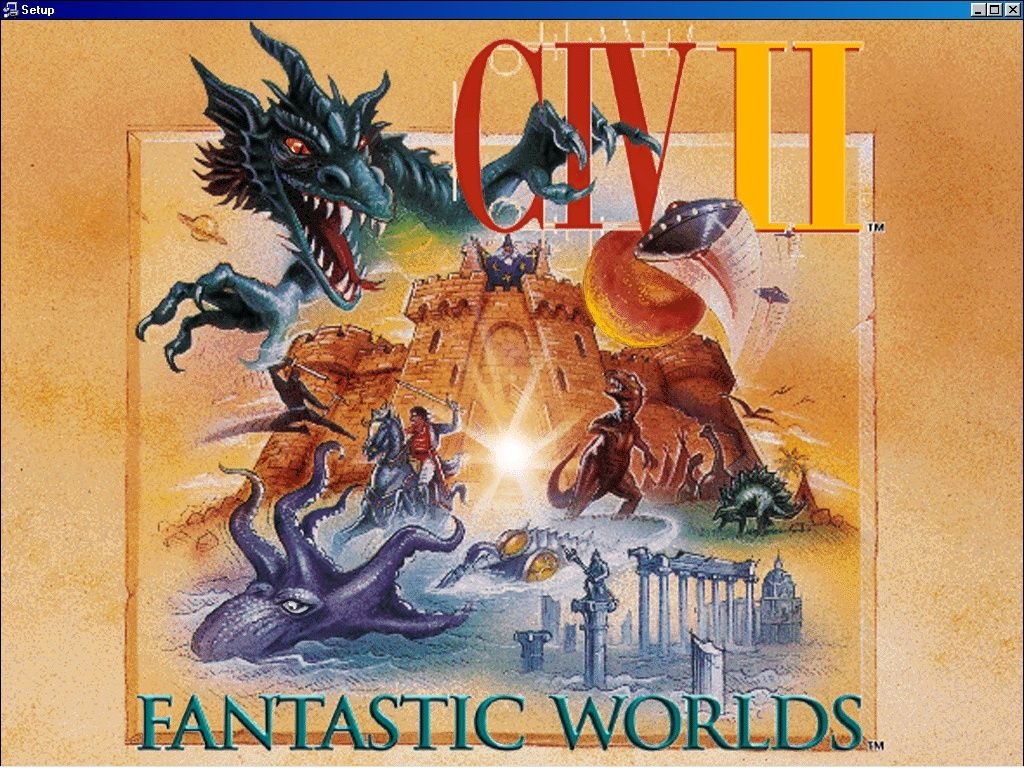
If the previous expansion kept things grounded in history, the 1997 follow-up, Fantastic Worlds, blew the doors of reality wide open. This expansion threw historical accuracy out the window and leaned heavily into pure, unadulterated fantasy and science fiction. It introduced scenarios heavily inspired by classic mythology, outer space colonization, and even high-fantasy realms filled with magical beasts and elven kingdoms. Fun anomalies abounded, including a scenario where you had to defend the planet from a Martian invasion, and an official crossover script that allowed players to command armies within the universe of X-COM. Beyond the wild, imaginative pre-made maps, the real legacy of this release was its total overhaul of the game’s modding capabilities. It introduced comprehensive editors for editing unit graphics, city sprites, terrain tiles, and sound effects directly within the game menus. It transformed the strategy masterpiece from a singular game about human history into a versatile, all-encompassing engine for infinite turn-based world-building.
Test of Time
The grand finale of this generation arrived in 1999 with the release of Civilization II: Test of Time, an ambitious, standalone reimagining that sought to push the aging 1996 engine to its absolute limits. The most immediately striking update was the visual presentation. The static, charmingly blocky terrain tiles of the original release were replaced with vastly more detailed landscapes featuring animated terrain elements, such as gently rippling water, shimmering resource icons, and units that actually marched in place. While the visual overhaul received mixed reactions from purists who missed the crisp clarity of the classic look, the gameplay innovations were undeniably massive.
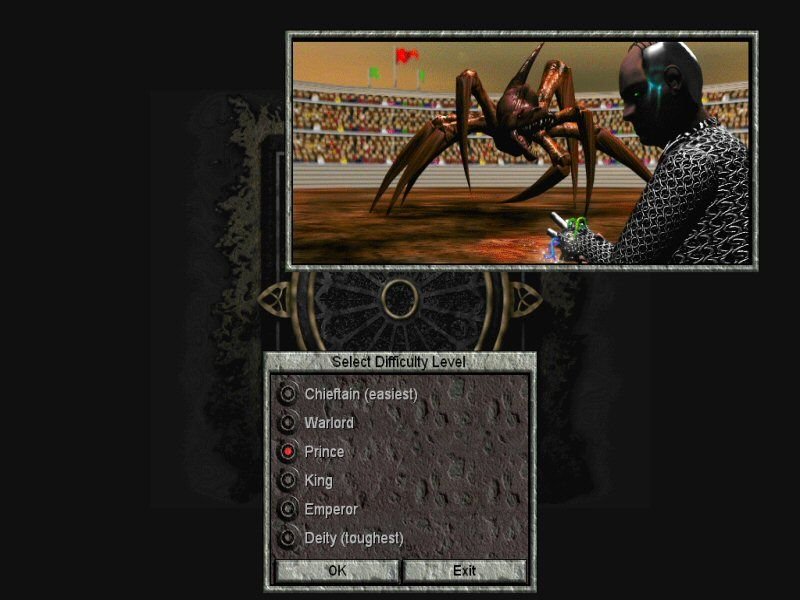
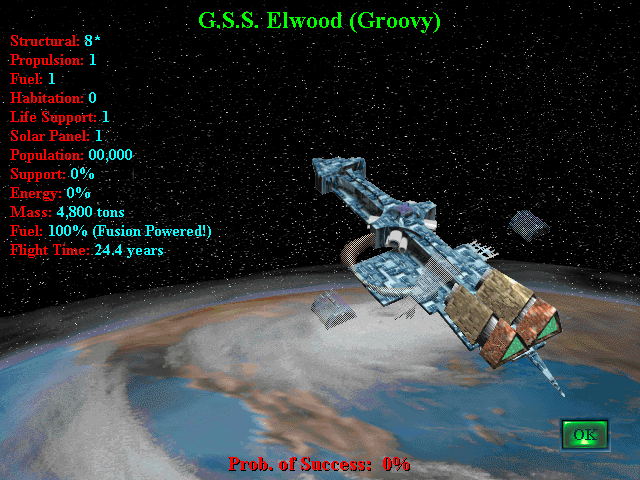
The defining feature of this release was its groundbreaking multi-map system. In the standard campaign, winning the space race by reaching Alpha Centauri was no longer the end of the game. Instead, launching your colony ship unlocked a secondary, parallel Centauri map. Once your vanguard arrived, the game essentially doubled in scope; you had to simultaneously manage your original, terrestrial empire on Earth while concurrently founding brand-new, high-tech colonies on an alien world with its own distinct terrain, atmospheric hazards, and indigenous lifeforms. Managing resources, troop movements, and research across two completely different planetary spheres at the exact same time was a mind-melting tactical challenge that offered an unprecedented level of endgame depth.
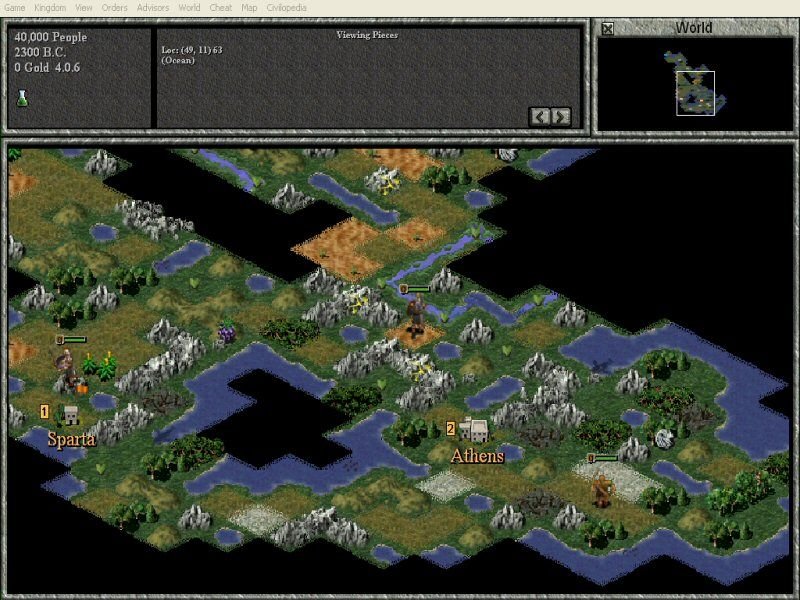
Beyond the expanded sci-fi ending of the historical mode, the package included entirely separate, self-contained campaign universes that utilized this multi-layer map system to its fullest potential. The Fantasy Campaign was an absolute triumph of imagination, heavily drawing inspiration from Norse and Celtic mythology. Instead of managing human nations, players commanded factions of Elves, Dwarves, Goblins, or Undead across four distinct, stacked map layers simultaneously: the Sky World, the Surface World, the Underworld, and the deep Abyss. Moving your armies across these planes required magical portals or specialized flying units, completely upending traditional chokepoint strategies.
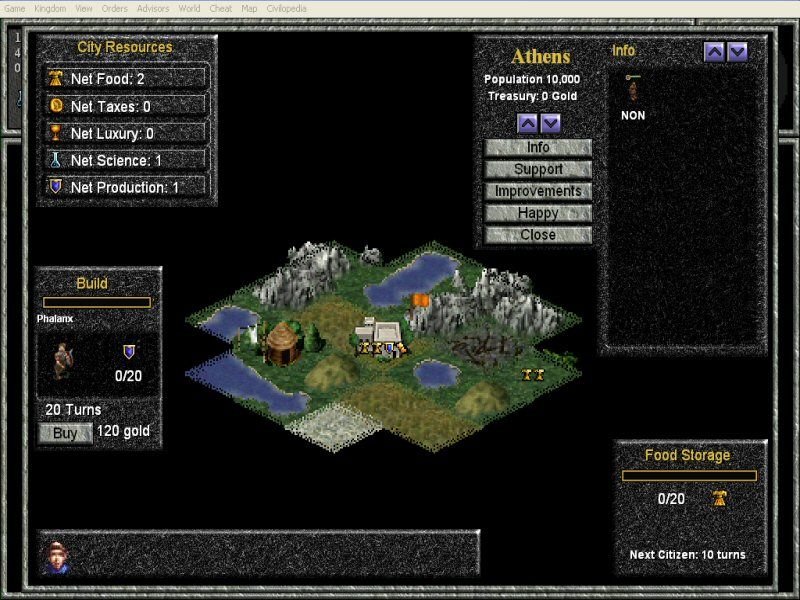
Similarly, the Science Fiction Campaign dropped players into the distant Lalande 21185 star system, tasking them with colonizing a harsh world across multiple orbital and planetary layers while fending off bizarre alien species. By weaving these complex multi-tiered maps with deeply customized tech trees and unique narrative event triggers, this release stood as a bold, experimental monument to what grand strategy could look like when freed from the constraints of real-world history. It remains a fascinating, deeply complex hidden gem that pushed the classic gameplay blueprint into its most complex and experimental form.