
Release Date: 25 October 2013 Developer: Noumena Studios
Get It On: GOG
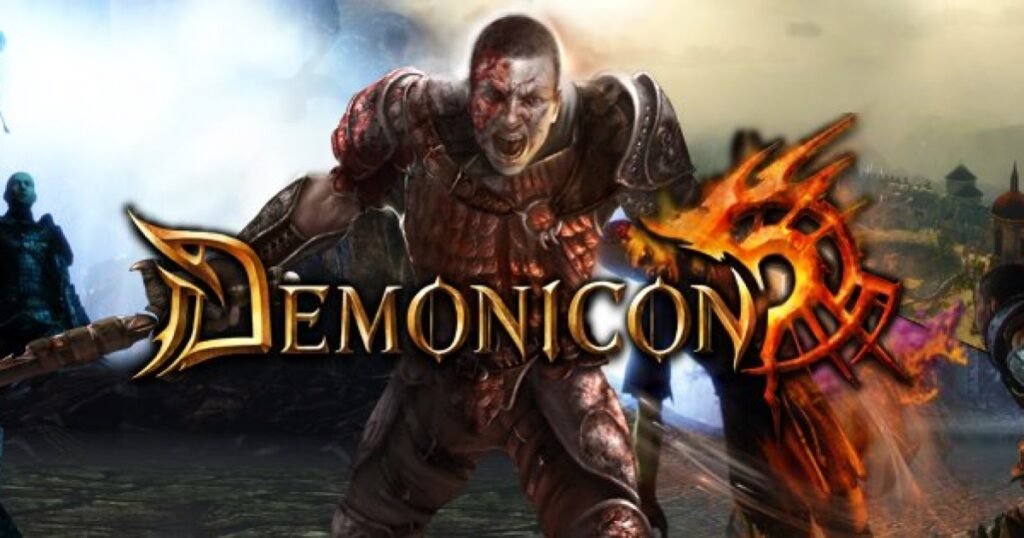
If you’ve spent any time in the wider fantasy RPG scene, you’ve probably heard of The Dark Eye, or as they call it in Germany, Das Schwarze Auge. It’s the big local alternative to Dungeons & Dragons that has been running strong since 1984. While most English-speaking gamers only know the setting through a handful of video games, The Dark Eye: Demonicon (released in 2013) remains one of the more ambitious and also very un-apologetic attempts to bring that world to the screen.
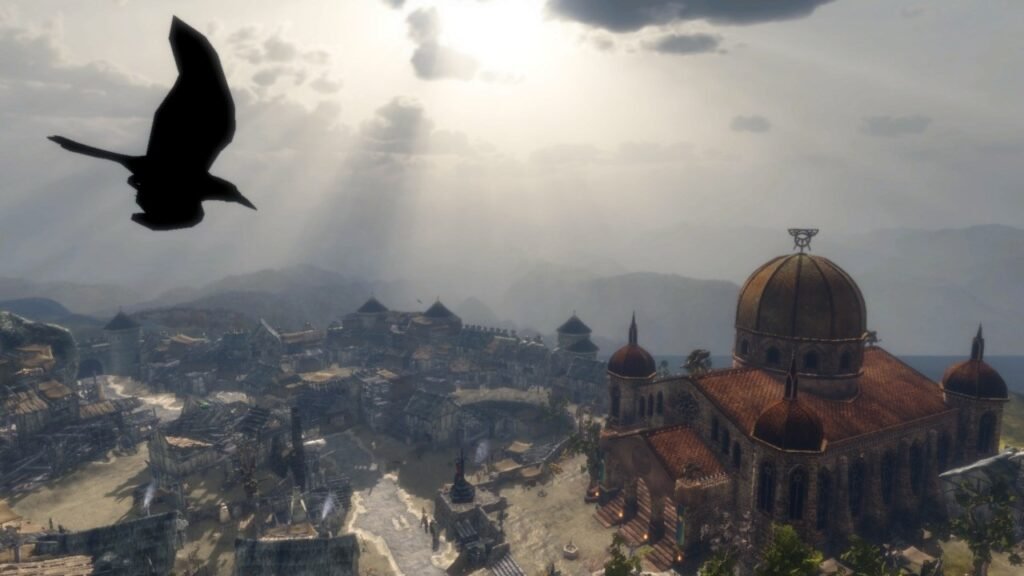
Developed by Noumena Studios and published by Kalypso Media, the game dropped on PC in October 2013. And it is very much a product of its time: third-person action combat, a skill system that lets you shape your character however you like, and a story that goes to some genuinely freaky places.
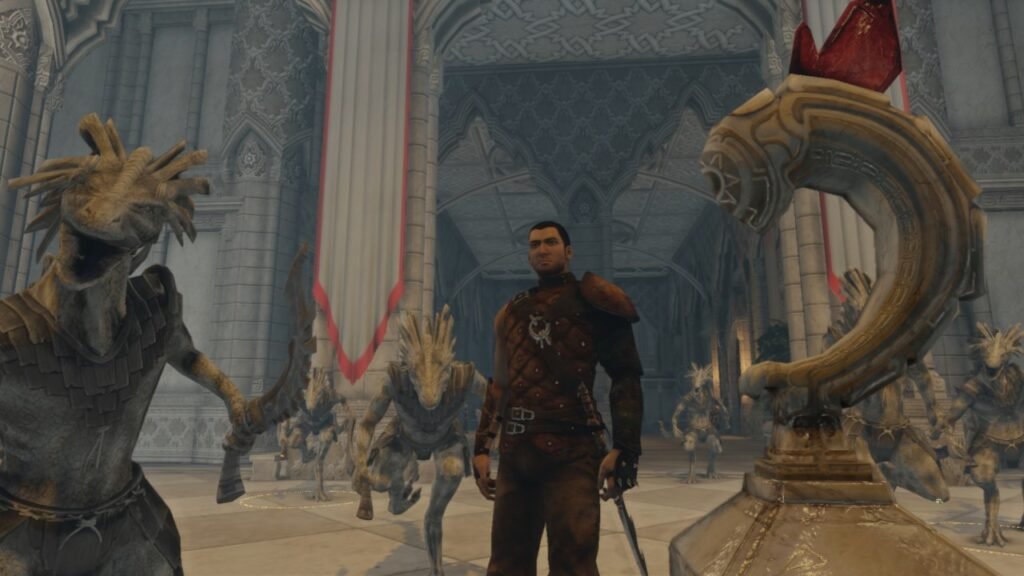
The story follows Cairon, a young man traveling with his father and his sister Calandra. They arrive as refugees at the city of Warunk in the Shadow Lands, a region still scarred by the wars of the dark mage Borbarad. Life in the refugee camp is miserable. Plague is spreading, the city gates are closed, and the only way the family can get citizenship is if Calandra marries a powerful local warrior named Falk. Cairon is having none of it.
Things spiral fast. Calandra sneaks off into the nearby mountains to investigate kidnappings. Cairon follows, they get into a fight, and while patching each other up they mix blood. That single moment awakens powers neither of them knew they had. From that point the game becomes a dark descent into some very heavy themes involving the siblings’ true origins.
Without spoiling every twist, the core premise is that both Cairon and Calandra are “Awakened,” special children created through a ritual involving the demon Zhulgaroth. There were seven of them. Their blood and certain other activities are forbidden because mixing those powers is dangerous. The high priestess Azaril has been hunting them for years, and the whole family has been living on the run. Once the gifts awaken, the story turns into a race between the siblings, rival factions in Warunk, and the lingering influence of Borbarad’s followers.
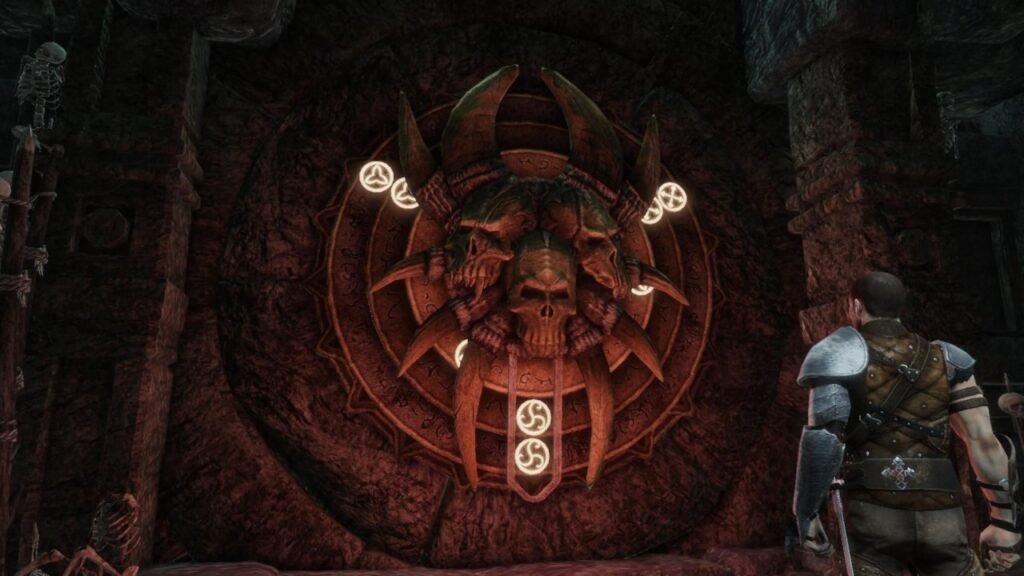
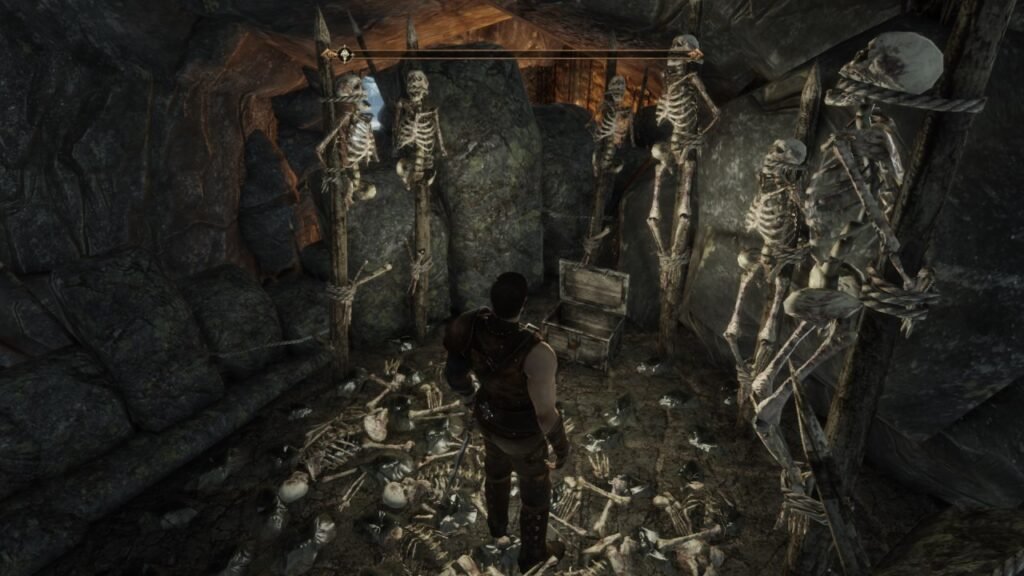
The tone is relentlessly grim. This is not a bright high-fantasy romp. The Shadow Lands feel oppressive. The writing leans into moral choices that rarely have clean answers. Do you kill the cannibal who has been eating refugees, or spare him so the other prisoners can live? Do you side with the city guard or the criminal cartel? The game doesn’t shy away from the incestuous tension between Cairon and Calandra either, which made some players deeply uncomfortable and others fascinated by how far it was willing to go. (Minor Spoiler: The whole incest thing is not as heavy as it was blown up to be).
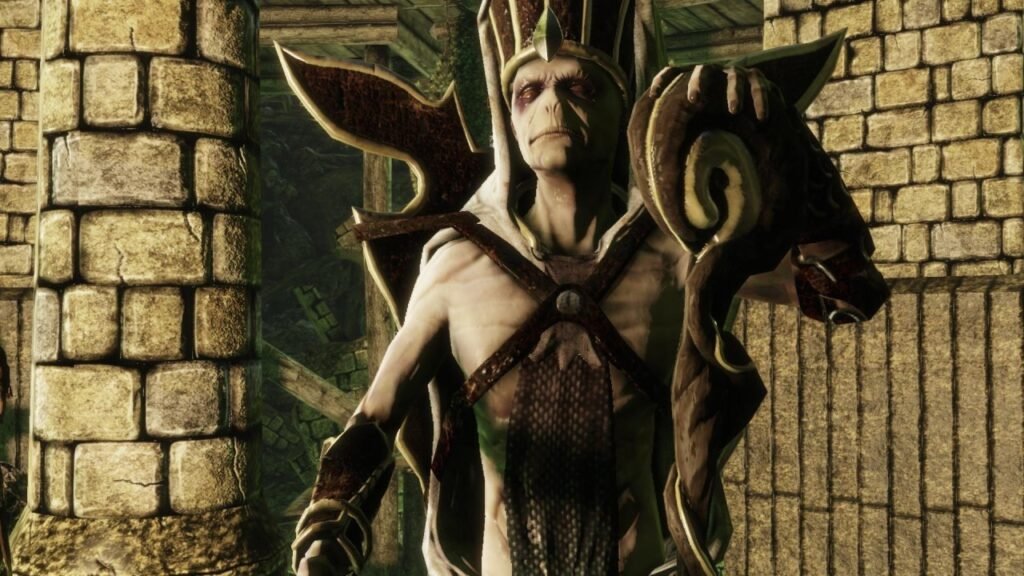
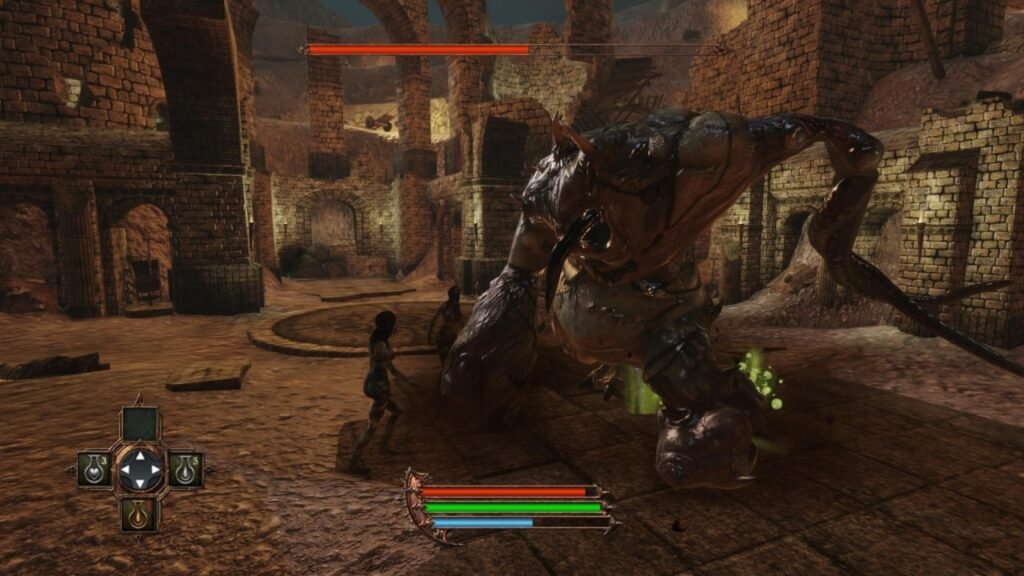
Gameplay-wise, Demonicon is a third-person action RPG. You control Cairon directly. There are no traditional classes. You spend adventure points to raise attributes like strength, agility, constitution, courage and will, plus talents that cover persuasion, herbalism, perception, and trading. Separate gift points unlock and improve the dark magic that comes with being Awakened. The combat mixes melee combos with those growing magical abilities. Timing and positioning matter more than button-mashing, though the systems never quite reach the fluidity of bigger-budget action RPGs of the same era. The whole game reminded me most of Dragon Age II, in how the quests are structured, how the story unfolds and also how the city of Warunk changes as the story unfolds and you get into the later chapters of the game.
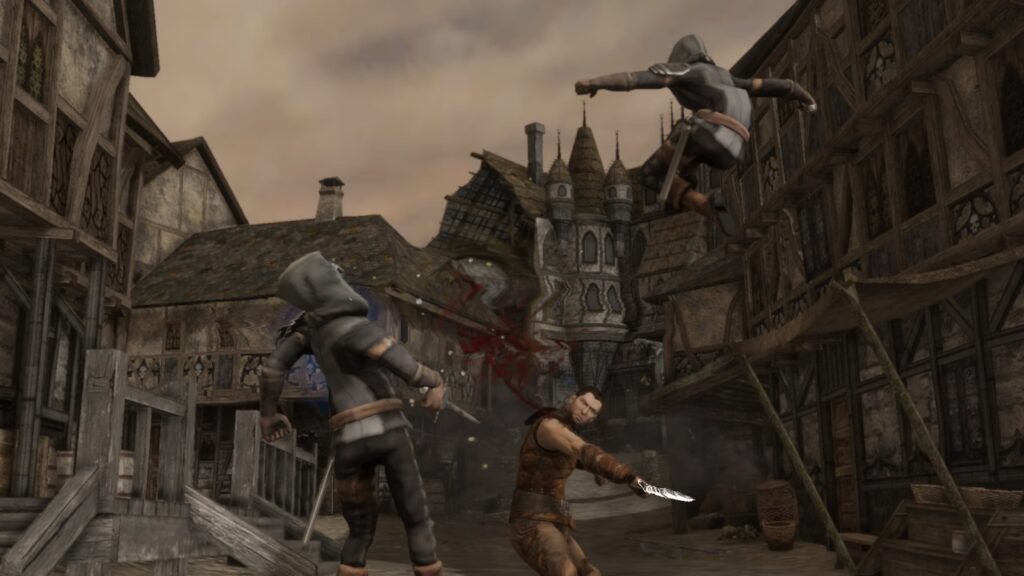
Crafting exists for potions, poisons and enchanted gear. The world is linear compared to open-world RPGs, but quests often offer multiple approaches depending on your skills and previous choices. Dialogue can open or close paths based on your charisma and knowledge of the setting. The game sits in the rich lore of Aventuria, the main continent of The Dark Eye, and while you don’t need prior knowledge to follow the plot, fans of the tabletop game will catch plenty of references.
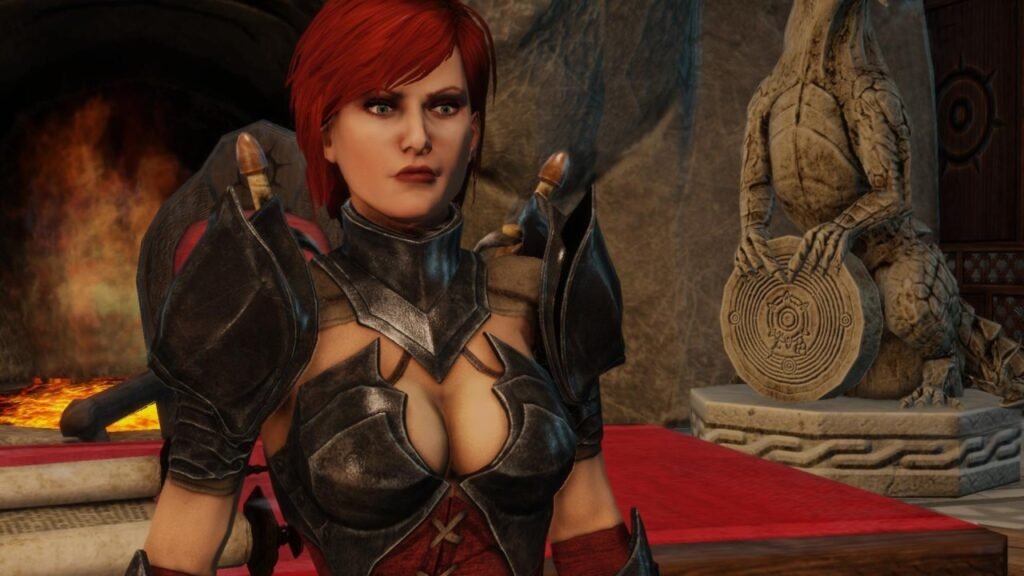
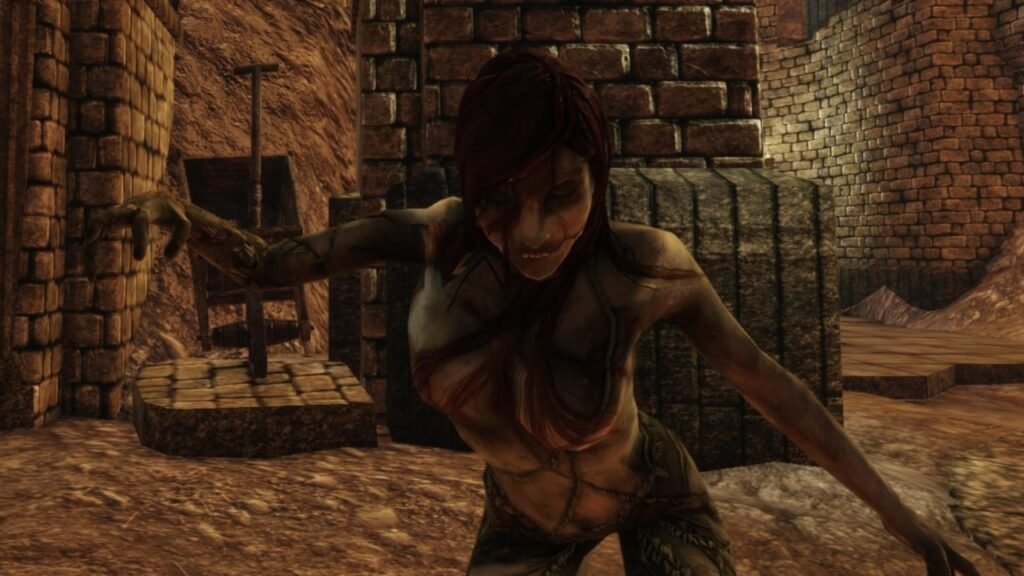
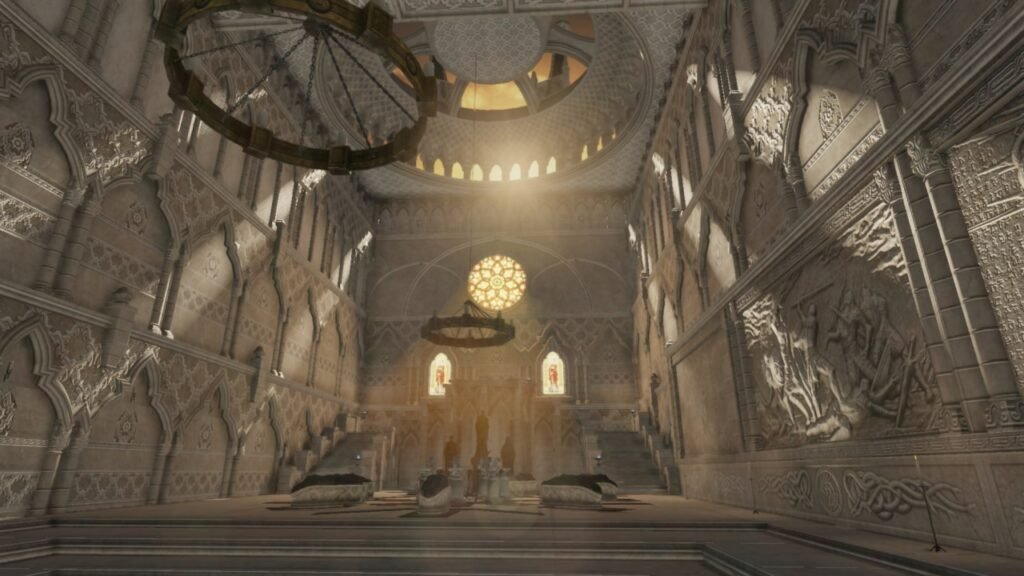
Visually the game used the Havok Vision engine and looked solid for 2013, though it has aged. The environments lean into gloomy ruins, plague-ridden camps, and demonic monasteries. Character models and animations were serviceable rather than spectacular. The voice acting (especially in the German version) helps sell the bleak atmosphere.
Looking back more than a decade later, The Dark Eye: Demonicon still stands out because of how unapologetically dark it is. Most fantasy games want you to feel like a hero saving the world. This one puts you in the shoes of someone whose very existence draws people who want to use or destroy him, while the person he cares about most is tangled up in the same mess. The sibling relationship is the emotional core, and the game commits to it even when it gets messy.
It also serves as a decent (if imperfect) introduction to the wider Das Schwarze Auge universe for English speakers. The tabletop game has a long history of detailed lore, complex magic systems, and a less Americanized take on European fantasy. Video game adaptations have been hit-or-miss over the years, with the tactical CRPGs Drakensang and Blackguards getting most of the love. Demonicon tried to do something different by leaning into action and mature themes, and that ambition is still noticeable.
If you’re curious about the game today, it’s frequently cheap on Steam and still runs on modern systems with a bit of tweaking. Go in expecting a flawed but atmospheric experience rather than a polished masterpiece. The combat won’t blow you away, the graphics have dated, and some of the writing is awkward. But if you want a fantasy story that doesn’t pull punches, that treats its dark material seriously, and that sits inside one of Europe’s biggest tabletop settings, The Dark Eye: Demonicon is worth a look.
Cairon’s journey through the Shadow Lands is short by modern RPG standards, but it leaves a mark. The choices you make stick with you longer than many cleaner, happier games manage. In a genre that often plays it safe, that still counts for a lot.