
Taking on a project like rewriting video game history is a massive gamble. When Square Enix announced they were rebuilding one of the most sacred relics of the original PlayStation era, the collective gaming community held its breath. The original 1997 release was more than just a game; it was a cultural milestone that defined childhoods and shaped the entire Japanese Role-Playing Game landscape. Fast forward to the release of Final Fantasy VII Remake Intergrade, and it becomes abundantly clear that the developers did not just want to pay homage to the past. They wanted to aggressively reinvent it. This definitive version, which polished up the initial console release and bundled in a highly energetic piece of downloadable content, proves that you can change the rules of nostalgia and still come out winning.
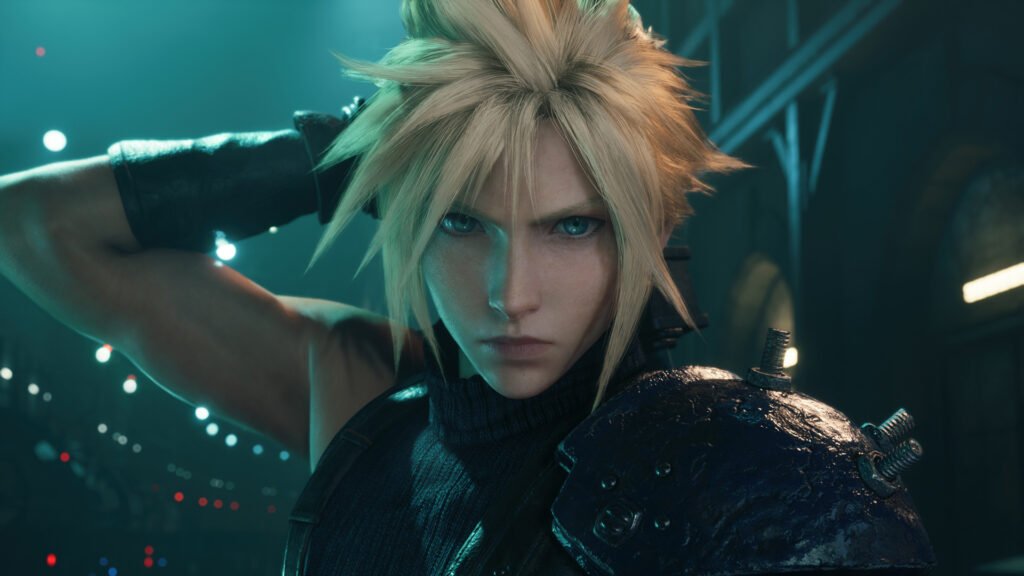
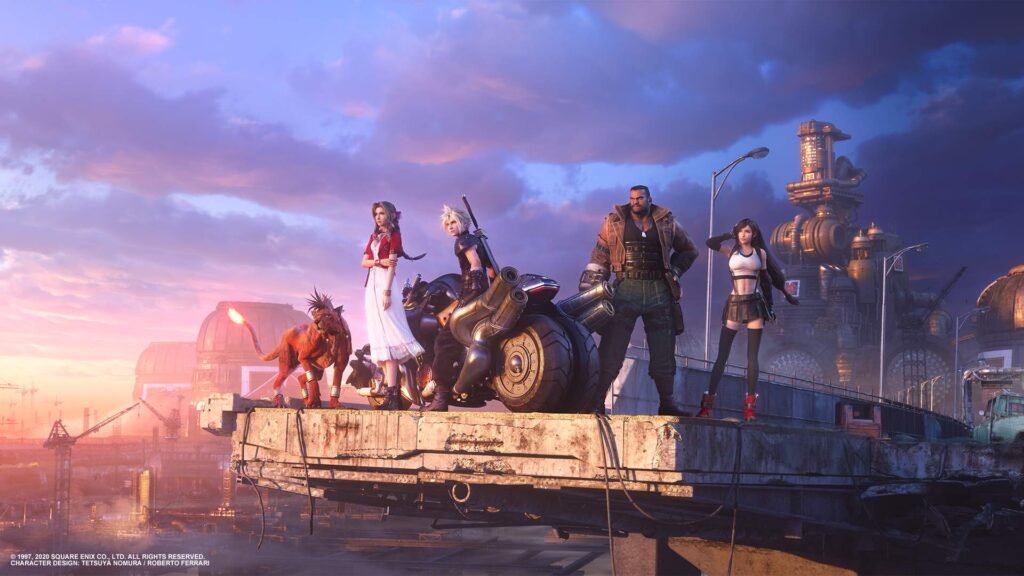
The core adventure takes us straight back to the dystopian, neon-soaked streets of Midgar, an industrial metropolis powered by the literal lifeblood of the planet. You step into the oversized boots of Cloud Strife, an elite mercenary with a bad attitude, a massive sword, and a mysterious past. Cloud joins up with a ragtag group of eco-activists known as Avalanche, featuring the fiercely protective martial artist Tifa Lockhart and the gun-armed, loud-mouthed leader Barret Wallace. What starts as a localized corporate sabotage mission against the corrupt Shinra Electric Power Company rapidly snowballs into an existential battle for the fate of the entire world.
What makes this particular version stand out so dramatically from its predecessors is the sheer technical evolution packed under the hood. If you played the initial release on older hardware, the leap to the Intergrade edition feels like wiping grease off a camera lens. The developers introduced a stellar Performance Mode that locks the gameplay at a butter-smooth sixty frames per second, transforming every slice of Cloud’s sword into a fluid, responsive joy. There is also a gorgeous Graphics Mode that pushes the resolution to crisp four-K, illuminating the dark underbelly of the slums and the gleaming skyscrapers of the upper plate with unbelievable detail. The lighting system has been completely overhauled, adding atmospheric fog and realistic shadows that give the city a lived-in, cinematic weight. Best of all, the dreaded loading screens that used to give you enough time to make a sandwich are now virtually nonexistent, thanks to modern solid-state drive optimization.
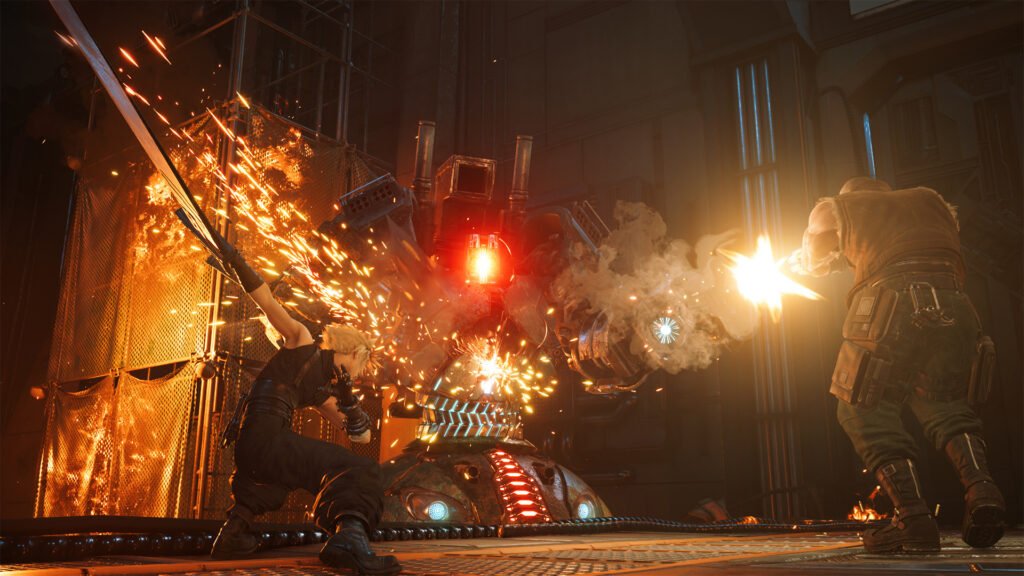
The true genius of this title lies directly within its revolutionary combat system. Throwing away the rigid turn-based menus of the nineties, the game embraces an addictive hybrid style that seamlessly blends real-time hack-and-slash action with deep tactical strategy. You are constantly on the move, dodging incoming missiles, parrying sword strikes, and stringing together basic attacks to rapidly fill your Active Time Battle bar. Once that gauge is full, pressing a button slows the chaotic world down to a dramatic crawl, allowing you to calmly open up a command menu to cast devastating magic spells, activate powerful character abilities, or use crucial healing items. It forces you to constantly switch control between your party members, utilizing Barret’s long-range gatling gun to ground flying mechanized drones while Tifa completely shatters an enemy’s defensive gauge with blistering martial arts combinations.
Customization remains just as deep and satisfying as veteran players remember, thanks to the iconic Materia system. By slotting colorful magical orbs directly into your weapons and armor, you can completely customize how your characters function on the battlefield. You can link an elemental fire orb to your basic attacks to burn robotic monstrosities, or couple a healing orb with a wide-range effect to patch up your entire squad simultaneously. Watching your glowing orbs level up after hard-fought victories provides an incredibly addictive loop that encourages you to constantly tweak your loadouts before challenging giant bosses.
Speaking of bosses, the spectacle on display throughout the eighteen-chapter campaign is nothing short of breathtaking. The game takes brief, ten-minute encounters from the original game and expands them into multi-stage, theatrical spectacles that require genuine focus and quick reflexes. Facing off against the legendary villain Sephiroth or battling terrifying mechanical creations while a majestic, fully orchestrated soundtrack blasts in the background is guaranteed to give you goosebumps. The music deserves its own round of applause, effortlessly shifting from nostalgic, acoustic melodies while wandering through quiet slums to roaring, rock-infused symphonies the exact moment a boss fight initiates.
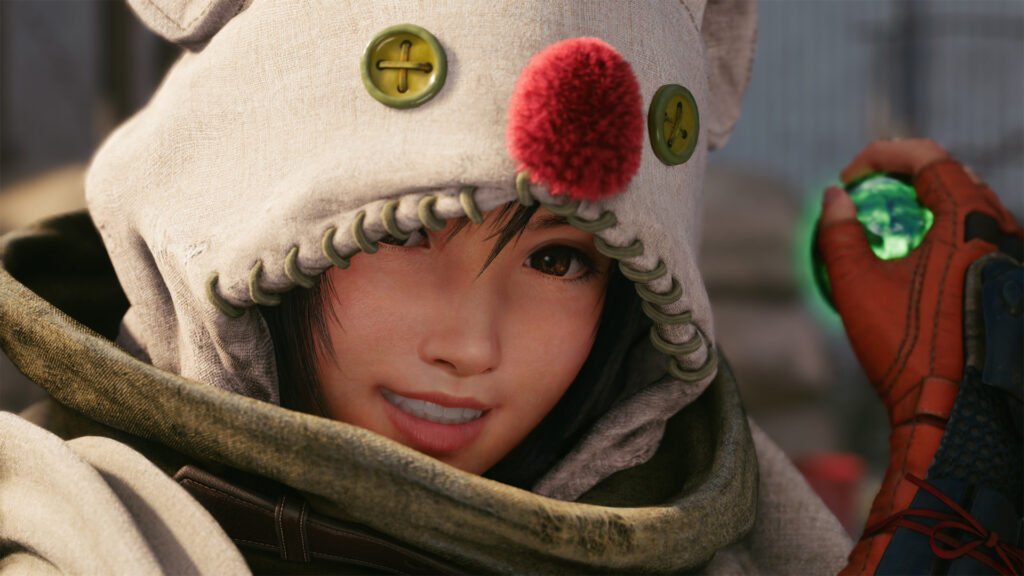
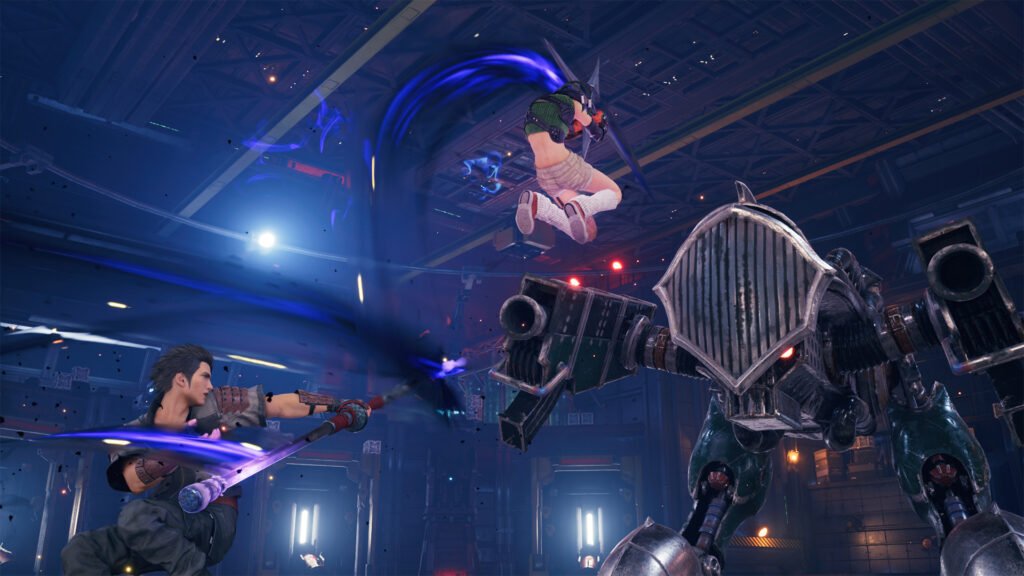
Of course, the absolute centerpiece of the entire package is the inclusion of Episode INTERmission, a brand-new side story that runs parallel to the main campaign. This two-chapter expansion shifts the spotlight over to Yuffie Kisaragi, a hyperactive, delightfully overconfident ninja-thief from the distant land of Wutai. Yuffie sneaks into Midgar on a high-stakes covert mission to steal an ultimate orb of power from the deep recesses of the Shinra building. Accompanied by her reliable partner Sonon Kusakabe, Yuffie injects a massive burst of fresh air into the existing story. Her combat style is an absolute blast, focusing on high-speed acrobatic movements, throwing a giant shuriken across the battlefield, and utilizing unique wind and ninjutsu magical attributes. The expansion also introduces a clever synergize mechanic, allowing Yuffie and Sonon to team up for combined, flashy tactical strikes that melt enemy health bars in seconds.
While the package is overwhelmingly fantastic, it is not completely free of minor flaws. To stretch out an eight-hour chunk of the original game into a full-scale, thirty-five-hour epic, the developers did have to introduce some noticeable story padding. There are a few slow-paced chapters where you are forced to run around doing mundane chores, like finding lost cats or cleaning out sewer rats, which can occasionally kill the narrative momentum. A few background textures in the open areas also look a bit flat compared to the gorgeous, highly detailed main character models.
Ultimately, these minor complaints melt away when you look at the sheer quality of the overall package. It is a stunning triumph that respects its roots while bravely forging a brand-new path forward. Whether you are an old-school fan who memorized the original script or a complete newcomer looking for a top-tier, modern action-RPG, this is an absolute must-play adventure that will keep you hooked from the opening train explosion to the final, emotional credits roll.